Blood donors in Manchester and surrounding areas are being urged to keep donating as normal if they are fit and healthy.
Giving blood is classed as essential travel and both Manchester Donor Centres will stay open with appointments remaining as normal. NHS Blood and Transplant is issuing a reminder of the exemption to donors as the strictest Covid-19 restrictions are put into place across the UK.
Peter Baughan, Head of Blood Donation for the North at NHS Blood and Transplant said: “We have seen a fantastic response from blood donors so far in the pandemic and blood stocks have remained good.
“With these updated Covid-19 measures coming into effect in the community, it’s important for anyone in the area who has an upcoming appointment to donate blood to please stick to it if you can, as blood donation remains essential for NHS and patient care and is exempt from travel restrictions.
“Blood saves lives and donating is something you can do to help the NHS at this time. Extra safety measures are in place on session and our doors are very much open.”
ADVERTISEMENT
Liverpool Donor Centre Dale Street. Staff highlighting the measures being taken to keep everyone safe from Coronavirus.
Picture by Gareth Jones
Both Manchester donor centre’s appointment fill rates for the next four weeks currently average around 30% full. New and existing donors are encouraged to book appointments now to ensure there is enough blood available to supply hospitals in the coming weeks and months.
Extra appointments have been made available in Manchester and elsewhere to help meet the rising demand for blood from hospitals over the coming weeks as elective surgery continues to resume.
ADVERTISEMENT
Since the Covid-19 outbreak, extra safety measures have been introduced across all blood donation sessions. All donors are triaged with a temperature check on arrival as an additional measure to protect staff and donors. If a donor has a temperature of 37.5 or above – which is a Covid-19 risk factor – they will not be able to donate or enter the session.
The NHS state: “When entering, hand gels and hand washing facilities are available, donors are spaced apart and staff are doing extra cleaning. Staff are wearing face masks and donors are required to wear a face covering and keep it on throughout their time on session, removing it only for refreshments.
“Please follow all relevant Government transport guidance when making a journey into, within or out of any affected areas, and it is a requirement to wear a face covering on public transport and in taxis.”
ADVERTISEMENT
Around 5,000 units of blood need to be collected by the NHS each day.
Blood is used for treating trauma, cancer, blood diseases, bleeds in childbirth, and much more. Each donation can save up to three lives.Manchester has two permanent blood donor centres:
Book appointments and check the latest guidance on Covid-19 and giving blood by calling 0300 123 23 23, downloading the NHS Give Blood app, or visiting the website blood.co.uk.
News
Two teens arrested after stabbing of 14-year-old boy in Manchester city centre
Emily Sergeant
Two teenagers have been arrested following the stabbing of a 14-year-old boy in Manchester city centre over the weekend.
In case you need bringing up to speed first, at around 3:15pm this past Saturday afternoon (17 October 2026), officers from Greater Manchester Police (GMP) were called out to reports of a stabbing on the ninth floor of the Arndale carpark in Manchester city centre.
Emergency services attended the scene, and a 14-year-old boy was taken to hospital with injuries consistent with a stab wound.
Thankfully, the victim’s injuries are not believed to be life-threatening or life changing, but an investigation and enquiries are ongoing.
Police conceded that this will ‘understandably’ cause concern in the community, but has assured the public that they believe this to be an ‘isolated incident.
And now, it has been confirmed that two teenage boys, also aged 14, were arrested on Sunday night (18 October) on suspicion of grievous bodily harm, and tat this time, they are currently in custody for questioning.
“We’d like to thank the local community for their support during our investigation as well as the passersby who helped the victim following this incident,” commented Detective Inspector Sean McFadden, of GMP’s City of Manchester district.
“Your quick-thinking undoubtedly saved the victim from potentially life-threatening injuries.
“We appreciate that incidents of this nature can cause concern and we’d like to reassure the public that we understand this was an isolated incident and there is no wider threat to the community.
“Officers worked quickly and arrested two juveniles on Sunday, and they currently remain in custody for questioning.”
Anyone with information is asked to contact police on 101, quoting log 2050 of 17/10/2026, or via the LiveChat function. Alternatively, contact Crimestoppers anonymously on 0800 555 111.
Featured Image – GMP
News
UK Government announces £100 fines for ‘antisocial behaviour’ on public transport
Emily Sergeant
The Government has today announced plans to tackle antisocial behaviour on public transport.
In a bid to crackdown on loud music, littering, vaping, and other threatening behaviour on buses and trains, guidance was issued by the Government today for local authorities to prosecute and even issue fines of up to £100.
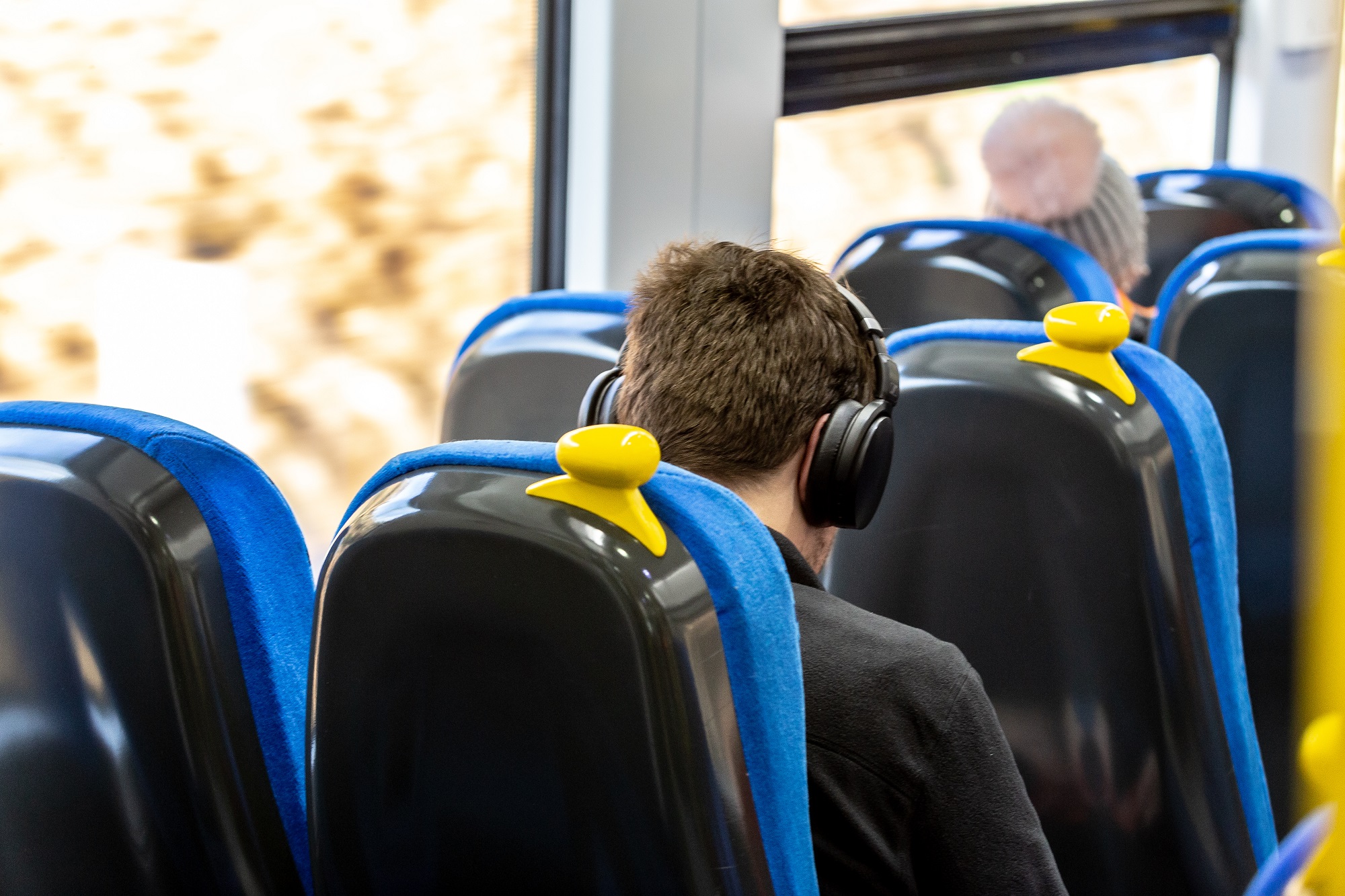
For many, playing audio out loud on public transport – also known as ‘loudcasting’ – has become one of modern life’s most irritating parts of the daily commute, but now, a new national campaign is aiming to encourage rail passengers, in particular, to ‘share the carriage, not the noise’ to improve the journey experience for all.
This will include reminders of the rules in place on the rail network and, if a passenger refuses to stop when asked by authorised rail staff, they can be removed from the train at the next station or face fines up to £1,000.
On buses, however, the powers for authorities were already made possible by the Bus Services Act 2025, meaning all local transport authorities in England are able to set and enforce their own rules.
Authorised officers – including transport safety officers and the police – will be responsible for enforcement, rather than bus drivers themselves, and they will be tasked with a three-step approach to deal with incidents. They will need to:
Engage with the person
Explain the rules and their impact on other passengers
Take enforcement action if they refuse to comply
“We’ve all been on the train when someone starts blasting music or videos from their phone,” commented Prime Minister Andy Burnham.
“It gets on your nerves and can quickly spoil the journey, so we’re launching a nationwide campaign reminding passengers to use headphones on trains. On top of that, we’re giving local leaders new powers to tackle loud music, vaping and littering on buses.
“It’s a simple thing, but one that will make journeys that little bit better for all of us.”
Ben Plowden, Chief Executive at the Campaign for Better Transport, added: “Antisocial behaviour is not just irritating, it can be a real deterrent to people using public transport – especially people with different accessibility requirements.
“If these new powers are properly and visibly enforced, they should help everyone feel safe and comfortable on public transport and enjoy the ride.”

 The Manc -
6th November 2020