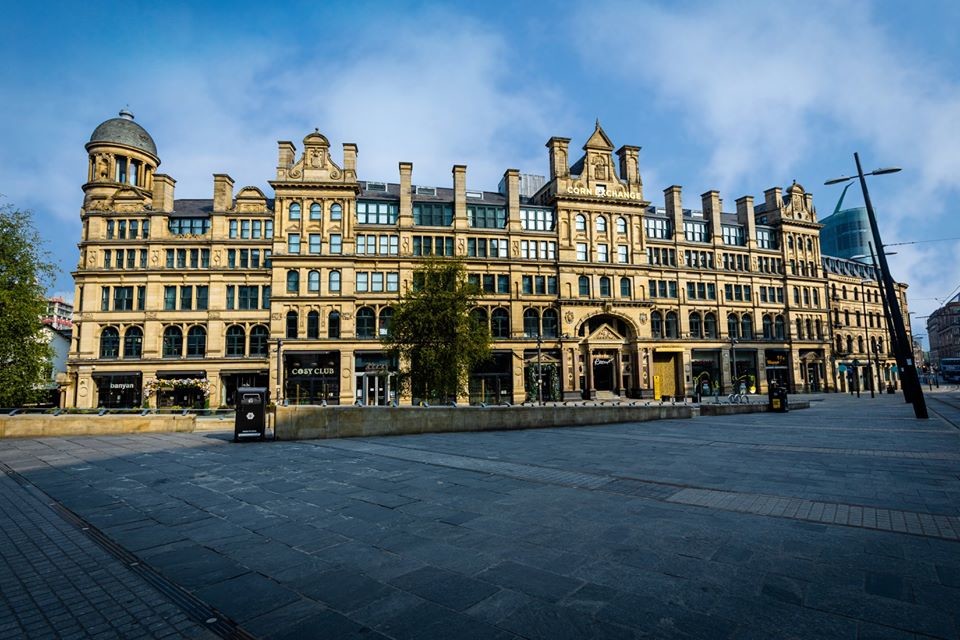
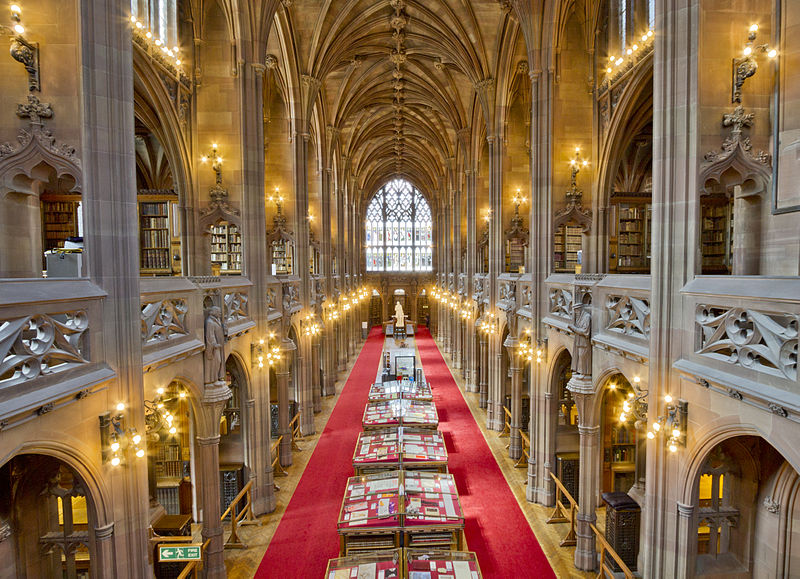
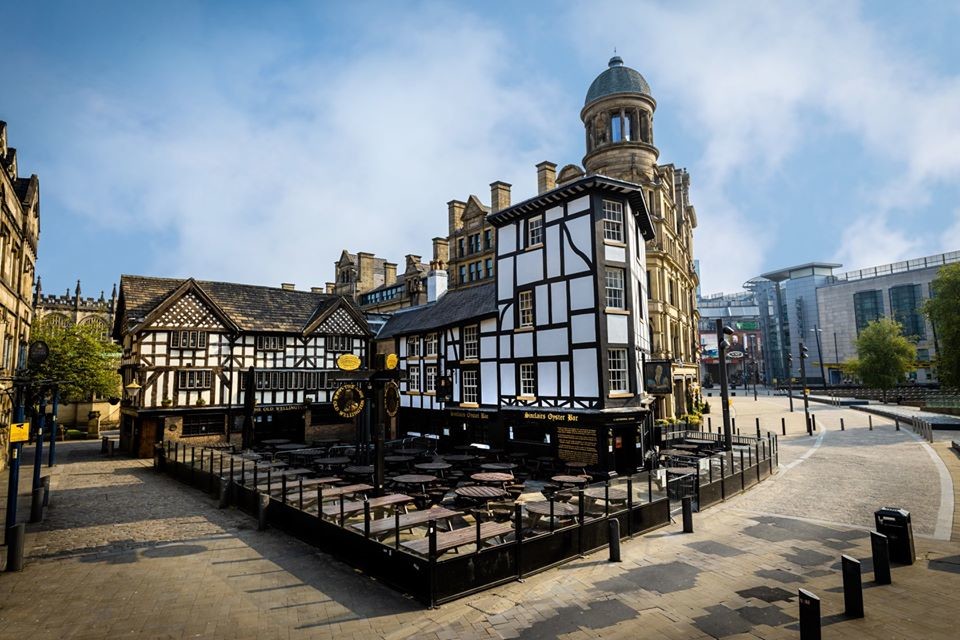
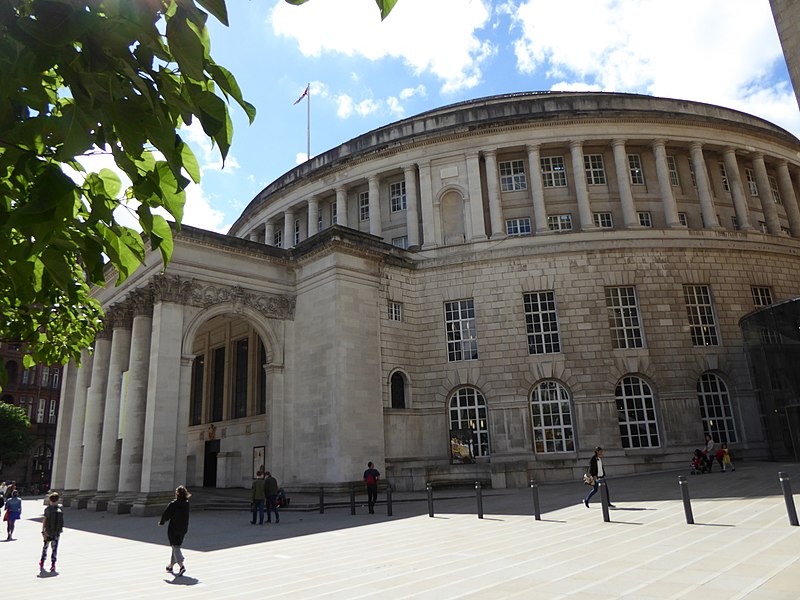
How often do you stop and look up at the buildings around us in Manchester city centre?
Our guess is probably not enough.
Manchester is a city steeped in culture and the impressive architecture – a wonderful mix of old and new – is a hugely contributing factor to its draw. It’s part of what makes our city so great, it’s just that we don’t often acknowledge it on a daily basis.
The hustle and bustle of city life can often leave its people neglecting to glance at what’s around them, but in a city with buildings as historic as Manchester, we simply can’t let that happen. We may not be able to physically ‘look up’ at the city centre skyline right now, but we can certainly have a good go at doing it via screen.
Today, we want to appreciate.
ADVERTISEMENT
Wikimedia CommonsWikimedia CommonsLucy Smith
Here at The Manc, we always want to know where you stand and in this case, we want to see the wonders of our city through your eyes.
A different viewpoint.
ADVERTISEMENT
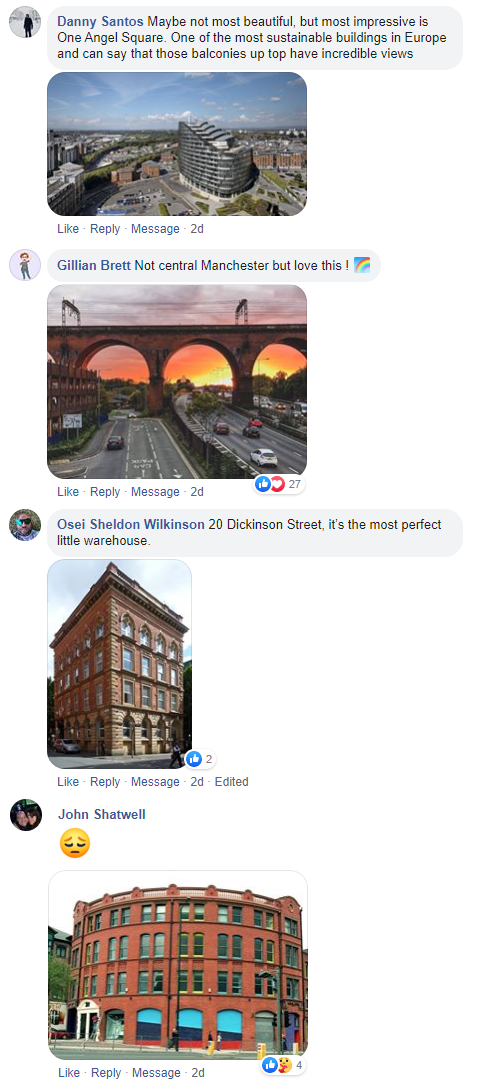
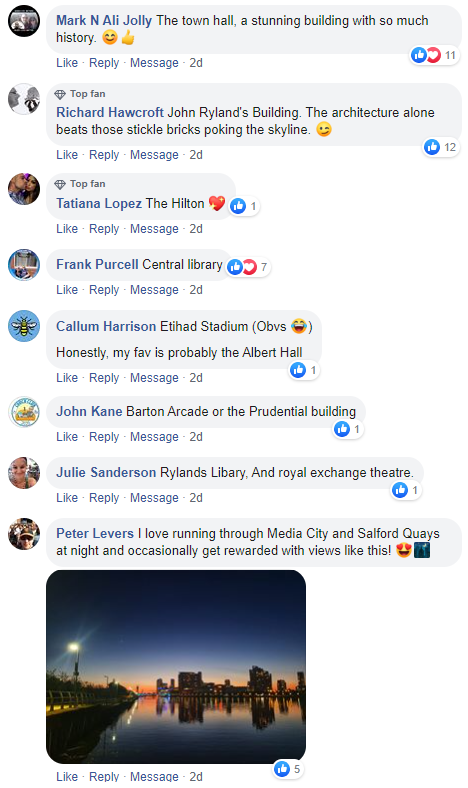
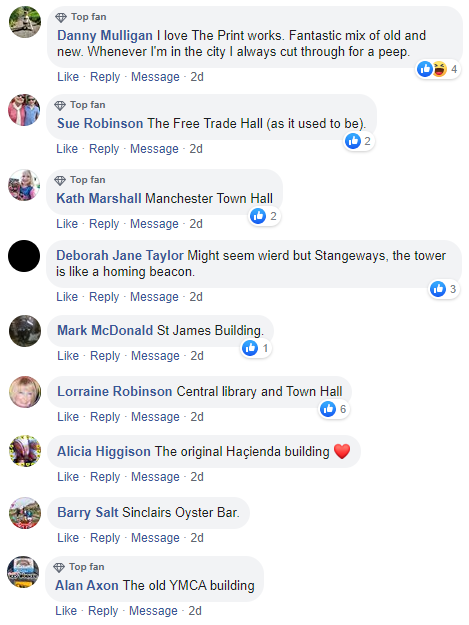
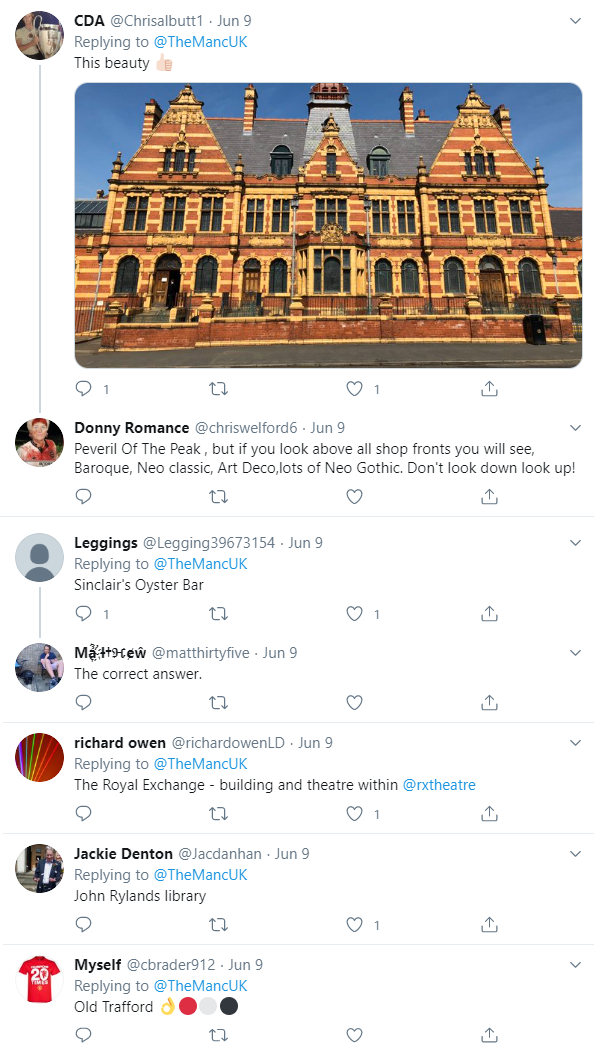
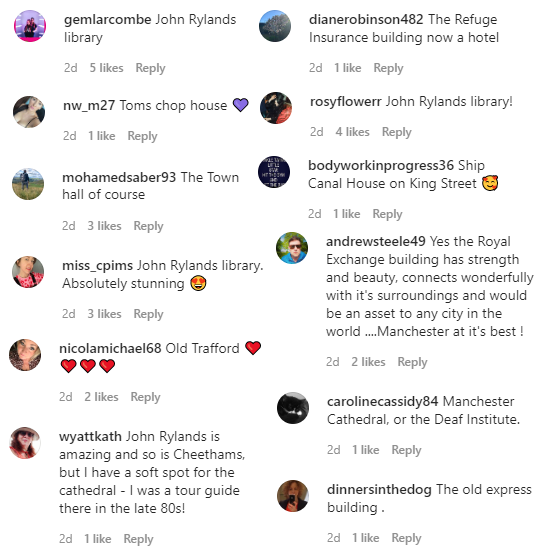
So, we took to our social platforms this week – Facebook, Twitter and Instagram – to ask you, our loyal audience of Mancunians – ‘What’s your favourite building in Manchester?’.
We received hundreds of replies to our question across all social platforms, so we unfortunately haven’t been able to include every single one in this article. Instead, we chose to feature a few that seemed to resonate the best with our audience and received the most interactions overall.
Are you keen to have your say? Do you have a different view?
Well, there’s still time to chip in, so make sure you head on over to The Manc on Facebook, Twitter and Instagram to take part, leave your thoughts and discuss with other Mancunians in the same position as you.
Property
Plans for more than 400 affordable homes available by ‘social renting’ coming to Wythenshawe
Danny Jones
Plans for a slate of more than 400 new affordable homes in Wythenshawe, which will also be made available for ‘social renting’, are now said to be moving forward following the official submission of three different applications this month.
Development group and so-called ‘placemakers’, Muse, have teamed up with Wythenshawe Community Housing Group (WCHG) to deliver not just one batch of new properties but a trio of new living locations in the town centre.
More importantly, all 422 of these prospective homes will be available via social rent, i.e. low-cost housing provided and leased by local authorities and/or housing associations, which are typically aimed at those on lower incomes and facing other adversities.
While Wythenshawe has plenty of council houses and social housing already, thanks to the WCHG, these latest proposals could see thousands more Greater Manchester natives given the opportunity to be part of the area’s next big overhaul.
As per a recent press release from the team behind the project: “The plans represent the first phase of housing within the wider masterplan, which will see up to 2,000 new homes created over the next 10 to 15 years, alongside new community facilities, green spaces and places to work and socialise.
It’s also worth noting that this undertaking, which will span over the next decade and a half or so, is part of the Greater Manchester region’s overarching goal to increase the level of high-quality domesticity throughout the 10 boroughs.
Besides various other projects in different up-and-coming areas like Stockport, Strangeways, Bolton, as well as here in the city centre, the area is also being hit with a major regeneration scheme.
Subject to planning approval, Wythenshawe will see the Brotherton House, Alpha House and C2 The Birtles buildings transformed into a modern residential complex, comprising a mix of apartments and townhouses aimed at local people with “differing requirements”.
You can see the map for where the developments are in relation to each other down below.
Credit: Supplied
Developers have promised that homes will be affordable, high-quality and energy-efficient, “with additional outdoor and communal spaces to promote interaction, health and wellbeing”.
Brotherton House – a now abandoned former office building – will be turned into 216 new homes, including an extra care apartment building with a further 109 rooms for people in later life and those living with dementia. Find out more HERE.
Moreover, if fully green-lit when the planning permission process is completed, the overview also includes 81 apartments and 25 two and four-bedroom townhouses, plus landscaped gardens and green spaces to encourage local wildlife and nearby residents to spend more time outdoors.
Already under demolition, neighbouring Alpha House will also be flattened and rebuilt to provide 125 one- and two-bedroom apartments, including 16 wheelchair accessible homes.
Meanwhile, the venue currently known as C2 The Birtles (next to the old market square), which holds existing retail and office spaces, will be replaced with around 81 one and two-beds, along with a new ground-floor retail space to complement the wider Civic offering.
Local councillor and leader of Manchester City Council, Bev Craig, said of the plans: “Delivering truly affordable homes – with a focus on social rent housing – was one of our key priorities when we set out the vision for the long-term transformation of Civic.
“The town centre is the beating heart of this community, and that means building homes that are affordable to as many people as possible, creating a long-term sustainable community of people who are proud of where they live.
“These planning applications represent an exciting milestone for Wythenshawe – and it’s great to be working alongside Wythenshawe Community Housing Group to realise these important developments.”
As for WCHG, their executive director, Andrea Lowman, added: “We’re delighted to see the first phase of new homes progressing, marking a major step forward in delivering the high-quality, affordable housing that local people have told us they need.
“This phase will bring forward homes that support residents at every stage of life, creating a strong foundation for a vibrant, sustainable town centre that meets the needs of our communities now and in the future.”
They’re aiming to tackle the pressures currently being put on temporary accommodation by turning long-term empty homes throughout the region into safe and secure housing for families who need it.
Temporary accommodation is described as being a ‘vital safety net’ for people who are facing or are at risk of homelessness, as it ensures they have somewhere safe to stay – but rising demand, a shortage of affordable homes, and escalating costs have left Councils, such as Greater Manchester‘s, increasingly reliant on expensive alternatives that are often deemed unsuitable and place a significant strain on local budgets.
At the same time, thousands of long-term empty homes across Greater Manchester remain unused.
This is why, with new devolved powers, GMCA is now taking what it’s calling a ‘coordinated, region-wide approach’ to bring these empty homes back into use and pioneer long-term solutions to the temporary accommodation crisis.
Greater Manchester reveals its £11.7m plan to tackle empty homes across the region / Credit: Benjamin Elliott (via Unsplash)
New research has revealed that temporary accommodation usage across the region has nearly doubled since 2019, with 5,915 households now making use of it as of March 2025.
At the same time, it’s estimated that the region has around 12,700 homes which have been empty for six months or more.
So, the new £11.7 million package – which is funded by GMCA – will be used to refurbish or lease up to 400 properties and help Councils cut bills for ‘costly and unsuitable’ temporary accommodation, such as bed and breakfasts, hostels, or hotels.
“More than 8,000 children are among the families living in temporary accommodation in Greater Manchester and that is simply unacceptable,” commented Mayor Andy Burnham.
“Homelessness tears young families from their communities and support networks, leaving them in environments that are often wholly unsuitable. This experience leaves lasting scars and that’s why we’re taking bold action.
“By investing an initial £11.7m to bring long-term empty homes back into use, we can offer better housing options, reduce the reliance on costly temporary accommodation, and ease the financial strain on local authorities.”
Alongside this package, another £10.6 million fund will enable councils to provide financial incentives, repair support, and offer temporary leasing options for at least 400 empty homes, ensuring they can be quickly brought into use as temporary or settled accommodation for families.
The programme is part of the work of Greater Manchester’s dedicated Housing First Unit, established to deliver the vision for ‘a healthy home for all’ by 2038.