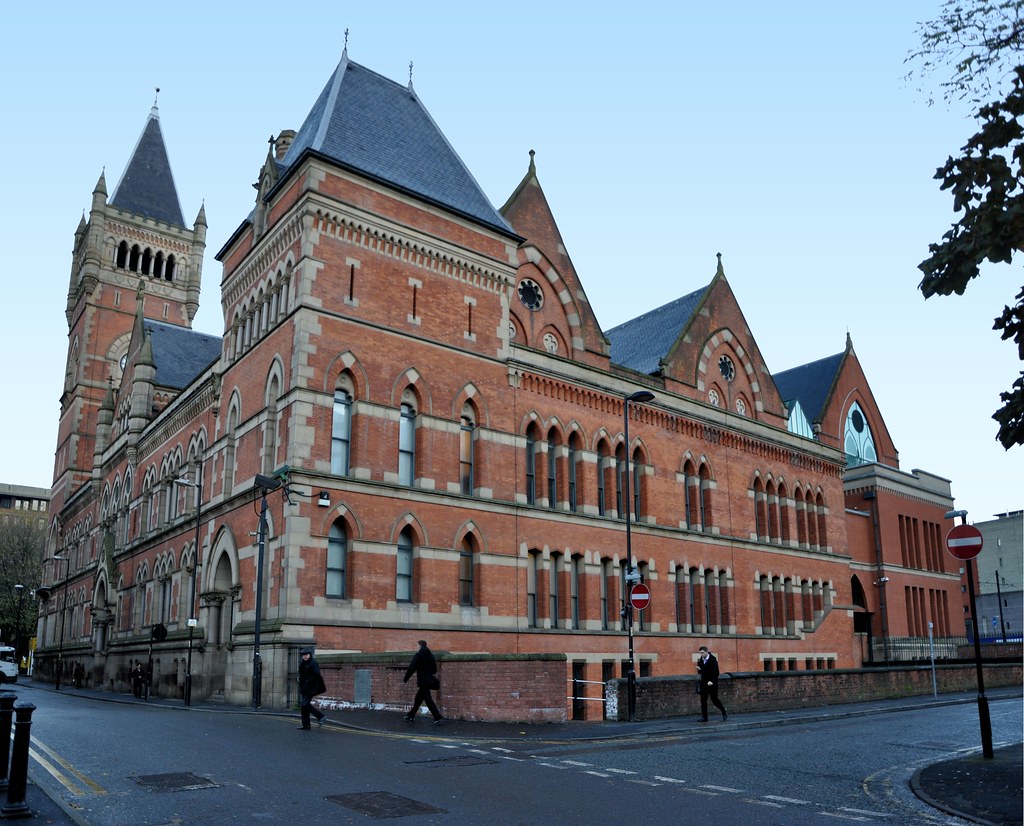
Asda has lost the first stage of its appeal in a landmark equal pay case that could cost the supermarket giant millions of pounds.
The Supreme Court this morning upheld the findings of a 2016 employment tribunal and a Court of Appeal case in 2019, which ruled that roles of Asda store workers can be compared to distribution centre positions when assessing equal pay.
More than 40,000 Asda store workers, about two-thirds of whom are women, have recently brought equal pay claims after complaining that staff working in distribution depots unfairly get more money.
The UK’s highest court has now backed the Court of Appeal judgment.
History has been made today.
Thousands of women workers at Asda have won the fight for equal pay.
Other employers should take note. It is not acceptable to pay a woman less for work of equal value.#GMBWin 🧡💪🏾💪🏼
Law firm Leigh Day, which is representing around 44,000 Asda workers, says distribution depot workers get between £1.50 and £3 an hour more and that the issue has far wider implications across the economy.
ADVERTISEMENT
Lauren Lougheed, a partner at Leigh Day, said of the ruling: “We are delighted that our clients have cleared such a big hurdle in their fight for equal pay.
“Already an employment tribunal, the Employment Appeal Tribunal and the Court of Appeal ruled that these roles can be compared, and now the Supreme Court has come to the same conclusion.
ADVERTISEMENT
“It’s our hope that Asda will now stop dragging its heels and pay their staff what they are worth.”
The case, which stems from a 2016 employment tribunal decision on pay going back to 2002, pre-dates the £6.8bn sale of Asda by US grocery giant Walmart to a consortium earlier this year.
An Asda spokesman said there was a long way to go before the issues were finally settled: “This ruling relates to one stage of a complex case that is likely to take several years to reach a conclusion.
ADVERTISEMENT
“We are defending these claims because the pay in our stores and distribution centres is the same for colleagues doing the same jobs regardless of their gender. Retail and distribution are very different sectors with their own distinct skill sets and pay rates.”
It said it had always paid its staff the market rate for these sectors and it remained confident in its case.
News
Peter Kay announces four intimate charity shows in Greater Manchester – but only for these postcodes
Emily Sergeant
Peter Kay has just announced four intimate shows to raise money for a very worthy cause… but you can only get tickets if you live in these particular postcodes.
Comedy legend Peter Kay is set to return home to the Bolton Albert Halls for four very special hometown shows in this summer, marking his first performances at the venue more than two decades.
Taking to the very stage where he recorded the UK’s biggest-selling stand-up DVD, it’s set to be a proper nostalgic homecoming for one of Britain’s most beloved comedians.
The summer shows – which are taking place from 9 – 11 July 2026, even including a matinee performance – this is a rare chance for local fans to be part of something incredibly special, with all funds raised going to Bolton Hospice.
But, there’s a bit of a catch… you’ll only be able to get tickets if you live in Bolton (and some parts of Bury), as it’s strictly limited to BL postcodes.
Peter Kay Live at the Bolton Albert Halls – 2026 Dates
Thursday 9 July (Evening)
Friday 10 July (Evening)
Saturday 11 July (Matinee)
Saturday 11 July (Evening)
Tickets officially go on sale Friday 24 April at 10am, and you can get your hands on them here.
Featured Image – Supplied
News
Seven in 10 NHS workers think the health service is ‘poorly prepared’ for another pandemic
Emily Sergeant
A new survey has revealed that seven in 10 NHS workers believe the health service is ‘poorly prepared’ for another pandemic if one should arise.
After the recent meningitis B outbreak in Kent last month raised the conversation of mass contagion once again, of course following the COVID-19 pandemic, a new YouGov survey of more than 1,000 NHS workers has now uncovered how well prepared staff in the health service think it is for another global pandemic.
The results show that 69% of staff surveyed think the health service is ‘poorly prepared’ for another pandemic, and to make matters worse, 26% of those even say it’s ‘very poorly’ prepared.
Only one in five (22%) think the NHS is could properly handle another pandemic, but statistically, YouGov claims none of those surveyed said it’s ‘very well’ prepared.
Seven in 10 NHS workers think the health service is ‘poorly prepared’ for another pandemic / Credit: Pxhere | Rawpixel
When workers were asked how the NHS’s level of preparedness now compares to prior to the COVID-19 pandemic, 41% did concede that they think it is better prepared now than 2020, however 37% admitted they think it’s no better prepared.
16% actively think it’s less well-prepared now than it was prior to 2020.
This marked a new era of ‘transparency’ and ‘accountability’ in the NHS, with the league tables delivering on the Government’s promise to drive up standards, tackle variation in care, and ensure people get the high-quality service they rightly expect.
Every trust in England – from urgent and emergency care, through to elective operations and mental health services – will now be ranked quarterly against ‘clear and consistent’ standards.