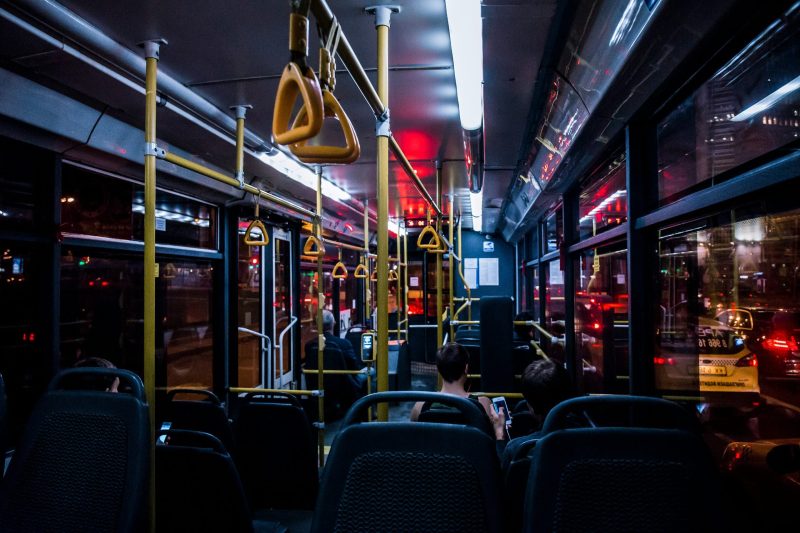
A new survey by Which? has found that new electric cars may be less reliable than their petrol and diesel models.
While it’s true that electric vehicles are becoming more popular in the UK, especially since the government announced that the sale of new petrol and diesel cars and vans will be banned in from 2030, and they are now said to be accounting for more than one in every six new cars registered in the UK last year, according to the Society of Motor Manufacturers and Traders, a new poll by the consumer group Which? has found that they may be unreliable.
More than 48,000 people told Which? about the nearly 57,000 cars they own and drive, which included 2,184 electric vehicles.
According to the poll, 31% of electric car owners have reported a problem with their vehicle in the first four years of owning it, which is compared with 19% of people with petrol cars, and 29% with diesel cars.
The survey also found that faulty electric vehicles spend longer off the road – five days, compared with just three and four days for petrol and diesel cars respectively.
ADVERTISEMENT
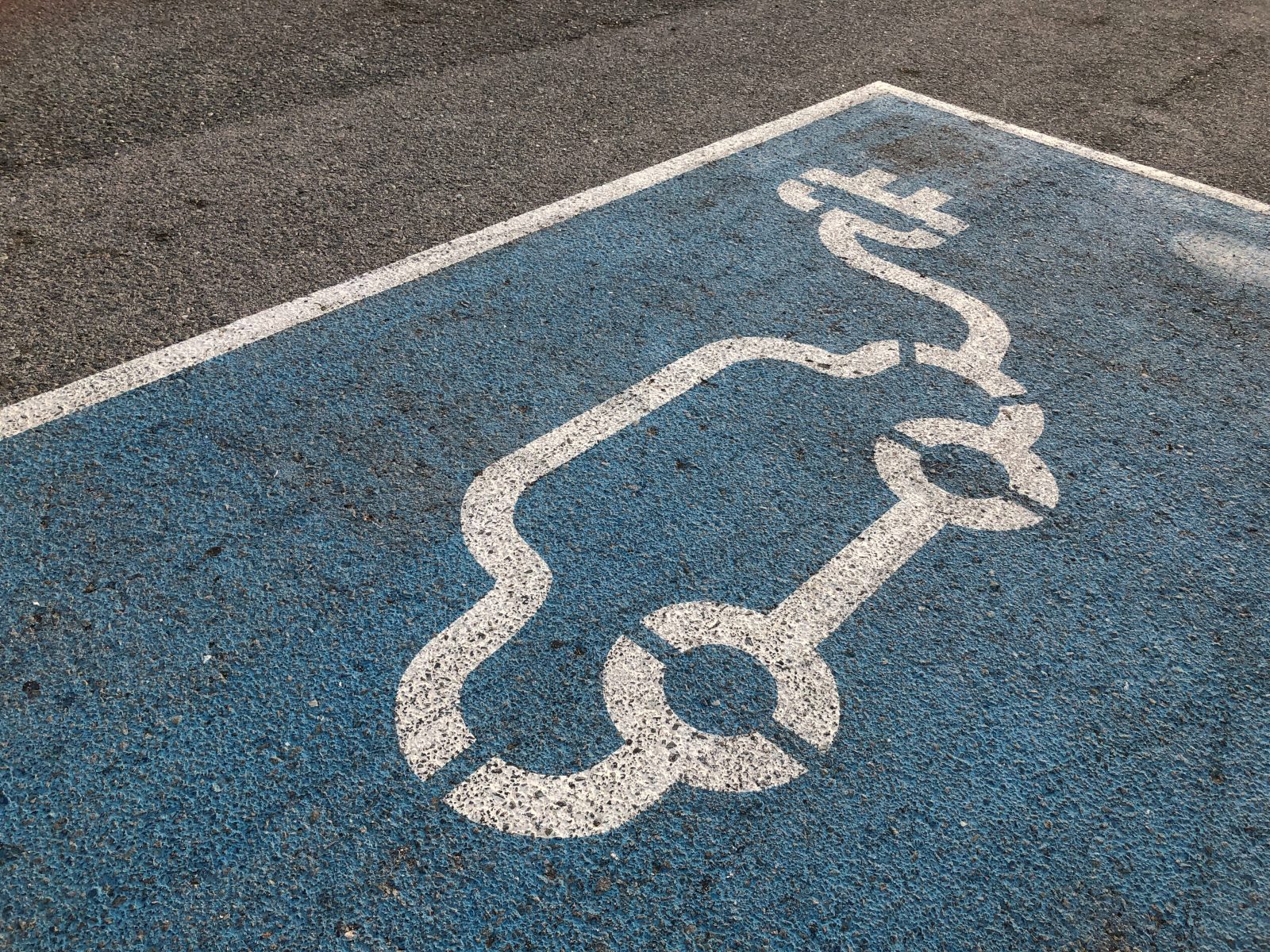
A new survey by Which? has found that new electric cars may be less reliable / Credit: Red Dot (via Unsplash)
It’s largely believed that electric cars are more reliable as they have fewer moving parts than petrol or diesel, but the survey appears to contradict this because the most common faults with electric vehicles were software issues, not motor or battery problems, according to the drivers surveyed by Which?.
Overall, the survey found that the most reliable cars of any fuel type were full hybrids.
ADVERTISEMENT
Which? said the poll results prove their is a “significant opportunity” for car manufacturers to “up their game” and provide drivers with more reliable cars.
Lisa Barber – home products and services editor at Which? – added: “We know that drivers are keen to make the move to more environmentally-friendly cars but it is vital that they are getting a quality product.
“With EVs in particular, our research shows a premium price tag does not necessarily mean a reliable vehicle, so we would always encourage drivers to do their research ahead of such a significant purchase to see which cars and brands they can trust.”
Police pursuing civil action after reports of women being filmed without consent on nights out in Manchester
Emily Sergeant
Civil action is now being pursued after a police investigation into reports of women being filmed on nights out in Manchester.
Greater Manchester Police (GMP) has confirmed in a statement that it is ‘exploring’ civil action in connection with ‘several’ reports of women being filmed without their consent on nights out in Manchester city centre, particularly around the Deansgate and Peter Street areas, following an investigation which began after social media videos of this nature were brought to its attention.
The police‘s subsequent public appeal lead to multiple women coming forward to report the impact finding themselves in these videos, and the commentary by the public, had on them.
GMP says it had to conclude its criminal investigation ‘due to limitations within the current legislation’, which is why it working with Manchester City Council to look at other routes of taking action.
“We took the reports from women who came forward, as well as the public feeling towards this behaviour, really seriously,” explained Superintendent Nicola Williams, from GMP’s City of Manchester district.
“The arrest of an individual in November 2024 was the first in the country and was our commitment to acting on all the information we have received.
“Throughout our investigation, we explored all lines of enquiry thoroughly, including digital forensic examination of various devices. The investigation was also reviewed by an experienced, senior detective to ensure no stone was left unturned.
Police are pursuing civil action after reports of women being filmed without their consent on nights out in Manchester / Credit: GMP
“Predatory behaviour is completely unacceptable, and tackling this has been a priority for our night time economy policing operation.”
GMP says it encourages anyone who experiences anything that ‘makes them feel unsettled or unsafe’ on a night out to report it, as all information received helps build a picture of the issues, allocate our resources effectively, and take action under our the dedicated nighttime policing operation, Op Safer Streets.
Reports can be made to GMP via 101, or on the website or Live Chat service, but you should always call 999 in an emergency.
Featured Image – GMP
News
Entertainment union Equity makes £1 bid for Manchester Pride to protect workers from ‘further exploitation’
Emily Sergeant
Performing arts and entertainment trade union Equity has made a £1 bid for Manchester Pride.
You may remember that, back in October last year, Manchester Pride – the charity / organisation that ran the Manchester Pride Festival – entered into voluntary liquidation, and news emerged last week that the assets were being sold off to the highest bidder by liquidators.
By offering a ‘symbolic’ £1 for the assets – which include the Manchester Pride brand name and associated domain names – Equity says its bid has been made to give workers the opportunity to ‘decide the future’ of the event.
The bid is also said to have been made to prevent a repeat of 2025 – which apparently left Equity union members more than £70,000 out-of-pocket in unpaid fees.
Equity’s variety organiser, Nick Keegan, warned that selling the Manchester Pride brand to a commercial buyer risks ‘undermining the values’ of the event and the community that built it.
He worried it could also leave performers and workers ‘vulnerable to further exploitation’.
“Manchester Pride is not just a city-wide party,” Mr Keegan explained. “Its roots in protest are as important today as then.”
He added: “Manchester Pride was built by the LGBTQ+ workers of Canal St and beyond who provide a space and a community for LGBTQ+ people all year round. The event should not be treated as a commodity to be bought and sold off to the highest bidder.
“The cultural workforce are at the heart of Pride, without them, there is no festival.
“After what happened in 2025, with members left tens of thousands of pounds out of pocket, we don’t want to see history repeat itself.”
Equity says that if its bid is successful, the workers will have control over who the ‘asset’ goes to.
“Our bid is about protecting Pride as a community asset, not a commercial one,” the union’s statement continued.
“Allowing the people whose labour was used to build this ‘asset’ to decide how the trademark of Manchester Pride is used in the future will help protect them from further exploitation, as well as preserve the values and the longevity of the event itself.”