People in Greater Manchester with the most common UK blood group are being urged to come forward and donate.
The NHS says blood stocks have dropped to “unprecedentedly low levels”.
The health service says that a “perfect storm” of both an increased demand of O-type blood at hospitals nationwide, following the recent cyber attack a couple of weeks back, and reduced collections due what it’s referred to as “high levels of unfilled appointments” at donor centres, is to blame for plummeting stock.
Because of this, the NHS Blood and Transplant has written to hospitals across the UK today to issue an ‘Amber Alert’ asking them to restrict the use of O-type blood to “essential cases” only, and to use substitutions where it’s clinically safe to do so.
🩸 Blood shortage Amber alert 🩸 The @NHS urgently needs O type blood. There are over 12000 appointments available over the next 2 weeks that we need your help to fill.
An ‘Amber Alert’ triggers hospitals being able to implement their emergency measures to minimise usage, move staff to laboratories to vet the use of all O-type blood, and also use patient blood management systems to minimise use of O-type blood.
ADVERTISEMENT
The NHS understands that national alerts can be a cause of concern, but it this case, it says the ‘Amber Alert’ forms an important part of the NHS’s “business continuity plan” for blood stocks.
O negative and O positive donors are also being asked to urgently book and fill appointments at donor centres.
ADVERTISEMENT
On average, there are around 50,000 blood donor appointments to fill each week, and more than 12,000 appointments still to fill in donor centres over the next two weeks.
Hospitals will continue to carry out urgent, emergency or trauma surgery, cancer surgery, transplant surgery, and blood transfusions to treat people with long term conditions – but, the NHS has revealed that to supply the nation’s hospitals with the 1.5 million units of blood they need to treat patients, appointments need to be close to fully booked all year round.
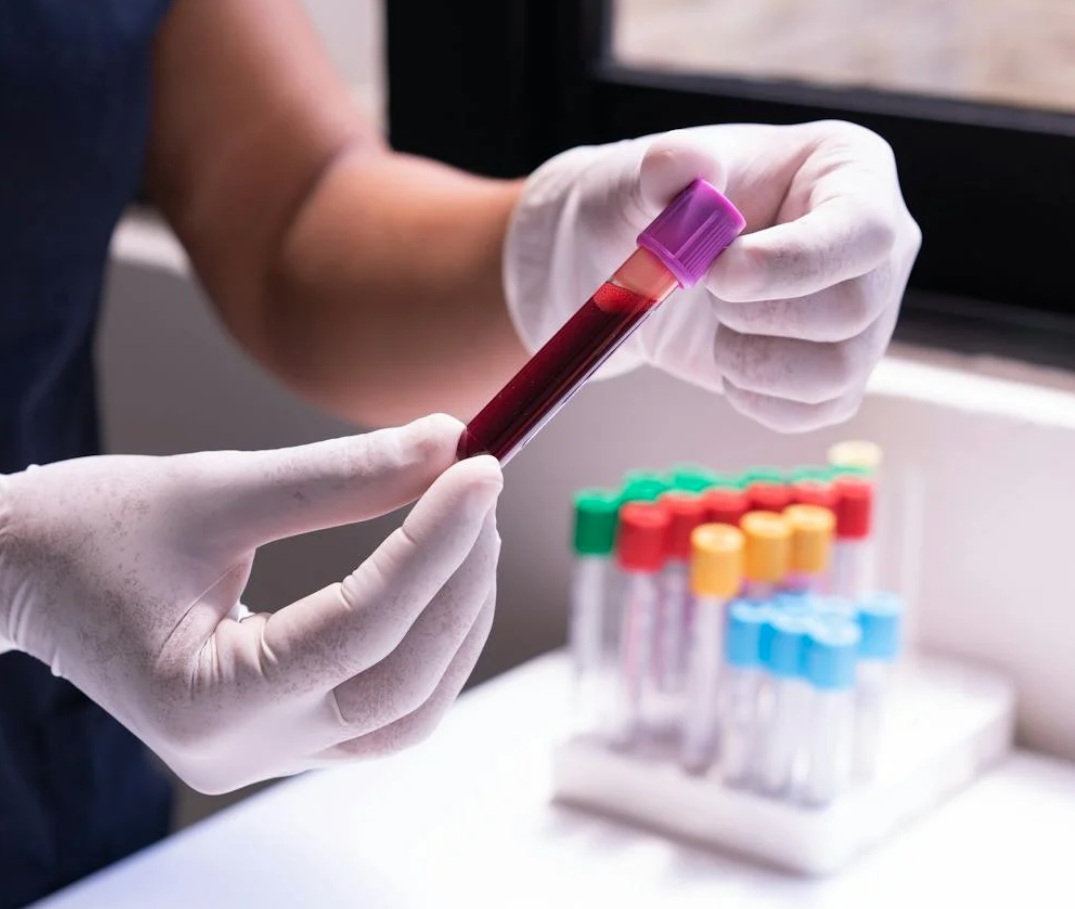
Donors are being urged to give blood as the NHS declares a national shortage ‘amber alert’/ Credit: NHSBT| Los Muertos Crew (via Pexels)
“We urgently need more O group donors to come forward and help boost stocks to treat patients needing treatment,” commented Dr Jo Farrar, who is the NHSBT’s Chief Executive, as the ‘Amber Alert’ was issued.
ADVERTISEMENT
“Last month, we saw an incredible response from donors who answered our call and filled up our centres, helping us meet the increased demands for blood throughout June.
“However, seven weeks on, the need for O-negative blood, in particular, remains critical.
“We’re making an additional 1000 appointments per week available, so please take a moment to go online and book.”
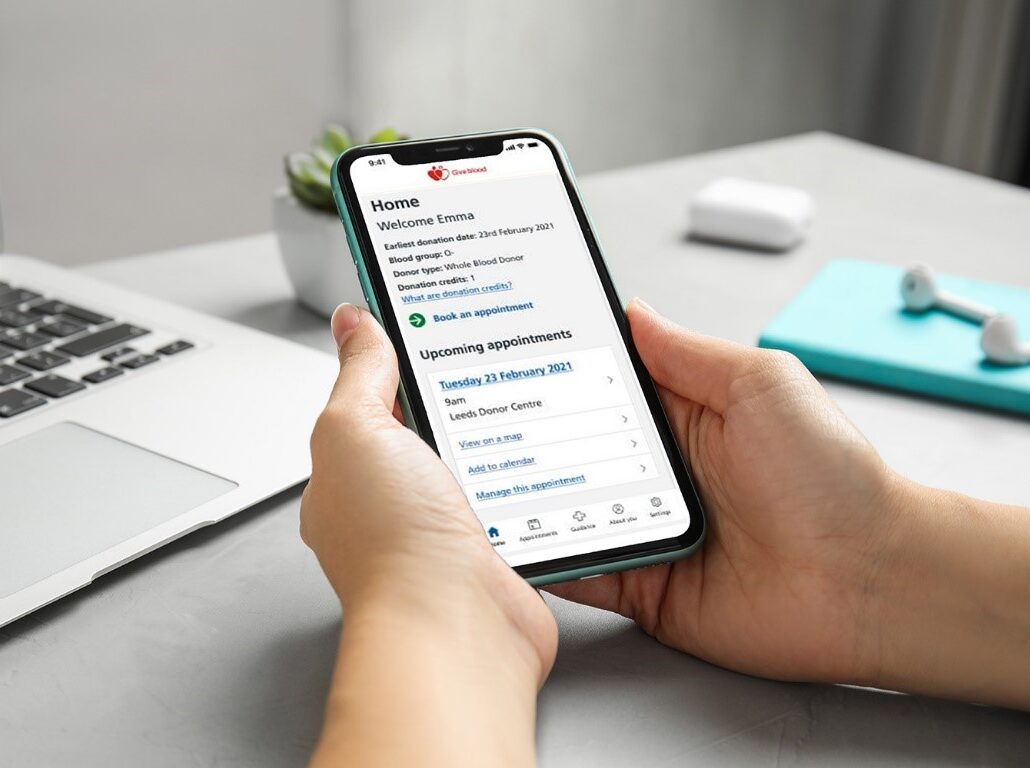
You can find out more and book a blood donor appointment either on the NHSBT website here, on the GiveBloodNHS app, or by calling 0300 123 23 23.
Featured Image – NHS Blood Donation (via Facebook)
News
Major pop star crowns humble rice and three cafe as ‘Jewel of Manchester’ ahead of sold-out gig
Thomas Melia
A beloved city centre takeaway has been given the title of ‘Jewel of Manchester’ by chart-topping UK singer Sam Smith.
Known for hits like ‘Stay With Me’, ‘I’m Not The Only One’ and more recently ‘Unholy’, UK pop-ballad act Sam Smith also likes to drop a food review every once in a while.
Currently on the road with a run of shows in Manchester and London for their ‘To Be Free’ live shows, Sam Smith is stopping off at some of our city’s much-loved spots.
On their food-reviewing account titled ‘Sam Served’, where they adopt the aptly-fitting nickname ‘Ham Smith’, Sam has visited restaurants across the globe – and most recently turned their attention to Manchester’s own This & That.
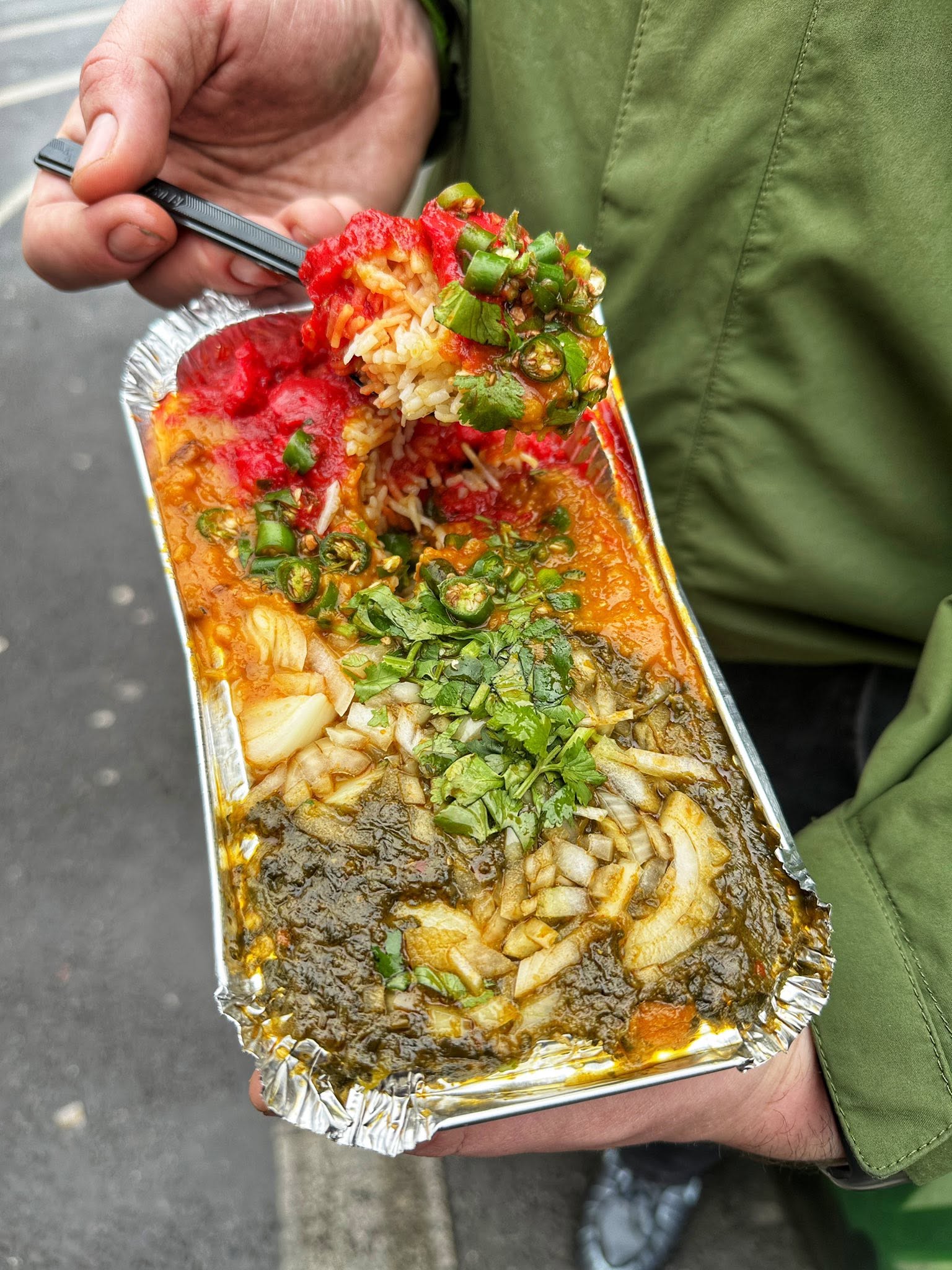
Smith decided to pop in and grab a cheeky rice and three from long-standing backstreet food business This & That, and it certainly went down a treat.
After sampling their amazing selection of meat, vegetable and vegan curries, the musician crowned this family-run Indian takeaway a ‘Jewel of Manchester’.
The hitmaker described this Northern Quarter Indian eatery as ‘Everything food should be’ and definitely enjoyed all the curries on offer ‘leaving belly and heart full’.
This & That prides itself on affordable and comforting food with its ‘Rice and Three Curries’ starting from just £6 – not bad for a city centre foodie spot.
Sam has racked up an impressive 490k followers via their ‘Sam Served’ profile, with famous faces like Lily Allen, Denise Welch and CMAT all wanting to know the superstar’s foodie thoughts.
After enjoying a curry or three, Sam Smith also made sure to feed their soul to by venturing down to Afflecks and getting lost in the music at Mars Tapes.
Recognised as one of the UK’s only cassette and tape shops, Mars Tapes lets you flick through their crates of physical media and even preview tracks before you buy with its dedicated listening areas.
It’s safe to say that Smith has ‘Latched’ onto Manchester’s independent business scene and we’re here for it.
The London-born artist has just released their latest album Hazel Eyes and is currently amid a UK residency tour with two dates in Manchester’s Albert Hall and eight shows set for London Coliseum.
24-hour bus services are now running across all Greater Manchester boroughs
Emily Sergeant
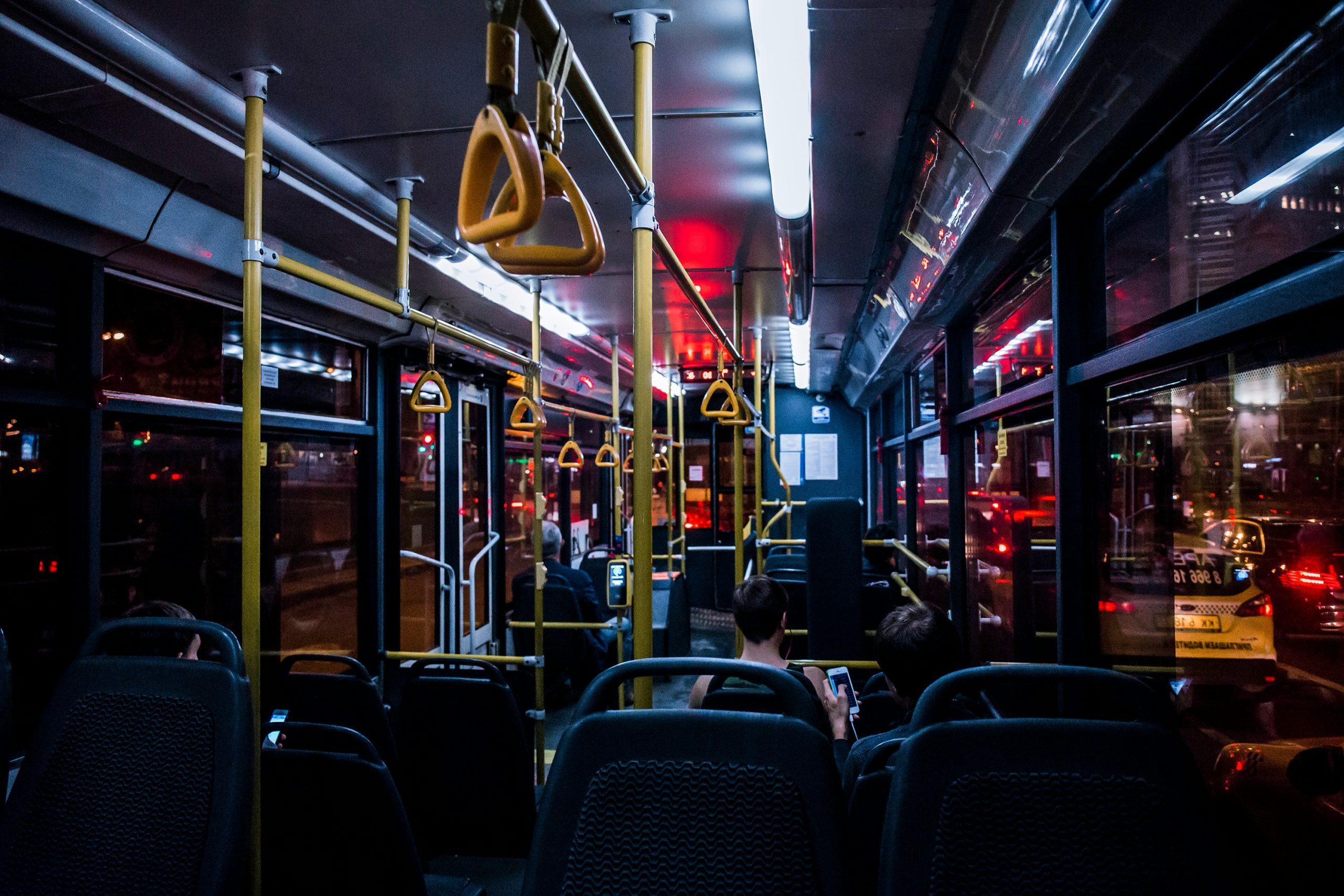
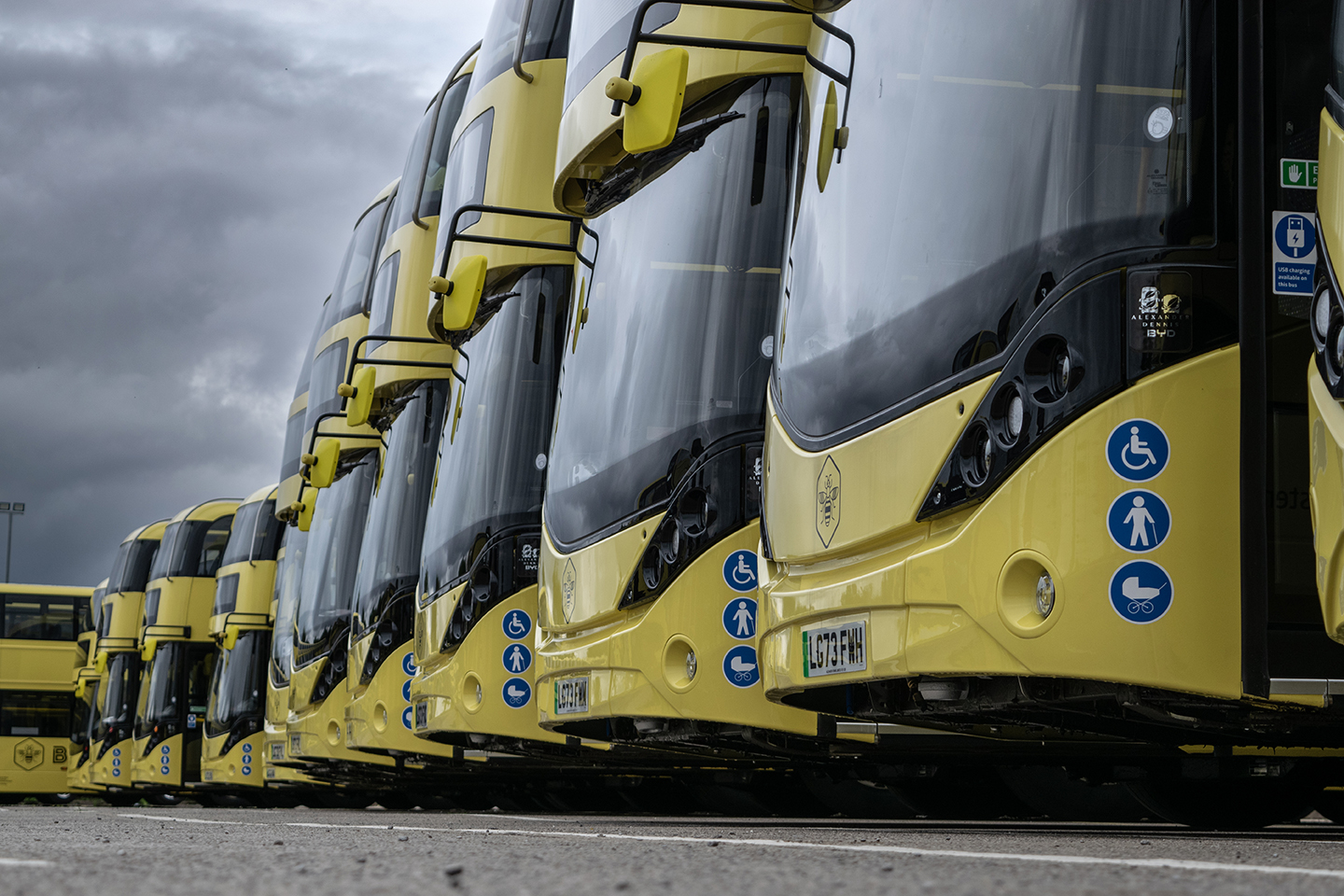
24-hour bus services are now running across all boroughs in Greater Manchester.
You may remember that back in March, it was announced that every borough of Greater Manchester was set to get a night bus service in what is hoped to be a ‘boost’ to the night-time economy… and now it’s official, Transport for Greater Manchester (TfGM) has launched those 24-hour buses this month, along with a series of other measures.
Oldham, Stockport, Tameside, and Trafford now join the rest of Greater Manchester in having 24-hour bus services, meaning every part of the region will have a night bus operating Thursday through to Sunday.
It’s expected that these new services will help around 625,400 people working in the night-time economy across Greater Manchester, as well as those out enjoying the region’s nightlife, TfGM has said.
The routes which will run around the clock from Thursday until Sunday are:
50 (Salford – Manchester)
216 (Tameside – Manchester)
263 (Trafford – Manchester)
192 (Stockport – Manchester)
83 (Oldham – Manchester)
All Greater Manchester boroughs now have 24-hour bus services / Credit: TfGM
They launch alongside the most significant service changes to the Bee Network since the completion of bus franchising last year – including other new bus routes, and more frequent services across Greater Manchester.
“We want everyone to be able to enjoy everything Greater Manchester offers, without the worry of how to get there and get home,” commented Greater Manchester Mayor, Bev Craig.
“By growing the Bee Network, we’re making it easier than ever for people to use the bus, day and night.
“Our night buses are already providing a lifeline to some of the hundreds of thousands of people who are growing our night-time economy and working in essential public services.”
“Whether people are heading home from a night at the theatre or starting the early shift at a hospital, they can now get on board the night bus as a safe and affordable way to travel.”
Further improvements will delivered from January 2027, and a full breakdown by borough can be found on the Bee Network website here.

 Emily Sergeant -
29th July 2024
Emily Sergeant -
29th July 2024