Business
Power: it doesn’t matter who you are, it matters when you are and how you are
There may be several options that will be determined by the specifics of your own situation. Take time to consider them, and use them to your advantage. Above all, don’t forget that if you want someone to believe you have power, you need to behave as though you believe it too.
 The Manc -
10th October 2020
The Manc -
10th October 2020 
This article was written in collaboration with Tim Green a consultant at The Gap Partnership an international negotiation consultancy firm.
If that title sounds confusing, let me explain.
In negotiation, who you are (your size, your brand name, your reputation – or relative lack of these) doesn’t necessarily determine the power you may or may not have. More important is to understand when you are negotiating (and the impact that time may have, positively or negatively, on your own and your counterparty’s power), and how the circumstances of yourself and your counterparty may affect where power sits.
If you can understand the impact of time and circumstances on your negotiation, on yourself, and your counterparty, the effect can be to dramatically shift the power balance away from what might seem an obviously more powerful opponent. In these circumstances, a far smaller, less significant player in the market can suddenly find themselves with a higher, and entirely disproportionate level of power.
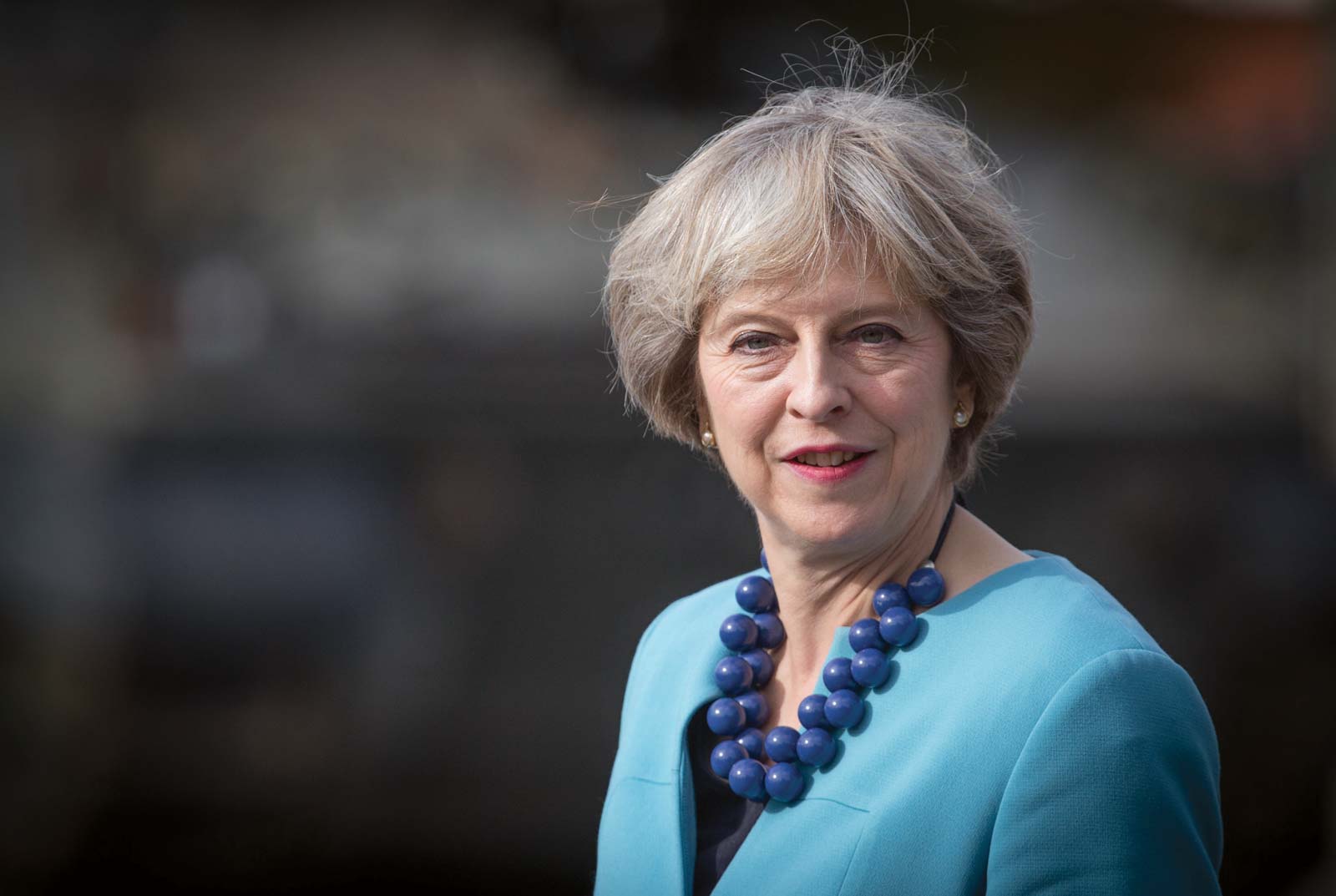
Theresa May
One area where this frequently occurs is politics. In May 2017 in the UK, the Conservative leader and Prime Minister, Theresa May, took the decision to hold a snap general election, only two years after the previous one. Arguably buoyed by positive opinion polls in the April that showed a 20 point lead for the Conservatives, and with a desire to secure a clear majority in parliament to aid her negotiations over the process of exiting the European Union (‘Brexit’), she felt confident she would succeed. For a variety of reasons this failed to materialise, and the result was a hung parliament, with the
Conservatives losing 13 seats whilst the Labour party gained 30. In order to shore up her support, she opted to do a deal with an Irish political party, The Democratic Unionist Party (DUP), who, from being a very minor player on the political landscape, suddenly found themselves with some real power. They used this power to their advantage and in the negotiation to agree their support for the Conservatives they secured £1bn in financial support and potential new tax powers. The pressure of both time and circumstance had acted to shift the balance of power in the negotiations over to the far
smaller DUP and away from the UK’s dominant political party.
This understanding of the impact of time and circumstances, of how to really get inside the head of the counterparty, reflects the classic David and Goliath story. Taking time to appreciate where the opportunities to swing the balance of power in your favour may be, even against a seemingly undefeatable opponent, can allow small players to accomplish great things.

Tyrells took on Tesco in the UK
In 2006, Tyrells, a privately owned UK crisp manufacturer with a turnover at the time of just £10m, took on Tesco, who was at the height of its dominance of the UK grocery market with turnover of £39.5bn, in a dispute over the stocking of its products.
A classic David vs Goliath. Tyrells had established its premium price business through supplying a network of 6,000 small, independent retailers and upmarket grocery retailer, Waitrose, and did not want its products stocked in Tesco. Tesco stocked them anyway. Sourced from the grey market they sold the brand at a discounted price in 70 of its stores. Tyrells appointed lawyers to examine their options. Shortly after, Tesco agreed to stop selling its lines. A victory for David over Goliath. But how did ‘little’ Tyrells manage to succeed against this much bigger opponent? Certainly part of their success was due to the time they took to understand Tesco’s circumstances. T
he day before they agreed to Tyrells’ position, Tesco had launched a major initiative to boost links with small suppliers to address its image problem in this area – a focus and commitment that the retailer has continued very successfully to the present day, transforming its image and results. Tesco wisely recognised that, whilst they wanted to supply its customers with the products, continuing its dispute with Tyrells would have sent conflicting messages.
Tyrells recognised that this had shifted the balance of power in its favour. Five years later, after rapid growth, Tyrells could be found on the shelves of 450 Tesco stores at its intended premium price.

Negotiation planning
In your negotiation planning, when considering how much power you do or don’t have, take a step back and review the situation objectively. In his book ‘Getting Past No’, William Ury describes the concept of going to the balcony to allow yourself to look at a situation from a new vantage point and from there gain a different perspective. He was discussing this specifically in relation to resolving conflicts, but it is equally applicable to the understanding of how to shift the balance of power in your favour.
This idea complements perfectly the concept we discuss on our workshops of getting inside the other party’s head. Only by doing this can you truly hope to identify how to optimise your power, either by recognising the weaknesses in the other party created by time and circumstance, or by appreciating your own weaknesses caused by the same factors, therefore ensuring these can never be exploited by the other side.
When it comes to understanding where the balance of power lies, there is one thought to keep front and centre at all times: You are far more equal than you think you are. As soon as you forget this, power starts to ebb away, because you are literally giving it to the other party. It’s the perception of where the balance of power lies that is key. Your challenge as a negotiator is to keep the perceived balance of power in your favour for as long and as broadly as you can, within the matters under negotiation.
How do you do that?
There may be several options that will be determined by the specifics of your own situation. Take time to consider them, and use them to your advantage. Above all, don’t forget that if you want someone to believe you have power, you need to behave as though you believe it too.