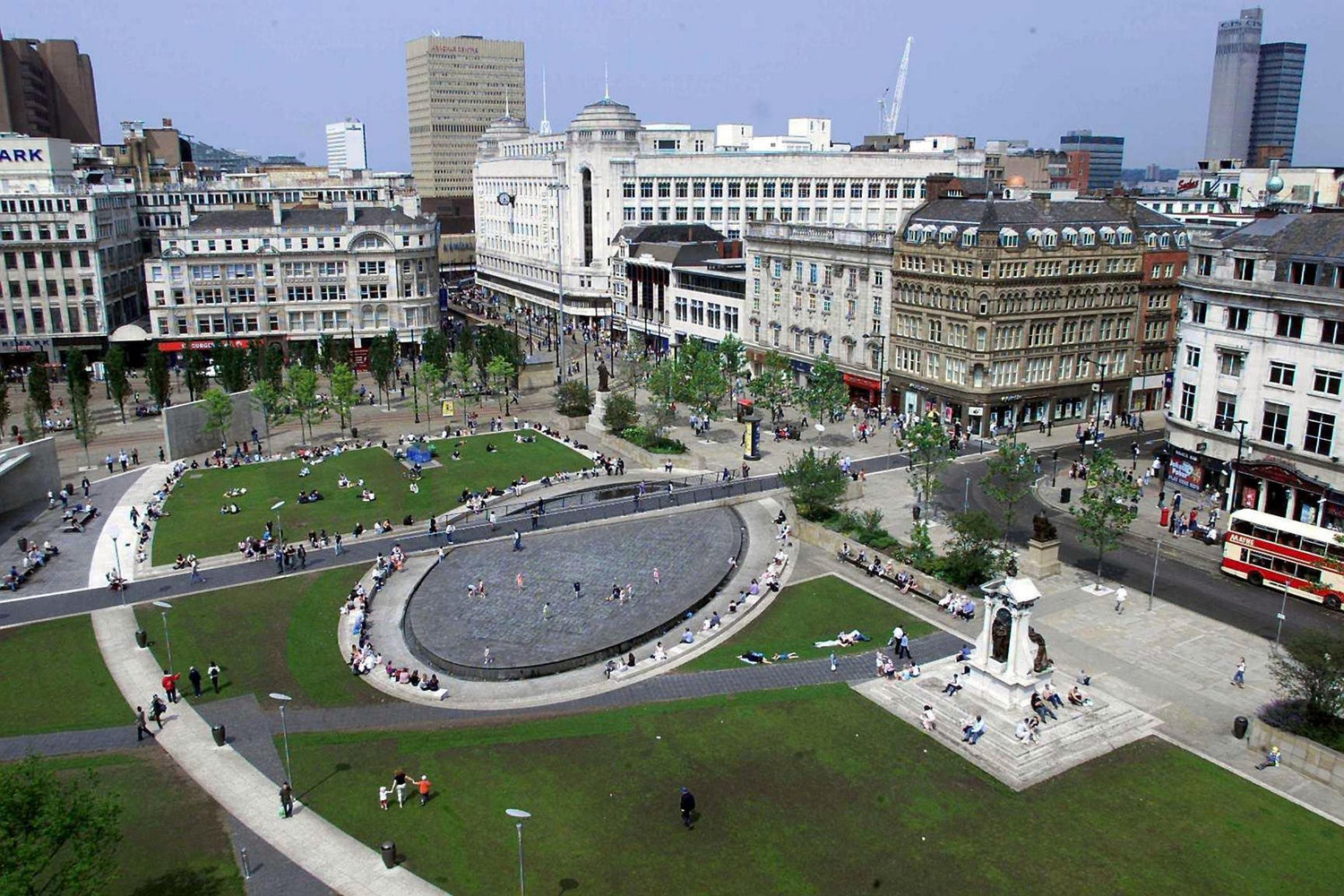
Manchester City Council has announced plans to launch an international design competition this autumn to create a “world class space” in the area centred around Piccadilly Gardens.
With an estimated construction budget of around £25 million, the council is inviting urban design and landscape teams from across the globe to present their ideas for the regeneration of the 10-acre site – which also takes in Mosley Street and New York Street, Parker Street, the section of Portland Street which Piccadilly Gardens runs alongside, and the section of Piccadilly which runs alongside the gardens.
The Piccadilly area has been described as a “prominent gateway location” as it serves a unique range of functions – including as a major route through the city centre, a transport interchange, a space for markets and events, a meeting place and a green space to spend time.
The council says that work will continue to develop a detailed design brief ahead of expressions of interest being invited in autumn this year from those looking to take part in the competition.
The competition comes after over 1,700 responses were submitted by Manchester people, businesses and organisations at a consultation held earlier this year that discussed future uses for the area.
ADVERTISEMENT
An international design competition has launched to find a team to create a world-class space in and around Piccadilly Gardens.
Proposals will be based on a consultation earlier this year, which attracted 1,700 responses from residents.
— Manchester City Council (@ManCityCouncil) July 31, 2021
So, what brief will competition entrants need to follow then?
Manchester City Council says it envisages that Piccadilly will be a special place with a strong sense of identity, welcoming and uniquely-Mancunian, and one that allows for the flexible hosting of events.
ADVERTISEMENT
It must be “a place for all” that incorporates space where children can play, while full access and inclusivity will also be integral to the design process.
The council recognises that it is important to the people of Manchester to retain a green space in the centre of the city, and is calling for planting to encourage biodiversity and improve air quality in line with the wider environmental goals.
It is also essential that the design promotes safety, and is well lit with clear sightlines.
ADVERTISEMENT
The council says it is looking to potentially relocate existing Parker Street bus services if improved alternatives can be found, and the winning design will need to retain the existing listed monuments and statues, and tramlines and infrastructure, as well as the existing Pavilion structure.
The Piccadilly area has been described as a “prominent gateway location” as it serves a unique range of functions / Credit: Manchester City Council
Speaking ahead of the competition’s launch this autumn, Sir Richard Leese – Leader of Manchester City Council – said: “The Piccadilly area has the potential to become an outstanding open space in the heart of Manchester, befitting the city’s international status.
“We recognise that it needs to be transformed to ensure that it can realise its potential as a welcoming and flexible space.
“We want to create a place that people are talking about for all the right reasons.
“The publication of this notice is an important step closer to this aspiration and underlines the ambition we have for the area – ambition we know that Manchester people share – and we will of course be seeking further views from the public later down the line once we have a successful scheme to put to them.”
ADVERTISEMENT
You can find more about the Piccadilly Design Competitionhere.
Featured Image – Manchester City Council
Manchester
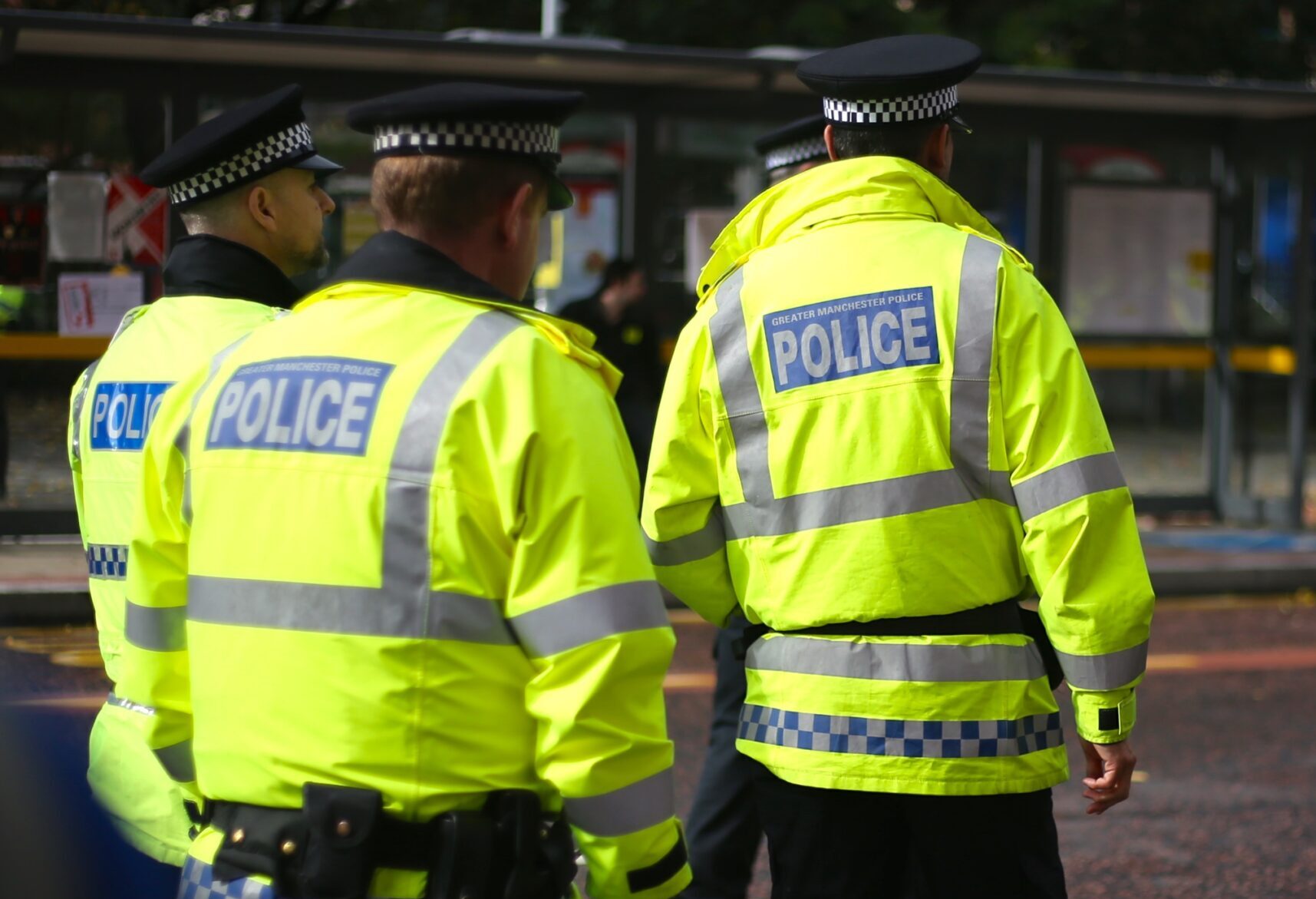
Police provide update after stabbing of 14-year-old boy at Manchester Arndale carpark
Emily Sergeant
Police have provided an update following the stabbing of a young boy in Manchester city centre over the weekend.
At around 3:15pm this past Saturday afternoon (17 October 2026), officers from Greater Manchester Police (GMP) were called out to reports of a stabbing on the ninth floor of the Arndale carpark in Manchester city centre.
Emergency services attended the scene, and a 14-year-old boy was taken to hospital with injuries consistent with a stab wound.
Thankfully, the victim’s injuries are not believed to be life-threatening or life changing, but an investigation and enquiries are ongoing.
Detective Inspector Sam Jones, of GMP’s City of Manchester District CID, said this will ‘understandably’ cause concern, but has assured the public that police believe this to be an ‘isolated incident.
“Detectives at the scene are working extremely hard to process the scene with Crime Scene Investigators,” explained DI Jones in an update statement issued.
“The car park is expected to be closed for several hours, so we ask for your understanding and patience whilst we gather evidence to bring these offenders to justice.
“Detectives and Officers will be in the area today to speak with local businesses and members of the public to provide reassurance. This is believed to be an isolated incident with no risk to the wider public.
“Greater Manchester Police are committed to diligently investigating all knife crime and bringing offenders to justice, and we are asking for anyone with information about this incident to come forward to assist with our enquiries.”
Anyone with information is asked to contact police on 101, quoting log 2050 of 17/10/2026, or via the LiveChat function. Alternatively, contact Crimestoppers anonymously on 0800 555 111.
Featured Image – Wikimedia Commons
Manchester
Manchester parks are hosting loads of FREE Halloween-themed activities this month
Emily Sergeant
Parks across Manchester are set to host loads of Halloween-themed activities this month.
With October half term right around the corner and Halloween not far off either, it won’t be long before parents and carers are looking for ways to keep little Mancs occupied… luckily, Manchester City Council has unveiled a programme of free ‘spooktacular’ activities that’ll be happening at parks across the borough this month.
Manchester’s parks will ‘come alive’ this October half-term with a packed programme community-focussed free activities for children – including a range of lantern making workshops delivered by the parks’ teams.
There will also be pumpkin carving throughout the week, with everything provided to create a suitably scary masterpiece to take home, as well ‘Hidden Horror’ trails across 13 parks with lots of spooky characters to be discovered.
Other highlights included guided walks, cycling along the Yellow Brick Road in Debdale Park, helping to create a giant haunted house using recycled materials at Alexandra Park, and a Halloween Party at Grounded Cafe in Cringle Park.
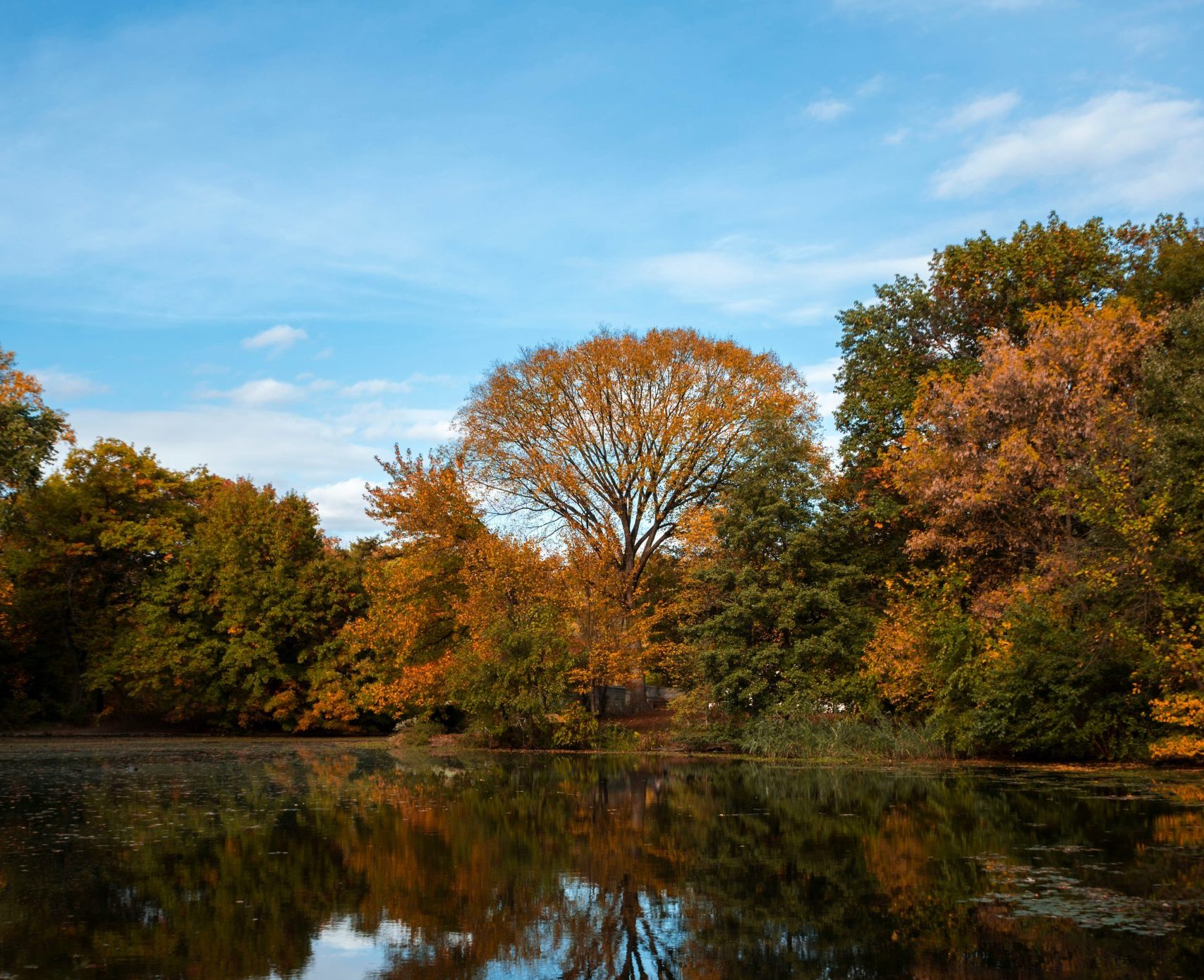
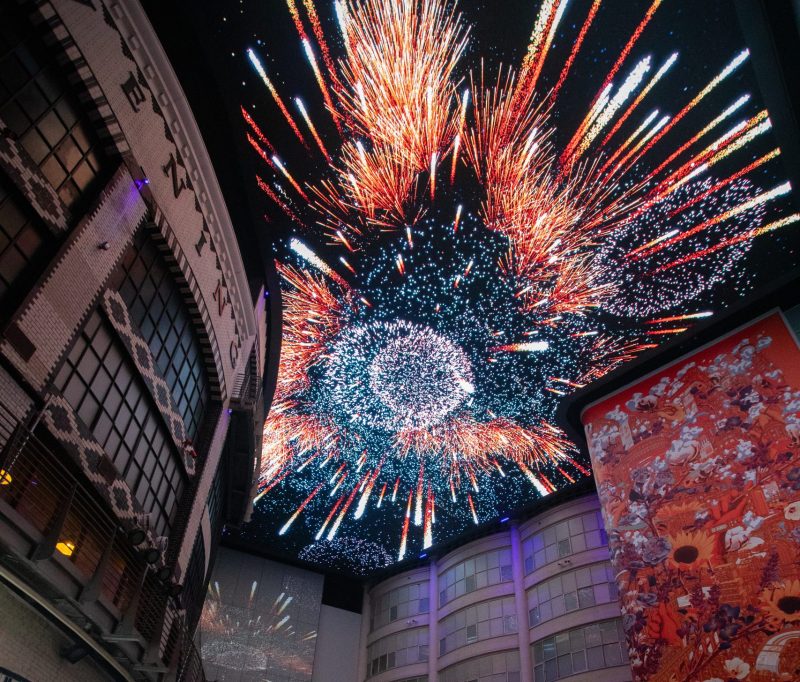
Manchester parks are hosting loads of free Halloween-themed activities this October half term/ Credit: Max Burchill | Pierre Bouyer (via Unsplash)
And fireworks won’t be the only attraction on Bonfire Night either.
Activities on the day begin from 3pm with the chance for little ones to enjoy magical storytelling experiences from Z Arts, with hands-on crafting inspired by the story.
Dazzling fire performers will light up the event with a mesmerising display of flames, fiery choreography, and captivating skills, and the Lantern Parade prior to the main fireworks display is not to be missed.

 The Manc -
2nd August 2021
The Manc -
2nd August 2021