The Jodrell Bank Observatory has announced that a highly-anticipated £21.5 million interactive visitor attraction is opening this summer.
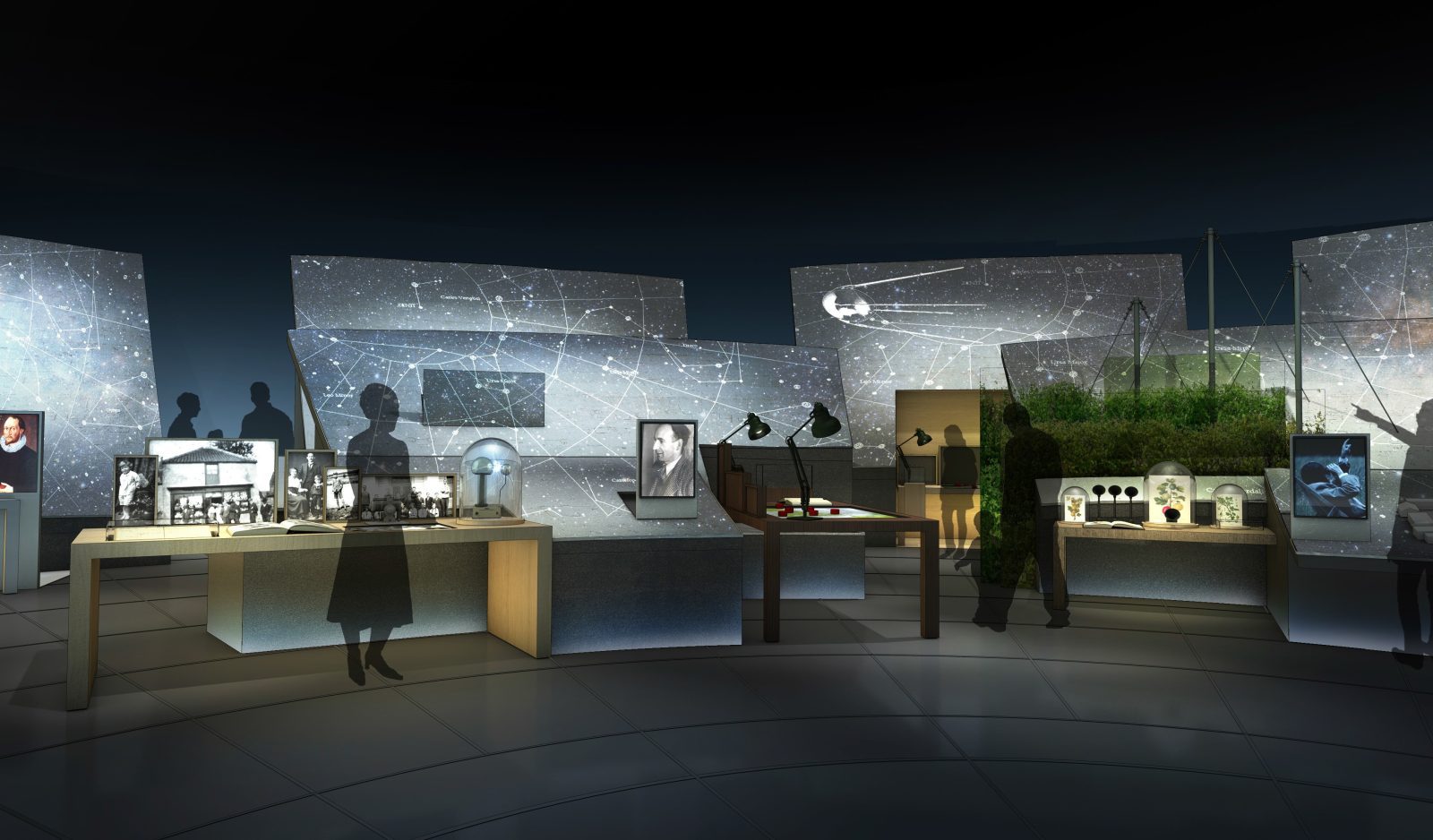
The First Light Pavilion – part of the wider First Light Project, which is all about telling the stories of its pioneering scientists and opening up the inspirational history of the important Cheshire site – will showcase archives and artefacts, together with animations and projections, when it officially opens to the public on 4 June 2022.
Visitors to the new attraction will be able to experience a meteor shower, crawl into a black hole, or even see like a snake.
The building itself was an original idea developed by Jodrell Bank professors Teresa Anderson and Tim O’Brien, was designed by the award-winning architect HASSELL Studio, and takes the form of a grass-topped 76m-diameter dome – which is said to “cleverly mirror the shape and scale of the landmark Lovell Telescope”.
Inside the pavilion, the First Light Exhibition will bring to life the Jodrell Bank story, which dates back to 1945, and is known as the birthplace of radio astronomy thanks to its exploration of the universe using radio waves instead of visible light.
ADVERTISEMENT
We're thrilled to be able to announce today the opening date for our beautiful new First Light Pavilion. We can't wait to be able to welcome visitors through our doors from 4th June 2022. https://t.co/iAOgcbwYyqpic.twitter.com/IrWlJPNiuT
Exhibition audiences will be able to see a range of fascinating archive materials brought together for the first time, including audio, film, diaries, letters, plans, notebooks, and photographs, with the highlight being the chance to see a number of personal items belonging to Jodrell Bank’s founder Sir Bernard Lovell.
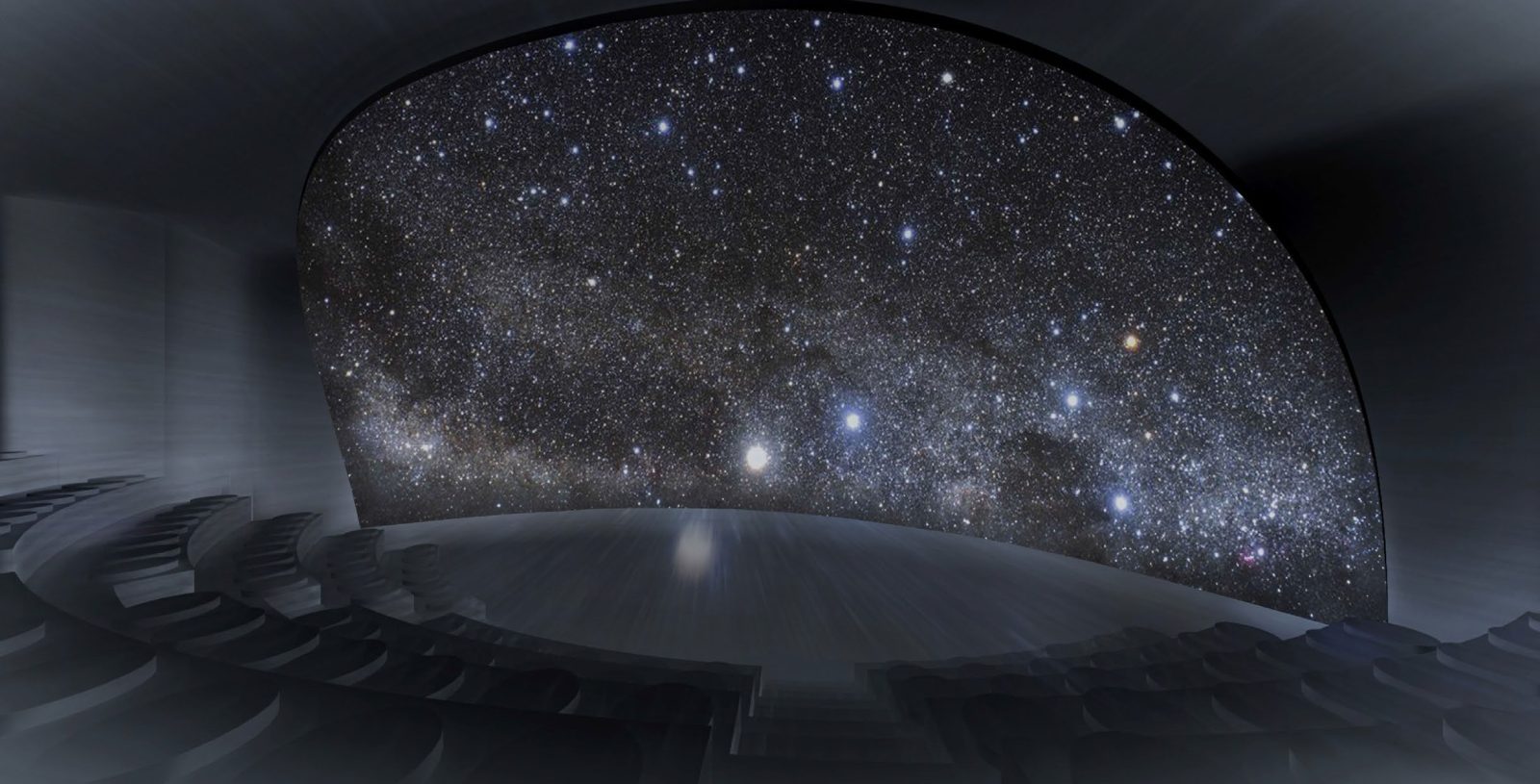
There’ll also be the opportunity to experience vivid planetarium-style shows in a custom-built auditorium, complete with a curved projection screen and nine digital projectors.
ADVERTISEMENT
A new temporary exhibition gallery will show the building’s construction processes, such as how the telescope panels were removed and restored to form the backdrop of the main exhibition, and a guided tour that takes visitors to previously-inaccessible parts of the Jodrell Bank site will also be launched later in the year.
The First Light Pavilion will showcase archives and artefacts, together with animations and projections / Credit: Jodrell Bank
A 130-cover café with a terrace overlooking the Jodrell Bank Arboretum and a menu using seasonal and sustainable produce is another part of the attraction.
Speaking ahead of the opening of the attraction, Professor Anderson – Director at the Jodrell Bank Centre for Engagement – said: “After years of planning, we are thrilled to finally be able to announce the opening of First Light – a moment [that] will mark a whole new chapter for Jodrell Bank.
ADVERTISEMENT
“We’re looking forward to welcoming our first visitors through the doors and in to this beautiful new space.”
Visitors can experience vivid planetarium-style shows in a custom-built auditorium / Credit: Jodrell Bank
The project has been made possible with funding from the National Lottery Heritage Fund.
The National Lottery Heritage Fund awarded £12.5 million to the project “so that the site’s powerful human stories of curiosity, exploration, and discovery could be shared with the public”, according to chief executive Eilish McGuinness.
She added: “Jodrell Bank is truly a unique heritage site, of national and international importance, with an inspirational story of Britain’s role as a leader in the science of the exploration of the universe.”
You can find more information about the First Light Pavilion here.
Featured Image – Jodrell Bank
News
Victim named and murder investigation launched after young woman is killed in Newton Heath stabbing
Emily Sergeant
The victim of a street stabbing in Newton Heath this week has been named for the first time as a murder investigation continues.
It comes after officers from Greater Manchester Police (GMP) responded to reports of a disturbance at around 2am yesterday (Thursday 15 October) on Dorking Avenue, in the Newton Heath area of Manchester, and when they arrived on the scene, they found a woman in her 20s with serious injuries that were ‘consistent with a stabbing’.
Despite best efforts of all emergency services involved, the young woman was sadly pronounced dead at the scene.
As the murder investigation progresses, the woman has now been publicly named and a photo of her has been released for the first time.
She has been named as 26-year-old Alisha Samuels.
At this time, one man, aged 25, has been arrested on suspicion of murder, and a man and woman, aged 61 and 38, have been arrested on suspicion of assisting an offender, and they all remain in custody – with officers continuing their enquiries to establish the full circumstances of this incident.
Alisha’s family have asked for privacy whilst they deal with the devastating loss of their loved one, GMP has stated.
“We are continuing to urge people who may have information in relation to this incident to please come forward to support our investigation and bring justice for Alisha,” the police force said in a public appeal.
Anyone who may have witnessed the incident, or has mobile phone, CCTV, or doorbell footage, is urged to call GMP on 0161 856 5464, or contact them via the Major Incident Public Portal here.
Alternatively, you can contact Crimestoppers on 0800 555 111
Featured Image – GMP (Family Handout)
News
Former supply teacher jailed for multiple upskirting and AI sex offences across Greater Manchester
Emily Sergeant
A former supply teacher has been jailed for multiple upskirting and AI sex offences in schools across Greater Manchester.
Abusali Rahman – a British national of Bangladeshi ethnicity from Salford – appeared in Bolton Crown Court this week for his sentencing after first being charged with, and then pleading guilty to, several offences.
The offences are including, but not limited to, 12 counts of taking an indecent photograph/pseudo-photograph of a child (images obtained by upskirting), three counts of making indecent photograph / pseudo-photograph of a child (making AI-generated images), and one count of attempting to meet girl under 16 following sexual grooming.
The offences are alleged to have taken place between December 2023 and June 2025, according to Greater Manchester Police (GMP).
Twelve girls have been identified in relation to the upskirting offences – aged between 13 and 16 at the time of the alleged offending – at seven high schools in three Greater Manchester boroughs (Bury, Bolton, and Salford).
GMP says it has remained in close contact with the schools, local authorities, and other partners throughout the investigation to ensure all appropriate support is in place for those who need it.
Additionally, the court also heard how Rahman amassed a collection of images of young girls, using AI and other methods to sexualise them.
The images numbered more than 300 in total, ranging from Category A to Category C classifications, and Rahman would post these on social media, often alongside humiliating and disgusting captions.
Rahman was sentenced to six years in prison, and will also be subject to a 20-year Sexual Harm Protection Order.
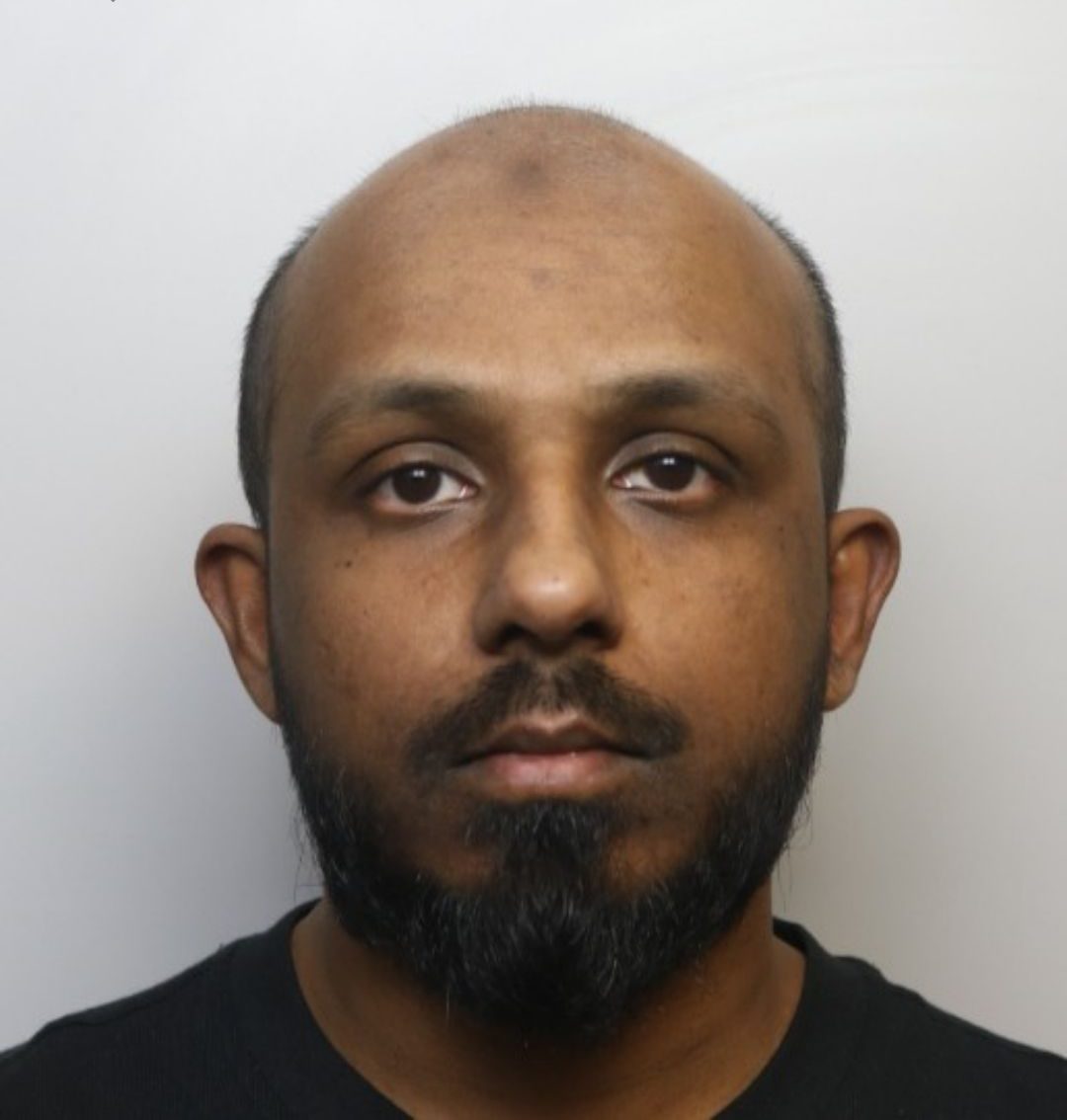
A former supply teacher has been jailed for child sex offences in schools across Greater Manchester / Credit: GMP
Detective Constable Lisa McGaffin, from GMP’s Bolton Child Protection Team, described Rahman’s crimes as ‘absolutely abhorrent’.
“My thoughts throughout this process have always been with the young girls who have been subject to such indignity,” DC McGaffin said following the sentencing this week. “Their welfare and support will always be a priority for us.
“While working as a teacher – someone who young children should trust and be safe with – Rahman repeatedly took secret photos for his own sick gratification, before posting images online which showed his total disregard for the girls’ respect and dignity.

 Emily Sergeant -
15th March 2022
Emily Sergeant -
15th March 2022