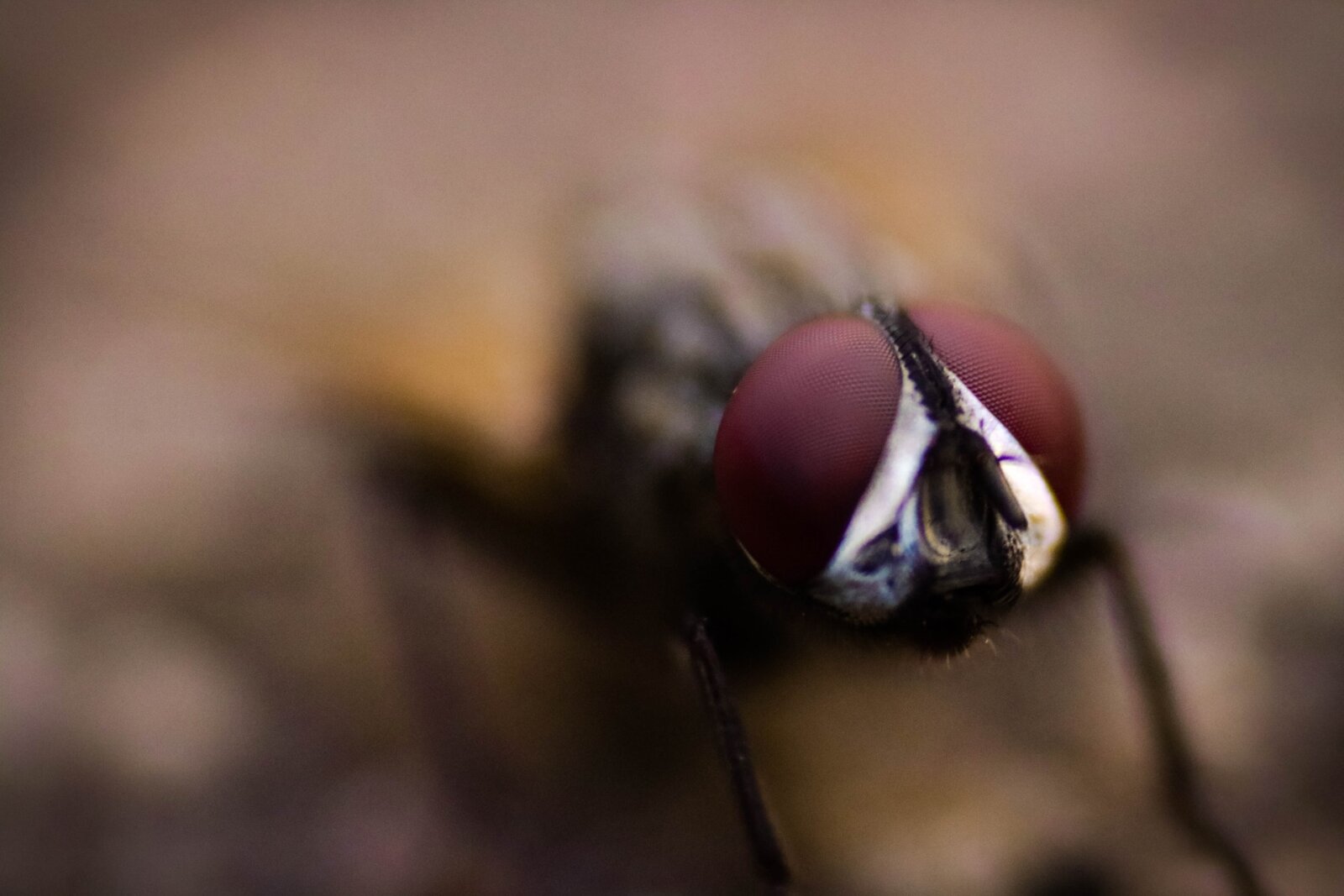
A woman has found a simple solution to stop flies entering the house
A social media user says she was inspired to give the hack a go after seeing people talk about it online, and many others have since claimed to see results by using the same method.
Buzzing around bins. Whizzing aimlessly around living rooms. Knocking themselves repeatedly against windows.
Around this point of the season, these pesky little creatures seem to get more numerous by the day.
But one woman claims to have a found a simple hack to stop flies from entering your home this summer: Coins in liquid.
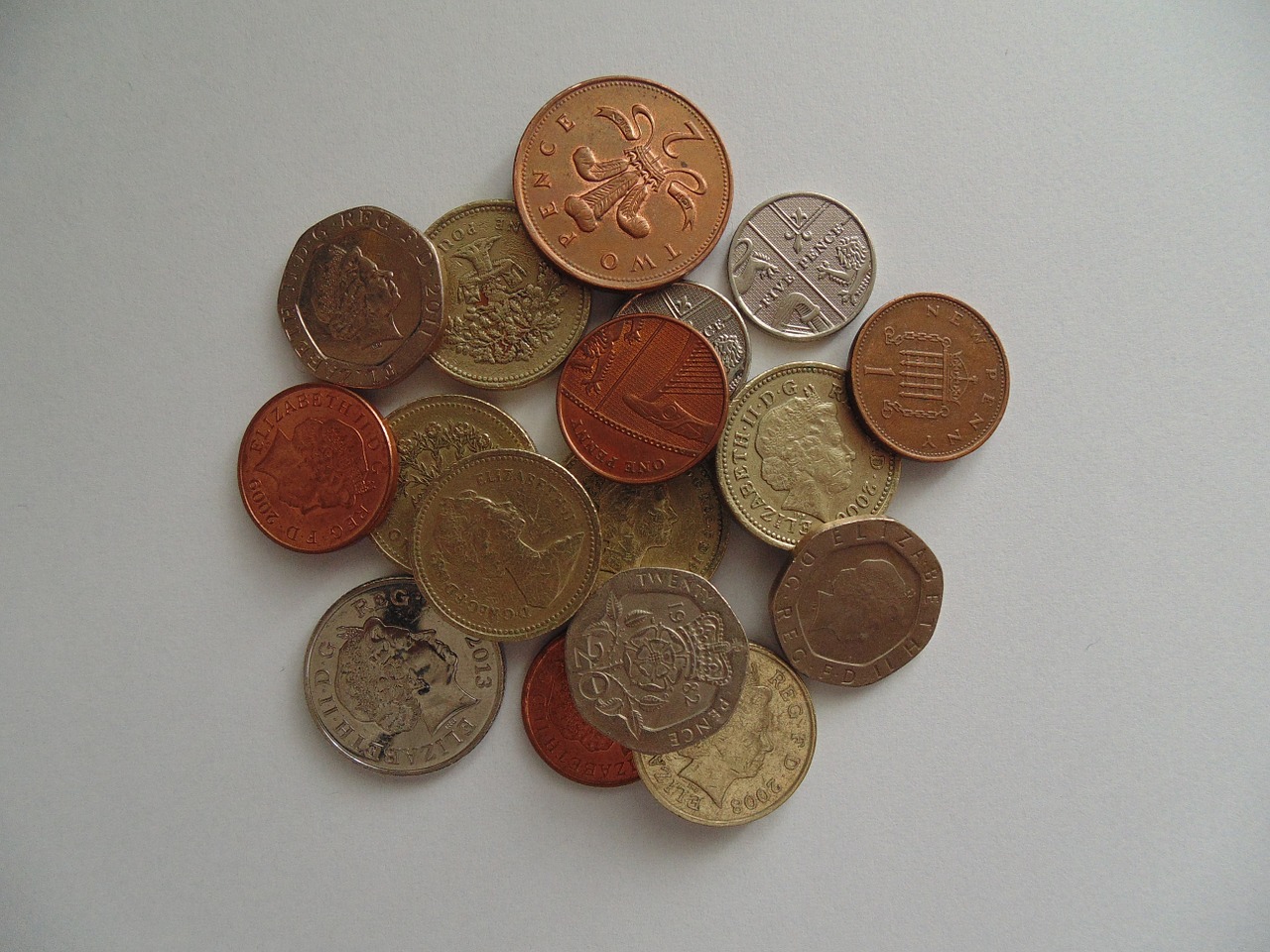
Facebook user Alison Turnball Halliday shared the trick online; posting an image of some shrapnel dunked in a small bag of water; tied tight with a plastic fastener.
ADVERTISEMENT
She then left the bag on the ground outside her patio doors – and apparently hasn’t seen a single fly since.
Needpix
Weird, right? But apparently, this is not a new trick.
ADVERTISEMENT
Alison says she was inspired to give the hack a go after seeing others talk about it, and fellow homeowners claim to have seen results by using the same method.
It remains unclear why flies are unsettled by the sight of coins in water, with some speculating it could be to do with refracted light.
Either way, it might be worth trying if bugs are giving you bother this year.
ADVERTISEMENT
All you need to do is bag up some coins, fill up with water, fasten it shut, and hang or place the bag around your window/door.
Hopefully, this will keep those pests away.
News
NHS releases list of first conditions set to be eligible for new ‘online hospital’
Emily Sergeant
The first conditions that are set to be eligible for video appointments via the new NHS online hospital have been revealed.
In case you hadn’t heard, back in September of last year, the Government has announced that the NHS would be setting up an ‘online hospital’ known simply as NHS Online – which will not have a physical site and instead digitally connect patients to expert clinicians anywhere across the country.
Ultimately, this means patients can be seen faster than normal, as teams triage them quickly through the NHS App and let them book in scans at times that suit them at centres closer to their home.
NHS Online – which will begin to see its first patients in 2027 – is expected to deliver the equivalent of up to 8.5 million virtual appointments and assessments in its first three years, according to the NHS, which is four times more than an average NHS trust.
And now, the NHS has selected nine ‘common’ conditions which will be the first to be treated by the NHS Online service.
📲 Introducing NHS Online 📲
A new digital hospital will transform healthcare.
From 2027, you'll be able to get specialist care:
✅ straight to your home via the NHS App ✅ faster than a traditional hospital appointment ✅ wherever you live in England
Women’s health issues, including severe menopause symptoms and menstrual problems that can be a sign of endometriosis or fibroids, will be among the conditions available for online referrals, as will prostate problems like prostate enlargement and a raised prostate specific antigen (PSA) level, along with eye conditions including cataracts, glaucoma, and macular degeneration.
NHS Online will also provide support for other painful and distressing conditions, such as iron deficiency anaemia and inflammatory bowel disease (IBD).
So, how will NHS Online work then? Well, when a patient has an appointment with their GP, they will have the option of being referred to the online hospital for their specialist care instead, and then from there, they’ll be able to book directly through the NHS App.
Once referred to the online hospital, patients will have the ability to see specialists from around the country without leaving their home or having to wait longer for a face-to-face appointment.
The NHS has released a list of the first conditions set to be eligible for the new ‘online hospital’ / Credit: Nordwood Themes (via Unsplash) | rawpixel
If they need a scan, test, or procedure, then they’ll be able to book this in at a time that suits them at Community Diagnostic Centres closer to home.
Patients will also be able to track their prescriptions and get advice on managing their condition at home too.
“We’ve selected nine common conditions which the NHS Online service will initially provide support for when it launches next year, including some women’s health issues as well as prostate problems,” commented Professor Stella Vig, who is the National Clinical Director for Elective Care at NHS England.
“We know that these conditions can be painful and difficult to cope with so providing faster, more convenient access to diagnosis and treatments will have a real and positive impact on people’s lives.”
Junk food adverts are now banned on TV before 9pm in the UK to ‘protect’ kids’ health
Emily Sergeant
Junk food advertisements are now banned on television before 9pm in the UK in a bid to help protect children’s health.
In what is being considered a ‘landmark’ move by the Government, as of today, adverts for less-healthy food and drinks will be banned on television before 9pm and online at all times, as part of world-leading action that is expected to remove up to 7.2 billion calories from children’s diets each year, and reduce the number of children living with obesity by 20,000.
It’s also expected that this ‘decisive’ action will deliver around £2 billion in health benefits over time.
According to the Government, evidence shows that advertising influences what and when children eat – shaping their preferences from a young age, and ultimately increasing the risk of obesity and related illnesses.
At the start of primary school, 22.1% of children in England are overweight or living with obesity, and this rises to 35.8% by the time they leave.
Junk food adverts are now banned on TV before 9pm in the UK / Credit: Alan Hardman | Kobby Mendez (via Unsplash)
This change is part of a range of measures that the Government is taking to ‘lift children out of poverty’ and help give them the ‘best start’ in life – with other measures being the introduction of the Healthy Food Standard, and giving local authorities the power to stop fast food shops opening outside schools.
“We promised to do everything we can to give every child the best and healthiest start in life,” explained Health Minister Ashley Dalton, as the junk food advert ban comes into force.
“By restricting adverts for junk food before 9pm and banning paid adverts online, we can remove excessive exposure to unhealthy foods – making the healthy choice the easy choice for parents and children.
“We’re moving the dial from having the NHS treat sickness, to preventing it so people can lead healthier lives and so it can be there for us when we need it.”
Featured Image – Karolina Kołodziejczak (via Unsplash)