The Prime Minister allegedly met with top civil servant Sue Gray in secret to tell her to abandon her report into Partygate.
According to reports inThe Times, Boris Johnson suggested that Sue Gray should not publish her long-awaited report into Partygate during a secret meeting organised by Downing Street.
A source told The TImes: “He asked her is there much point in doing it now that it’s all out there, […] He was inferring that she didn’t need to publish the report.”
It follows an admittance by his team yesterday that it had requested a face-to-face meeting between the top civil servant tasked with investigating endemic Covid rule-breaking in Downing Street and Whitehall.
Previously, Downing Street had maintained that Sue Gray requested the meeting and refused to reveal what had been discussed.
ADVERTISEMENT
Speechless.
We now know the reason the PM met with Sue Gray, was to ask her not to release the report.
Despite the meeting, it is believed that Sue Gray could release her report as early as Wednesday morning.
The news follows the release of photographs apparently showing the Prime Minister drinking at a party in No.10 when, eight days before, he had banned people from socialising indoor with people outside their household and weddings were not allowed.
ADVERTISEMENT
Mr Johnson wasn’t fined for attending the event, but others were – including at least one other person pictured in the photographs.
Asked by an MP in the House of Commons on 8 December last year whether there had been a gathering on that date, the Prime Minister said there was not.
He told Labour MP Catherine West : “I am sure that whatever happened, the guidance was followed and the rules were followed at all times.”
ADVERTISEMENT
The Prime Minister is now open to the charge of knowingly misleading parliament.
A Downing Street source has said that the fact the Prime Minister had his red box and was ‘dropping in on a leaving do for a colleague’ made the case that he was ‘believed he was working’.
The Mayor of London Sadiq Khan, who oversees the Metropolitan Police, has this morning joined calls for the force to explain why they didn’t fine Boris Johnson for attending the lockdown party.
He told the BBC’s Radio 4 Today Programme that the force should set out its thinking behind the decision not to fine the Prime Minister, after the release of new photographs byITVNews on Monday night.
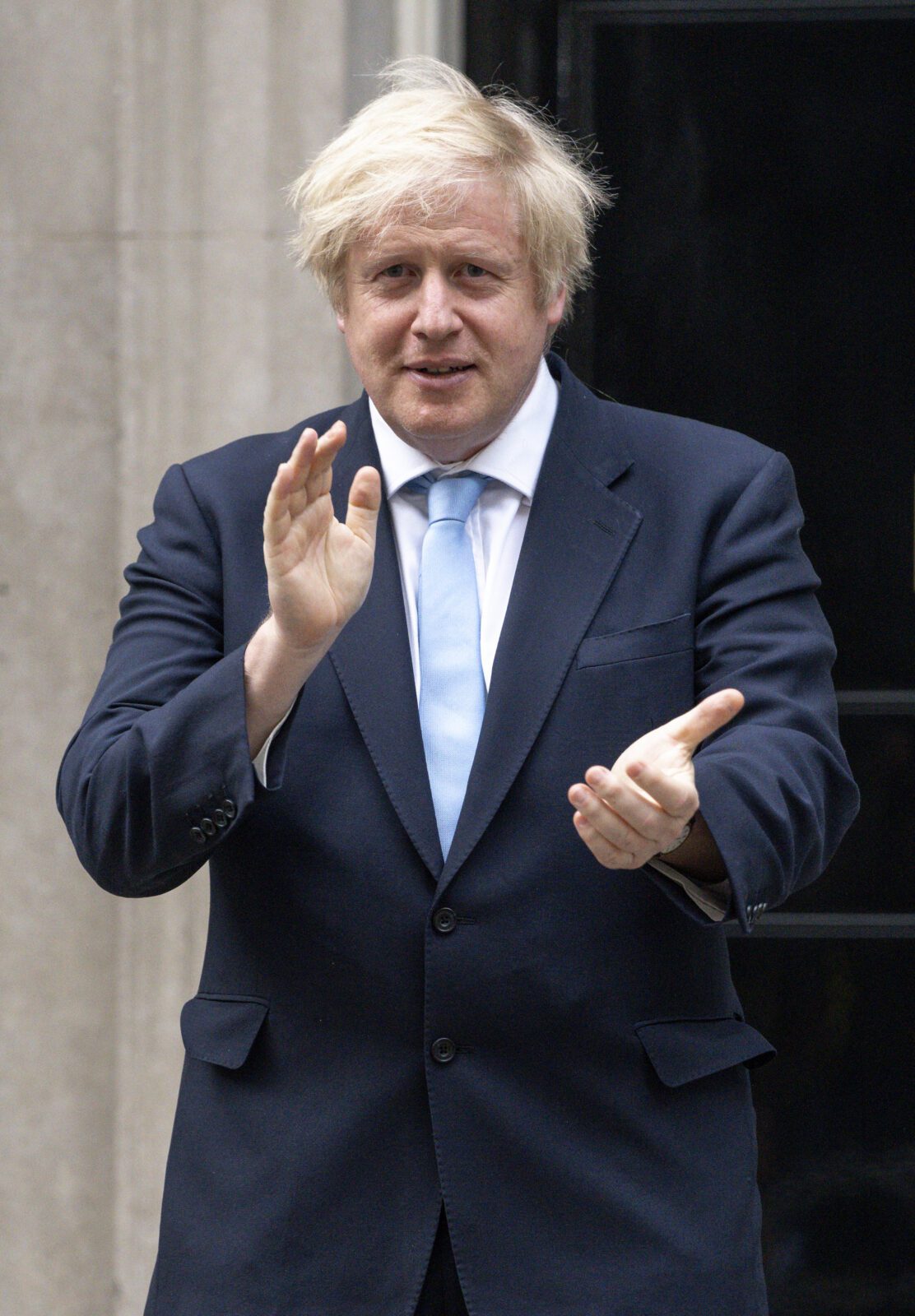
21/05/2020. London, United Kingdom. Prime Minister Boris Johnson and Chancellor Rishi Sunak join the Nation in the ‘Clap for our Carers’ at 8pm outside 10 Downing Street, to give thanks to the NHS and Key Workers during the Covid-19 pandemic. Picture by Pippa Fowles / No 10 Downing Street.
Mr Khan said: “I think it’s important when it comes to trust and confidence, when it comes to policing by consent, when it comes to questions being asked about the integrity of an investigation, that the police explain why they reached the conclusions they have.”
ADVERTISEMENT
Police announced they had concluded their Partygate investigation on Thursday after handing out 126 fines for 10 gatherings.
Mr Johnson received one fixed penalty notice for attending an illegal gathering, despite evidence that he was also present at others.
The Liberal Democrats have now asked the Police Watchdog to investigate the Met’s decision.
Huge shuttle bus effort laid on to get Manchester United fans to Old Trafford amid tram disruption
Daisy Jackson
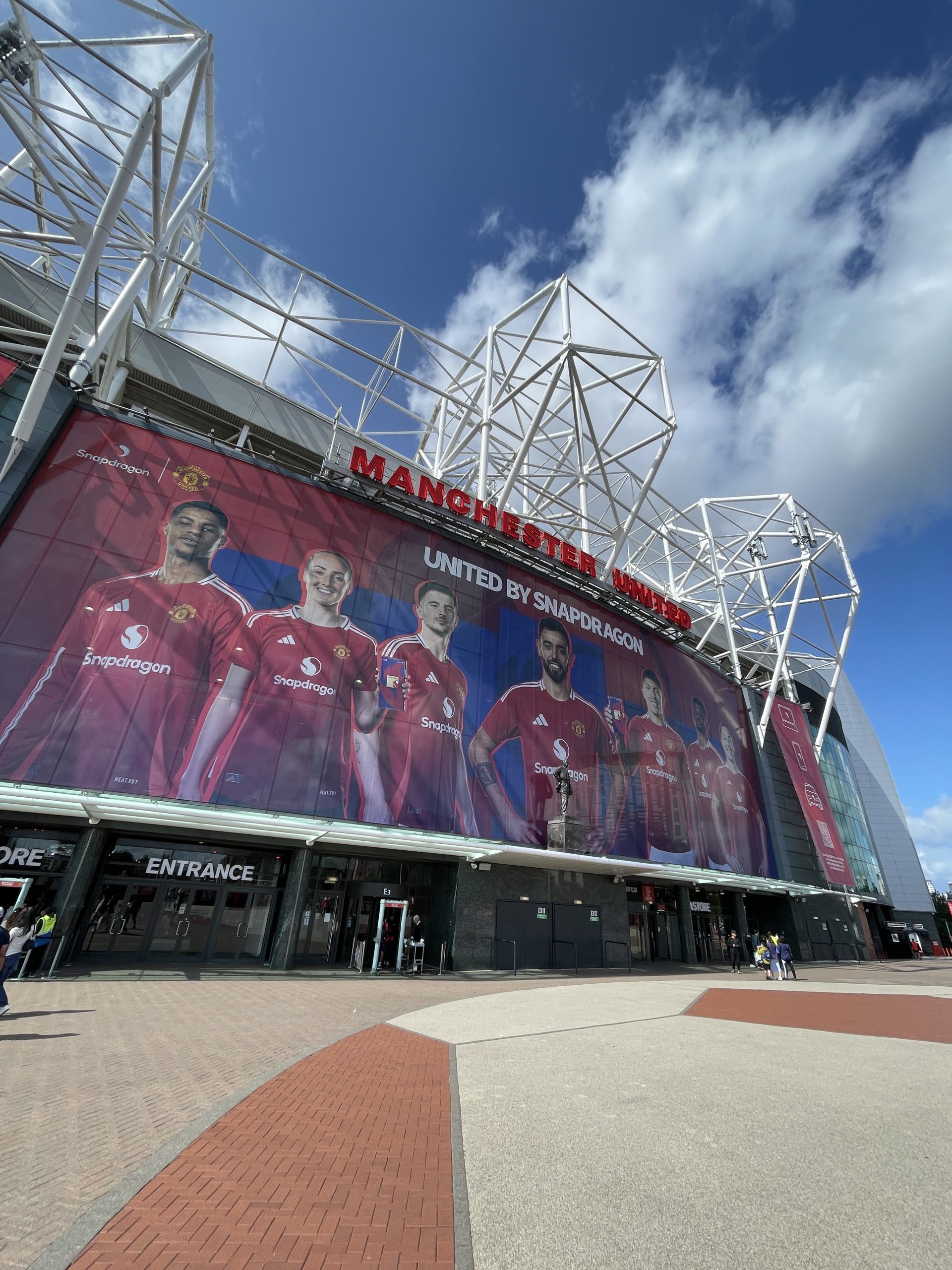
Transport for Greater Manchester has announced a shuttle bus scheme to help Manchester United fans get to Old Trafford this week, amid major tram disruption.
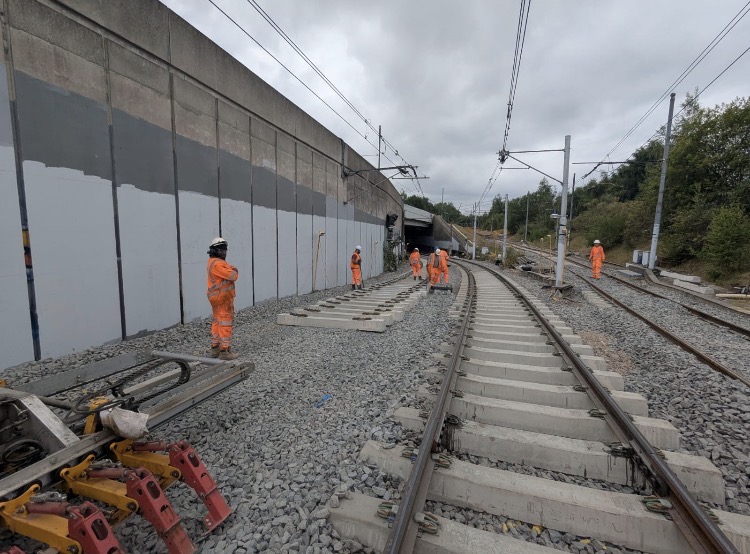
Fans won’t be able to use trams to get to the ground as usual, due to huge improvement works which are in place until Monday 2 November.
There’ll be no trams at all on the Altrincham, Trafford Park, and Eccles lines, with Airport and East Didsbury trams only going as far as Firswood.
That means that fans heading to Manchester United’s home game against Bournemouth would have been a little stuck without this newly-announced shuttle bus service.
Frequent dedicated shuttle buses will run running Piccadilly Gardens, Altrincham Interchange and the Trafford Centre, taking fans directly to Old Trafford before the game.
Frequencies range from five to 20 minutes depending on the route and time, with details available online. Return services will be in place after the final whistle.
TfGM staff will be at key stops and interchanges throughout the day to help fans get to the match and provide travel advice.
Huge shuttle bus effort laid on to get Manchester United fans to Old Trafford amid tram disruption. Credit: TfGM
Ian Davies, TfGM’s Network Director for Metrolink, said: “There is no good time to disrupt passengers to carry out these works, and this is the first time in over a decade that trams won’t serve Old Trafford on a match day, but these works are essential and will enable us to provide a better service in future. I am very sorry to fans who face disruption.
“We’ve put a range of alternative travel options in place, including dedicated shuttle buses, bolstered Bee Network bus services, rail options and ticket acceptance arrangements will help fans get to and from the game.
“Journey options will be different from usual, so we would encourage supporters to plan ahead, check their route and our website before they travel and leave plenty of time to get to and from the stadium.”
TfGM is advising supporters to leave around an hour earlier to help make sure they arrive in time for kick-off.
Andy Burnham introduces new rules to tackle ‘rip-off’ parking charges
Daisy Jackson
City centre parking is at a premium, especially in a city like Manchester – but we’ve surely all made honest mistakes when paying and been slapped with eye-watering fines as a result.
Well now, Andy Burnham has announced a new Private Parking Code of Practice, which will clamp down on ‘rip-off’ private parking charges.
It will also make it easier for drivers to challenge unfair charges, capping charges for ‘smaller slip-ups’ at £20, and scrapping charges altogether on appeal for ‘honest mistakes’.
The new Code will get drivers a guaranteed five minutes to decide whether to park and 10 minutes to leave once their session ends.
Under the new Private Parking Code of Practice laid in Parliament today, you’ll be able to appeal to have all charges scrapped for honest mistakes like stopping briefly to check directions, and for situations like a medical emergency, breakdown or broken ticket machine.
Then charges will be capped at £20 for other mistakes such as forgetting a parking permit, entering the wrong vehicle’s registration or forgetting to confirm it in the machine when parking.
The Code also freezes the maximum parking charge at £100. Operators who don’t comply risk losing access to DVLA data, meaning that even if they issue a charge, it will be far more difficult to identify the registered owner to pursue payment.
Data shows just under 17 million private parking charges were issued in the UK last year alone.
Prime Minister Andy Burnham said: “Being a few minutes late back to your car or typing one digit of your numberplate wrong shouldn’t end with a hefty fine landing on your doormat.
“These charges leave people feeling ripped off and out of pocket, so I’m putting a stop to them.
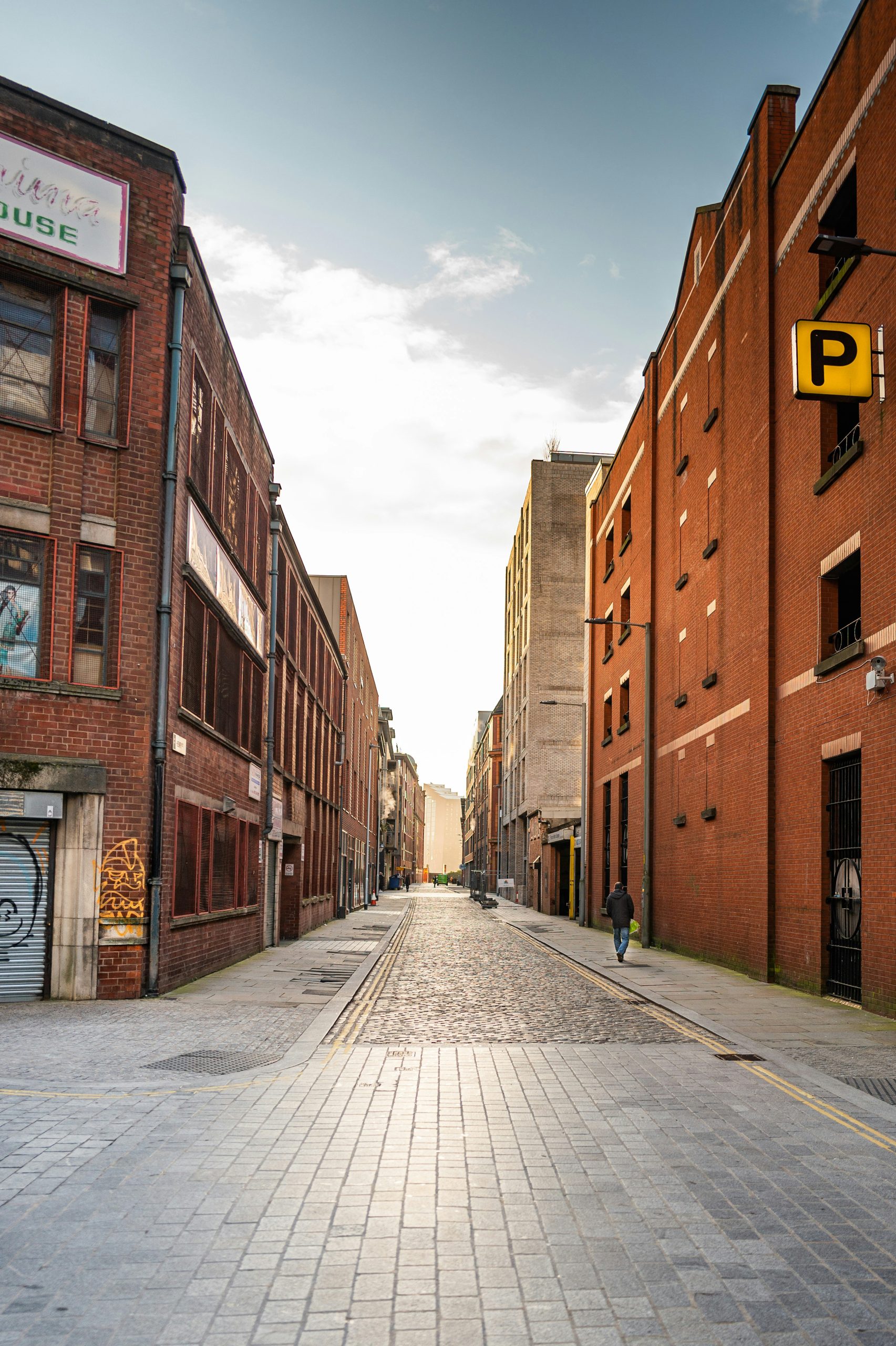
Andy Burnham introduces new rules to tackle ‘rip-off’ parking charges. Credit: Unsplash, Samuel Isaacs
“We are introducing clearer rules, longer grace periods and lower charges for genuine mistakes, while going after the deliberate scams that rip drivers off.”
Secretary of State for Housing, Communities and Local Government Angela Rayner said: “Parking should be straightforward, not another everyday hassle. These changes mean drivers get a fairer deal, protected time to park and leave without fear of being unfairly charged, and confidence that private parking providers are held to a higher standard.
“It’s yet another step forward in this government’s plan to take the stress out of everyday life and ease the pressure on people’s pockets.”
Minister for Consumer Action, Kate Dearden, said: “Nobody works hard for their money just to be deceived by a dodgy trader, and this is exactly the kind of everyday rip-off this government is going after.
“By making it easier to take action against car clocking, we are protecting consumers’ hard-earned money and supporting businesses that play by the rules.”

 Georgina Pellant -
24th May 2022
Georgina Pellant -
24th May 2022