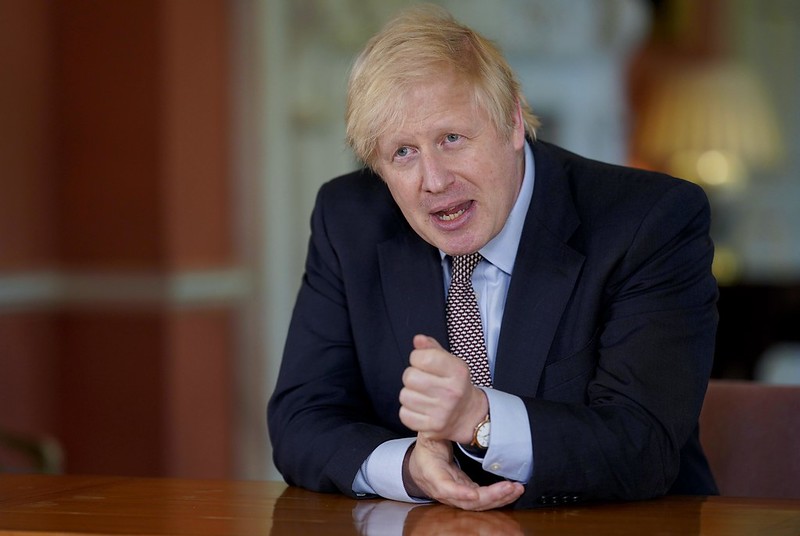
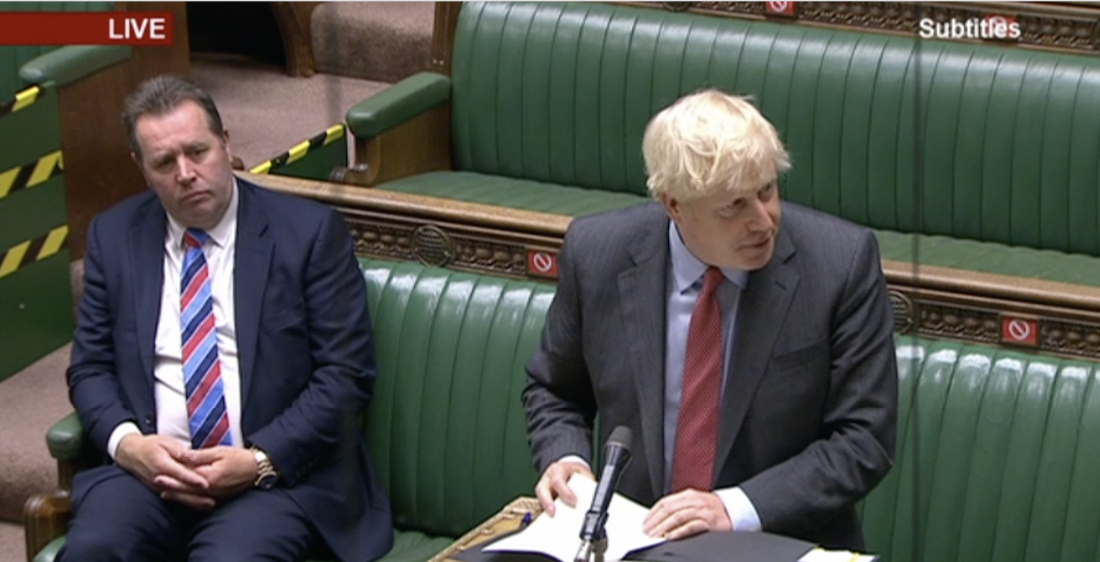
Boris Johnson confirmed in the House of Commons today that the government would be implementing new restrictions to tackle the rise of COVID cases in Britain.
The Prime Minister said that office workers should now work from home where possible.
From Thursday, pubs, bars and restaurants in England must operate table service only – closing at 10pm.
The legal requirement to wear face coverings will be extended to retail, taxis and hospitality (unless drinking/eating), whilst COVID-secure guidelines will now become law.
Fines of £10,000 will be issued to businesses who do not adhere to the new rules.
ADVERTISEMENT
Those who do not wear a face covering where required to do so may also be liable for £200 fines – even for a first offence.
From Monday, a maximum 15 people can attend weddings and receptions. Up to 30 can attend funerals.
ADVERTISEMENT
Reintroducing sports fans to stadiums will not go ahead on October 1 as originally planned.
The Prime Minister gave the statement to his fellow politicians at Westminster on Tuesday afternoon, praising the fortitude of the British people but admitting the UK had reached “a perilous turning point.”
The announcement came just over 24 hours after a presentation from top medical advisers Professor Chris Whitty and Sir Patrick Vallance – which revealed British cases could reach 50,000 per day.
ADVERTISEMENT
Johnson also used Spain and France as examples of how the numbers would grow “unless we act”.
Reports had already speculated that England’s hospitality sector would be subjected to new restrictions.
Michael Gove had also hinted at tighter measures during an appearance on BBC Breakfast, admitting the government were set to make a u-turn on their ‘Back to Work’ plan; changing their tune to ask for people to work from home instead.
As many as 11 million UK residents are currently living under social curbs.
Fines of up to £10,000 will also be introduced from Monday to anyone who does not self-isolate when asked/required to do so.
News
How will the Government’s new digital ID alternative for alcohol sales work?
Emily Sergeant
All licensed venues across England and Wales now have the choice to introduce digital proof of age for alcohol sales alongside physical.
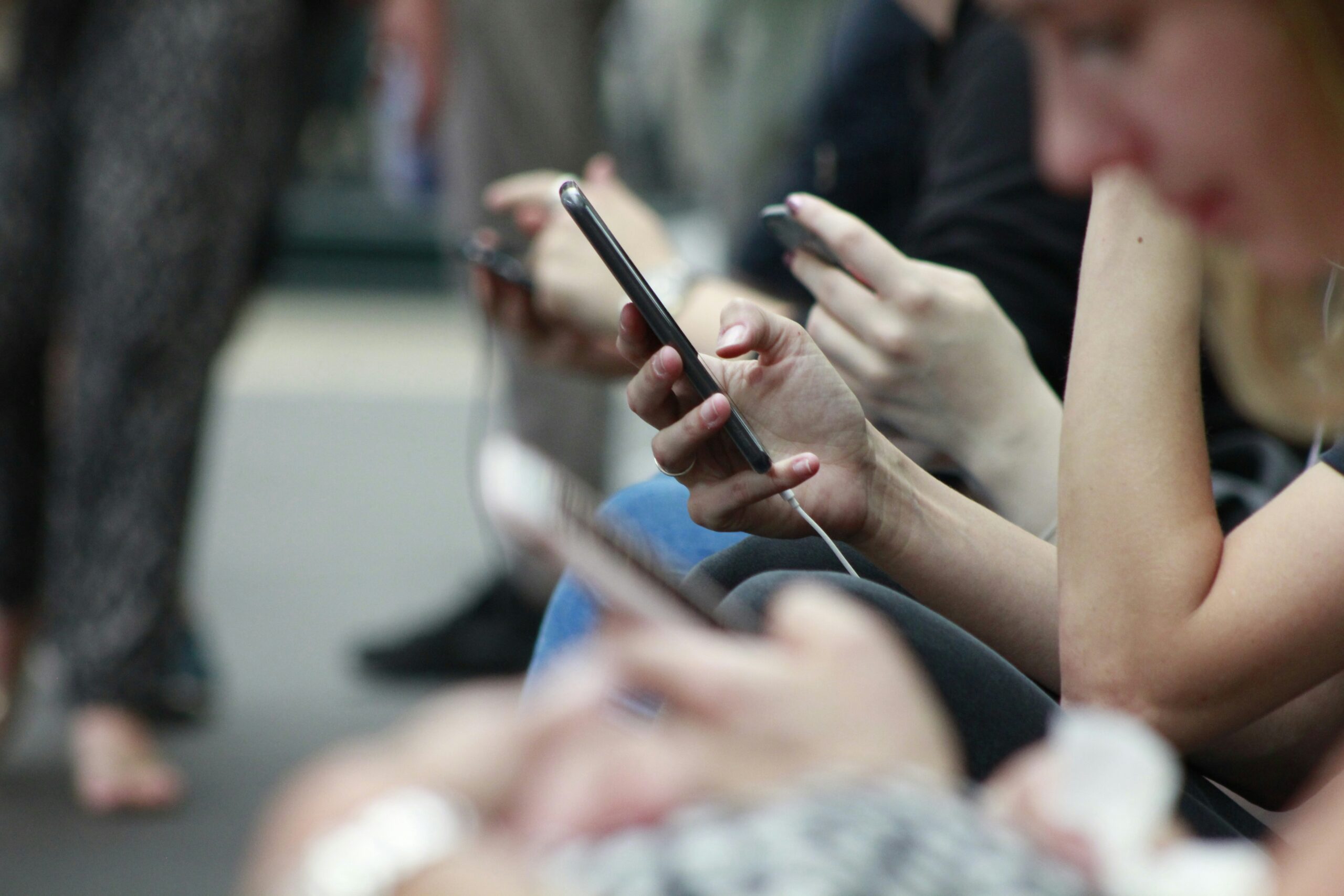
Instead of having to hand over physical ID that contains personal information, such as names and home addresses, customers now have the choice to simply provide confirmation that they are 18 or over on their phone – helping to better protect privacy and personal safety in the process.
This means that, no matter whether you’re buying a drink at your favourite pub, heading to a festival, or enjoying a night out at a concert, you won’t need to worry if you’ve left your ID at home.
According to the Government, this new change will benefit businesses greatly too, as certified digital services are able to check that an ID is genuine and belongs to the person presenting it much easier than the alternative can, which therefore helps to reduce the risk of any fake or borrowed IDs going undetected.
Well, according to the Government, it could be as simple as a customer showing a QR code for staff to scan, or tapping their phone against a compatible reader, where staff will then receive a clear confirmation on their device that the customer has passed the age check.
This change follows a 2024 Government consultation where it was reported that 72% of respondents supported the use of digital identities for age verification when buying alcohol.
Digital Government Minister Stephanie Peacock reiterated that ‘it will remain an individual or business’ choice whether to use or adopt [digital ID]’ and that physical ID will ‘still remain a valid way’ for customers to prove their age.
“This groundbreaking change in the law will mean you do not need to carry a physical ID, nor hand over sensitive personal information such as your name or address just to prove your age, allowing everyone to feel safer on a night out,” she concluded.
Featured Image – Robin Worrall (via Unsplash)
News
Manchester to host G20 Summit in 2027 with more than a dozen world leaders descending on the city
Emily Sergeant
Manchester has been confirmed as the host city for the G20 Summit next year.
It was already announced back in November last year that the G20 Summit would be coming to the UK in 2027, and plans were apparently already being discussed to host it in Manchester even before Andy Burnham became Prime Minister and Number 10 North was set up.
But now, ahead of this year’s leaders’ summit being held in Miami in December, it has been confirmed that the G20 Summit will arrive in Manchester in November 2027.
Manchester is said to have been picked to host the leaders’ summit because of its ‘cultural heritage’.
Bringing together 19 of the world’s largest economies and two major multilateral bodies – the European Union and the African union – G20 members who will be invited to attend the summit next year make up 85% of global GDP, 75% of international trade, and two-thirds of the world’s population as a whole.
Manchester has been confirmed to host the G20 Summit in 2027 / Credit: 10 Downing Street | Paul Kagame (Flickr)
G20 members are also some of the UK’s closest economic partners, the Government insists.
17 of the UK’s top 20 global export markets attend the summit, as do 18 of the UK’s top 20 sources of foreign direct investment.
The presidency of the G20 is currently held by the US but will pass to the UK after the leaders’ summit hosted by the president at his Trump National Doral Miami golf resort in December.
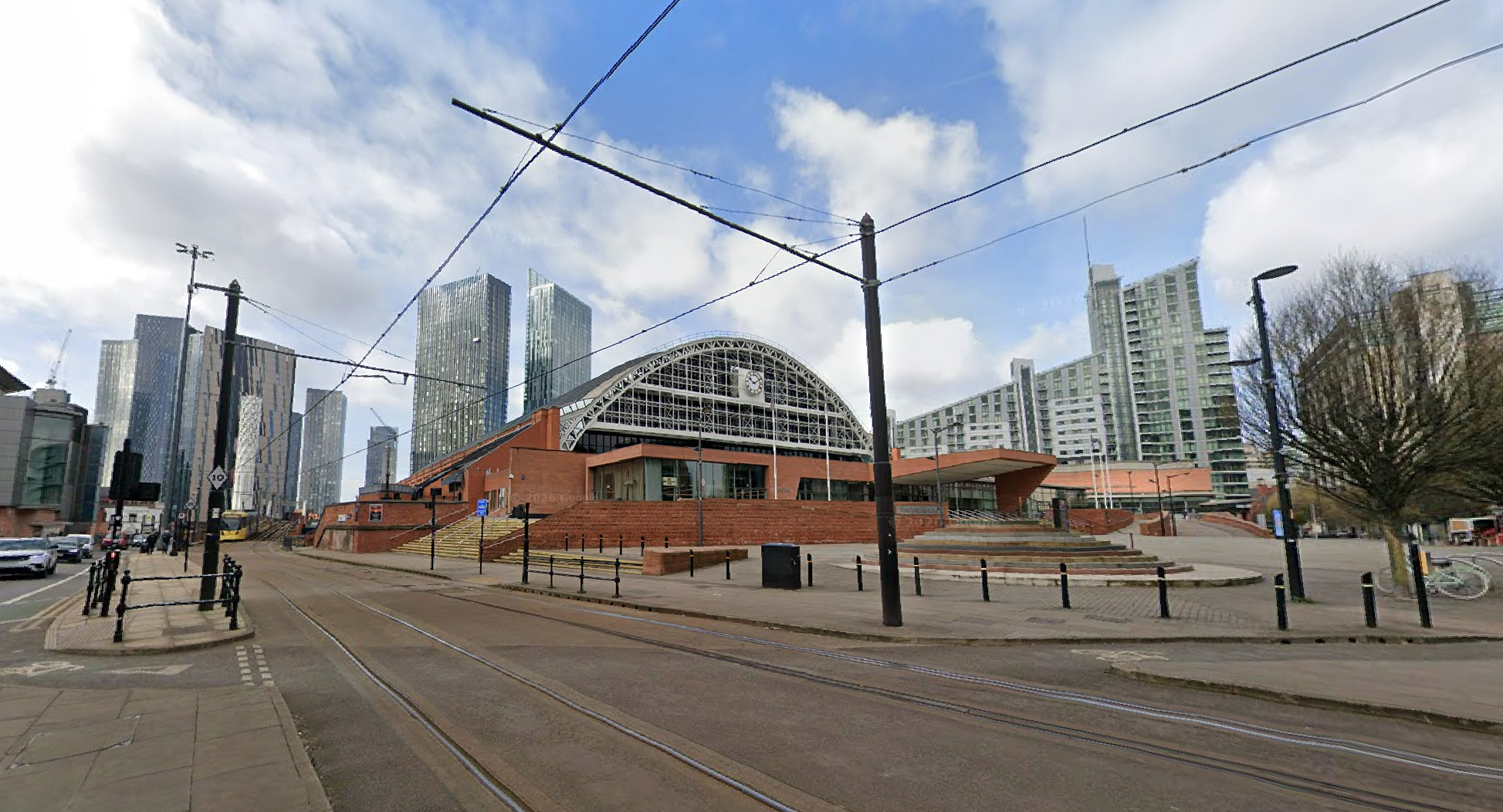
The 2027 summit will be held at Manchester Central, it has been confirmed, and other locations across the UK will also host other G20 events as part of the year-long presidency, but these are yet to be announced.

 The Manc -
22nd September 2020
The Manc -
22nd September 2020