Campaign group Trees Not Cars block council from putting car park next to school
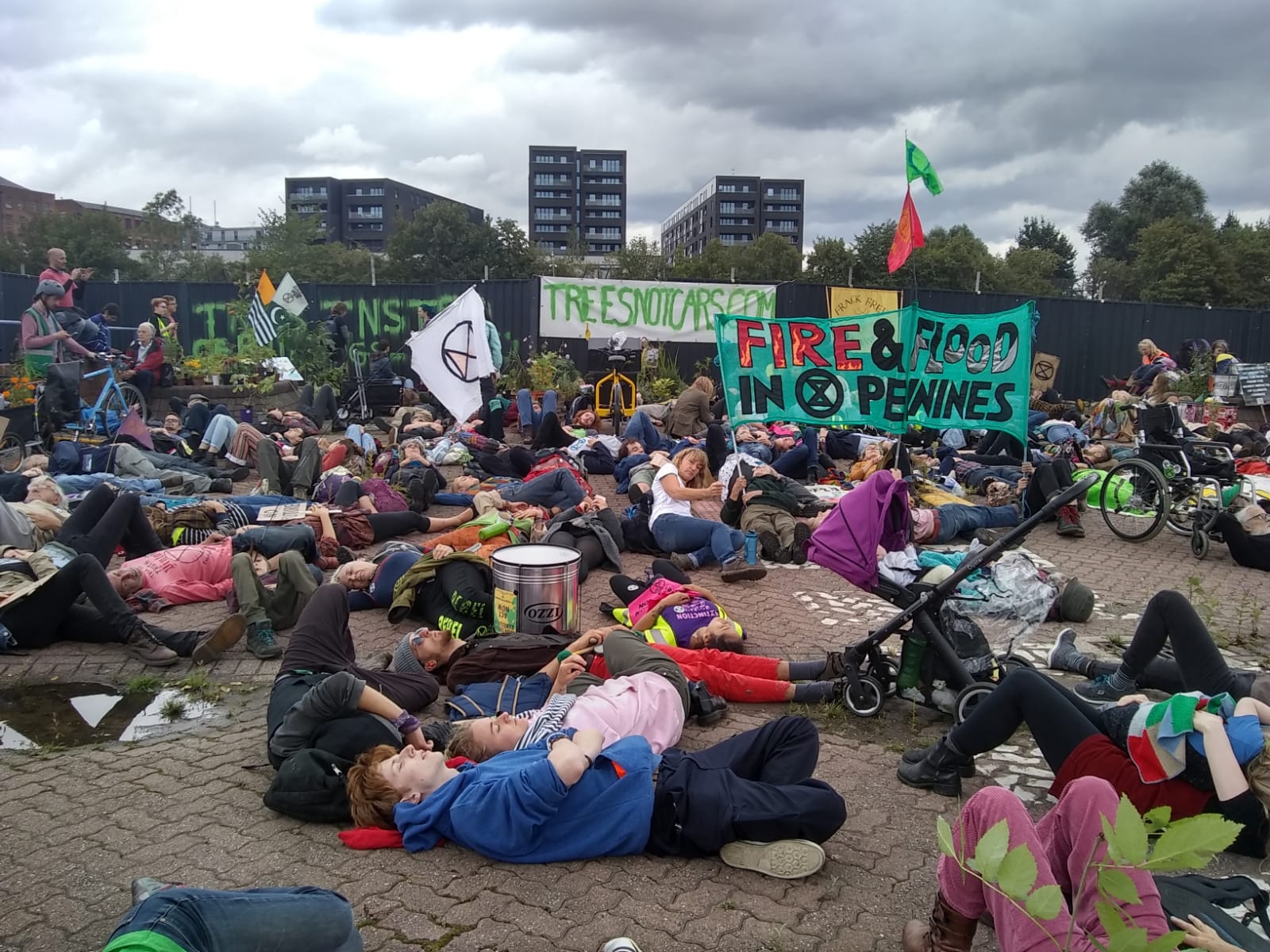
Community campaign group Trees Not Cars has won a judicial review against Manchester City Council - preventing the former retail space in Ancoats from becoming a car park.
Community campaign group Trees Not Cars has won a judicial review against Manchester City Council – preventing the former retail space in Ancoats from becoming a car park.
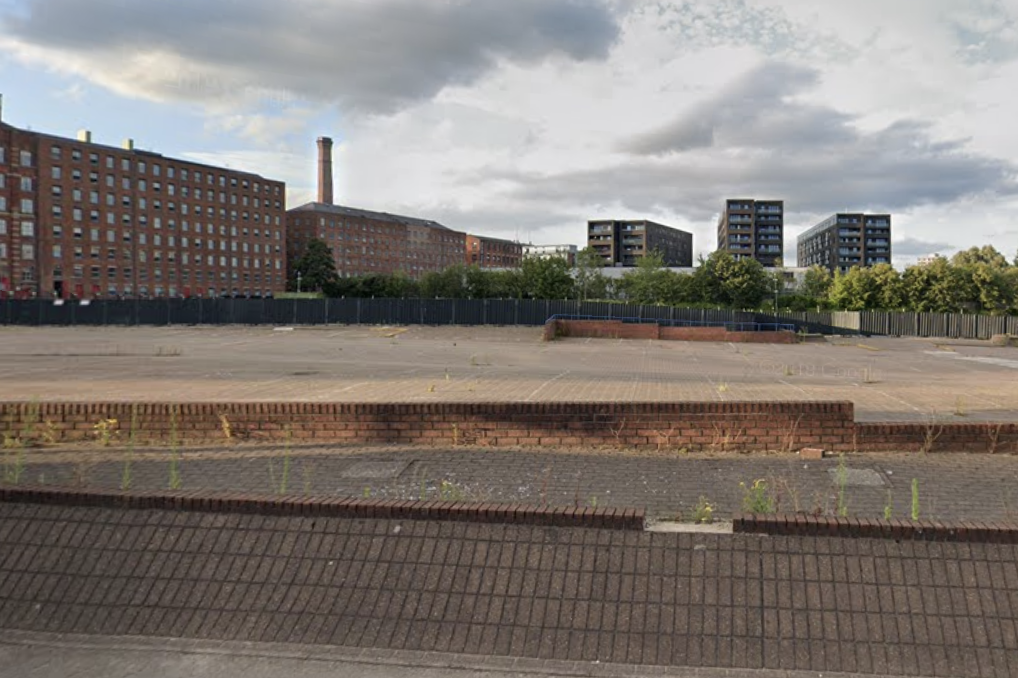
In 2019, the council’s planning committee voted to use the former Central Retail Park as a 440-space car park for two years – despite a petition with over 9,000 signatures protesting the move.
Trees Not Cars declared the site should be used for green space and social housing given its proximity to New Islington school.
Arguing the plans lacked any community input, the campaign group took the council to court.
On Friday (February 19), a judge ruled in favour of Trees Not Cars, claiming that the council had “failed to consider the impact of air quality on the local area around Ancoats” or “consider the impact of building a polluting 440-space car park next to the only primary school in Manchester city centre”.
ADVERTISEMENT
The decision was also declared unlawful in that the “council recommended planning approval based on the wrong information, the wrong air quality assessment, and traffic analysis.”
Manchester City Council said it was “disappointed” by the ruling and has sought leave to appeal.
Gemma Cameron, a founder of Trees Not Cars, claimed the case was a landmark, having never heard of a community group defeating the council in a legal challenge.
“We have stopped the council from putting a car park next to a primary school,” she stated.
“It shows that organised community groups can take on Manchester City Council and win. It’s time for communities to fight back.”
ADVERTISEMENT
Julia Kovaliova, a lead organiser of Trees Not Cars, said she will “sleep easier at night” given her son – who attends New Islington Free School near to the site – will not be exposed to greater levels of air pollution.
“Our victory must be a wake-in up call for the council, who can’t continue to prioritise car parks and offices over clean air and green space,” she said.
“They must now go back to their plans for Central Retail Park and include significant green space with trees, grass, and playgrounds for families.”
Image: Google Maps
Manchester City Council said the “judgement does not affect the future of this site.”
A spokesperson stated: “The reason we have contested this judicial review was not about its implications for the former Central Retail Park site but the precedent it would set and the potential impact of this decision on future applications if insufficient weight was given to the previous use of sites – in this case as the car park for a retail park.
ADVERTISEMENT
“Since temporary planning permission was granted in 2019 it has not been used as a car park and it will not be before the planning permission expires in October this year.”
The statement continued: “We remain focused on bringing forward the development of this key site as soon as possible. The creation of a net zero carbon business district, with public space at its heart and as little car use as possible, will support thousands of vital new jobs for Manchester people and play a powerful part in the city’s recovery from the economic impacts of the pandemic. It is a more appropriate use for this site, right next to the inner relief road, than a park.”
The council did however state that is recognised calls for more green space and would integrate the site with an “improved Cotton Field Park”.
News
Charli XCX announces massive Manchester arena gig as part of long-awaited UK and European tour
Emily Sergeant
Charli XCX has finally given UK fans the news they’ve been waiting for.
After the genre-bending popstar announced back in June a series of US gigs this autumn to support and celebrate the release of her eighth studio albumMusic, Fashion, Film – which was met with critical acclaim following its release in late July – fans in her home country were wondering when she would announce UK dates to accompany these.
The 34-year-old been had hinting at a UK and European leg of the Music, Fashion, Film Tour on social media over the past couple of months, but nothing was set in stone as of yet.
Then last night, Charli took to Twitter to announce that she ‘finally’ had some information coming today (11 September), and then followed it up with a teaser video – sending fans into a frenzy.
And now, it has been announced this morning that Charli XCX will be taking to the Co-op Live stage early next year.
Support on the UK and European leg of the Music, Fashion, Film Tour will come from US popstar Audrey Hobert.
Hobert has been having somewhat of a star-making year herself in 2026 following the release of her own critically acclaimed debut album, Who’s The Clown?, last year – with her streams racking up daily and drawing in massive crowds on the festival circuit this summer.
Charli XCX – Music, Fashion, Film Tour UK & EU Dates 2027
13 February – 3Arena, Dublin
15 February – OVO Hydro, Glasgow
17 February – Co-op Live, Manchester
19 February – The O2, London
22 February – Ziggo Dome, Amsterdam
24 February – Accor Arena, Paris
Upon release back in July, Music, Fashion, Film the album received acclaim from music critics, who praised its lyrical honesty and experimental production, as Charli took a sonic journey away from the undeniable mega hit that was her 2024 album BRAT, and into ‘Rock Music’ territory.
Music, Fashion, Film topped the charts in the UK and Australia, as well as in Belgium, Hungary, and New Zealand, while reaching the top 10 in countless other countries – including the US.
Charli XCX will be bringing the Music, Fashion, Film Tour to Manchester‘s Co-op Live on Wednesday 17 February 2027, and tickets will go on sale next week.
Featured Image – Henry Redcliffe (Publicity Picture)
News
Manchester Christmas Markets 2026 opening date announced – including new spots
Emily Sergeant
Manchester Christmas Markets are merely months away, and the opening date and important details for 2026’s return have been announced.
It’s official… holidays are coming, and the countdown is on.
Just as we do every year, the Greater Manchester public has been eagerly awaiting news of when the city’s iconic Christmas Markets would be making a comeback for the 2026 festive season. And now, Manchester City Council has announced – initially via the MEN – that the famous wooden huts will be lining the city’s streets once again from the first week in November.
Now in their 27th year, Manchester Christmas Markets are known and loved for bring thousands of people into the city centre each year to fill up on the fantastic festive treats and to soak up all the Christmas atmosphere.
This year will see a bigger return of Albert Square, after the headline-grabbing partial return at last year’s event, with the big wheel also set to make a comeback.
The Manchester Christmas Markets 2026 return date has officially been confirmed / Credit: The Manc Group | Flickr
And there’s also set to be some new locations too for 2026, with Lincoln Square joining in on the action this year.
There will also be big changes to St Ann’s Square this year, according to the Council, with what is being described as a ‘brand new layout’ bringing in a bigger number of market stalls.
There will be a total of 210 stalls spread out across the city centre.
There’s officially eight weeks to go until the iconic wooden huts line the streets / Credit: Manchester City Council
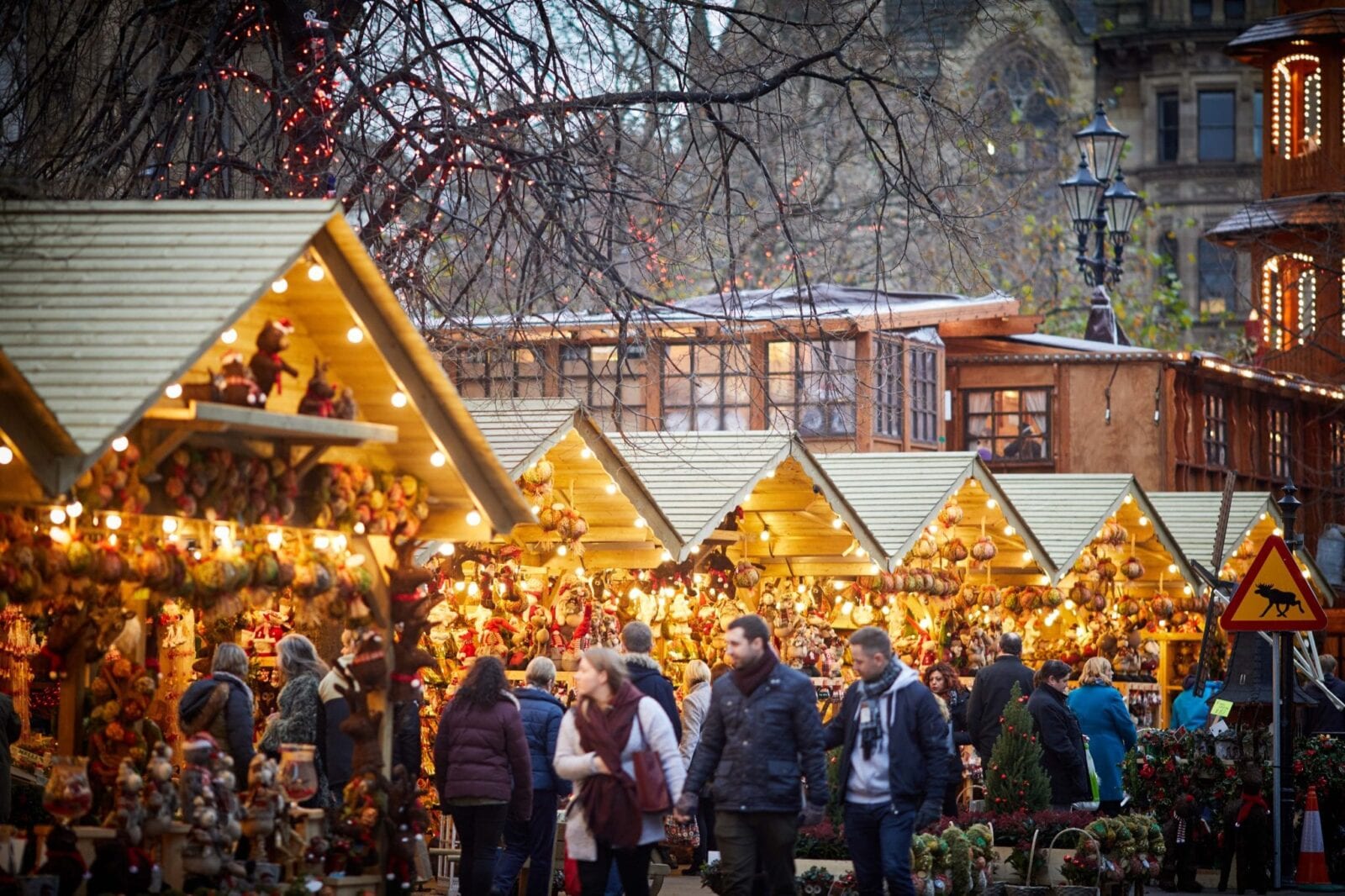
Promising to be plenty on offer for seasonal shoppers of all ages, it has been confirmed that 2026 will see the iconic wooden ski chalet market stalls take over Albert Square, Lincoln Square, King Street, St Ann’s Square, Exchange Street, New Cathedral Street, Exchange Square, Corn Exchange, Cathedral Gardens, and Market Street.
Of course, everyone’s favourite big red legend, Zippy Santa, will also be back this year, although his location has not been set in stone just yet, so stay tuned.
“There’s nowhere that does Christmas quite like Manchester,” commented Councillor Pat Karney, who is the Christmas spokesperson for Manchester City Council.
“The return of Christmas festivities last year to Albert Square was a triumph and we’re looking to build on this success with a fantastic festive offer there again this year that is sure to be a hit with everyone who visits.
“Our legendary Christmas markets draw thousands upon thousands of visitors every year from right around the world and this year’s markets look set to be the very best yet, with a brand-new location in Lincoln Square just around the corner from Albert Square, and a brand-new look and even more stalls in St Ann’s Square.”
He concluded: “Christmas in Manchester will be absolutely magical this year and we can’t wait to welcome everyone and celebrate the festive season with them.”
Manchester Christmas Markets 2026 will officially open across the city on Friday 6 November and close on Tuesday 22 December – with the exception of Albert Square and Cathedral Gardens, which will remain open right through until Sunday 3 January.

 The Manc -
19th February 2021
The Manc -
19th February 2021