News
Iceland surprises Prestwich customers with free roasts to help with cost of living
Lucky customers across the UK are being treated to free roasts this week
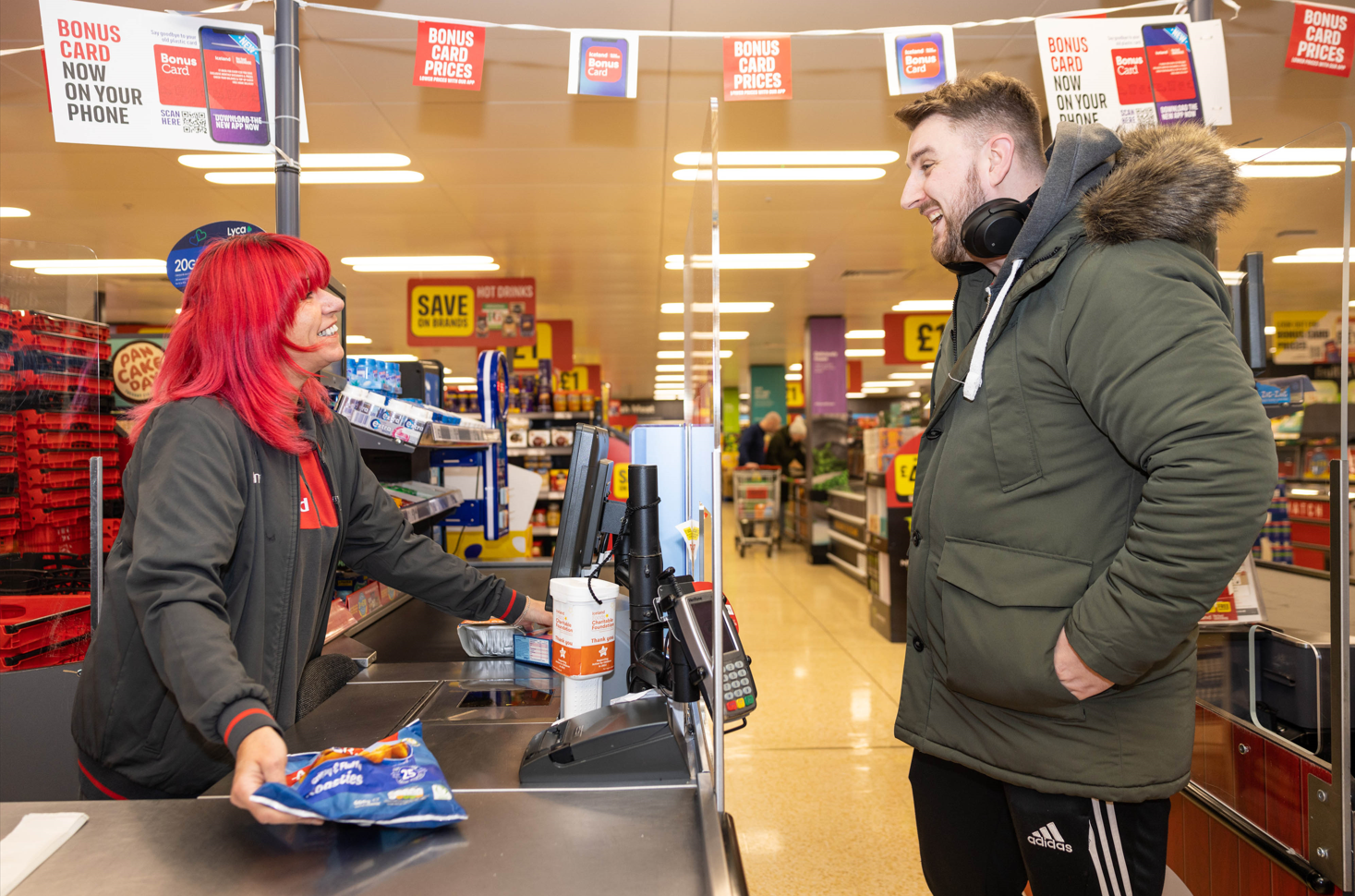
Iceland is giving away free roast dinners all week to help people in need as Random Acts of Kindness Day approaches on Friday.
The budget supermarket chain has partnered with The Food Warehouse and Aunt Bessie’s to give away free roast dinners to customers, both in-store and online, from Monday 13 to Friday 17 February – and kicked off its week of generosity right here in Manchester.
Lucky customers at an Iceland store in Prestwich, Greater Manchester were some of the first to be randomly selected to win the bundle.
Chelsea Burgess, 30 years old, said: “It’s nice to know that people were looking out for us today. It was totally unexpected, we only popped out for a few bits!”.
June Burrows, 52 years old, said: “It was such a nice surprise! This’ll make a lovely meal for me and the kids – I can’t wait!”.
Jamilah Choudhary, 57 years old, said: “This’ll put a smile on all my family’s faces today – thank you, Iceland!”
Jack Ford, 29 years old, said: “I just popped out for my lunch, so this has been such an amazing surprise. It’s brought a smile to my face today.”
Kevin and Cara Crowther, 39 years old, said: “We’re absolutely made up that we were selected for such a lovely prize. Thank you, Iceland!”
Customers who go to purchase the £12.00 Aunt Bessie’s roast bundle at either the tills or online checkout could be randomly selected to get it for free.
Stores all over the country have been given permission to give away roasts at random to local customers, with staff using their knowledge of people coming into the store to decide who needs it most.
All customers need to do is head to the checkout with the Aunt Bessie’s deal bundle, which includes one tender meat joint and three sides or desserts, to be in with the chance of getting it for free.
Customers who purchase the Aunt Bessie’s deal online this week are also in with a chance of a freebie, and will find out on Random Acts of Kindness Day if they are receiving the money back as a refund.
An Iceland Spokesperson said: “Random Acts of Kindness Day is such a great way to celebrate our communities, but we want to extend our ‘random roasts of kindness’ for a little longer than one day.
“We are proud of the fantastic store staff who really know our customers best; it makes sense to leave the giveaways to them. We hope this puts a smile across a lot of faces.”
Read more: Family pays tribute to ‘strong and fearless’ Brianna Ghey stabbed to death in Warrington
The initiative has been put in place after research revealed that over half (53%) of Brits plan on either reducing the number of hot dinners they eat or cutting them out completely due to the cost of living.
TV nutritionist, Dale Pinnock, recently partnered with Iceland as part of the supermarket’s mission to Save Hot Dinners, revealing the science behind eating a hot meal and the importance they have to everyday lives.
Research has revealed that over 46% of Brits said they were planning on cutting out one to three hot meals for a week.
Dale said: “Hot dinners are fundamental to a healthier life for a number of key reasons. For example, many nutrients become much more available to the body once cooked, whereas cold food slows digestion down which can cause gut-related problems and can have a negative impact on your immune system during colder months.
Read more: A cemetery in Greater Manchester is getting a ‘postbox to heaven’
“Very cold foods can send shock waves throughout the nervous system so during colder months our bodies prefer the food we eat to be warm, which is a great way to elevate core body temperature and keep warm.”
Feature image – Flickr
News
Manchester man jailed after sexually assaulting and masturbating in front of woman on train
 Emily Sergeant
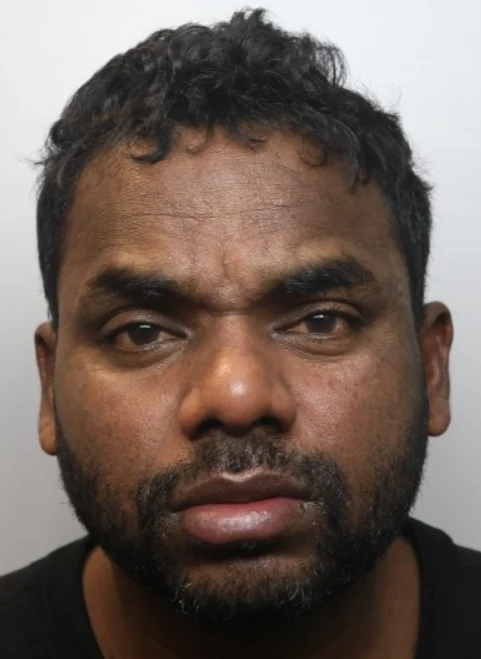
A man has been has been jailed after sexually assaulting and masturbating in front of a woman onboard a train to Manchester.
Following an extensive British Transport Police (BTP) investigation, Nisan Fernando Kurukulasuriya, of Troutbeck Road in Altrincham, was sentenced at Manchester Crown Court last month.
At the trail last month, the court heard how, on Monday 20 April 2026, 39-year-old Kurukulasuriya was on a train from Stoke to Manchester and sat next to a woman he didn’t know, who was on the phone.
He then sexually assaulted her repeatedly, doing so again even after being pushed away by the woman.
The woman then noticed that Kurukulasuriya had exposed himself and was masturbating in front of her. She shouted at him, and in response, he stood up and ran away to leave the train – but the woman immediately got up to report the incident to staff.
When the train arrived at Manchester Piccadilly, the woman alerted a member of staff while Kurukulasuriya was stood only a few meters away, and BTP were subsequently called straight away.
Police quickly attended and arrested Kurukulasuriya.
When police interviewed him, Kurukulasuriya showed no remorse for his actions and refused to answer any questions put to him.
After pleading guilty to Sexual Assault and Outraging Public Decency at a previous court hearing, Kurukulasuriya was sentenced to eight months’ imprisonment, and was also handed a 10-year Sexual Harm Prevention Order (SHPO) which will bar him from sitting next to any woman he doesn’t know on public transport, as well as being put on thensex offenders register for 10 years.
Read more:
BTP Detective Sergeant, Mark Haviland, called Kurukulasuriya a ‘despicable man’ who targeted a woman travelling alone ‘for his own sick sexual gratification’.
Featured Image – BTP
News
GMP officer sentenced after hitting pedestrian during police chase in Rochdale
Emily Sergeant
A police officer has been sentenced this week after he struck and ‘seriously injured’ a pedestrian following a pursuit of a suspected drink driver in Rochdale.
35-year-old Greater Manchester Police (GMP) officer PC Sam Lockley pleaded guilty back in January 2026 following an Independent Office for Police Conduct (IOPC) investigation.
The IOPC investigation established that, in the early hours of the morning on 19 November 2023, PC Lockley was driving a marked police vehicle with the lights and sirens activated, and attempted to stop a suspected drunk driver on Drake Street in Rochdale.
A short pursuit that commenced but stopped merely a minute later after the police vehicle collided with a pedestrian on the footpath of Rochdale Road at approximately 3:30am.
The evidence gathered indicated that PC Lockley failed to slow down as he approached and drove through the red traffic lights at the Kingsway junction, and was travelling at a speed of 96mph in a 30mph zone.
The pedestrian suffered ‘serious injuries’ as a result of the collision, and received extensive medical treatment following.
At a hearing back in February of this year, PC Lockley received a two-year suspended sentence and was ordered to carry out 15 days community service, while also receiving two-year driving disqualification.
Also following the investigation, the IOPC decided that Lockley should face a gross misconduct hearing to face allegations that his manner of driving breached the police standards of professional behaviour.
“We continue to liaise with the force about disciplinary proceedings,” the IOPC concluded.
IOPC Director Amanda Rowe added: “My sympathies remain with the man, who sustained serious injuries, and all those affected by the incident.
“This was a complex investigation which relied on extensive amounts of data and expert analysis and the evidence showed PC Lockley drove at excessive speeds at night-time and although he was responding to a report of a suspected drink driver, it does not excuse his manner of driving.
Read more:
“PC Lockley admitted he drove in a dangerous manner when he didn’t address hazards or warnings during the pursuit and ultimately by the time he saw the pedestrian, he was travelling too fast to avoid a collision.
“His actions that day have had long-lasting consequences and he has now been held accountable.”
Featured Image – Rawpixel

 Georgina Pellant -
14th February 2023
Georgina Pellant -
14th February 2023