Eat Well MCR – a community project launched to feed the hungry – has broken the £100,000 barrier with the help of a donation from Liam Gallagher.
The Oasis frontman’s 1996 MTV Award – won for Best Song for ‘Wonderwall’ – was purchased at a live auction for an incredible £45,000; helping Eat Well MCR break the six-figure fundraising barrier in just three months.
£73,000 was generated by United We Feed – a Manchester merch sale held at Cloudwater Brewery in collaboration with United We Stream GM.
Dozens of volunteers and collaborators got involved for the occasion – which included live performances, prizes and musicians making cookalong pizzas.
Further donations also flooded in from the likes of Albert’s Schloss and The Lead Station – crowdfunding a whopping £100,000 in total.
Eat Well MCR was launched by Manchester chef Mary-Ellen McTague of The Creameries in Chorlton with the aim of salvaging food waste left behind by closed restaurants during lockdown.
The organisation has blossomed since, and is now working to ensure a sustainable future so they can continue their mission to “show care and support for people when they need it most, through food.”
ADVERTISEMENT
Mary-Ellen said: “The Eat Well MCR collective is made up of people who believe in showing care and spreading joy through food. Even when faced with an uncertain future for their own livelihoods and businesses, they got to work to support our wonderful city, and people facing unimaginably harsh realities.
“At the start of our journey our meals would cost less than £1 to make as the majority of our ingredients were donated by the amazing restaurants in our collective, and everyone volunteered their time. “
She continued: “We cannot expect to keep the cost of our meals so low, as people return to work and restaurants open, but we are committed to continue feeding those who need it.
ADVERTISEMENT
“The money raised is therefore even more essential for Eat Well MCR to carry on in its mission to support people. Lockdown may be easing but the challenges faced by people we support won’t go away, and we don’t intend to either.
“As a collective, we have started something amazing and we are determined to see this through.
“We are now developing plans for income generation so that we can become a self sustaining organisation that works to support both those in need, and our local food economy, with our mission to support people facing food inequality absolutely at our core.”
— Hattie Pearson 🎩☕️🍐☀️ (@hattiepearson) June 6, 2020
Some of the restaurants involved in the collective include A Taste of Honey, Baratxuri, Beehive Food, Cloudwater Brew Co., Common Bar, Nells Pizzas, The Creameries, Diamond Dogs, Eagle and Child, Elite Bistros, Elnecot, Erst, Gorilla, Hawksmoor, Higher Ground, Hispi, Honest Crust, The Hungry Gecko, Isca, Koffee Pot, Konoba, Little Window, The Manchester Tart Company, Stretford Canteen, Tampopo, The Victoria Walshaw and Where The Light Gets In.
Learn more about how you can support this amazing cause on the Eat Well MCR website.
News
Teen arrested after hiding in wheelie bin following attempted burglary in Bolton
Emily Sergeant
A teenage boy has been arrested after police found him hiding in a wheelie bin during the early hours of the morning.
Greater Manchester Police (GMP) explained that, at around 3:50am this past Saturday morning (24 October), officers from the Bolton Neighbourhood Team were called to reports of a ‘disturbance’ on Ullswater Drive, in the Farnworth area of Bolton.
Upon arrival, police discovered that a group of people had attempted to break into a garden shed and steal items.
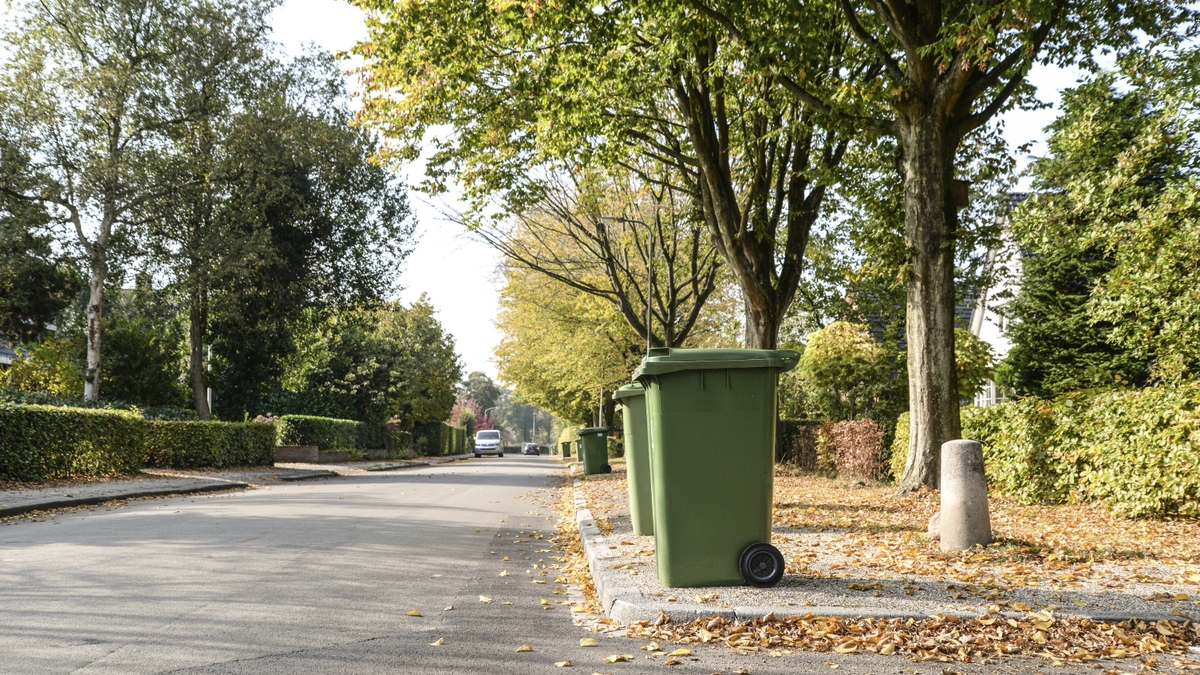
Following a police chase on foot and searches of surrounding gardens, officers found a 17-year-old boy hiding inside a wheelie bin, and he was subsequently arrested on suspicion of burglary.
A 16-year-old girl was also arrested on suspicion of attempted burglary, and they have both been bailed while the investigation continues.
Enquiries remain ongoing to identify and locate others who police believe to have been involved in the incident.
Sergeant Emily Fogg, from GMP’s Bolton Neighbourhood Team, said the boy ‘clearly did a rubbish job’ of hiding from police.
“Our policing teams are committed to rooting our criminality in our communities and will continue to seek justice for victims of this invasive crime,” Sergeant Fogg concluded.
Anyone with information the can assist the investigation is asked to contact police on 101, quoting the log number 475 of 24/10/26.
Featured Image – Rawpixel
News
National Lottery hunts for Tameside player who’s not claimed £1m winnings
Daisy Jackson
The hunt is on to find a National Lottery player in Tameside who’s won £1m – and not claimed it.
The missing millionaire won the huge prize on a Lotto ticket bought on Wednesday 1 July, somewhere in the Borough of Tameside.
But with just two months to go until the prize expires, the player has still not come forward to claim their winnings.
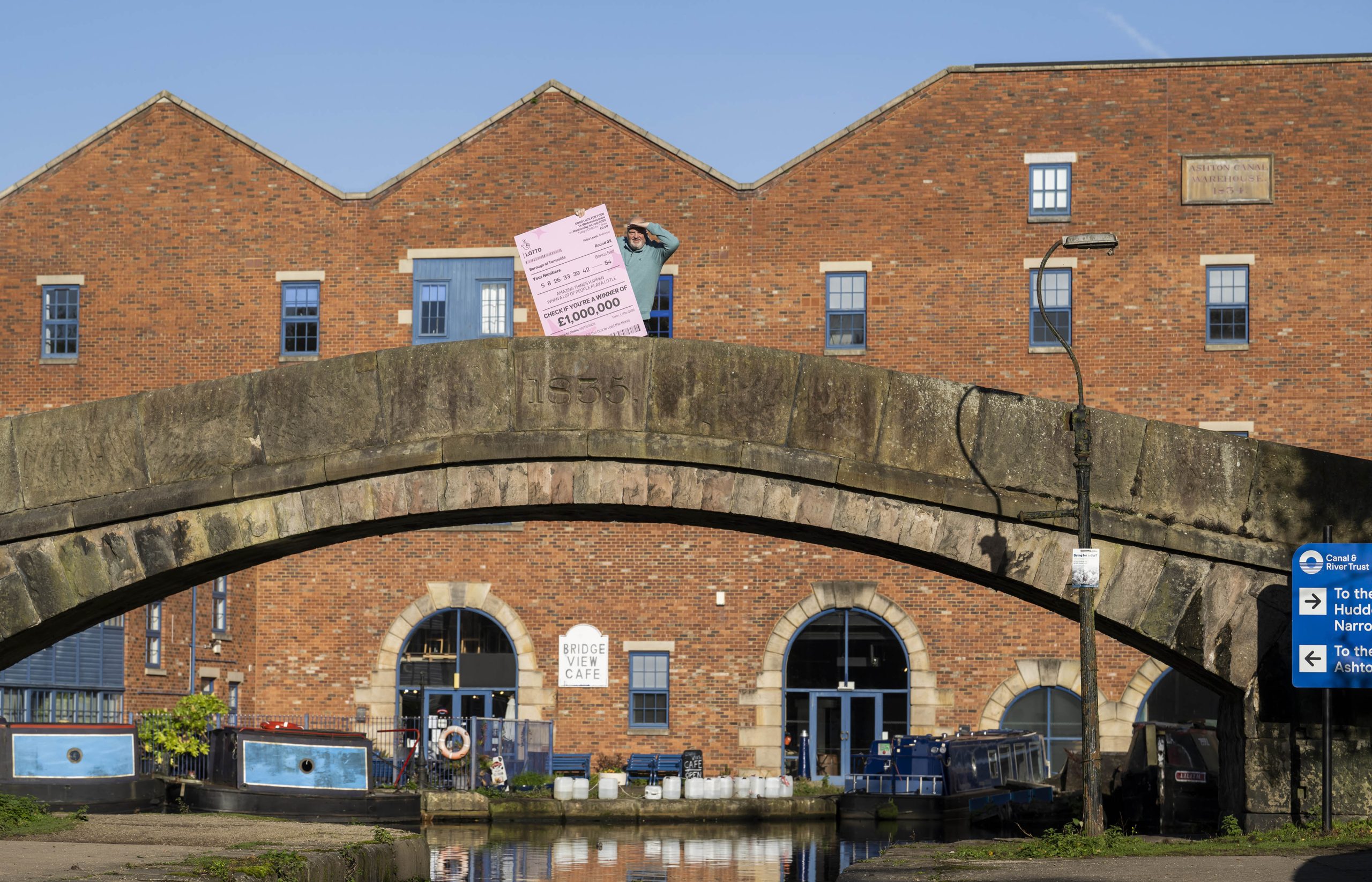
The winning numbers in were 5, 8, 26, 33, 39, 42 and the Bonus Ball was 54.
Now, the National Lottery is renewing its search for the millionaire, calling for the mystery winner to cash in their prize before it expires at midnight on 28 December.
National Lottery Senior Winners’ Advisor Andy Carter has been out in Tameside ‘hunting’ for the missing millionaire, visiting everywhere from Portland Basin to Hartshead Pike.
Andy said: “I’ve searched high and low across Tameside for our missing millionaire, but I’ve had no luck.
National Lottery hunts for Tameside player who’s not claimed £1m winnings. Credit: Anthony Devlin/Assignments/Press Association
“With just two months left to claim this £1 million prize, now is the time for anyone who bought a Lotto ticket in Tameside for the 1 July draw to have another look.
“The winning ticket could be tucked away somewhere completely ordinary, while its owner has absolutely no idea they are a millionaire.
“We’d love to find the person we’ve been looking for and turn this search into a celebration. So, if you bought a ticket in the area, dig it out, check those numbers and help us find Tameside’s missing millionaire. It could be you.”
With all National Lottery draws, players have 180 days from the day of the draw to claim their prize if they have the winning ticket. Anyone who has any queries or who believes they have the winning ticket for any of the National Lottery draws within the 180-day deadline should call the National Lottery Line on 0333 234 5050 or email [email protected].

 The Manc -
1st July 2020
The Manc -
1st July 2020