News
Marcus Rashford teams up with chef Tom Kerridge to help get children cooking
The pair will post 52 recipes - accompanied by cook-along instructions - to Instagram every Sunday morning.
Marcus Rashford has teamed up with Michelin-starred chef Tom Kerridge to launch a new campaign designed to help families cook healthy meals on a budget.
The nationwide scheme – titled Full Time: Get Cooking – will see the Manchester United striker and acclaimed TV foodie shoot cooking videos together and release them weekly via social media.
The pair, who collaborated on the National Food Strategy earlier this year, will post 52 recipes in total – with a new video appearing on Instagram every Sunday morning.
The free recipes will be available on recipe cards in supermarkets, schools and food banks – with a QR code linking through to the Full Time social media page.
Tortilla Pizzas, Chicken Satay Stir Fry, Fish Pie Jackets, Mexican Style Chicken, Broccoli & Cauliflower Cheese, Creamy Chicken Pie and Fish Finger Butties are just some of the items set to appear on the channel.
Each recipe will be easy to create with limited equipment.
Manchester United and England footballer Rashford has led a relentless campaign to end food poverty for over a year – having established a direct line to Downing Street during a successful bid to force a government u-turn on free school meals.
His efforts have earned him numerous accolades including an honorary doctorate from University of Manchester – but his latest mission involves getting families to spend time together in kitchens.
Rashford commented: “This project is for every child and I really hope parents and carers will benefit from having a bit of valuable time together in the kitchen when family activity is heavily restricted by financial restraints.
“We needed to come up with a creative project that really engaged children most in need, preparing them for what adult life has to offer, whilst also attracting all children to break down stigma around usage of [food] vouchers.
He added: “Even though I’m not the best cook, I’ve enjoyed getting in the kitchen and doing my best.
“When my mum was at home I’d always watch her cooking and have a nosey and a laugh. Half an hour of a bit of fun before I went back to sleep and she went back to work. From where I look at it, why not create something similar to that?”
Kerridge – who owns the Bull & Bear restaurant at Manchester’s Stock Exchange Hotel – also remembers the value of learning to cook for himself when he was a teenager.
The chef stated: “Marcus has always been one to encourage life skills and cooking is a valuable skill that everyone can embrace and that will see you through the whole of your life.
“If you can engage with food from the start, you can grow, develop and build your own collection of recipes, and enjoy cooking together.
“This is peeling carrots, peeling potatoes, dicing onions – this isn’t making tagines or braising beef briskets. This is right at the beginning.”
The first Full-Time: Get Cooking video will be released on Sunday 25 April.
Follow Full Time on Instagram.
News
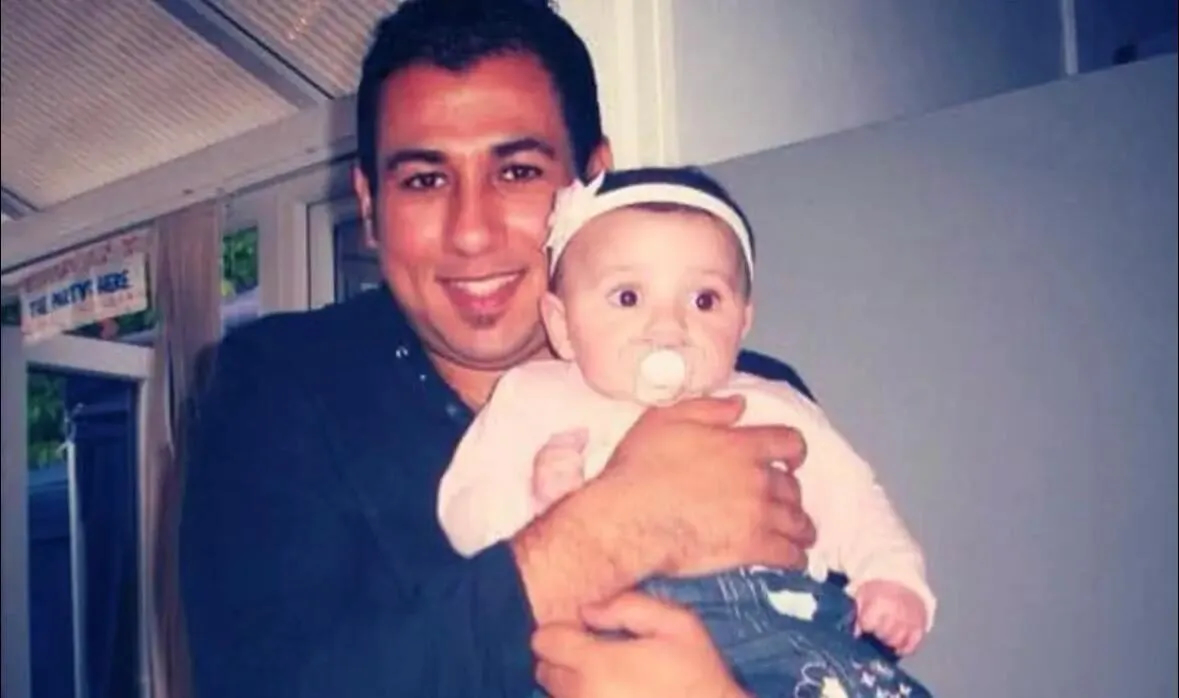
Daughter pays heartbreaking tribute to dad at centre of Salford murder investigation
 Daisy Jackson
The daughter of a man who died in Salford last week has paid a heartbreaking tribute to her ‘beloved dad’, who is now at the centre of a murder investigation.
44-year-old Mohamed Omar was found at an address after officers were called to Great Clowes Street at round 7.50pm on Tuesday 6 October.
He was unresponsive at the time officers arrived, and despite the efforts of emergency services and medical professionals, died a short while later.
Five men, aged between 24 and 35-years-old, were arrested on suspicion of murder and have since been bailed while enquiries continue.
Now, Mohamed’s daughter has paid a heartbreaking tribute to her father, describing him as someone who could ‘light up a room’.
She said: “To my beloved Dad. You were loved so much, not just by me, but by everyone you crossed paths with.
“You worked so hard throughout your life, always giving so much of yourself to the people around you. You had an energy that could light up a room, and no matter what, you could always make someone laugh.
“No one deserves to have their life taken. You were taken from us far too soon, and it hurts knowing there was still so much more for us both to experience together. You have left a mark on us all, and it still feels surreal knowing you are gone. I wish we had more time together.
“I hope you are in a better place, resting peacefully with Nanna and Grandad. I hope you know how much I love you and that I always will. You will live in my heart forever. Until we meet again, Dad. From your daughter, Layla.”
Also paying tribute is one of Mohamed’s friends, who said: “I still can’t believe you’ve been taken from us. I never imagined I would have to face a world without you in it. You weren’t just my best friend; you were family, someone who held a special place in my heart that nobody could ever replace.
“My heart is broken knowing that you’re no longer here with us. There are so many things I wish I could say to you, so many memories I wish we could make, and so many moments I wish I could have back.
“You didn’t deserve what happened to you. I will carry your memory with me for the rest of my life, and no matter how much time passes, you will never be forgotten.
“Rest peacefully, my best friend. Until we meet again, you will forever have a place in my heart. I love you always, and I will miss you more than words could ever explain. From your brother Lee Yassein.”
Anyone with information regarding this incident is urged to contact police. Reports can be made via 101, the LiveChat function on our website , or through the independent charity Crimestoppers on 0800 555 111.
Read more
Featured image: GMP
News
Police issue urgent appeal after three-vehicle collision on M62 leaves woman ‘seriously injured’
Emily Sergeant
Police have issued an urgent appeal to the public following a collision involving three vehicles on the M62 over the weekend.
Greater Manchester Police (GMP) explained that, at approximately 10:10pm this past Saturday (10 October), officers received reports of a collision involving three vehicles on the westbound carriageway between Junctions 20 and 21 of the M62 motorway.
A large emergency services response attended the scene – including colleagues from the North West Ambulance Service (NWAS) and Greater Manchester Fire and Rescue Service (GMFRS), as well as GMP.
When they arrived on the scene, they found that a woman in her has 60s sustained ‘serious injuries’, and at this time, she remains in hospital for treatment.
Initial police enquiries have indicated that a Mercedes van was involved in a collision with a Volvo, which subsequently collided with a Vauxhall Insignia.
A 20-year-old man has been arrested on suspicion of causing serious injury by dangerous driving, and remains in custody for questioning.
While enquires are ongoing, officers from GMP’s Serious Collision Investigation Unit are appealing for witnesses, or anyone with information, to come forward, and say they are particularly keen to hear from anyone who witnessed the collision or who has dashcam footage from the area around the time of the incident.
Can you help? Anyone with information that could assist the investigation is asked to contact police via 101 or through the Live Chat service at gmp.police.uk, quoting incident number 3374 of 10/10/26.
Read more:
Information can also be provided directly to the Serious Collision Investigation Unit on 0161 856 4741, or alternatively, you can contact Crimestoppers, anonymously, on 0800 555 111.
Featured Image – Simon Brace (via Wikimedia Commons)

 The Manc -
22nd April 2021
The Manc -
22nd April 2021