New ‘cutting-edge’ cancer treatment to be rolled out on NHS from next week

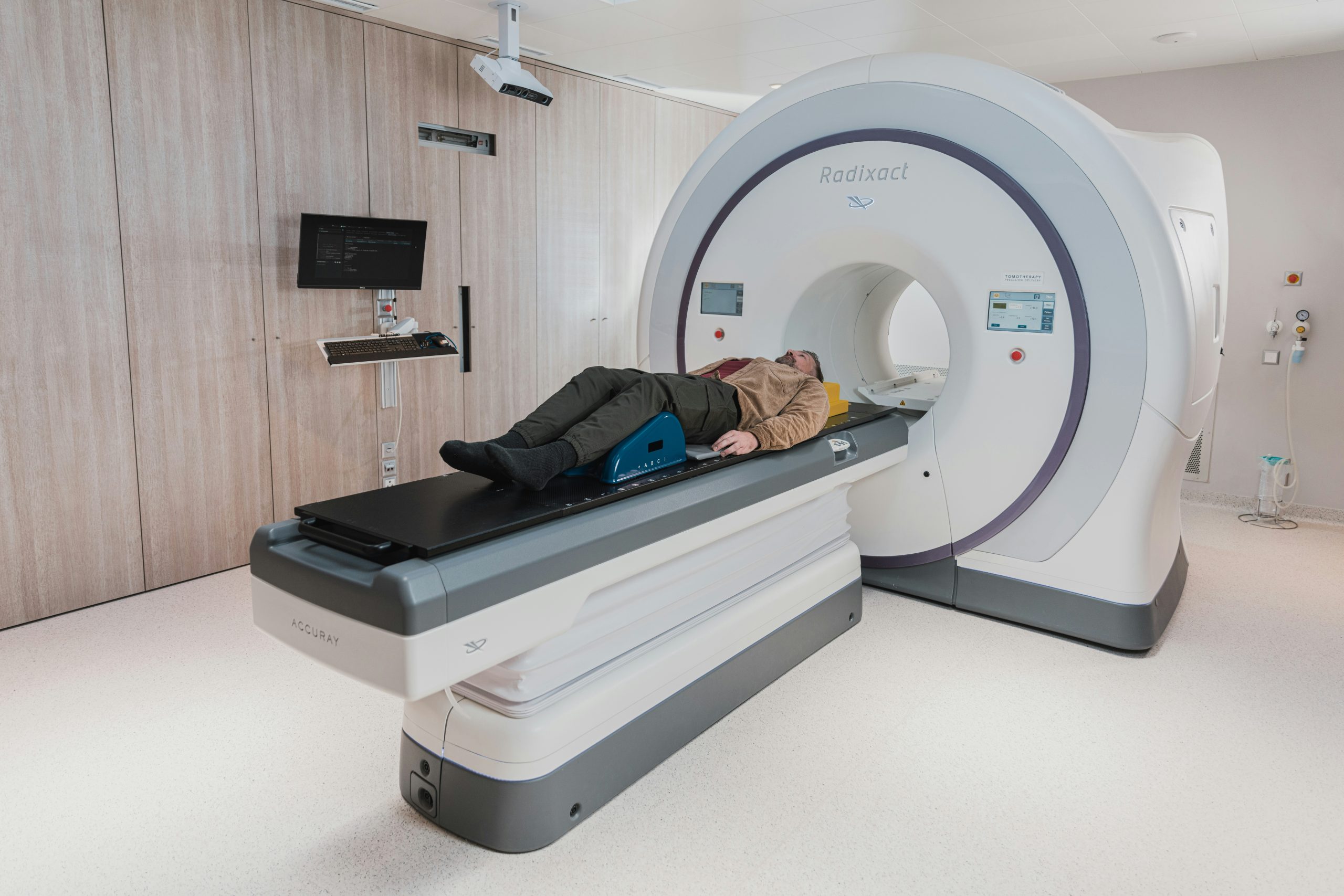
A new ‘cutting-edge’ cancer treatment is set to be rolled out on the NHS from next week.
Thousands of men with prostate cancer are to be offered high-powered ‘precision’ radiotherapy on the NHS to target the disease more effectively – helping reduce side-effects and spare them 15 courses of treatment.
The highly targeted SABR (stereotactic ablative radiotherapy) delivers radiotherapy to the tumour from many different directions to help reduce the risk of cancer spreading or returning.
SABR has been proven to be effective at far fewer doses than conventional radiotherapy.
Standard radiotherapy can often be a major burden for patients and loved ones, due to the substantial treatment and travel time involved, but SABR is typically delivered in just five doses within a fortnight, compared to at least 20 doses with external beam radiotherapy.
Thousands of men with prostate cancer are to be offered high-powered ‘precision’ radiotherapy on the NHS to target the disease more effectively, helping reduce side-effects and spare them 15 courses of treatment.
Read more ➡️ https://t.co/OzI4Acm7M5 pic.twitter.com/heODUr96KJ— NHS England (@NHSEngland) June 10, 2026
Around 17,500 men are diagnosed with low or intermediate risk prostate cancer in England each year and could be offered the option of SABR radiotherapy.
It is expected that the cutting-edge technique for localised prostate cancer will be offered at all 48 radiotherapy providers across England in the coming days – with the first centres making it available on the NHS from next week.
The roll-out could free up around 50,000 appointments for prostate cancer treatment each year, helping the NHS continue to bring down waiting times for patients.
NHS chief executive, Sir Jim Mackey, said the news will ‘transform’ treatment for thousands of men with localised prostate cancer.
“This cutting-edge approach will transform treatment for thousands of men with prostate cancer, helping the NHS provide far more powerful and convenient care to stop their cancer spreading,” Sir Mackey commented.
Read more:
- NHS rolls out new ‘life-extending’ ovarian cancer drug for first time in 20 years
- Groundbreaking new ‘rapid’ jab to treat 14 different cancer types now available on NHS
- NHS to offer thousands of people access to ‘life-extending’ cancer drug
“Having been proven effective in keeping cancer under control, this technology will not only help reduce the risk of certain side effects but also the major ‘to-and-fro’ burden of hospital treatment, which can be really draining for so many patients and their families.”
Featured Image – Accuray (via Unsplash)