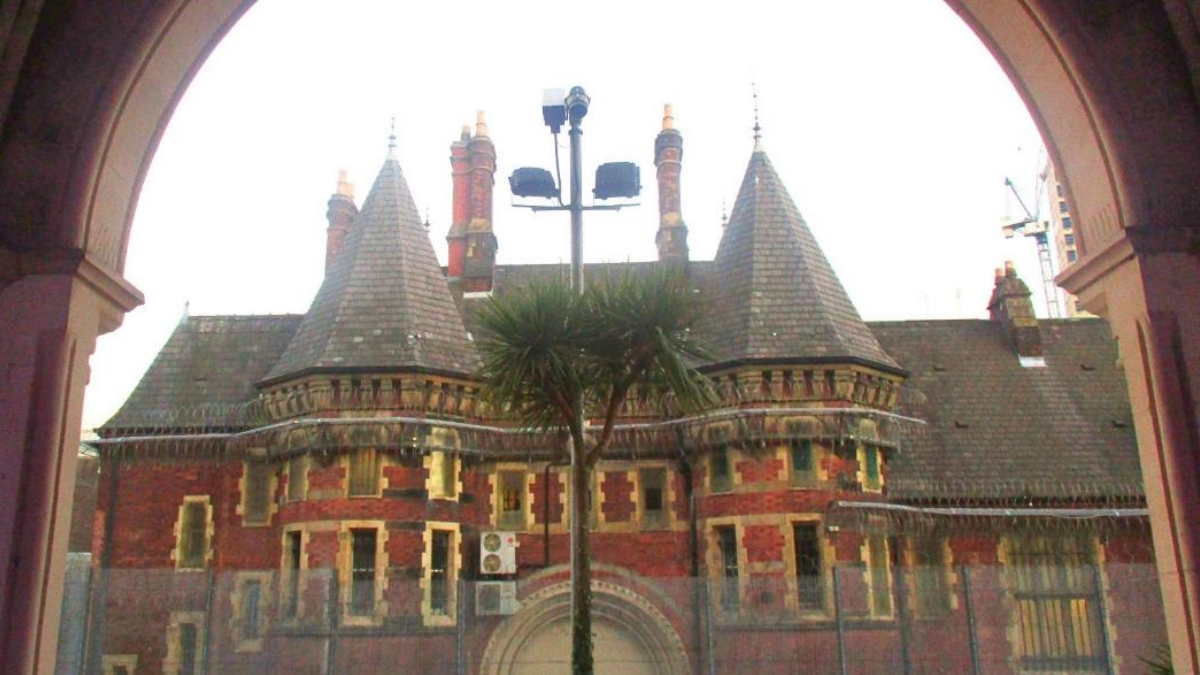
A recent trend at HMP Manchester has been declared a “threat to national security” after it was learned that drones have been regularly delivering drugs, weapons and more into the facility formerly known as Strangewaysalong with other UK prisons.
It’s said there were roughly 220 drone sightings over the past year or so – more than any other prison in the country – and issues around contraband, violence, hygiene and more have been on the increase ever since. HMP Long Lartin in Worcestershire was found to be similarly neglected.
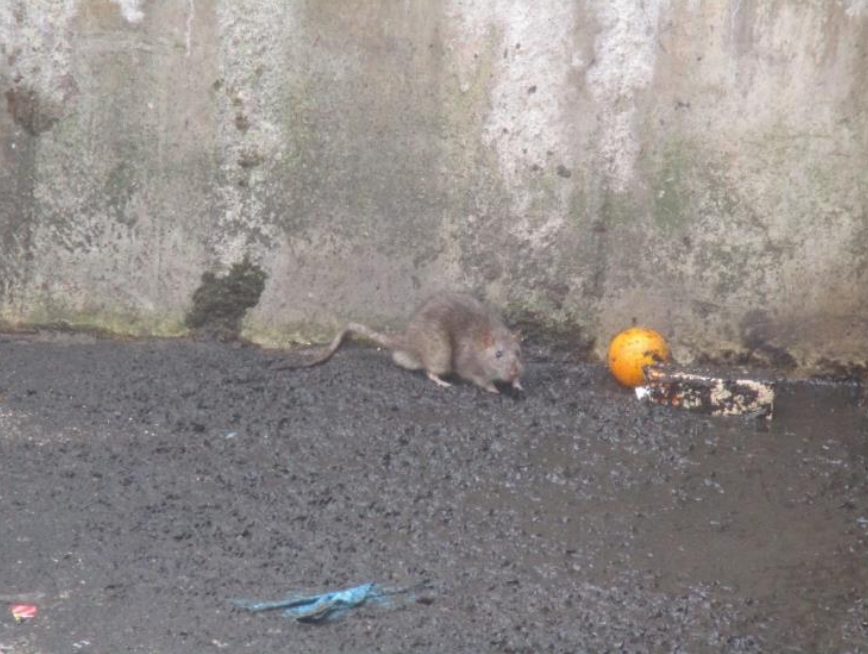
A rife drug and rat problem was found following a surprise autumn inspection between September and October; it is now evident that the chronic issues have been exacerbated by a major security breach as His Majesty’s Chief Inspector of Prisons, Charlie Taylor, says police have “ceded airspace” over facilities.
The most recent report on conditions at HMP Manchester and Long Lartin was published on Tuesday, 14 January and, in short, it insists that huge investment is needed in order to curb the crisis.
Credit: HM Inspectorate of Prisons
Drones, corruption and a lack of investment have seen Strangeways maintain its reputation
A top-line assessment of Strangeways found that many of the sticking points came down not only to the advent of drones delivering items such as phones, drugs, weapons and other “large payloads” weighing up to as much as 7kg, but merely “poor physical security” and concerns regarding corruption.
ADVERTISEMENT
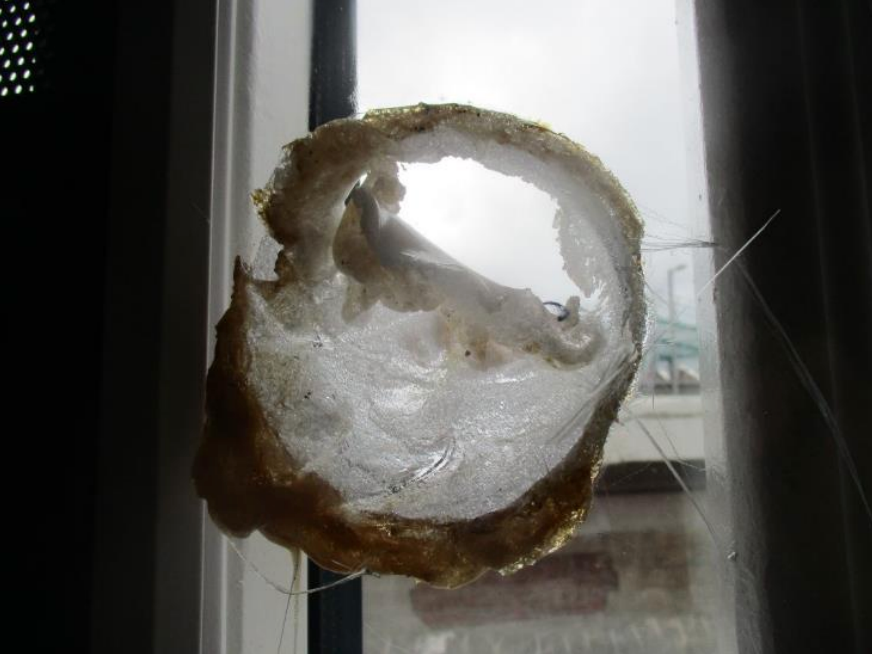
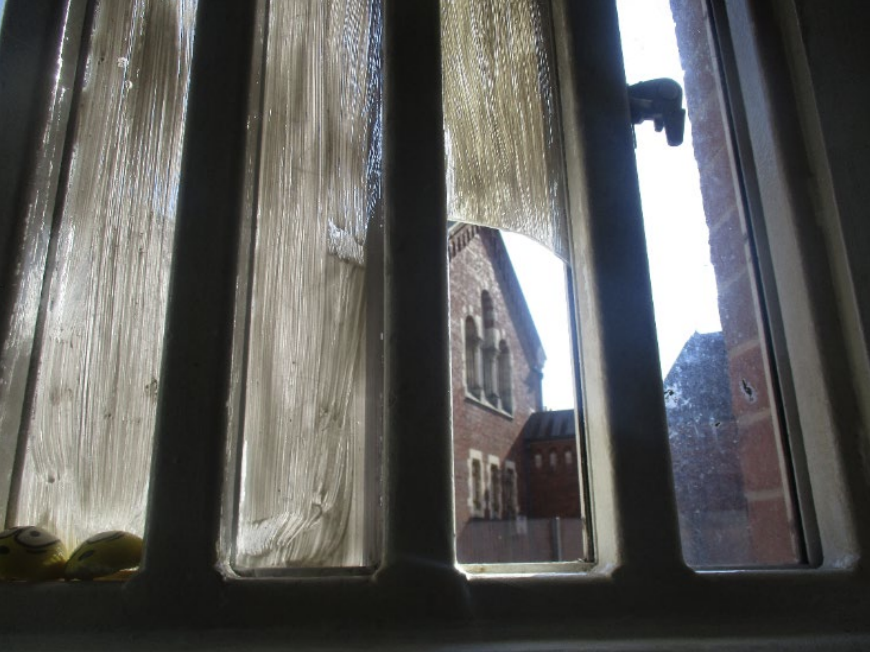
Most notably, high-risk prisoners who Taylor described as “extremely dangerous” have been burning holes in cell windows in order to pick up drone deliveries. The ease with which these exchanges are able to take place comes down to what he simply calls “slow action”.
There has been a damning failure to spot, repair and/or replace these panels, as well as the torn netting over exercise yards, meaning that drone operators have an easier task when dropping their packages into the 158-year-old penitentiary.
ADVERTISEMENT
According to the report, “a staggering 39% of prisoners had tested positive in mandatory drug tests at Manchester” (50% at Long Lartin) and a simple survey found that drugs and alcohol were “easy” to acquire inside Strangeways.
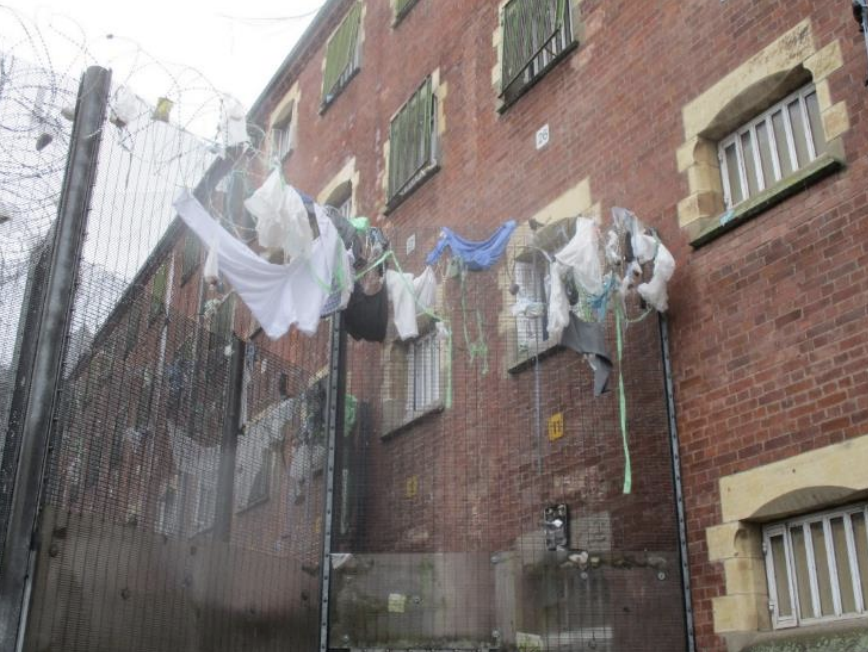
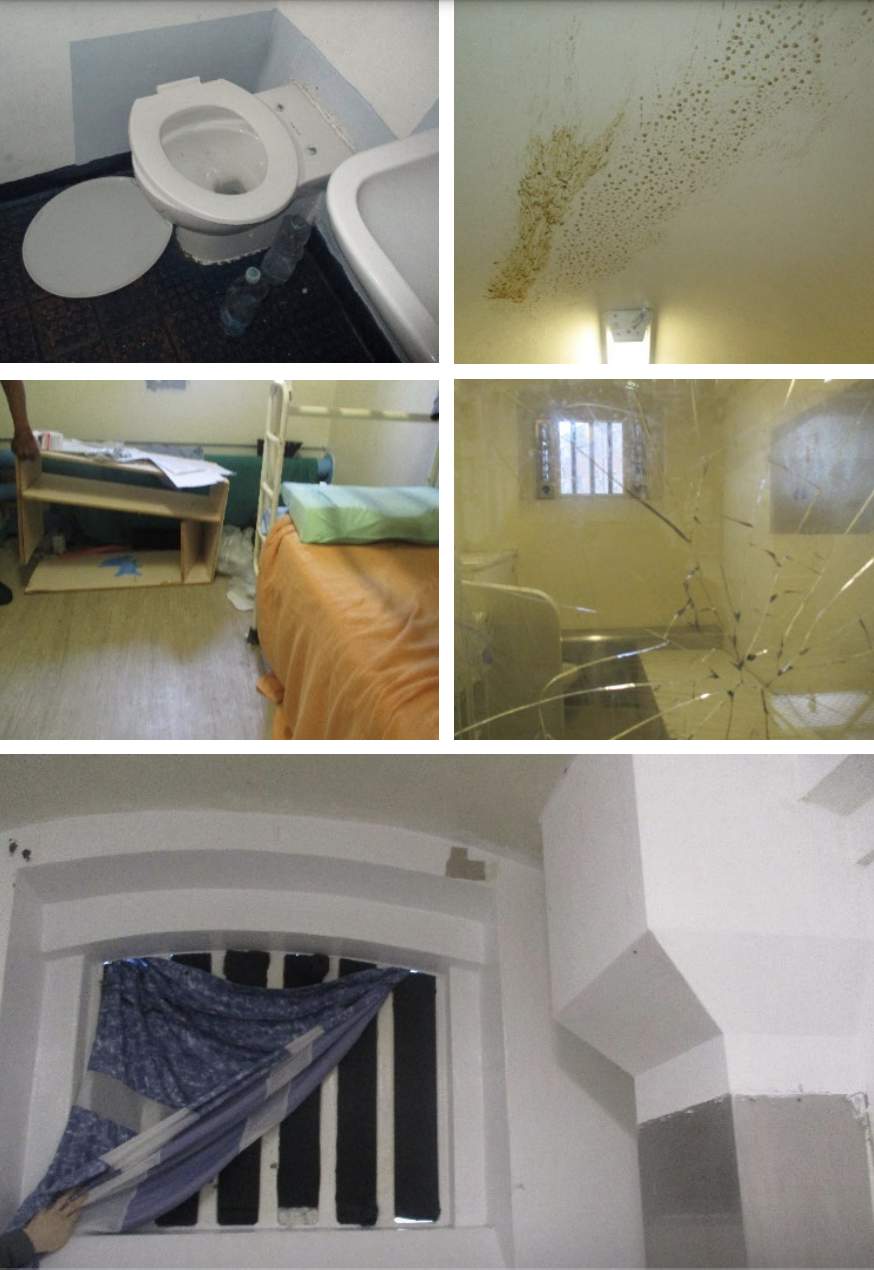
In addition to the rodent infestation, general hygiene looks to have plummeted to new lows in recent times too, with “widespread dirt, damp and litter” as well as vandalism in several areas. Inmates have also been tearing up mattresses to insulate windows from the cold.
Numbers relating to assault, self-harm, suicide and more have also risen since the last major inspection in 2021. By all accounts, it remains one of Britain’s most dangerous prisons for a whole host of reasons.
There has also been a significant drop-off when it comes to socialisation and rehabilitation efforts, as the work day, learning and general activities look to have dwindled too.
Taylor signed off by writing: “The safety of staff, prisoners and ultimately that of the public, is seriously compromised by the failure to tackle what has become a threat to national security.
“The prison service, the police and other security services must urgently confront organised gang activity and reduce the supply of drugs and other illicit items which so clearly undermine every aspect of prison life.” To put it simply, he says the situation is “highly alarming.”
It may not make for pleasant reading, but if you want a clearer picture of the current conditions inside Strangeways prison or to learn more about the growing advent of smuggling drones, you can read the extensive 67-page report in full HERE.
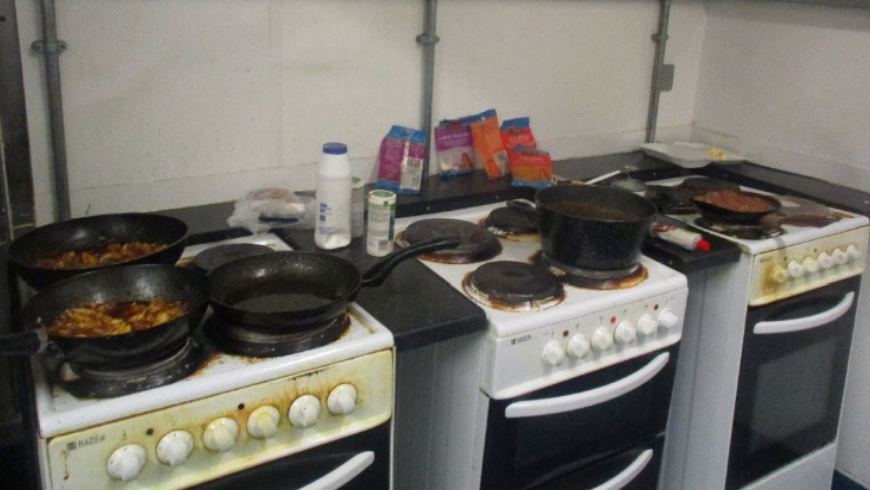
Broken cell windowDamage and dirtThe state of a kitchenette (Credit: HMIP)
Featured Images — Robert Wade (via Flickr)/HMIP (HM Inspectorate of Prisons)
News
Daughter pays heartbreaking tribute to dad at centre of Salford murder investigation
Daisy Jackson
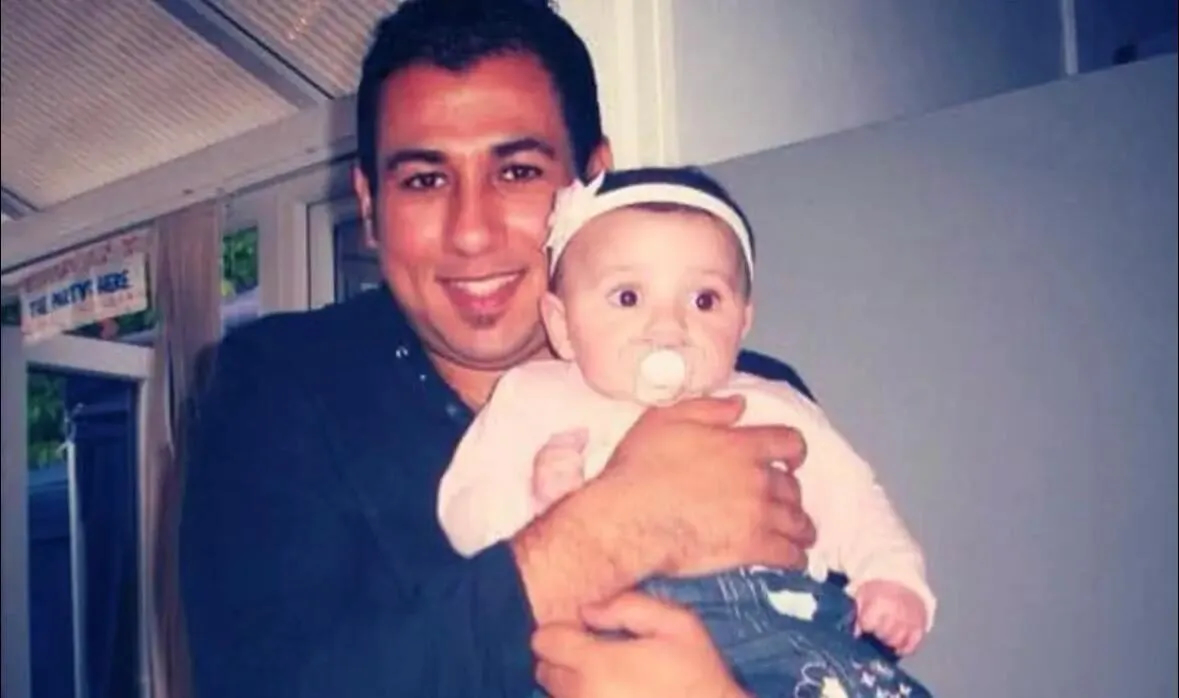
The daughter of a man who died in Salford last week has paid a heartbreaking tribute to her ‘beloved dad’, who is now at the centre of a murder investigation.
44-year-old Mohamed Omar was found at an address after officers were called to Great Clowes Street at round 7.50pm on Tuesday 6 October.
He was unresponsive at the time officers arrived, and despite the efforts of emergency services and medical professionals, died a short while later.
Five men, aged between 24 and 35-years-old, were arrested on suspicion of murder and have since been bailed while enquiries continue.
Now, Mohamed’s daughter has paid a heartbreaking tribute to her father, describing him as someone who could ‘light up a room’.
She said: “To my beloved Dad. You were loved so much, not just by me, but by everyone you crossed paths with.
“You worked so hard throughout your life, always giving so much of yourself to the people around you. You had an energy that could light up a room, and no matter what, you could always make someone laugh.
“No one deserves to have their life taken. You were taken from us far too soon, and it hurts knowing there was still so much more for us both to experience together. You have left a mark on us all, and it still feels surreal knowing you are gone. I wish we had more time together.
“I hope you are in a better place, resting peacefully with Nanna and Grandad. I hope you know how much I love you and that I always will. You will live in my heart forever. Until we meet again, Dad. From your daughter, Layla.”
Also paying tribute is one of Mohamed’s friends, who said: “I still can’t believe you’ve been taken from us. I never imagined I would have to face a world without you in it. You weren’t just my best friend; you were family, someone who held a special place in my heart that nobody could ever replace.
“My heart is broken knowing that you’re no longer here with us. There are so many things I wish I could say to you, so many memories I wish we could make, and so many moments I wish I could have back.
“You didn’t deserve what happened to you. I will carry your memory with me for the rest of my life, and no matter how much time passes, you will never be forgotten.
“Rest peacefully, my best friend. Until we meet again, you will forever have a place in my heart. I love you always, and I will miss you more than words could ever explain. From your brother Lee Yassein.”
Anyone with information regarding this incident is urged to contact police. Reports can be made via 101, the LiveChat function on our website , or through the independent charity Crimestoppers on 0800 555 111.
Police issue urgent appeal after three-vehicle collision on M62 leaves woman ‘seriously injured’
Emily Sergeant
Police have issued an urgent appeal to the public following a collision involving three vehicles on the M62 over the weekend.
Greater Manchester Police (GMP) explained that, at approximately 10:10pm this past Saturday (10 October), officers received reports of a collision involving three vehicles on the westbound carriageway between Junctions 20 and 21 of the M62 motorway.
A large emergency services response attended the scene – including colleagues from the North West Ambulance Service (NWAS) and Greater Manchester Fire and Rescue Service (GMFRS), as well as GMP.
When they arrived on the scene, they found that a woman in her has 60s sustained ‘serious injuries’, and at this time, she remains in hospital for treatment.
Initial police enquiries have indicated that a Mercedes van was involved in a collision with a Volvo, which subsequently collided with a Vauxhall Insignia.
A 20-year-old man has been arrested on suspicion of causing serious injury by dangerous driving, and remains in custody for questioning.
While enquires are ongoing, officers from GMP’s Serious Collision Investigation Unit are appealing for witnesses, or anyone with information, to come forward, and say they are particularly keen to hear from anyone who witnessed the collision or who has dashcam footage from the area around the time of the incident.
Can you help? Anyone with information that could assist the investigation is asked to contact police via 101 or through the Live Chat service at gmp.police.uk, quoting incident number 3374 of 10/10/26.
Information can also be provided directly to the Serious Collision Investigation Unit on 0161 856 4741, or alternatively, you can contact Crimestoppers, anonymously, on 0800 555 111.
Featured Image – Simon Brace (via Wikimedia Commons)

 Danny Jones -
14th January 2025
Danny Jones -
14th January 2025