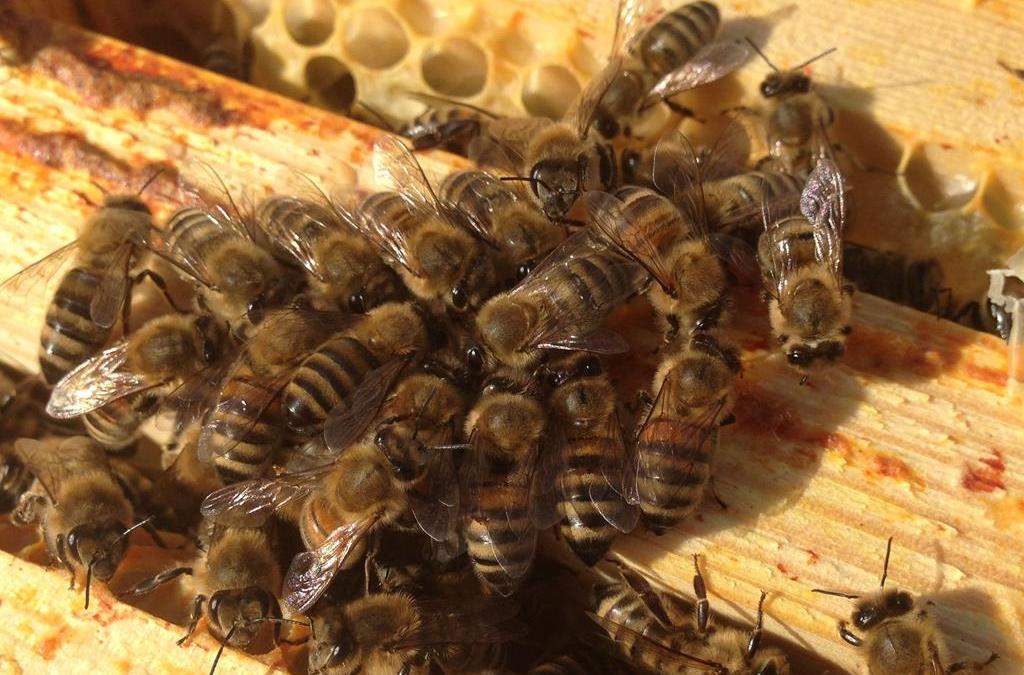
A keen Cheshire beekeeper was devastated to find that thieves had stolen hives containing tens of thousands of bees this week.
The hives were stolen from the Swettenham area of Cheshire East.
The theft of the beehives in question – which were confirmed to have been home to anywhere from 10,000 to 60,000 bees – has left the un-named beekeeper at both a significant “financial loss”, and now also needing time to rebuild the colonies of bees stolen.
Cheshire Police Rural Crime Team has confirmed an investigation is now underway to recover the stolen hives.
Taking to Facebook yesterday evening to reveal information about the unique incident, PCSO Pam Graham said: “I have spoken to a beekeeper this evening who unfortunately has had his hives stolen from the Swettenham area.
ADVERTISEMENT
“As you are probably aware, beekeeping is a skilled pastime/profession and colonies are not only important to the environment, but are cared for intensely,
“[This] will not only be a financial loss, but also time consuming as he now needs to rebuild these colonies”.
The force is now urging local residents across the Cheshire East area to “remain vigilant” in the wake of the theft, and contact the police if any any suspicious activity is seen regarding the matter.
The statement continues: “Let us know if you see any suspicious activity via 101 or 999 if a crime is in progress.”
News of the unique theft has since attracted the attentions the wider community.
ADVERTISEMENT
Cheshire Police Rural Crime Team’s Facebook post has already amassed hundreds of interactions and shares, as well as dozens of comments from members of the public shocked and saddened at the nature of the crime, and concerned as to how the thieves have managed to pull off such a skilled and technical theft.
___
If you see any suspicious activity regarding this theft, you are encouraged to call Cheshire Police via 101, or 999 if a crime is in progress.
More information on reporting crimes can be found via the Cheshire Police website here.
News
NHS urgently needs 500,000 men to take part in ‘major’ cancer research programme
Emily Sergeant
Half a million men are needed to take part in a ‘major’ cancer research programme.
From this week, the NHS has announced that it will begin contacting 500,000 men to invite them to join a major research programme that will work to improve the vital early detection and treatment of prostate cancer.
Men who have had or are living with prostate cancer will receive letters and text messages explaining how they can register to take part.
It’s hoped that this will become one of the world’s largest prostate cancer studies.
Formally named ‘Prostate Progress’, the study is designed to speed up the development of better tests, treatments, and care – with the NHS aiming to recruit as many participants as possible to improve how prostate cancer is diagnosed and treated, as well as understanding the side effects of treatment and the impact they have on quality of life.
The NHS urgently needs 500,000 men to take part in a ‘major’ cancer research programme / Credit: rawpixel
Prostate cancer is now the most common cancer in the UK, with around 60,000 new cases diagnosed every year and over 12,000 deaths annually.
Men who join ‘Prostate Progress’ will be asked to complete questionnaires about their experiences of living with the disease every few months.
Verified researchers will then be able compare men’s experiences of living with prostate cancer against their NHS records – including their symptoms and quality of life.
The NHS says it is ‘particularly keen’ to hear from black men for the programme, as they are at approximately twice the risk of developing prostate cancer – with around one in four black men in the UK expected to be diagnosed during their lifetime.
“Better representation will help researchers understand and address differences in diagnosis, treatment and outcomes,” the NHS said in a statement.
“Prostate cancer is now the most common cancer in the UK,” explained Health Minister, James Frith. “Every piece of data we gather brings us closer to the tests and treatments that future patients will depend on to live well for longer.
“Prostate Progress has the potential to become a hugely important resource, but only if men come forward and share their experiences, so I encourage anyone who receives an invitation to sign up.
“This is the kind of innovation the government’s National Cancer Plan is designed to support, making the NHS a world-leading destination for cancer research and ensuring patients across the country can help shape the treatments of tomorrow.”
Featured Image – Vitaly Gariev (via Unsplash)
News
Police charge and name man after broad daylight stabbing of 19-year-old in Northern Quarter
Emily Sergeant
A man has been charged and publicly named after the stabbing of a teenager in the Northern Quarter last week.
Bandar Alzahar has been charged with attempted murder and possession of a bladed article in a public place, and has been remanded in custody ahead of a scheduled appearance at Manchester & Salford Magistrates Court today (Monday 3 August 2026).
The charges come after a 19-year-old man was stabbed in the Northern Quarter, in Manchester city centre, last Friday (31 July).
The shocking incident took place in broad daylight at around 12:50pm on Church Street.
After police attended the scene, they ‘quickly located’ a suspect – initially described as just being a man in his early 20s – at Manchester Airport within three hours of the incident occurring, and he was subsequently arrested on suspicion of Section 18 assault.
The victim sadly remains in hospital in a stable condition but with life-threatening injuries, police have confirmed.
Greater Manchester Police (GMP) are still appealing to the public for information. In a public plea, police wrote: “We are still asking for information from anyone that may have witnessed the incident on Church Street to get in touch with us.
“This includes any CCTV, mobile phone or Dashcam footage that may assist our enquiries.”
Any information can be submitted to GMP by calling 101, quoting log 1580 of 31/07/2026. Alternatively, you can contact independent charity Crimestoppers on 0800 555 111.

 Emily Sergeant -
24th February 2021
Emily Sergeant -
24th February 2021