In what is the first national telecoms strike in nearly 35 years, 40,000 BT and Openreach workers have walked-out.
After members of the Communication Workers Union (CWU) refused a £1,500 pay rise, thousands of BT and Openreach workers are to walk off the job today across the UK for the fist time since 1987 in what is the first of two strikes – with another being held on Monday.
The CWU said that the striking workers are from a number of different divisions within the UK’s leading telecoms companies.
There are expected to be 260 picket lines across the UK, according to the CWU.
Striking workers are believed to “run all of the maintenance on Britain’s broadband services”, according to the CWU, and they also work to “keep up national infrastructure” – including everything from the NHS, to the Ministry of Defence, to mobile phone masts.
ADVERTISEMENT
Strike action comes the day after BT revealed its first sales growth for five years, with revenues having increased by 1% to £5.1 billion for the three months to the end of June, which is boosted by price increases handed down to customers earlier this year.
Leaders at the CWU have claimed the BT Group is now “gaslighting our members”.
ADVERTISEMENT
On Friday 40,000 BT and Openreach workers will strike for the first time since 1987
BT made £1.3bn profit, gave £700m+ to shareholders, CEO £3.5m (32% increase) financial officer £2.2m (25% increase)
They then imposed a below inflation offer on staff
Addressing the strike action, CWU General Secretary Dave Ward said in a statement: “Announcing hundreds of millions of pounds in profit on the eve of the first national strike since 1987 smacks of arrogance and complete contempt for frontline workers.
“Our members kept the country connected during the pandemic.
“BT workers have hundreds of picket lines arranged across the UK tomorrow, and will support the CWU in delivering mass strike action.”
ADVERTISEMENT
He added that BT and Openreach workers “deserve a proper pay rise – and that’s what they’re going to get.”
Over 40,000 workers are expected to form 260 picket lines across the UK / Credit: BT Group
A spokesperson for BT Group said in response to the strike action called: “At the start of this year, we were in exhaustive discussions with the CWU that lasted for two months, trying hard to reach an agreement on pay.
“When it became clear that we were not going to reach an accord, we took the decision to go ahead with awarding our team member and frontline colleagues the highest pay award in more than 20 years, effective 1 April.
“We have confirmed to the CWU that we won’t be re-opening the 2022 pay review, having already made the best award we could.”
So here we are. 40,000 CWU members in BT and Openreach strike for the first time in 35 years today.
The spokesperson claimed in the statement that the telecoms companies were “balancing the complex and competing demands of our stakeholders”.
ADVERTISEMENT
“That includes making once-in-a-generation investments to upgrade the country’s broadband and mobile networks, vital for the UK economy and for BT Group’s future – including our people,” the statement continued.
“While we respect the choice of our colleagues who are CWU members to strike, we will work to minimise any disruption and keep our customers and the country connected.”
Featured Image – BT Group
News
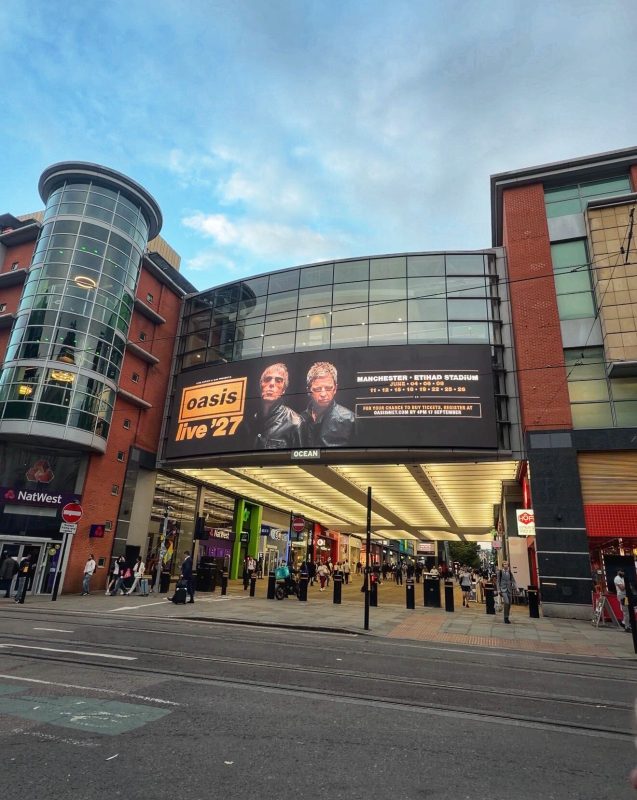
Premier League Darts is returning to Manchester’s AO Arena in 2027
Lydia Mastrolonardo
Premier League Darts is confirmed to be returning to Manchester next year.
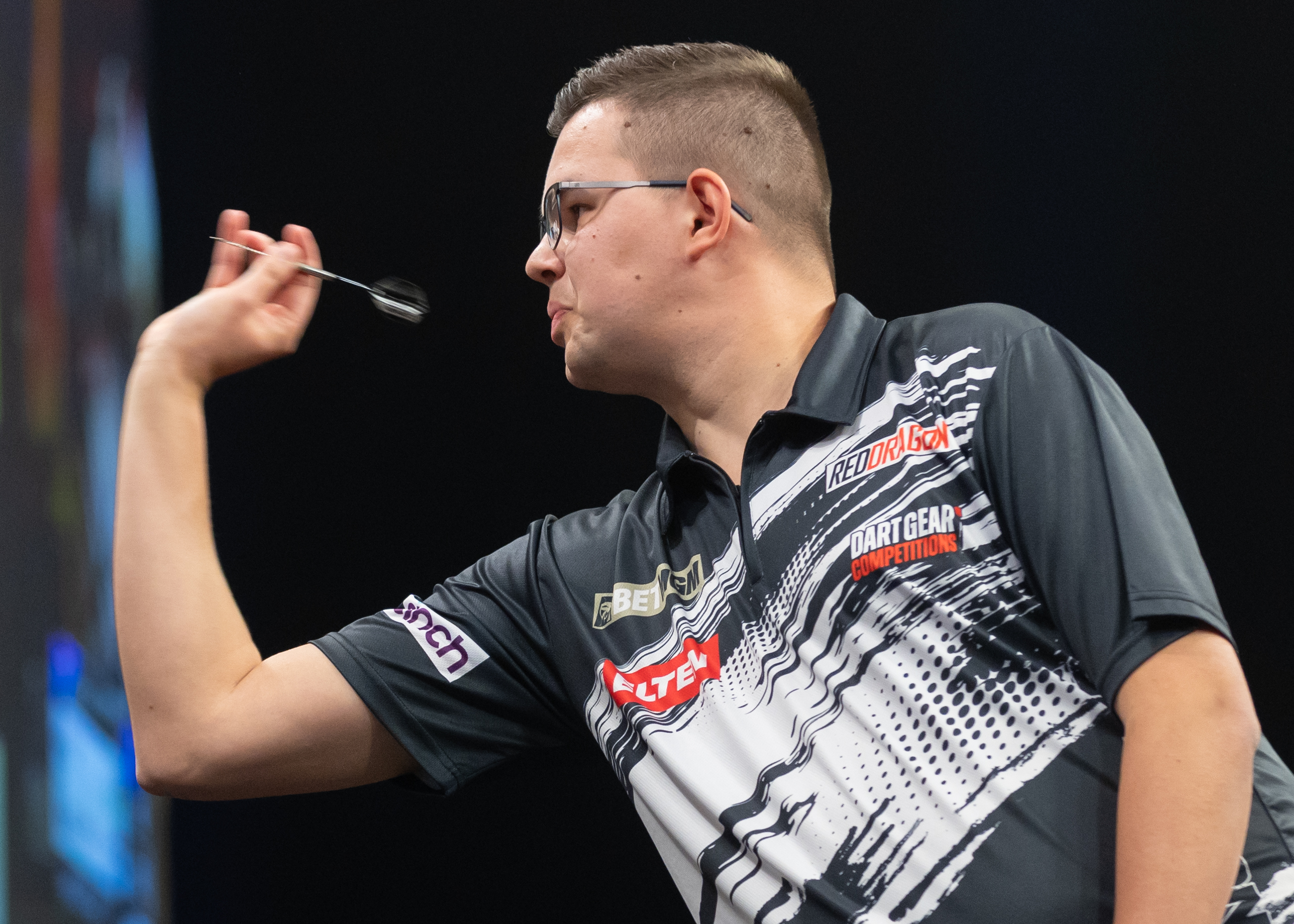
Now’s your chance to see the youngest world champion in darts history, AKA Warrington’s very-own Luke ‘The Nuke’ Littler, show us how it’s done, as next year’s BetMGM Premier League Darts lineup has just been announced this week – with various dates confirmed across 17 different cities in the UK and Europe.
And Manchester is one of those cities, as the AO Arena has shared that they are set to host an evening next April, and we couldn’t be more excited about it.
This means that we will be lucky enough to witness the biggest names in world darts all under one roof, including headliners Gian van Veen and Luke Humphries, as well as Littler.
Manchester is the only northern city to get the pleasure of hosting the event next year, as Liverpool is also on the lineup, as is Leeds, Sheffield, and Newcastle, while elsewhere in the UK, the stars will travel to Glasgow, Birmingham, London, and several other major locations.
BetMGM Premier League Darts is to be held on Thursday 8 April at the AO Arena in Manchester, and to avoid being disappointed, fans are advised to register for presale ticket access.
Following a successful season of events in 2026, tickets are expected to be like gold-dust, so don’t say you haven’t been warned.
To access the first wave of tickets, fans must become an active PDCTV Annual Member before 23:59pm on Friday 9 October. Alternatively, general sale is on Thursday 22 October 2026, but make sure not to hang about.
Featured Image – Sandro Halank (via Wikimedia Commons)
News
Andy Burnham wants to scrap the ‘unfair’ ban on drinking alcohol in football stands
Emily Sergeant
Andy Burnham has claimed he wants to scrap the ‘unfair’ ban on fans getting to drink alcohol in football stands.
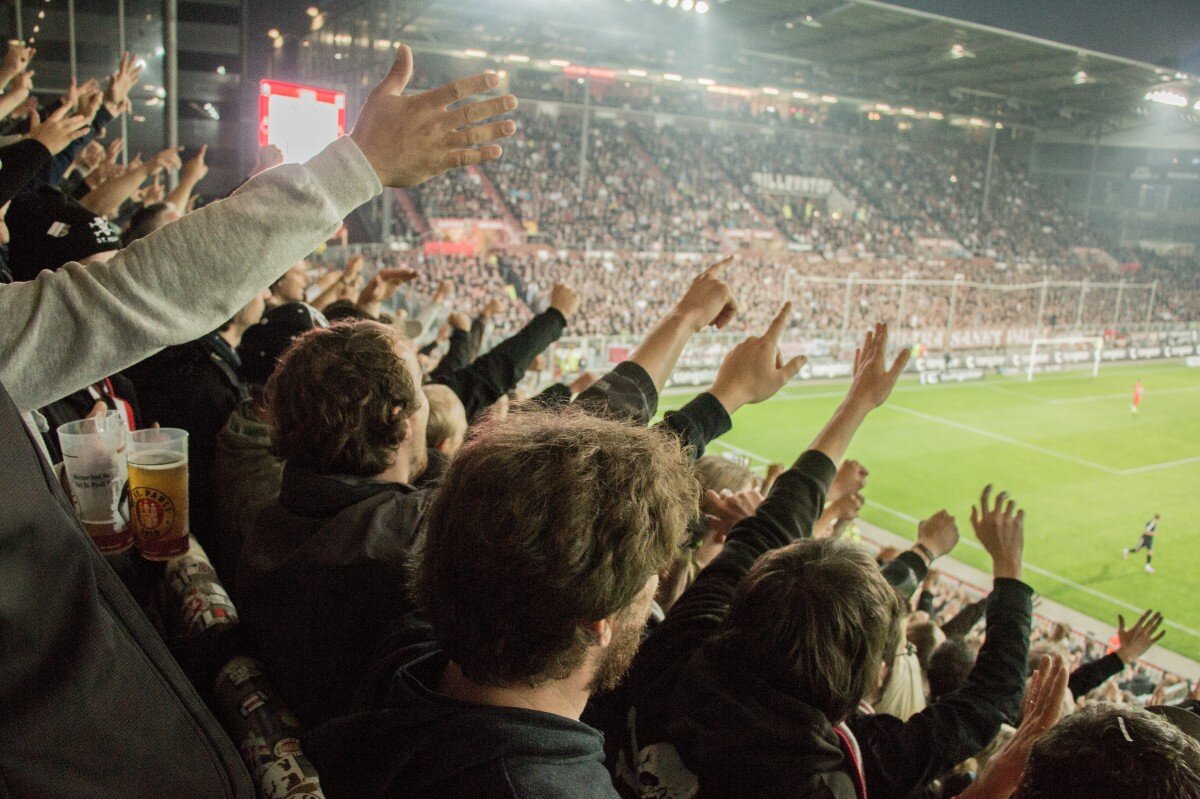
It’s a ban that’s been in place in the top five tiers of men’s football since 1985, when fears over violence and hooliganism were at their height, but now the Prime Minister has raised the question of whether drinking in football stands – or ‘drinking in sight / view of the pitch’, as it’s known formally – is actually unjust, due to the fact that same rules don’t apply to fans of other sports.
“I don’t think it’s fair for football fans to be singled out in that way,” Andy Burnham has declared this week, grabbing headlines in the process.
He continued: “I think that legislation dates to an era where football was very different, and I do believe there is a case to remove that discrimination.
“I’m not going to back away from what’s been a long-held view of mine. I don’t see how it can be fair that some supporters of one sport can be treated differently.”
The Prime Minister’s comments have been met with mixed response.
Andy Burnham wants to scrap the ‘unfair’ ban on drinking alcohol in football stands / Credit: James Kirkup | Julia Nastogadka (via Unsplash)
The Football Supporters’ Association (FSA), for example, has very much welcomed the idea, saying that it ‘totally agrees’ the legislation is ‘outdated’ and ‘deserves to be reviewed’.
Tom Greatrex, chair of the FSA, said in a statement: “The FSA has always argued that it’s unfair to criminalise football fans for having a pint while watching the match – especially since you can sit in the same seat drinking alcohol whilst watching an Oasis gig or rugby league.”
However, on the flip side, the UK Football Policing Unit said it would be ‘incredibly rash’ to change the rules without proper consultation.
“Other sports simply don’t see the violence and criminal behaviour from their supporters that football does, albeit a minority, with alcohol often playing a significant part in violent and disorderly behaviour,” it said in a statement on the matter.
The Prime Minister did state in his initial proposition though that ‘there are different ways it could be done’, hinting that it could be done ‘on a trial basis’ perhaps.
The English Football League (EFL) added that it would be ‘receptive to discussions around reviewing current legislation and permitting alcoholic drinks within view of the pitch’.
No formal details on a review have been confirmed as of yet, so fans are encouraged to stay tuned for updates in due course.

 Emily Sergeant -
29th July 2022
Emily Sergeant -
29th July 2022