The popular women’s only five-mile race in Salford is back for another year, and it’s set to be one of the biggest yet.
Returning for its 34th iteration this spring, the 2026 edition of the Swinton Ladies Race is a mix of trail, gravel and road running.
It’s also remained a great entry-level run since it began, perfect not only for all ages and experience levels, but for those looking for a step-up in ability level and challenge with the mixed terrain.
Last May saw one of the best turnouts in the event’s history, and the Swinton Running Club founders are hoping for another big showing.
Now boasting a total of 400 places, the Swinton Ladies Race has remained a long-established cult favourite among locals over the past couple of decades.
ADVERTISEMENT
Founded back in 1991 (then under the Worsley Woods Trail Race banner), it’s only grown in reputation but has still stayed true to its community-driven roots.
A one-lap course of lasting five miles, the course itself takes you through the aforementioned woodlands, as well as sections of trail and more defined paths.
ADVERTISEMENT
Other notable sites featured include the Old Warke Dam, parts of the Bridgewater Canal and said Woods, which help make up a good chunk of the largest conservation area in Salford.
As they put it: “Whether you’re training for a new challenge or looking for a sociable jog in the fresh countryside air, join us and enjoy a trail race through Worsley.”
In addition to promising chip times, bespoke medals for all finishers, free parking and plenty of other little perks, it’s also just super accessible and good value-for-money.
ADVERTISEMENT
As for the race route itself, there are drinks stations at the halfway point and finish line, first aiders on hand should anyone need help, and, of course, toilet facilities; it’s just a very well-run event all-round.
The organisers – who are teaming up with run promoters SheRACES for 2026 – do advise trail shoes where possible, especially if it’s been raining in the days leading up to the starting gun, but road trainers will still do you just fine.
Road or trail shoes are suitable for the course; we would advise trail shoes if the days leading up to the race have been extremely wet.
The price for affiliated runners is just £15, while unaffiliated participants can sign up for £17 plus a booking fee of £2 entry on the day (subject to availability). It’s also worth noting, however, that this is very much first-come, first-served. You can grab your race ticket and bib for Sunday, 3 May, right HERE.
Details released of Andy Burnham’s meetings with Manchester City owners while Mayor
Emily Sergeant
Details of Andy Burnham’s meetings with Manchester City owners during his tenure as Mayor of Greater Manchester have been released.
In case you need bringing up to speed on the situation a little first, Manchester City was found guilty back in September all of its charges related to the Premier League’s financial rules over a nine-season period, and on top of that, was also found guilty of the majority of charges in relation to its failure to co-operate with the League’s investigation.
According to the Premier League, the independent Commission found that Manchester City had arranged so-called ‘sham’ commercial deals with a number of its sponsors.
These were part of a disguised funding scheme – with those sponsors only required to pay a portion of the relevant sponsorship fees.
The remainder was then funded by Abu Dhabi United Group Investment & Development Ltd (ADUG), which owned the club.
The Commission also concluded, as quoted by the Premier League, that the club had ‘made concerted efforts to stop and frustrate the Premier League investigation’.
Within the past week or so, it has since come to light that now-Prime Minister Andy Burnham had dealings with Manchester City during his tenure as Greater Manchester Mayor, and Greater Manchester Combined Authority (GMCA) has now issued a public statement, giving details on the matter and what these ‘dealings’ entailed.
A spokesperson for GMCA confirmed that Burnham had a ‘formal meeting’ with Man City Chairman, Khaldoon Al Mubarak, back in October 2021.
The statement reads in full: “In October 2021, Andy Burnham, in his role as Mayor of Greater Manchester, had a formal meeting with Khaldoon Al Mubarak at the UK Government’s Global Investment Summit arranged by the Department for International Trade.
“In his capacity as Mayor, he was a guest of Manchester City FC at home matches on a small number of occasions, including attending Vincent Kompany’s testimonial match in September 2019, where he met the Chairman informally in the stands. These have been declared in the usual way.
“Also during his time as Mayor, representatives of Greater Manchester sporting clubs would routinely join business delegations as part of Mayoral international visits.
“This included representatives from Manchester United travelling to Austin and Dublin, Lancashire Cricket Club joining a delegation to India, and Manchester City FC staff supporting visits to China and Japan.”
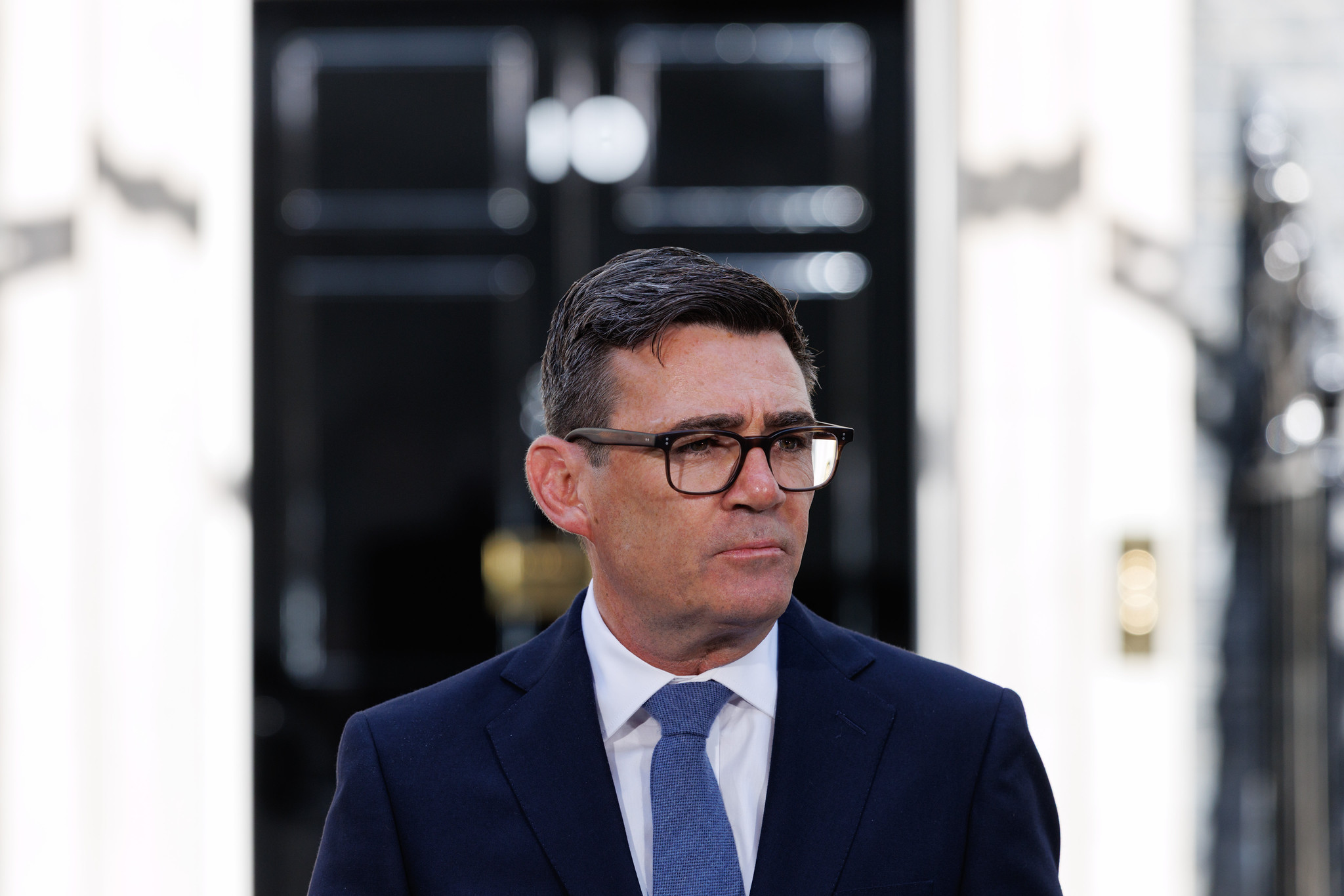
Featured Image – Lauren Hurley / Number 10 Downing Street (Press Image via Flickr)
Sport
Multiple arrests made for ‘tragedy chanting’ and police officer assault as Man City defeated Liverpool
Emily Sergeant
Multiple people were arrested over the weekend as Manchester City defeated Liverpool in a Premier League clash.
Merseyside Police have confirmed that a total of 10 people were arrested during the policing operation at Liverpool’s home ground of Anfield as they hosted Manchester City on Sunday 11 October.
One man was arrested on suspicion of assaulting a police constable, five were on suspicion of tragedy chanting, one on suspicion of being drunk and disorderly, two for affray, and one on suspicion of throwing items onto the pitch.
Police are now appealing to the public, and are particularly looking to speak to witnesses of the assault of the officer.
At around 6:35pm, as fans left the stadium, a police officer sustained a ‘serious facial injury’ during the arrest of a man on Anfield Road, and was subsequently taken to hospital for treatment but is now recovering at home.
Investigating officers are now conducting enquiries, speaking to witnesses, and analysing CCTV and camera phone footage.
Chief Inspector Leanne Hobin said it’s ‘extremely disappointing’ that an officer has sustained a serious injury while carrying out their duty.
“I hope the arrests send a clear message and act as a deterrent to others,” Chief Inspector Hobin continued. “Anyone who engages in this abhorrent behaviour risks ending up in custody and getting a criminal record.
“Despite the actions of a few, the overwhelming majority of the 60,000 fans in attendance behaved well and I want to thank them for their co-operation.”
Manchester City ended up defeated Liverpool 3-0 during the Premier League clash at Anfield.

 Danny Jones -
30th March 2026
Danny Jones -
30th March 2026