The concept of déjà vu can be pretty confusing, right?
You can say that again.
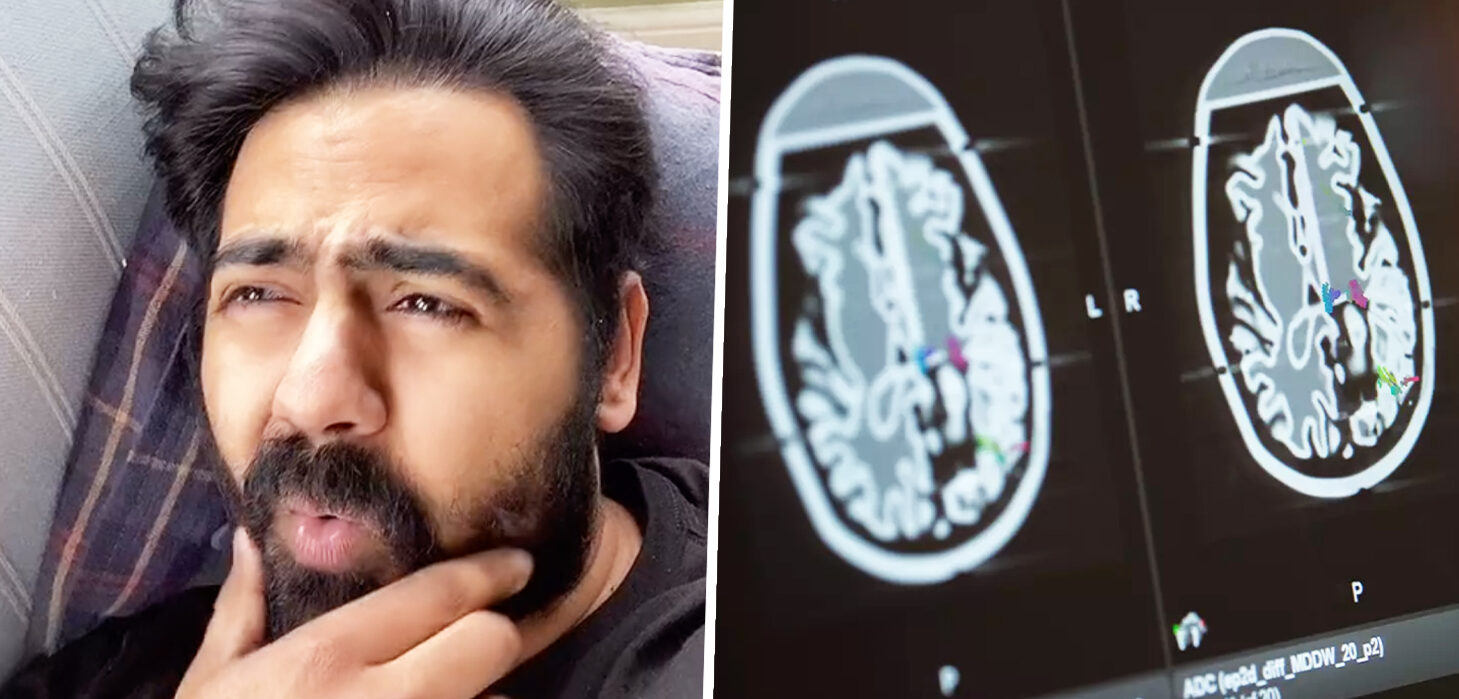
It stands to reason that over the years there have been many theories that try to explain the weird sensation that is déjà vu and why we get it, but an NHS doctor – who has over 2.5 million followers on TikTok – has potentially put an end to any further debate about what may cause it.
In a short informational video posted to the video sharing social media platform – that started out with a classic repetition joke, just in case you were unsure what the phenomenon actually was – Dr Karan Raj explained that: “It’s a glitch in your brain.
“It’s when a new short term memory gets accidentally stored in the long term memory, so it feels like it’s happened before, because our brain is telling us it’s an old memory.”
ADVERTISEMENT
He then concluded using the very technical term: “It’s just sloppy admin by your brain.”
Well it may not quite have been what we were expecting, but it certainly does make sense.
ADVERTISEMENT
Before Dr Karan – who is well-known for his #schoolwithdrkaran series on TikTok and across various other social media platforms – stepped in to explain the phenomenon in simple terms, there have been many other theories to account for déjà vu.
It’s believed that déjà vu affects somewhere between two-thirds and four-fifths of all people, and is something which has fascinated scientists over the years.
However, they remain divided as to the cause.
ADVERTISEMENT
Some experts believe it originates in the medial temporal lobes of the brain – which control long-term memory – however, they are unable to study the phenomenon deeply because déjà vu, by its nature, is fleeting and brief meaning it cannot be recorded or tracked, as it just happens and then goes away almost immediately.
Scientists have also looked at epilepsy to see whether it holds the key to déjà vu, as seizures also begin in the medial temporal lobe, and according to The Conversation, some researchers reckon they could somehow be linked.
It is possible to study the growth of seizures – which are essentially electrical overloads in the brain – and track them as they pass through the brain, and through this theory, déjà vu is also believed to be an electrical overload, stimulated in the rhinal cortices portion of the brain and then impacted upon the medial temporal lobe, and this would mean that a false signal is sent, implying that the brain has seen something before, even when it hasn’t.
Another theory holds that déjà vu occurs due to a failure of memory.
Although our brain’s “sloppy admin” still remains somewhat unexplained, Dr Karan has done a pretty good job of breaking down déjà vu for the masses, amassing over 338K views in the process.
You can find more of Dr Karan Raj’s videos on TikTok here.
Trending
James Acaster reveals eerie song all Traitors contestants are forced to listen to before every roundtable
Emily Sergeant
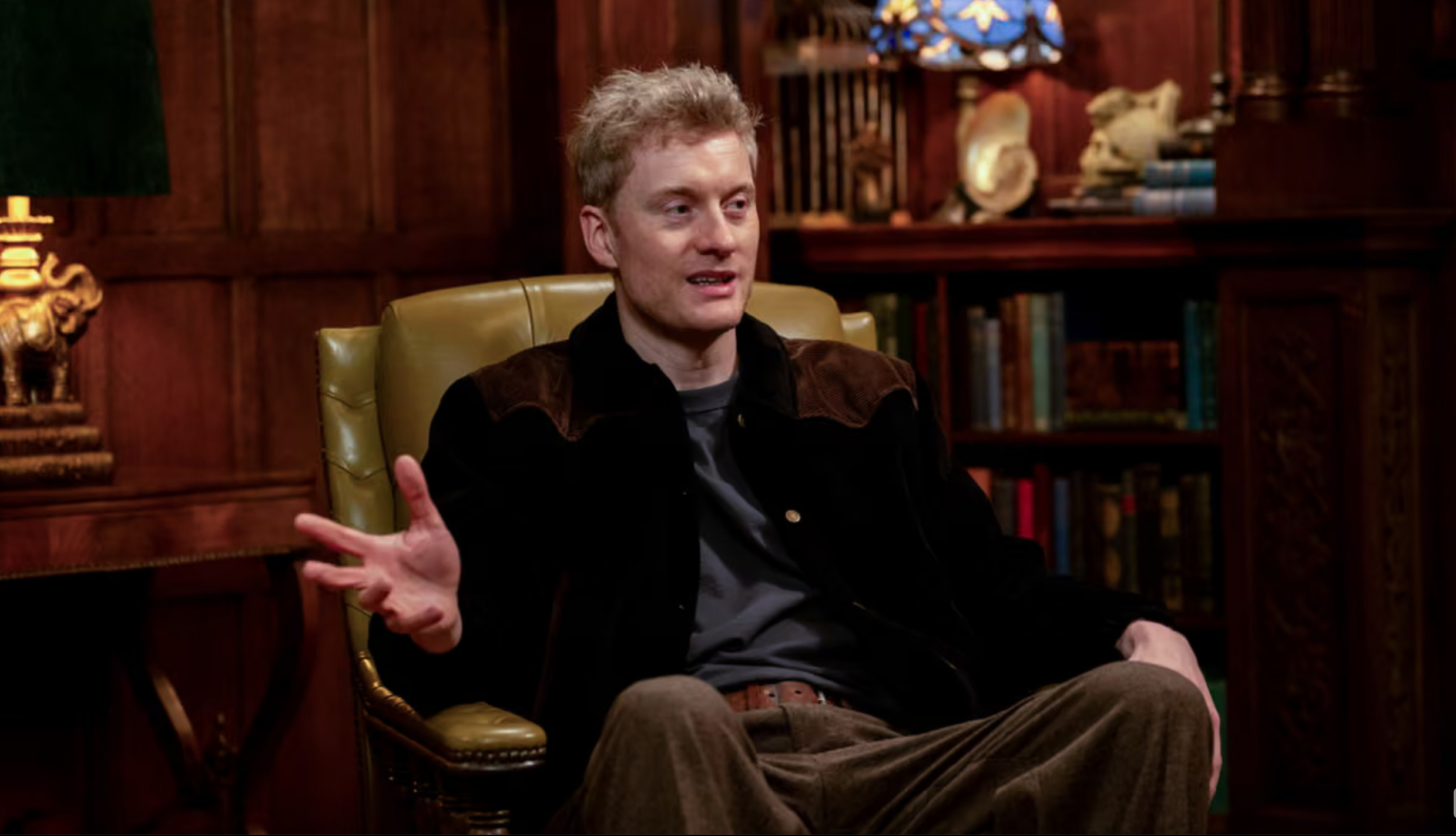
James Acaster has revealed the eerie (and pretty surprising) song that all Traitors contestants are forced to listen to before every roundtable.
In case you’ve been living comfortably under a rock, you’ll probably be aware that comedian James Acaster is currently a contestant on this current season of BBC‘s smash-hit reality TV competition show, The Celebrity Traitors – a show that viewers in their millions are tuning into each week, with some big names on the cast.
Acaster is currently (spoiler alert… but it shouldn’t be at this point, we are several weeks in after all) one of three Traitors competing on the show, and he’s doing a pretty good job at it.
But we wonder how much of his success can be put down to the producers’ love of a certain song they like to play before every roundtable? Probably next to none, but it’s surprising to find out how much of an integral role the tune plays though.
The song we’re referring to here, it has been revealed, is ‘The Hanging Tree’ – a folk ballad made popular by The Hunger Games.
‘The Hanging Tree’, composed by James Newton Howard and Suzanne Collins, was famously sung by Jennifer Lawrence’s character Katniss Everdeen in the third instalment of the film franchise, The Hunger Games: Mockingjay – Part 1.
The lyrics are as follows:
Are you, are you Coming to the tree Where they strung up a man They say who murdered three? Strange things did happen here No stranger would it be If we met at midnight In the hanging tree
So, as you can see, the song does make reference to ‘murder’, which is a key part of The Traitors game (not real murder, of course), but even with that context, we’re still not sure why the producers are keen to play it out before every roundtable.
During a viral TikTok clip from an on-stage Q&A this week, Acaster revealed the song’s usage to the audience: “You all walk in silence down the corridor, and you all sit down, and they don’t announce it’s gonna happen.
“The first time this will completely blindside you, but they do it every single roundtable. They play that song from The Hunger Games, that ‘coming to the tree’ song. Like acapella, Jennifer Lawrence.”
He continued: “It was every f***ing time, it was the only song we heard the whole time we were in there, and all day I would have it in my head constantly, everyone would, I’d go ‘have you got coming to the tree in your head?’ and they’d go ‘yes, it’s in my head, again’.”
Viewers who watch the show may have spotted the song being played in the background or transition between certain scenes, but now it’s been revealed that the contestants hear it too.
Who would’ve thought?
Featured Image – Euan Cherry / BBC / Studio Lambert
Trending
Tickets officially go on sale for rare 70mm IMAX screenings of Dune: Part Three in Manchester
Emily Sergeant
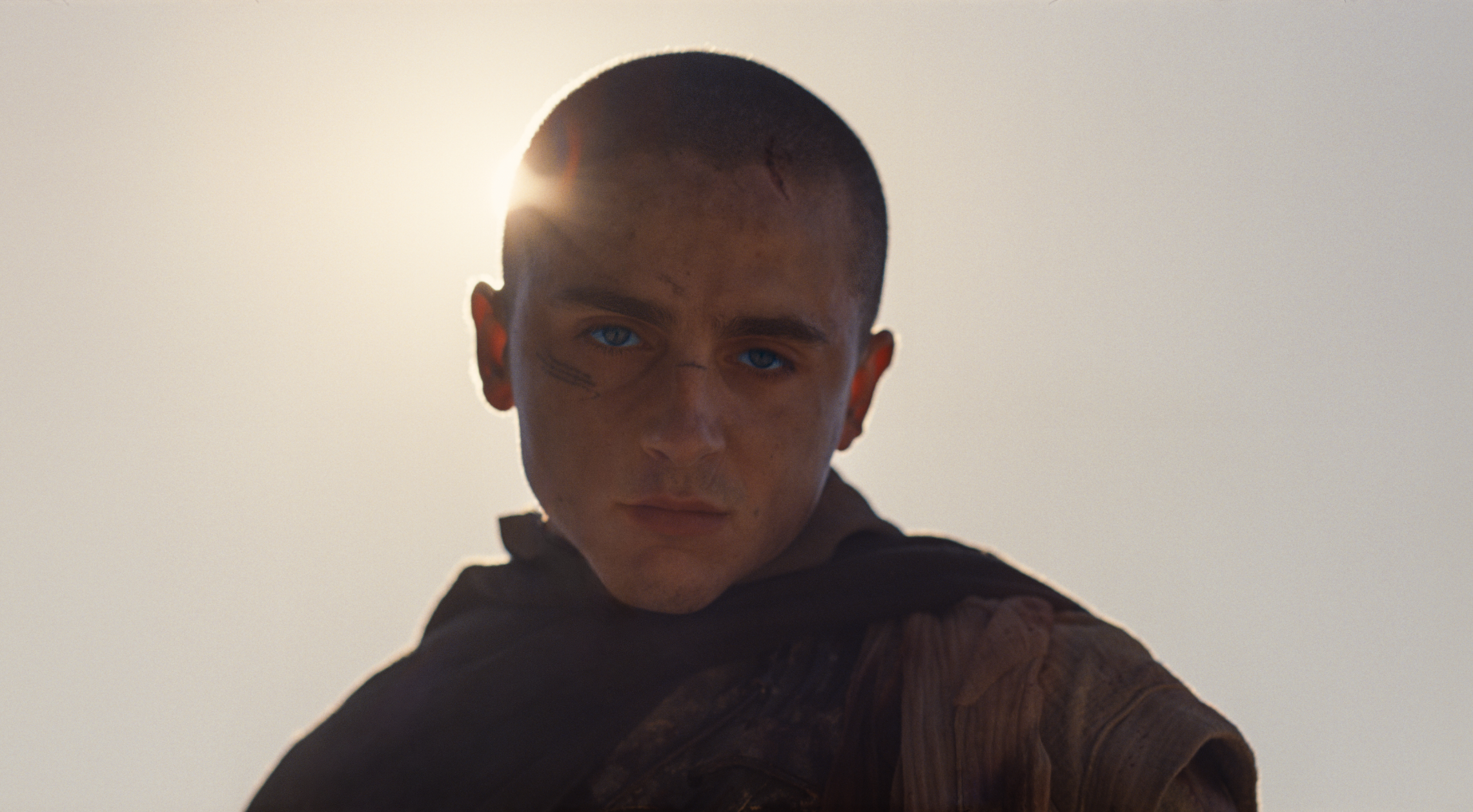
Tickets have now officially gone on sale for rare 70mm IMAX screenings of Dune: Part Three in Manchester.
Arriving on screens from 18 December and gearing up to be one of the most anticipated films of the year, Dune: Part Three – which is the third and final instalment in director Denis Villeneuve’s Dune franchise – will be screening in IMAX 70mm at Vue Manchester Printworks, one of only three venues to show it in this format nationwide.
There are only 40 other venues across the globe showing the film in IMAX 70mm, and Manchester is the only city outside of London to screen the blockbuster this way too.
Based on the novels of Frank Herbert and set nearly two decades after the previous film, Dune: Part Three features an ensemble cast of all-star names led by Timothée Chalamet and Zendaya.
Alongside them will be Jason Momoa, Florence Pugh, Anya Taylor-Joy, Rebecca Ferguson, Robert Pattinson, Charlotte Rampling, Javier Bardem, and Josh Brolin.
After seats for a special early screening of the film in IMAX sold out in less than 30 minutes last month, the IMAX 70mm showings – which officially went live today (20 October) – are expected to be snapped up fast by film fans in Manchester.
“A decade in the making, Denis Villeneuve’s epic Dune trilogy is reaching its dramatic conclusion this December,” explained Dean Cross, who is the Senior Screen Content Manager at Vue.
“As the only venue outside of London to be screening Dune: Part Three in IMAX 70mm, it’s a privilege for us to offer this unique way to experience the film.”

 Emily Sergeant -
28th December 2020
Emily Sergeant -
28th December 2020