A lot of us are partial to a tipple of two over the festive season, but it seems Manchester is taking the term ‘Merry’ Christmas to a whole new level.
But one thing’s for sure, we probably won’t be feeling too ‘merry’ the morning after.
A banging headache, waves of nausea and the room spinning around you – we’ve all been there the day after a heavy night of drinking, and it shows with the over 168,000 people searching for “hangover cure” every year in the UK alone, but even though pubs and bars around the country currently have their doors closed due to the coronavirus (COVID-19) pandemic, sales of alcohol in supermarkets have jumped by 22%, which suggests that more of us than ever are drinking at home.
To see which places are likely to fair the worst this Christmas, health supplement company YourZooki has taken to Google search data to find out how many people in each UK city were searching for the term “hangover cures” per year, and Manchester has come in at number three on the top 10 list.
With over 3120 annual searches, this is equal to 7.88 Mancunians searching for hangover cures per 1000 of the population.
ADVERTISEMENT
Here’s the full top 10 list:
Rank
Location
Overall Annual Searches
Searches per 1,000 of city population
1
Newcastle
1,680
8.73
2
Leeds
3,840
8.43
3
Manchester
3,120
7.88
4
Brighton
1,080
7.77
5
Glasgow
3,840
6.49
6
Belfast
1,680
6.11
7
Edinburgh
2,520
5.14
8
Bristol
3,120
5.05
9
Portsmouth
600
4.32
10
Aberdeen
840
4.27
Well then.
ADVERTISEMENT
It certainly sounds like we’re set to feel a little worse for wear over the coming weeks.
To help these the citizens of city hangovers though, YourZooki has also enlisted the help of nutritionist Amanda Callenberg, who has provided her top tips to curing a hangover.
Amanda says: “With Christmas being a time for celebrations and indulgence, many of us consume a bit too much alcohol over the festive period, often leading to unpleasant hangovers with symptoms such as headaches, fatigue, dry mouth, nausea and vomiting – which none of us wants to experience over Christmas time.
ADVERTISEMENT
“Although alcohol is perfectly safe to enjoy in moderate amounts, it does contain the toxic chemical ethanol – a diuretic which means it helps our body to get rid of fluids – and when we become severely dehydrated, our bodies can’t remove these toxins, so they stay circulating in our bodies.
“It is this dehydration that causes such classic hangover symptoms.
“The best way to avoid a hangover over the Christmas period is to know your limits and limit how much alcohol you drink in one sitting, however, we all know how hard this can be when there is an unlimited supply of prosecco in the kitchen, so other ways you can lessen, and possibly speed up your hangover recovery are:
Eat a balanced meal before you begin drinking: Include fat, protein, and carbohydrates as food in the stomach slows down the absorption of alcohol – this shouldn’t be hard over Christmas.
Hydrate: Alcohol is a diuretic, which means it causes higher levels of urination leading to dehydration, so you should drink plenty of water, before, during and the day after drinking, to keep yourself well hydrated. Aim to drink a glass of water between drinks and have at least one big glass of water before going to sleep.
Replace lost nutrients: Load up on lots of fresh fruit and vegetables the next day to give yourself a vitamin boost and replace the vital electrolytes and nutrients lost due to excess urination. Supplementing with water-soluble vitamins like vitamin C and the B vitamins may also be helpful to make sure you’re replacing the vitamins lost from increased urinary excretion. Being depleted in Vitamin C can cause tiredness and fatigue, a weakened immune system, and difficulties concentrating.
Have a hearty breakfast the following day: Alcohol can inhibit glucose production causing low levels of blood sugar, so make sure you have a good hearty breakfast the next day, or a snack before bed to maintain your blood sugar levels.”
Trending
Motorists warned of common winter driving habit that could land them with annoying fines
Emily Sergeant
With the temperatures drastically dropping now as we head into winter, motorists are being warned against a common driving habit.
On a wintry morning when the windscreens are frozen and your hands are equally as frozen too, it’s pretty common for drivers to start the engine, turn the heater right up, and remain stationary for several minutes to warm the car up before setting off on their journey… but did you know that doing this could see you, inadvertently, fall foul of the law?
That’s right – as ridiculous as it sounds, leaving your car engine running ‘unnecessarily’ while parked on a public road is illegal.
And to make matters worse, the rules on ‘engine idling’, as it’s known, apply regardless of whether the driver is using the heating, waiting for someone, or simply sitting in the vehicle.
Known as a stationary idling offence, Rule 123 of the Highway Code states that drivers must not leave a vehicle’s engine running unnecessarily while it is stationary on a public road, and according to the rule, a fixed penalty of up to £80 can be issued, right there and then.
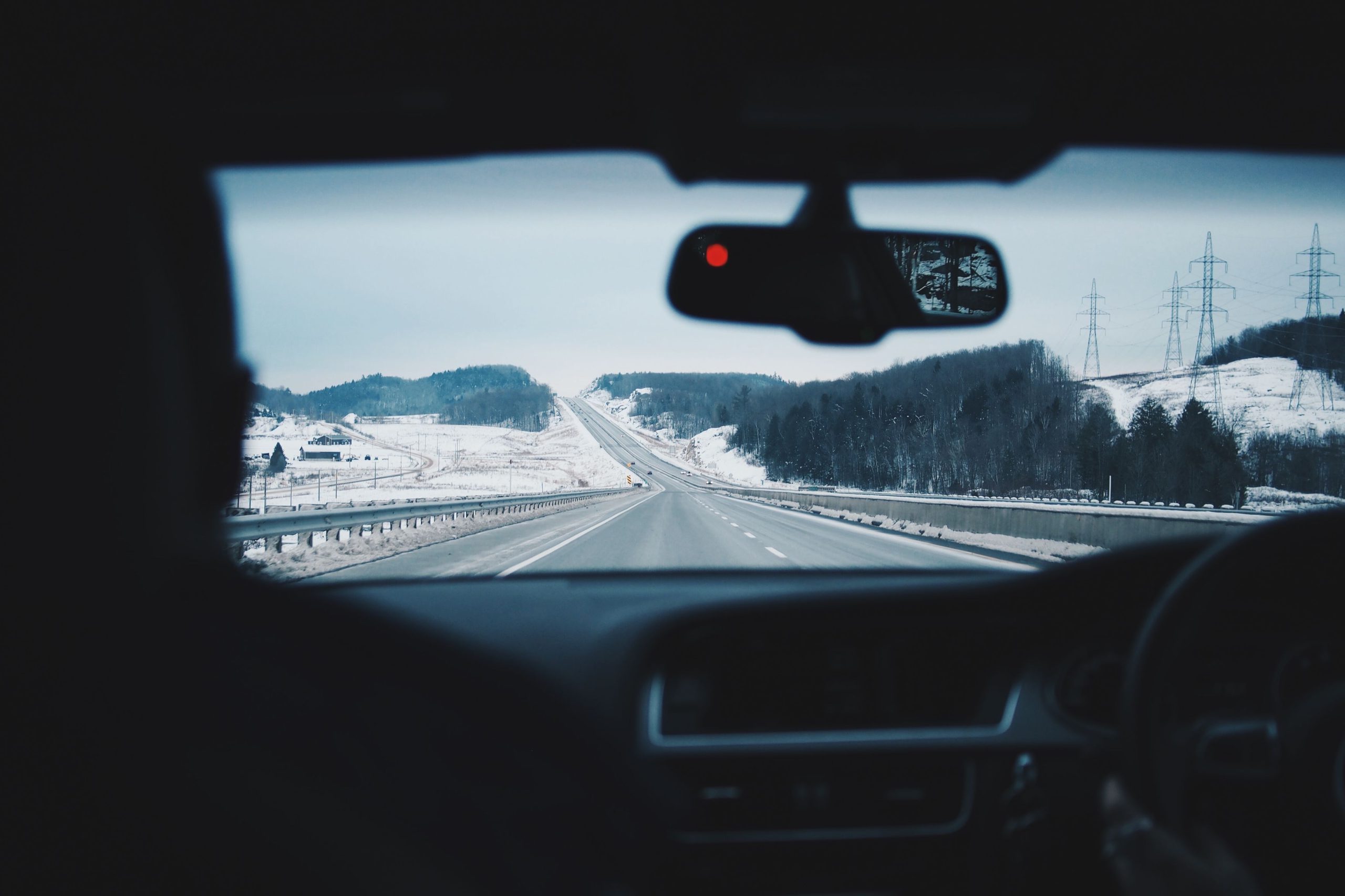
Motorists are being warned of a common winter driving habit that could land them with annoying fines / Credit: PickPik | Wikimedia Commons
Fines will only be handed out if a motorist is stopped by a police officer who asks them to switch the engine off, and they fail to comply.
“However tempting it might be to sit in a vehicle with the engine running and the heater on to warm up, we strongly advice against it,” commented RAC senior policy officer Rod Dennis.
“As well as polluting the air and wasting fuel, drivers who leave their engines idling unnecessarily on a public road also risk an on-the-spot fine of £80. On cold mornings, the best approach is to clear any ice or snow properly and ensure windows are fully de-misted before setting off, then get on your way and let the car warm you up.”
There are some exceptions to the rule, however, as keeping the engine running is permitted in certain circumstances.
This includes when a vehicle is stationary because of traffic conditions, when the engine needs to run so a mechanical fault can be investigated, or if certain work is being carried out on the side of the road.
Manchester has been named the most ‘pet-friendly’ city in the UK
Emily Sergeant
A new index has revealed the best cities for pet owners in the UK, and it’s great news for Manchester.
Millions of us share our home with a pet, and making sure we give them the best possible life is often at the forefront of our minds, right?
While there’s a lot people can control about their pet’s lifestyle, many of the factors that affect their happiness are determined by location, and sadly for the 83% of the UK population who live in more urban areas, the challenges to give a pet a good life can feel even greater – with less access to green space, and fewer social spaces to take dogs, for example.
But when it comes to cities, which are the best ones to own a pet in? Well, pet insurance firm Lassie has decided to get to the bottom of this and do some updated research.
Lassie analysed data across nine metrics that determine a pet’s wellbeing to create a ‘Pet-Friendliness Index’, and using this index, the UK’s five most populous cities were each assigned a score out of 100 and ranked to determine which is the most and least pet-friendly.
/ Credit: Gustavo Fring (via Pexels) | Manchester City Council
The index looks at four main categories to gauge how suitable each city is for pets – green space, environment, health, and infrastructure.
Then, within these, experts compared a range of measures, including air quality, temperature, costs, access to vets, road safety, pet-friendly rental housing, social opportunities, and many others.
And Manchester has taken the stop spot, with a score of 66.
The UK’s Most Pet-Friendly Cities
Manchester
Birmingham
Liverpool
Leeds
London
In-keeping with its general growing popularity as a city, Manchester leads in the health category, with a high number of vets per head and the lowest rate of serious road collisions, while also ranking highest in terms of publicly listed dog friendly venues per resident.
“We tend to think that being a good pet owner comes down to what we do at home, but your postcode could be playing a much bigger role in your pet’s happiness and health than you realise,” commented Hedda Båverud Olsson, who is the CEO and co-founder of Lassie.
“Our findings show that not all cities are created equal when it comes to pets. The difference between living in Manchester and London isn’t just about green space or somewhere to walk your dog, it can mean higher vet bills, poorer air quality and fewer veterinary practices nearby.”
Featured Image – Paul Harris / National Trust (Supplied)

 Emily Sergeant -
18th December 2020