Champagne drinkers are being advised to think carefully before pouring themselves a glass of fizz this week, as a man has died after drinking from a spiked bottle.
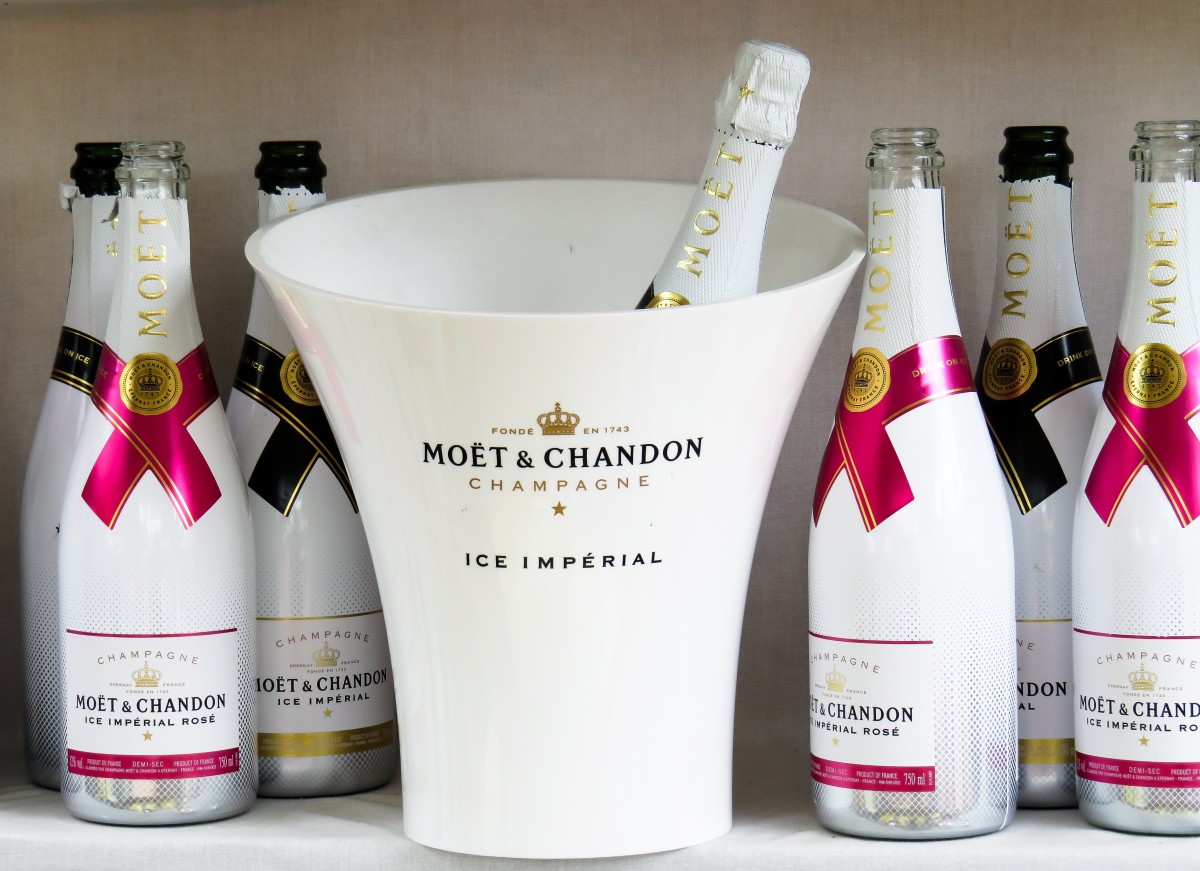
Moët & Chandon Imperial Ice bottles are being recalled over fears they may have been contaminated with potentially lethal doses of the class-A substance MDMA, also known as ecstasy.
A food safety watchdog has reported that there have been a series of reports of ecstasy poisoning amongst people who have drunk bottles of Moët & Chandon Ice Imperial last month.
The first (and, according to its makers, the only) champagne designed to be drunk over ice has caused problems for a number of drinkers, with eleven people falling seriously ill last month as a result of the contamination.
One man in Germany has tragically died as a result of consuming the laced champagne.
Several incidents have occurred involving the three-litre double-magnum bottles, causing the drinkers to become very unwell in both Germany and the Netherlands.
The Times reports that Herald Georg Z, 52, died after drinking a glass of the tainted champagne whilst dining in a restaurant in the Upper Palatinate region of Germany.
ADVERTISEMENT
According to authorities, the bottle from which the man had drunk contained as much as 100g of MDMA.
On average an ecstasy pill contains 75 to 100mg, meaning that the spiked bottle held roughly a thousand times more than what might be deemed ‘safe’ by some recreational users.
Eight other guests were also poisoned at the dinner event, which had been organised to celebrate a friends’ appearance on a TV dating show.
ADVERTISEMENT
Drug smugglers are suspected of lacing the bottles with drugs, according to reports in The Times of Malta, which adds that the champagne was likely emptied out and replaced with pure liquid ecstasy.
German police have said they think the bottle was delivered to the restaurant by mistake.
In the Netherlands, four more people found themselves taken seriously ill after drinking from bottles that had been ordered online.
“Touching and/or drinking the contents of the bottles is life-threatening,” said the Netherlands Food and Consumer Product Safety Authority in a statement.
They added: “Even dipping a fingertip in the liquid and tasting it can lead to serious health problems, even without swallowing. Taking a small sip can be fatal.”
M&S launches new Too Good To Go partnership – with NINE Greater Manchester stores signed up
Emily Sergeant
M&S has finally decided to partner with food waste charity, Too Good To Go.
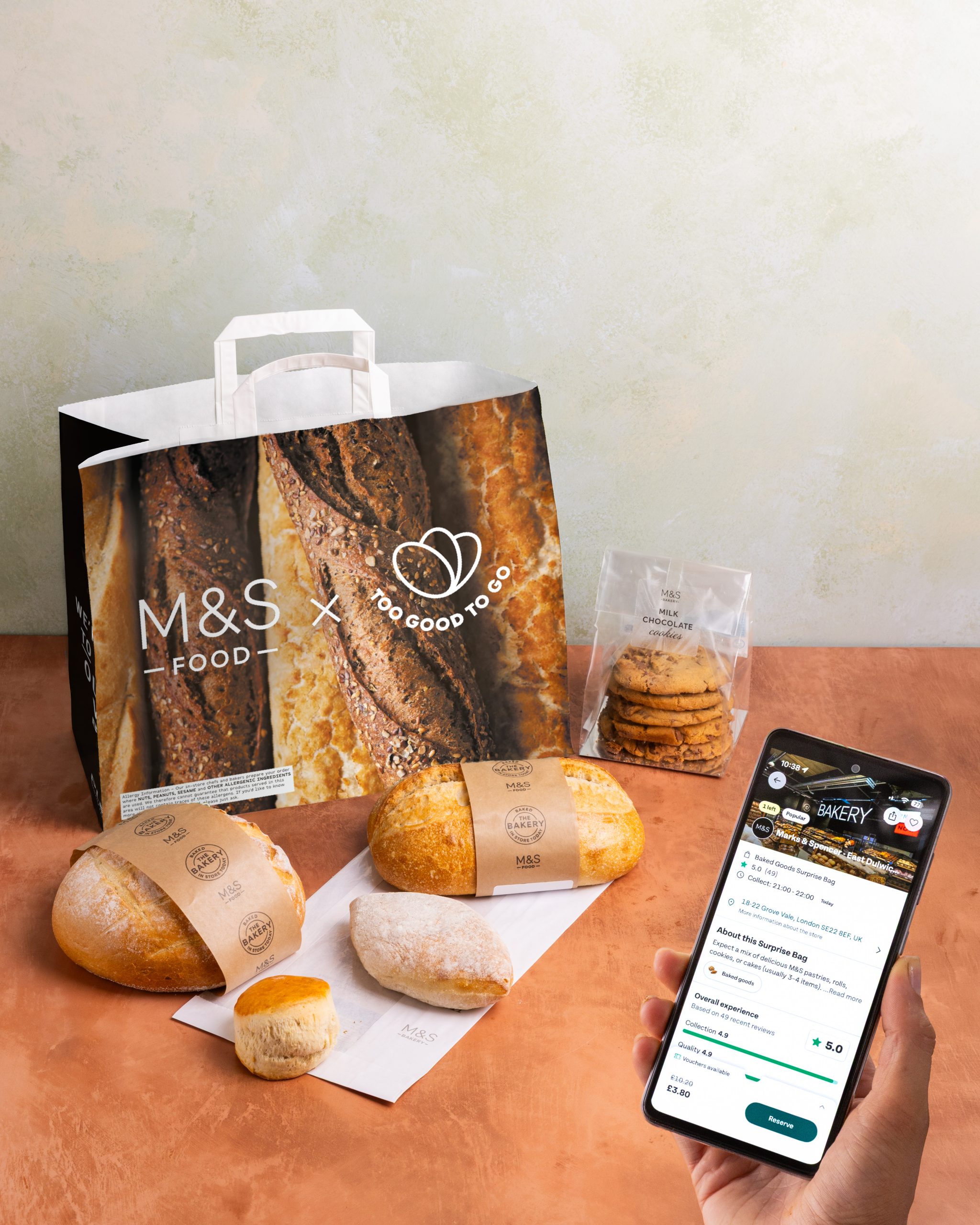
As of yesterday, a total of 350 M&S stores across the UK – including nine major sites in Greater Manchester – now offer new Too Good To Go ‘Surprise Bags’ that are made up of surplus bakery goodies, giving customers the chance to collect quality food at a reduced price at the end of the day directly from in-store bakeries.
The launch follows a trial in a select number of UK stores, and the Surprise Bags will include bakery treats such as pastries, cookies, and fresh bread.
The partnership with Too Good To Go is the latest move in M&S Food’s work to reduce surplus food and ensure good food doesn’t go to waste.
Greater Manchester stores that will be taking part in the new Too Good To Go partnership include Manchester Market Street, Trafford Centre, Stockport, Spinningfields, Prestwich, Wigan Robin, Bolton Middlebrook, Bury The Rock, and Ashton Moss.
Each of the Surprise Bags will include three to four bakery products to a minimum retail price of £10.20 for just £3.80.
Available Monday to Saturday, customers can order their Surprise Bags through the Too Good To Go app, and collect them one hour before their local store closes.
“It’s great to be involved in this new launch with Too Good To Go to help reduce food waste,” commented Chris Parker, who is the Store Manager at M&S Bolton Middlebrook.
“Our in-store bakeries are incredibly popular with customers, and at the end of the day, customers will now be able to order and collect surprise bags offering fantastic surplus bakery products at great value.
“By finding new ways to re-purpose surplus products, we’re helping ensure more food is enjoyed rather than wasted. This partnership is another positive step towards reaching our goal of halving food waste by 2030.”
Featured Image – Supplied
Trending
Both Manchester United and Manchester City named as teams with the least amount of local fans
Emily Sergeant
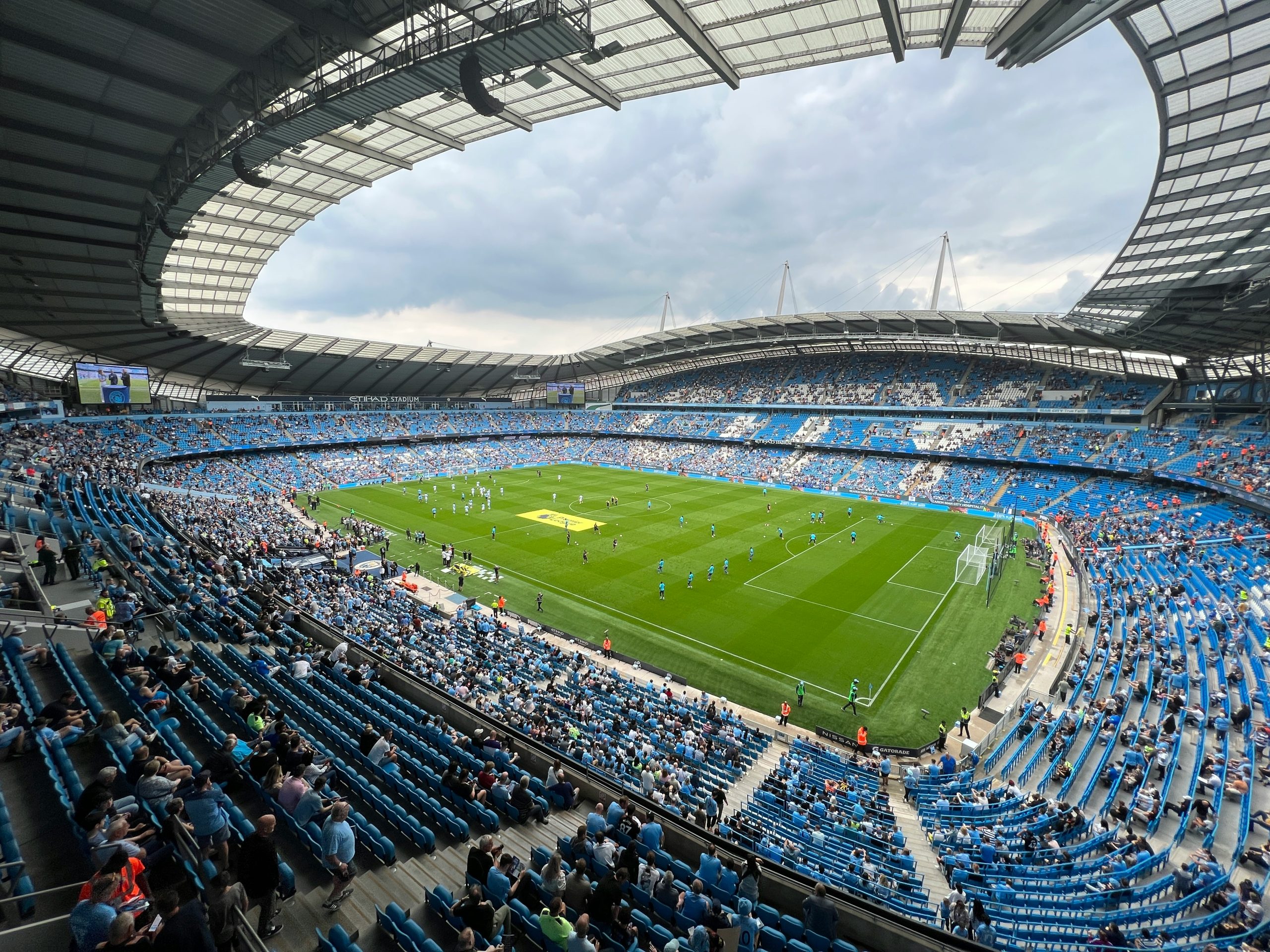
Both Manchester United and Manchester City have been identified as being teams with the least amount of local fans, according to a new survey.
We all know that supporting a local team can be seen as a mark of credibility among a certain kind of football fan, while on the flip side of that, not following a local team is often associated with being a ‘glory hunter’. But which Premier League clubs have the highest – and lowest – proportion of supporters living close to home?
Well, YouGov decided to use its profiles data to analyse the fanbases of all 20 Premier League clubs for the 2026-27 season to get the answer to this once and for all.
And it’s fair to say that it’s not looking the best for the Manchester teams.
The study found that, overall, Brighton & Hove Albion is the Premier League’s most local team – with 56% of fans based in the South East.
Sunderland (50%) and Nottingham Forest (49%) supporters are the next-most likely to live in the same region as their teams, followed by Aston Villa, Brentford, Ipswich, Leeds, Fulham, Hull, and Crystal Palace fans rounding out the top 10.
At the other end of the table, Manchester United has the second-lowest proportion of local supporters, with only a quarter based in the North West (23%), with one in six (17%) actually living in London instead.
And then as for Manchester City – who are widely considered to be the most successful team of the modern era – it has ranked fourth-bottom for local fans, as a quarter of the club’s supporters are based in the North West, with a fifth based in London (19%).
But although both United and City have found themselves towards the bottom end of the ranking, they are not the worst offenders.
That title, unfortunately, does belong to another North West team though – Liverpool.
Liverpool is the club with the lowest proportion of ‘local’ supporters, as just a fifth are based in the North West (21%) with the next highest concentration of fans can being found in London.

 Georgina Pellant -
7th March 2022
Georgina Pellant -
7th March 2022