One Spanish coastal city has now introduced strict new legislation which could see swimmers fined up to £650 if they are caught urinating in the sea.
It seems the carefree days of heading out into the ocean to spend a penny after a long day at the beach are now a thing of the past in the city of Vigo in Spain’s northern Galicia region, as authorities have now made the use of the outdoor space for lavatory purposes an offence carrying a fine of up to €750 (£650).
The city’s updated regulations state that “physiological evacuations in the sea or on the beach” will be considered an infraction of health and hygiene laws.
Luckily though, for anyone who does find themselves getting accidentally caught out, officials did say they are instead planning to install public toilets on beaches during the high season to accommodate demand.
Ahead of the busy summer holiday season, it’s not just urination that could land tourists to the city in a bit of trouble though.
ADVERTISEMENT
Strict new legislation which could see swimmers fined up to £650 if they are caught urinating in the sea / Credit: Silvija74 (via Pixabay)
Galicia is known for its strict town halls and beach laws, and some of Vigo’s other beach bylaws also include fines for practices such as using soap in water on the beach, or in facilities for washing such as showers or footbaths.
People are also strictly not permitted to throw waste of any kind on the sand, or make use of any BBQs, grills, gas cylinders, or other items which may pose a fire hazard.
ADVERTISEMENT
Vigo City Council explains that the new urination rule, in addition to its other practices, are part of a drive to clean up local beaches in the area.
It also confirmed that more portable loos will be installed in areas that currently lack toilet facilities.
The city of Vigo in the Galicia region says urinating in the sea is an infraction of its health and hygiene laws / Credit: Pxhere
Vigo joins a growing number of other resorts and tourist hotspots in Spain to have introduced new laws over the years in a bid to make beaches a place for everyone, and surprisingly, it isn’t even the first Spanish city to ban urination in the sea either.
Classic FM will be back playing calming music for anxious pets this Bonfire Night
Emily Sergeant
Classic FM will be back playing calming music for anxious pets during this year’s fireworks season.
Bonfire Night may be loved by us humans for the spectacular firework displays and all the festive-themed activities that come along with it… but sadly, the November holiday isn’t quite so fun for our four-legged friends.
Loud bangs, flashing lights, and unpleasant strong smell of spent explosives are just some of the reasons why fireworks are frightening to pets.
Not only that, but with multiple bangs occurring from numerous displays across this time of year, pets are rarely able to pinpoint when and where the booming explosions are coming from, therefore creating even more anxiety around this time of year.
Classic FM will play calming music for anxious pets during this year’s fireworks / Credit: DESIGNECOLOGIST (via Unsplash)
Which is why, for the ninth year running now, Classic FM is once again teaming up with the RSPCA for two Pet Classics programmes packed with ‘the most soothing and comforting classical music’.
The music has been handpicked to help calm and settle any anxious pets.
A survey by the RSPCA revealed that almost two-thirds (63%) of animal owners reported their pet was distressed during fireworks season, and that playing relaxing music was the most common way (36%) to help calm or prepare their animal.
Presenters Dan Walker, Aled Jones, and Dawn O’Porter will each host a night of the specially created programme to help keep the nation’s pets calm through the whizzes and bangs.
Dan will present the first programme on Bonfire Night itself (Thursday 5 November), and then as celebrations continue throughout the weekend, Aled will be on hand to bring some peace to Friday 6 November, and Dawn picks up the baton on Saturday 7 November.
All three Pet Classics programmes will be broadcast from 5pm to 10pm, and you can listen on Classic FM or Global Player available across the UK.
Featured Image – The Manc Group
Trending
What is the UK’s national dish? New survey reveals Brits’ pick in landslide victory
Emily Sergeant
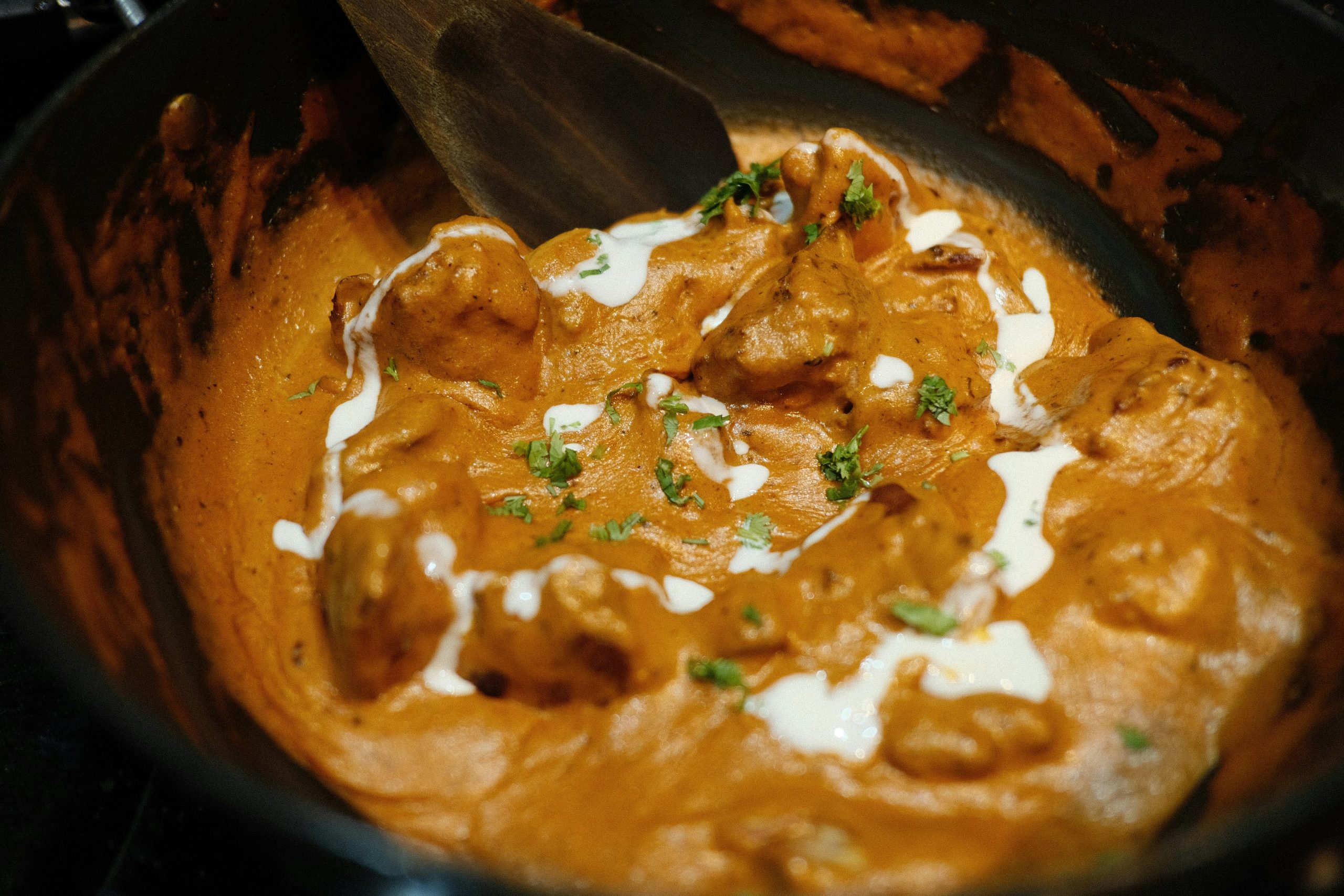
If you’ve ever thought to Google the question ‘what is Britain’s national dish?’, then you probably came away thinking it’s chicken tikka masala.
But is that actually the truth? A new survey has disproved the claim, massively.
There’s no denying that chicken tikka masala – an Indian curry that’s actually widely thought to have been created in Britain – is a popular dish that’s loved by many, but despite what many headlines have claimed over the years, a new YouGov survey has revealed it’s not what Brits consider to be the country’s ‘national dish’.
YouGov conducted two online surveys earlier this month, made up of 2,079 and 2,104 adults aged 18+ living in Great Britain.
And, in their own words, Brits chose fish and chips as the country’s national dish, making it the ‘resounding’ winner with 49% of the vote.
What is the UK’s national dish? A new survey has revealed Brits’ pick in a landslide victory / Credit: The Manc Group
With nearly half of the overall vote, this puts fish and chips far ahead of the roast dinner in second place, which only 24% of people picked – including the 6% who made sure to specify a beef roast.
In fact, only 3% of Brits actually name chicken tikka masala as the UK’s national dish, although 52% in the survey did confess that they eat some form of curry at least once a month, so it is still a popular pick regardless.
Fish and chips is by far the most common answer across all generations too, according to the survey (45-50%), with the biggest difference between age groups being that 18-24 year olds are less likely to have nominated roast dinner and more likely to have chosen chicken tikka masala instead.
What do Brits say is the UK’s national dish?
Fish and chips – 49%
Roast dinner – 24%
Chicken tikka masala – 3%
Curry (non-specific) – 2%
Full English breakfast – 2%
Bangers and mash – 1%
Cottage or shepherd’s pie – 1%
Other – 3%
Don’t know – 15%
The survey also showed that, of the three top contenders for the UK’s national dish, roast dinners are the most frequently eaten, as 52% of people said they eat them on a monthly basis – including 16% who do so every week.
Aside from the frequently mentioned dishes, some survey respondents also gave shoutouts to the full English breakfast (2%), bangers and mash (1%), and cottage or shepherd’s pie (1%).

 Emily Sergeant -
22nd June 2022