It’s not something you see everyday, but on more than one occasion this week, there’s been bees swarming in Manchester city centre.
John Dalton Street came to a halt yesterday afternoon after thousands of bees descended upon the rear window of a parked-up and unattended BMW, and the quintessentially Manc sighting understandably stopped a lot of passers-by right in their tracks.
Crowds gathered to catch a glimpse of the spectacle in action just shortly after midday.
To the uninitiated, it would seem impossible to imagine how the swarm would disperse – but luckily, a knowledgeable beekeeper arrived at the scene not long after and could be seen handling the situation like a pro by attempting to get the hive into a cardboard box.
https://www.instagram.com/p/CQJQ549ji1a/
But if one swarm in the city centre wasn’t strange enough as it is, a second sighting was spotted once again this afternoon.
ADVERTISEMENT
Eye-witnesses were shocked to see thousands of bees swarming on the bottom half of a temporary street sign for Manchester International Festival (MIF) on Peter Street, completely engulfing and covering the text underneath.
People couldn’t help but get their phones out to snap pictures and take video footage of the swarms on both occasions to share on social media, but it presents the all important question – why is this happening?
ADVERTISEMENT
Why are so many bees swarming in Manchester city centre?
Well, according to the British Beekeepers Association, a honeybee colony may swarm for a number of reasons but can often be seen swarming on warm and sunny days between May and July, and usually after a spell of poor weather.
It’s a completely natural process, and they will most likely swarm to reproduce after the old queen leaves a colony with some of the other bees.
ADVERTISEMENT
https://www.instagram.com/p/CQL1C2KDkq0/
Once the queen has left, scout bees will then head off in search of suitable places to construct the swarm’s home, and the successful scouts will eventually report back on the location of suitable nesting sites to the other bees – but in the meantime, the other bees will leave the hive and find a spot to wait until the scout decides on the new home for the colony.
The latter is most likely to answer for the swarming we’ve seen over the last two days.
It remains to be seen whether this will be the last swarm we’ll see this week, but the city will no doubt be ready and waiting should it happen again.
Bees truly are reclaiming our streets.
Featured Image – The Manc Group
UK News
Remarkable Lake District rescue of dog missing for THREE WEEKS
Daisy Jackson
A dog who was missing for almost three WEEEKS in the Lake District has, miraculously, been rescued.
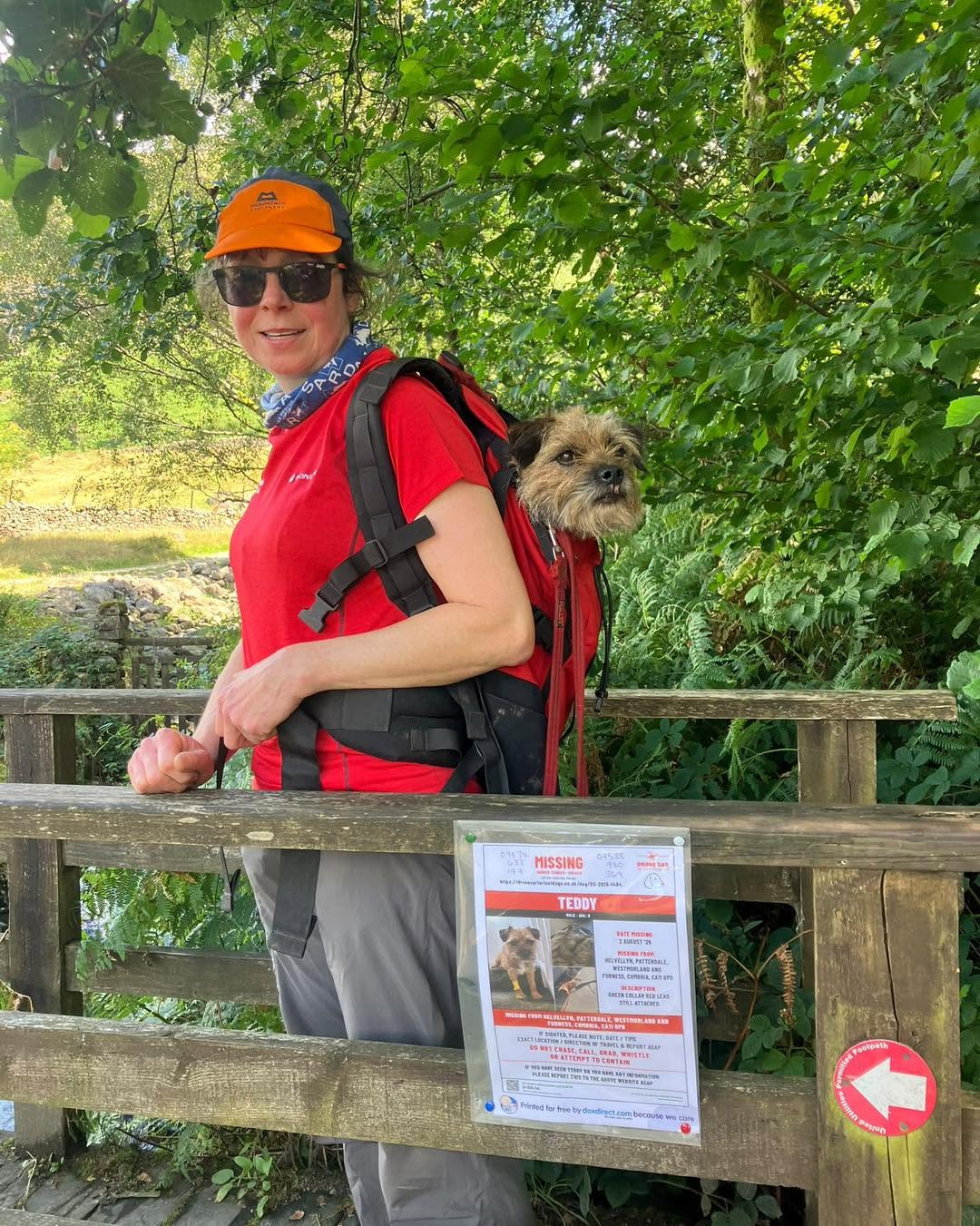
Little Teddy went missing on 2 August, disappearing from his owner on Helvellyn.
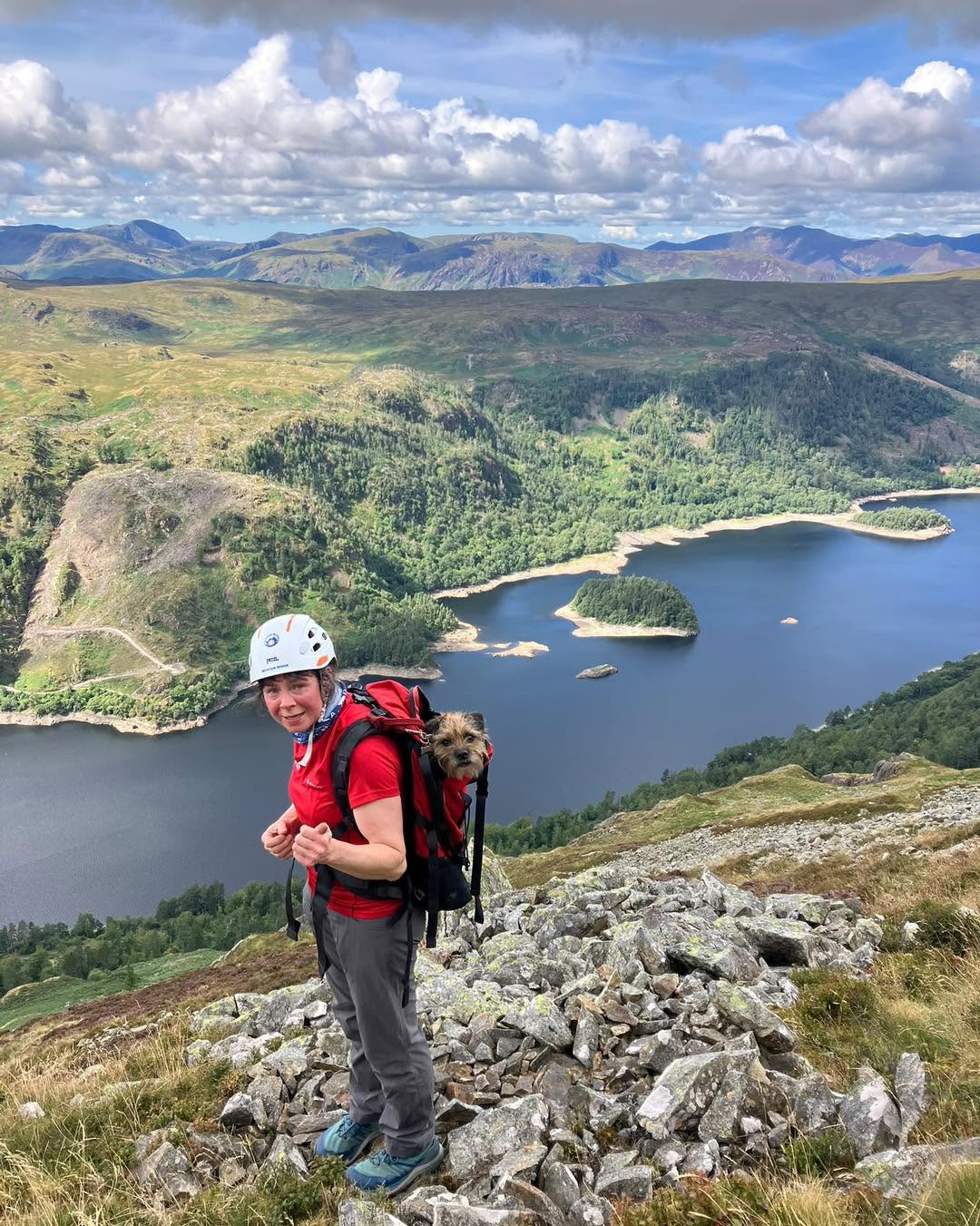
Volunteers from Keswick Mountain Rescue Team spent the following weeks searching for the scrappy dog, with one eventually hearing him barking from Dry Gill.
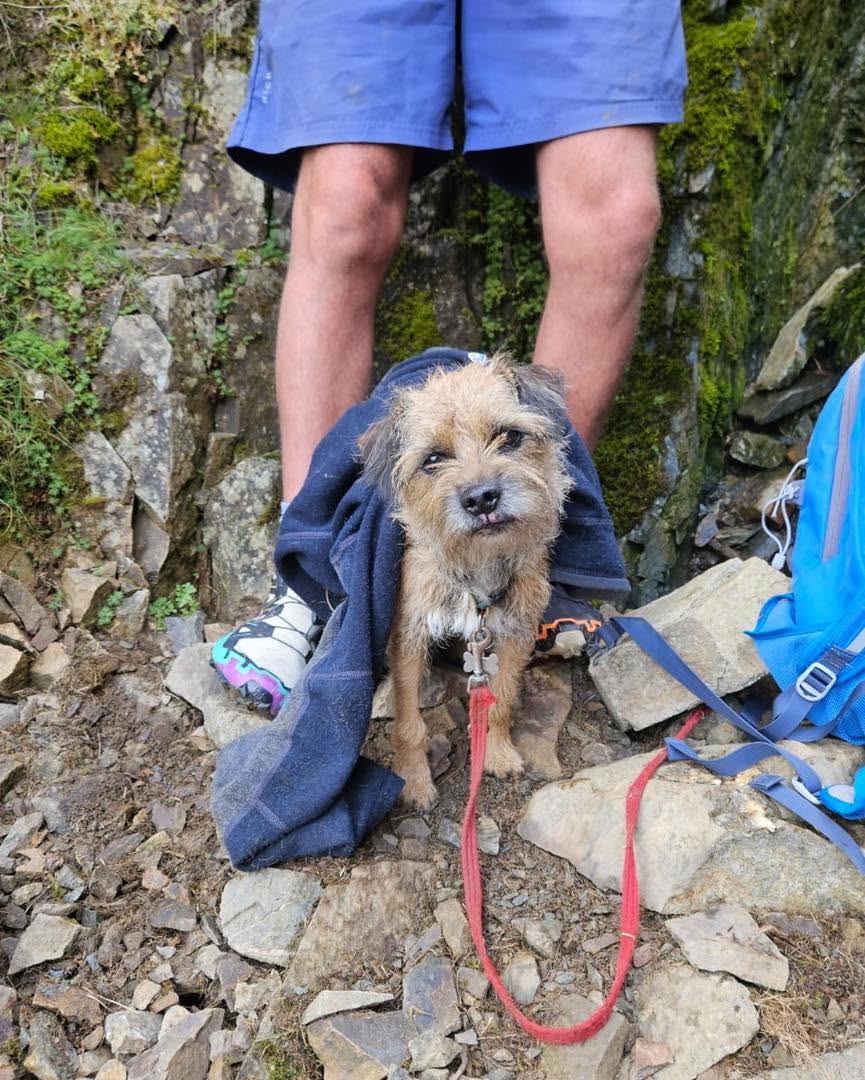
The poor dog had got stuck in the gill in a dangerous location that required a full team of seven to bring him to safety.
Remarkably, Teddy appeared to be uninjured, though he had lost quite a bit of weight after three weeks living wild on the fell.
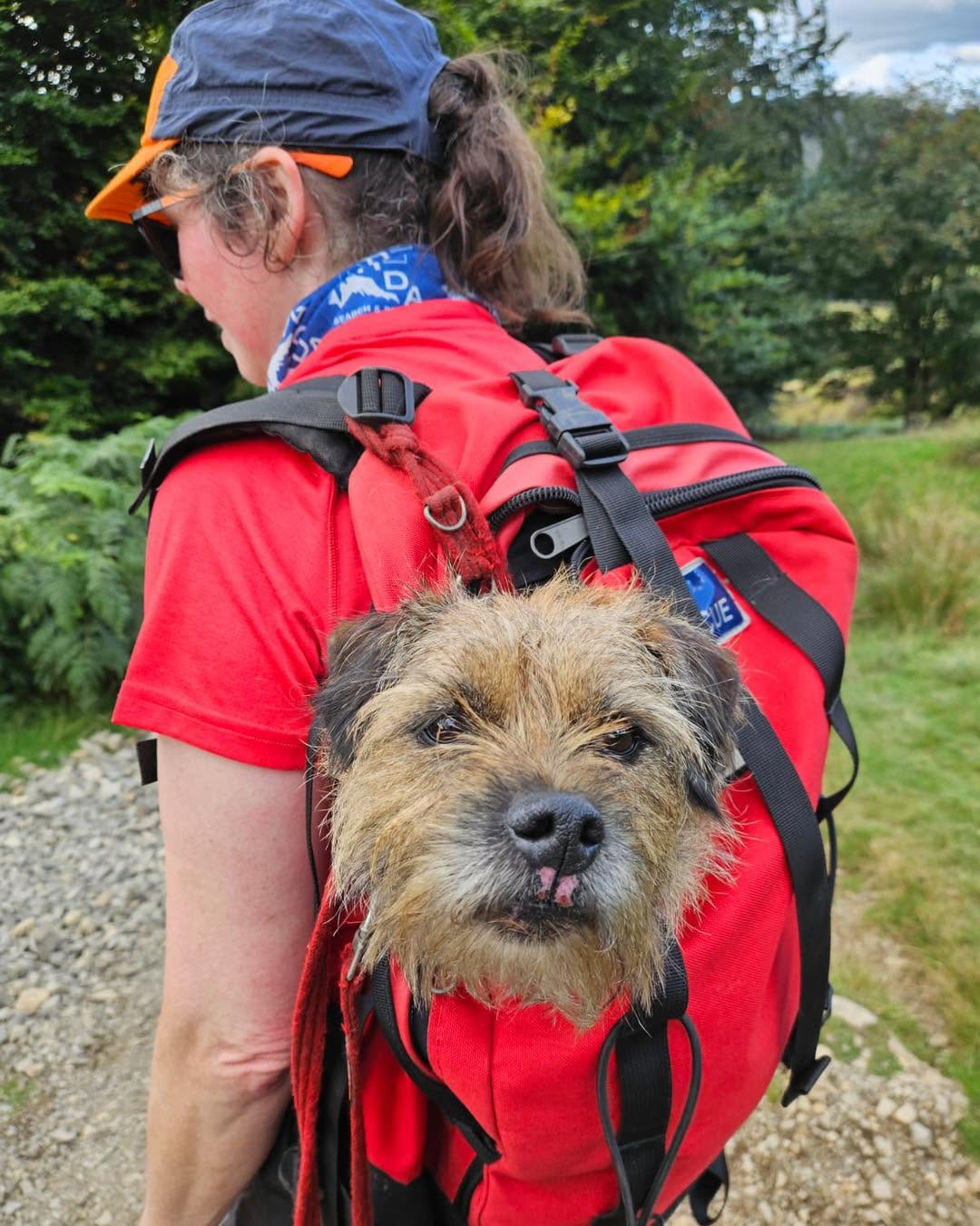
His rescuers gave him a small amount of food before securing him in a rucksack and carrying him back to Swirls car park.
The whole rescue took around three and a half hours, when Teddy was reunited with his very relieved owner and taken to the vets.
Teddy making his way down from HelvellynTeddy the dog was part of a rescue mission in the Lake DistrictTeddy was rescued after three weeks missingCredit: Keswick Mountain Rescue
Keswick Mountain Rescue said: “The team are absolutely delighted to share this update, as the news of this missing dog had deeply affected so many people across our local community.
“A remarkable outcome after nearly three weeks on Helvellyn, and a huge well done to everyone who kept searching and never gave up on Teddy.”
The mountain rescue team is funded entirely through donations – you can use ‘Buy me a coffee’ to make a small donation HERE, or donate the normal way HERE.
Elbow get behind campaign to save Jodrell Bank from closure
Danny Jones
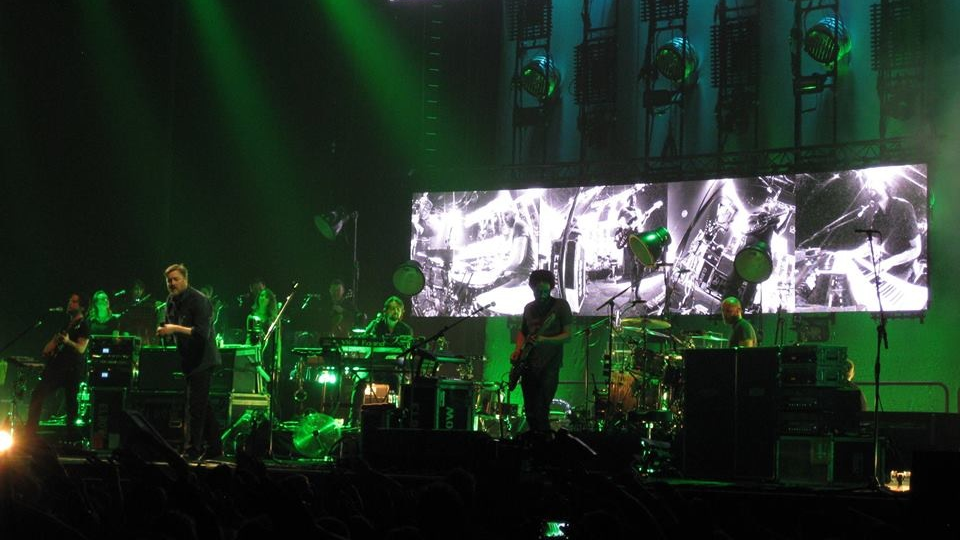
Manc band Elbow are among the latest to get behind the campaign to save Jodrell Bank Observatory from closing permanently.
The Greater Manchester natives famously played a sold-out gig at the important scientific and cultural landmark for a very special live album recording well over a decade ago, and know all too well the site’s national and, indeed, global heritage.
Choosing the Observatory and the rare chance to perform a show in the shadow of the world-renowned James Lovell Telescope, it probably remains one of their most significant standalone UK date ever.
With that in mind, the local lads have been left just as worried by the news of its impending closure as everyone else, and have therefore issued a fresh appeal to help keep it open.
Posting a timely statement on social media, the group wrote: “Jodrell Bank has long been close to elbow’s heart. In 2012, the band played beneath the Lovell Telescope for one of the most memorable shows in our history.
“The recent news that funding for the e-MERLIN radio telescope network is set to end in 2028 puts the future of the scientific work at Jodrell Bank under serious threat. It is a remarkable place, with an extraordinary history, and one that continues to play an important role in science, culture and education.”
In addition to reliving clips and images from the historic live set all the years later, they also pointed people towards their ‘elbow – Live at Jodrell Bank‘ album documentary, which has now been made available online for the very first time as part of wider efforts to raise awareness around the cause.
Directing people to key online resources shared by the institution and astrophysics centre itself following their unfortunate update late last month, the push to not only find the funding but sustain support for the facility continues to ramp up throughout the world of science, arts and industry.
For anyone who somehow missed the news – 2028 being the current deadline handed down as per budget cuts across the sector – concerned parties here in the North West and all over the country have since started petitioning to save Jodrell Bank Observatory from shutting down for good.
In addition to being described as a “huge blow” to the field by the Royal Astronomical Society (RAS), some have even gone so far as to describe the decision as a form of “vandalism” when it comes to research and British culture as a whole.
Having also served as the host venue for the annual bluedot Festival since 2016, the multi-genre science and arts celebration could soon be forced to find a new home.
The battle is far from over yet, and the community has time to rescue Jodrell Bank Observatory from its fate, but it will take lots of money and more notable public figures to make it happen.
Once again, you can do your bit by signing the petition mentioned above right HERE.

 Emily Sergeant -
16th June 2021
Emily Sergeant -
16th June 2021