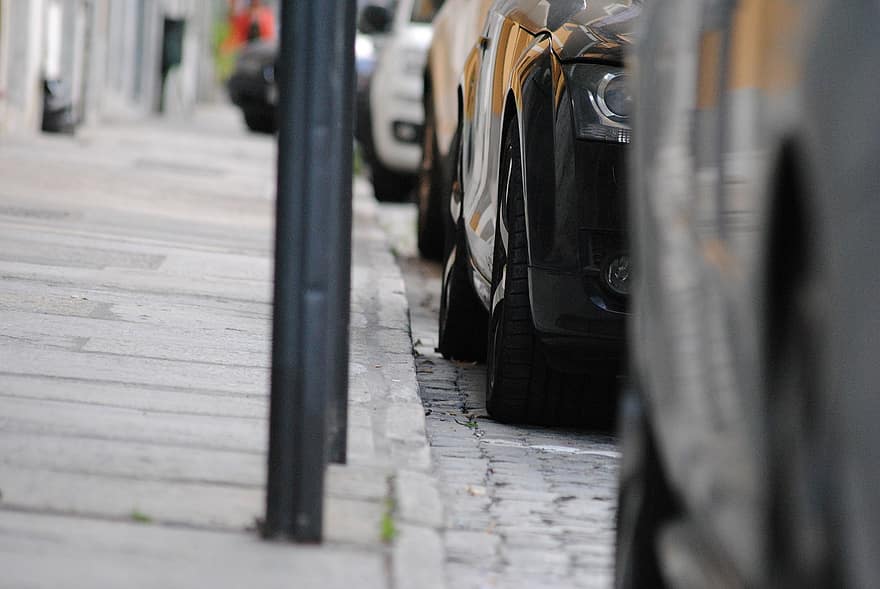
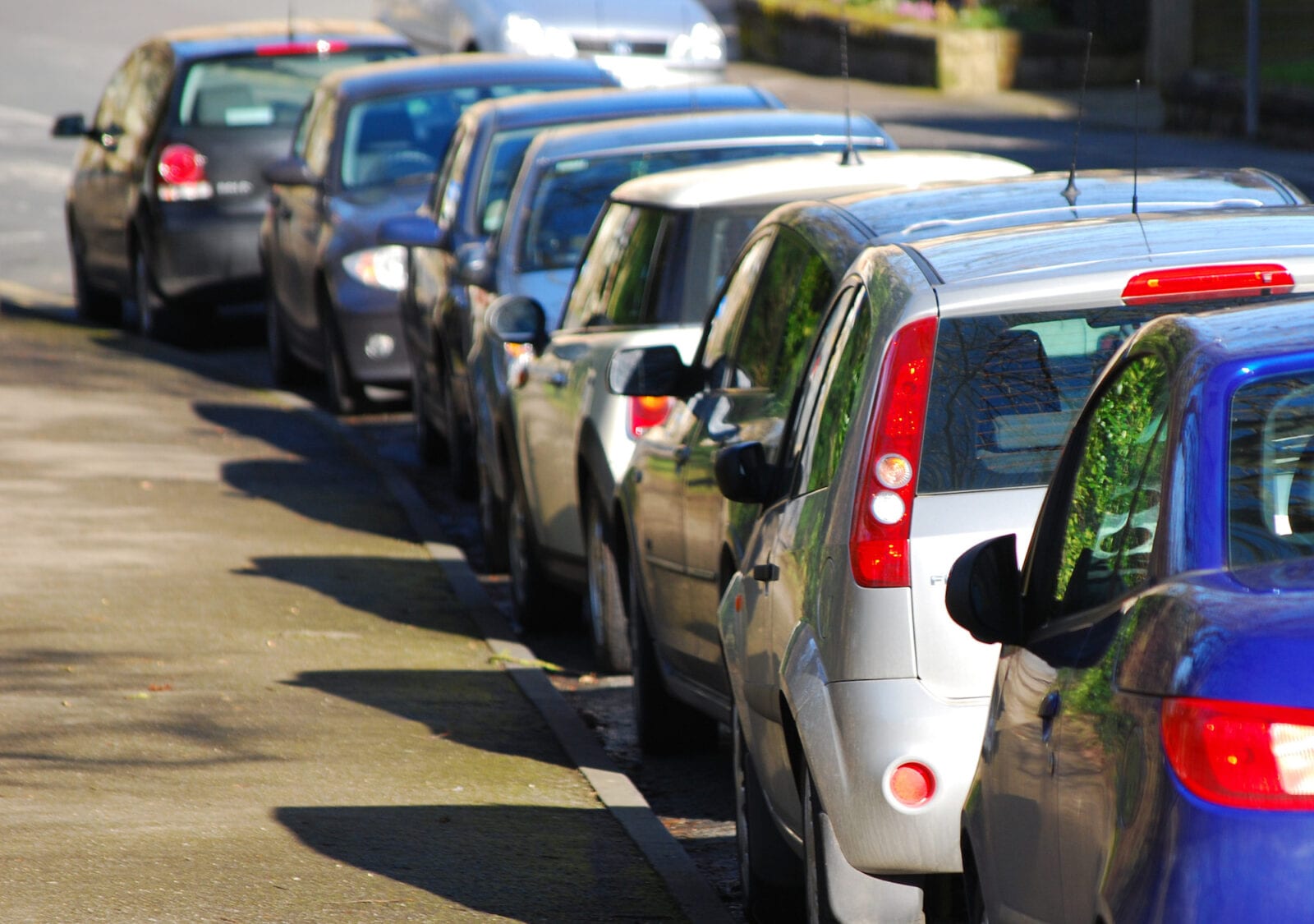
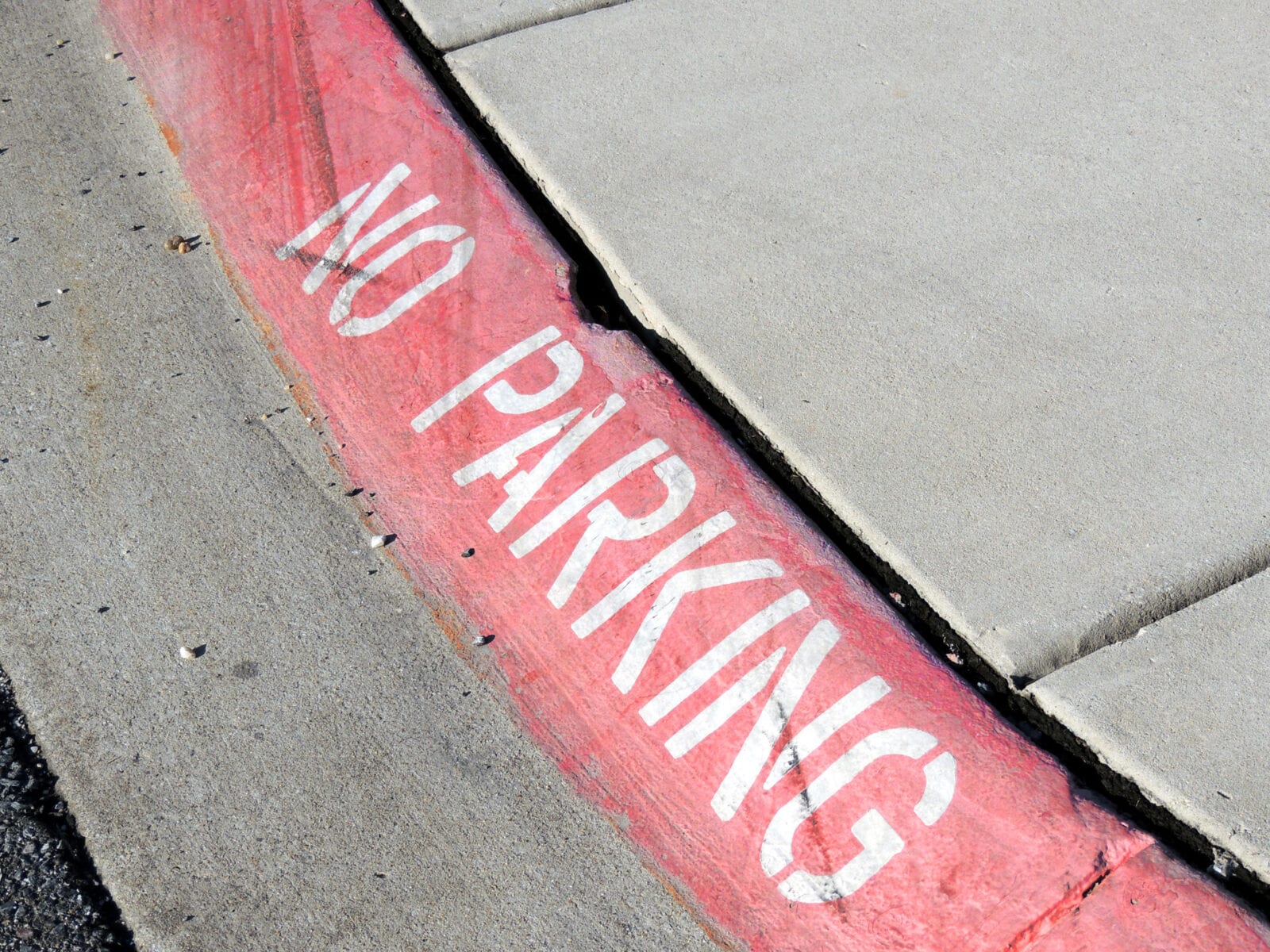
The UK government has today opened a public consultation into the potential banning of pavement parking in England.
The Department of Transport (DfT)’s consultation on whether “a change of existing pavement parking legislation should occur” could see the practice of pavement parking either banned nationwide, or see local councils awarded more power to tackle the issue.
It’s said to be all part of the government’s plans to make walking easier for disabled people and parents pushing prams.
The practice is currently only banned in London – where fines range from £80 to £130, depending on the seriousness of the offence – but elsewhere in the country, it is only prohibited for lorries.
According to the gov.uk website, this consultation is proposing three options:
ADVERTISEMENT
Improving the Traffic Regulation Order (TRO) process, under which local authorities can already prohibit pavement parking.
A legislative change to allow local authorities with civil parking enforcement powers to enforce against ‘unnecessary obstruction of the pavement’.
A legislative change to introduce a London-style pavement parking prohibition throughout England.
It comes after recent research by blind and visual impairment charity Guide Dogs indicated that 32% of people with visual impairments and 48% of wheelchair users are less keen to go out on their own because of antisocial pavement parking.
IPTC / Ronald Hudson
The DfT stated that any measures will need to “ensure the free-flow of traffic and access for the emergency services”.
ADVERTISEMENT
Grant Shapps – Secretary of State for Transport – added: “Parking on pavements means wheelchair users, visually impaired people and parents with pushchairs can be forced into the road, which is not only dangerous but discourages people from making journeys.
“A key part of our green, post-COVID recovery will be encouraging more people to choose active travel, such as walking, so it is vital that we make the nation’s pavements accessible for everyone. Pavement parking presents a clear safety risk when parked cars occupy the pavement and force vulnerable pedestrians to move into the road.”
I know parking spaces can be limited, but pavement parking can be extremely dangerous, putting disabled people and parents with prams at risk. So today we're asking how we can make England's pavements safer for everyone. Have your say 👇 https://t.co/iPyygHU7Z7
Witnesses told MPs that some of the worst cases of pavement parking were effectively trapping disabled, elderly and vulnerable people, making them “afraid to leave their homes”, and a rise in detrimental pavement parking also appears to have been reported over the past few months of lockdown amid the coronavirus (COVID-19) pandemic.
ADVERTISEMENT
Stephen Edwards – Director of Policy and Communications at walking charity Living Streets – said: “We’re regularly contacted by disabled and older people who feel trapped in their homes because there isn’t enough room on the pavement for wheelchairs or mobility scooters.
“This has impacted more people during the pandemic, with blocked pavements affecting everyone’s ability to physically distance.”
Justine Roberts – Founder and Chief Executive of Mumsnet – added: “Lots of us have occasionally parked a couple of wheels up on the pavement to leave space on the road without really thinking about how it might inconvenience people.
“It’s a topic that comes up regularly on Mumsnet, where wheelchair users and people with buggies share stories about being forced into the road, or having to double back long distances.”
PublicDomainPictures
On the flip side, the AA has warned that a ban would have “unintended consequences”.
ADVERTISEMENT
Jack Cousens – Head of Roads Policy at AA – said: “As we have seen over the past few weeks with road closures and narrowed roads, councils have acted with little consultation and in many cases lost confidence of the communities they serve.
“Local authorities should make a street-by-street assessment and where pavement parking is allowed, markings should show how much pavement can be used. While councils have always had the powers to tackle problem parking, it would be typical if the only time they act is when there is fines income to be had from it.”
To have your say in the Managing Pavement Parking consultation, you can do so via the gov.uk website here.
News
Victim named and murder investigation launched after young woman is killed in Newton Heath stabbing
Emily Sergeant
The victim of a street stabbing in Newton Heath this week has been named for the first time as a murder investigation continues.
It comes after officers from Greater Manchester Police (GMP) responded to reports of a disturbance at around 2am yesterday (Thursday 15 October) on Dorking Avenue, in the Newton Heath area of Manchester, and when they arrived on the scene, they found a woman in her 20s with serious injuries that were ‘consistent with a stabbing’.
Despite best efforts of all emergency services involved, the young woman was sadly pronounced dead at the scene.
As the murder investigation progresses, the woman has now been publicly named and a photo of her has been released for the first time.
She has been named as 26-year-old Alisha Samuels.
At this time, one man, aged 25, has been arrested on suspicion of murder, and a man and woman, aged 61 and 38, have been arrested on suspicion of assisting an offender, and they all remain in custody – with officers continuing their enquiries to establish the full circumstances of this incident.
Alisha’s family have asked for privacy whilst they deal with the devastating loss of their loved one, GMP has stated.
“We are continuing to urge people who may have information in relation to this incident to please come forward to support our investigation and bring justice for Alisha,” the police force said in a public appeal.
Anyone who may have witnessed the incident, or has mobile phone, CCTV, or doorbell footage, is urged to call GMP on 0161 856 5464, or contact them via the Major Incident Public Portal here.
Alternatively, you can contact Crimestoppers on 0800 555 111
Featured Image – GMP (Family Handout)
News
Former supply teacher jailed for multiple upskirting and AI sex offences across Greater Manchester
Emily Sergeant
A former supply teacher has been jailed for multiple upskirting and AI sex offences in schools across Greater Manchester.
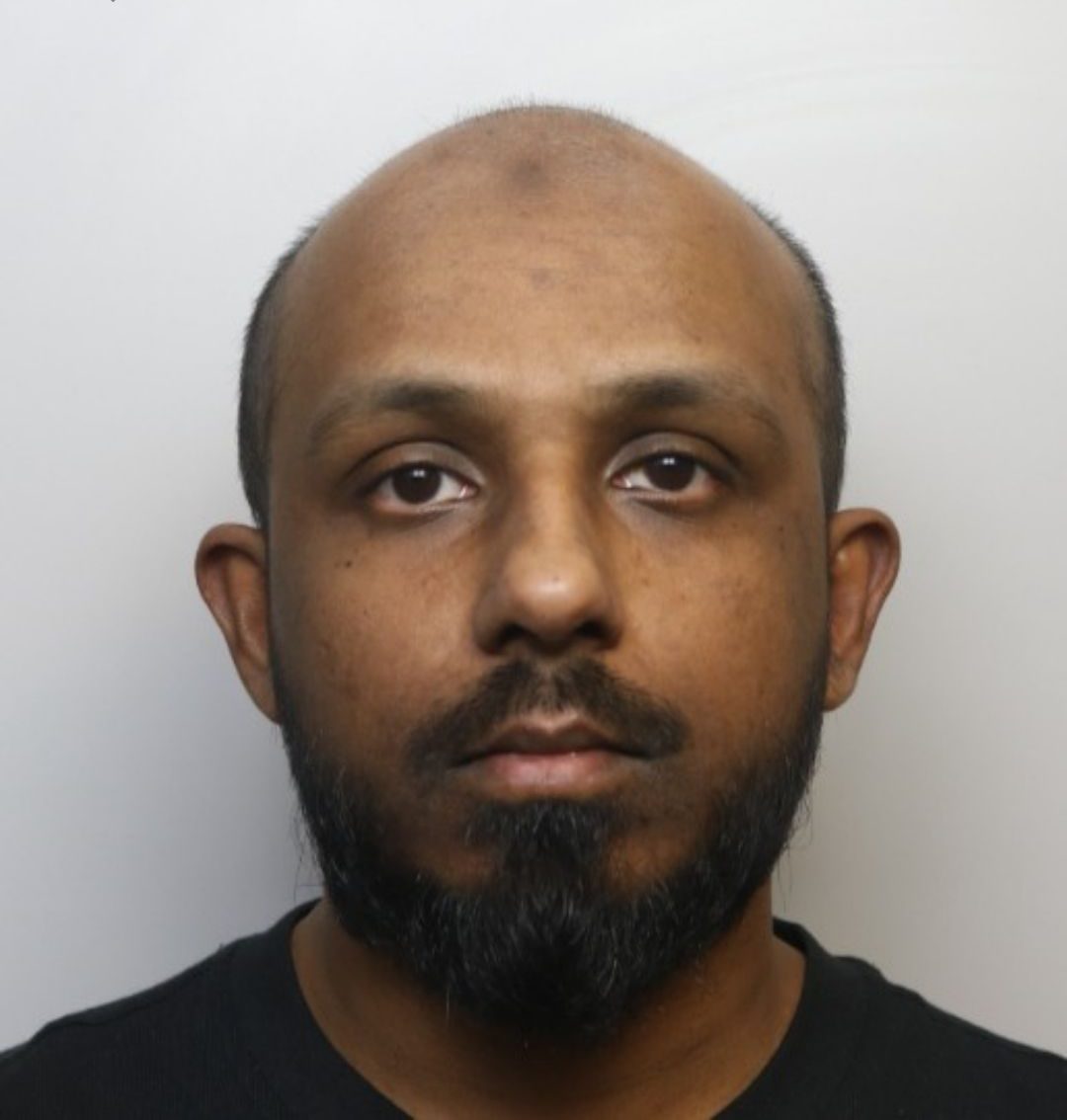
Abusali Rahman – a British national of Bangladeshi ethnicity from Salford – appeared in Bolton Crown Court this week for his sentencing after first being charged with, and then pleading guilty to, several offences.
The offences are including, but not limited to, 12 counts of taking an indecent photograph/pseudo-photograph of a child (images obtained by upskirting), three counts of making indecent photograph / pseudo-photograph of a child (making AI-generated images), and one count of attempting to meet girl under 16 following sexual grooming.
The offences are alleged to have taken place between December 2023 and June 2025, according to Greater Manchester Police (GMP).
Twelve girls have been identified in relation to the upskirting offences – aged between 13 and 16 at the time of the alleged offending – at seven high schools in three Greater Manchester boroughs (Bury, Bolton, and Salford).
GMP says it has remained in close contact with the schools, local authorities, and other partners throughout the investigation to ensure all appropriate support is in place for those who need it.
Additionally, the court also heard how Rahman amassed a collection of images of young girls, using AI and other methods to sexualise them.
The images numbered more than 300 in total, ranging from Category A to Category C classifications, and Rahman would post these on social media, often alongside humiliating and disgusting captions.
Rahman was sentenced to six years in prison, and will also be subject to a 20-year Sexual Harm Protection Order.
A former supply teacher has been jailed for child sex offences in schools across Greater Manchester / Credit: GMP
Detective Constable Lisa McGaffin, from GMP’s Bolton Child Protection Team, described Rahman’s crimes as ‘absolutely abhorrent’.
“My thoughts throughout this process have always been with the young girls who have been subject to such indignity,” DC McGaffin said following the sentencing this week. “Their welfare and support will always be a priority for us.
“While working as a teacher – someone who young children should trust and be safe with – Rahman repeatedly took secret photos for his own sick gratification, before posting images online which showed his total disregard for the girls’ respect and dignity.

 The Manc -
31st August 2020
The Manc -
31st August 2020