Reports this morning have suggested that students currently self-isolating at Manchester Metropolitan University will be allowed to return home.
Professor Malcom Press – Vice-Chancellor at Manchester Metropolitan University – apparently spoke with BBC Radio Manchester today, confirming that “students self-isolating are allowed home and parents can pick them up”.
It comes following widespread conversation, coverage and criticism after around 1,700 students were sent an email by the university last Friday telling them they must self-isolate in their accommodation for 14 days.
This was in a bid to help contain an outbreak of coronavirus (COVID-19) at the University.
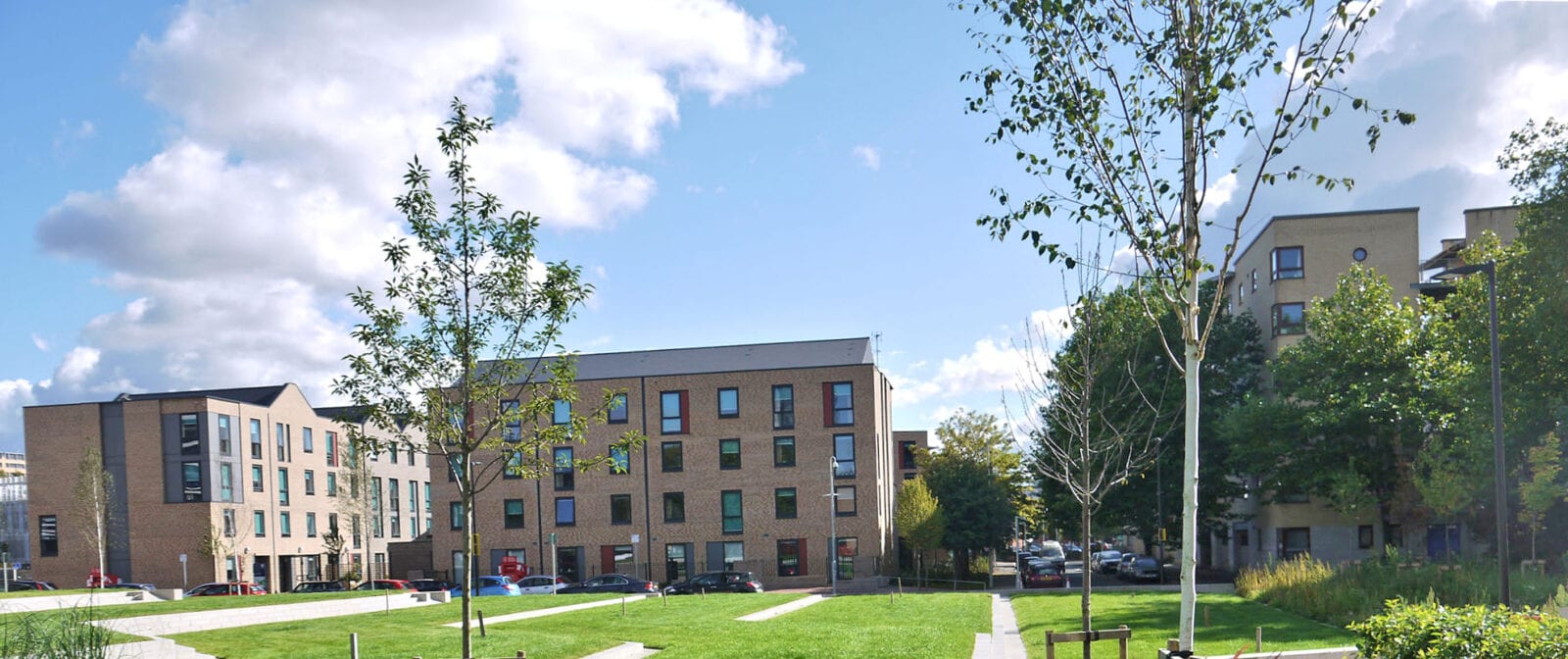
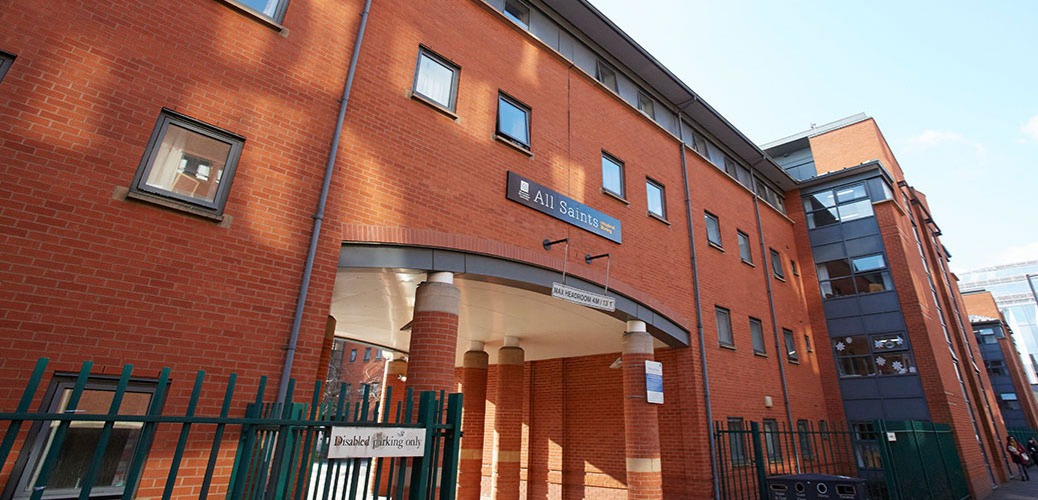
It’s believed that 127 positive cases were confirmed in connection with both the Birley campus and Cambridge halls of residence.
ADVERTISEMENT
Some students residing within the aforementioned accommodation however were reportedly caught by surprise at the announcement and apparently only found out about the need to self-isolate when they encountered security guards at the gates who told them they were not permitted to leave.
This then raised questions among members of the public and legal commentators online as to what authority MMU or Manchester City Council has to impose such measures.
ADVERTISEMENT
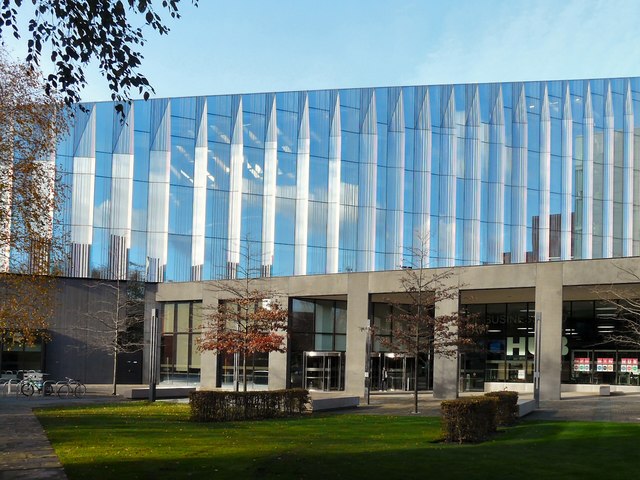
Geograph / Gerald England
Manchester Metropolitan University officials have previously stated that following the short-notice instruction to self-isolate for 14 days, they are “unable to prevent our students from leaving the halls”.
They did however urge students to “do the right thing”.
In the statement published on the Manchester Metropolitan University website on Sunday, Vice-Chancellor Professor Malcom Press said: “I recognise the impact that this situation is having on our students, particularly given the extremely short period of time we had to inform them of the decision.
ADVERTISEMENT
“Many of them are away from home for the first time and still finding their feet. Their welfare is our top priority and that is why we have been working hard with organisations around the city since Friday evening to put in place support to help during this 14-day period.
“We are urgently preparing a care package which we hope will ensure students will have the essentials they require in halls, plus financial support to assist them through this challenging period.
“We expect students to follow the guidance for self-isolation set out by the Government and Public Health England and our staff are on hand 24 hours a day to provide support, guidance and deal with concerns.
“We are unable to prevent our students from leaving the halls, but our students are bright young adults and we trust that they will do the right thing.”
Manchester Metropolitan University
David Regan – Manchester’s Director of Public Health – has also previously confirmed to the MEN that the ‘lockdown’ at the Birley and Cambridge halls is currently optional.
ADVERTISEMENT
He said: “We have currently not used any legal measures to enforce the additional requests,”
“We hope our students can understand the rationale for these actions and will support us in helping to contain infection and reduce further spread either amongst the students themselves or into the wider community. The rising weekly incidence rate and increase in the number of COVID hospital admissions at the Manchester Royal Infirmary reinforces why this is so important.”
Mayor of Greater Manchester Andy Burnham also said that he is “keeping a close eye” on developments at MMU and has reportedly spoken to police to check “everything is in order”.
Superintendent Chris Hill of Greater Manchester Police’s Manchester city centre divison added that they “will continue to work with MMU and local authorities to engage with students and offer advice surrounding the re-opening of universities and staying safe in the current climate” and they understand that “this situation provides a number of challenges for all involved”.
It was also announced yesterday that Manchester Metropolitan University has moved all first and foundation year learning – including all lectures, seminars and classes / workshops – to online and virtual instruction only.
ADVERTISEMENT
In the meantime, any students self-isolating will be permitted to return home to continue isolation with their families.
The Manc has contacted Manchester Metropolitan University for comment.
News
Victim named and murder investigation launched after young woman is killed in Newton Heath stabbing
Emily Sergeant
The victim of a street stabbing in Newton Heath this week has been named for the first time as a murder investigation continues.
It comes after officers from Greater Manchester Police (GMP) responded to reports of a disturbance at around 2am yesterday (Thursday 15 October) on Dorking Avenue, in the Newton Heath area of Manchester, and when they arrived on the scene, they found a woman in her 20s with serious injuries that were ‘consistent with a stabbing’.
Despite best efforts of all emergency services involved, the young woman was sadly pronounced dead at the scene.
As the murder investigation progresses, the woman has now been publicly named and a photo of her has been released for the first time.
She has been named as 26-year-old Alisha Samuels.
At this time, one man, aged 25, has been arrested on suspicion of murder, and a man and woman, aged 61 and 38, have been arrested on suspicion of assisting an offender, and they all remain in custody – with officers continuing their enquiries to establish the full circumstances of this incident.
Alisha’s family have asked for privacy whilst they deal with the devastating loss of their loved one, GMP has stated.
“We are continuing to urge people who may have information in relation to this incident to please come forward to support our investigation and bring justice for Alisha,” the police force said in a public appeal.
Anyone who may have witnessed the incident, or has mobile phone, CCTV, or doorbell footage, is urged to call GMP on 0161 856 5464, or contact them via the Major Incident Public Portal here.
Alternatively, you can contact Crimestoppers on 0800 555 111
Featured Image – GMP (Family Handout)
News
Former supply teacher jailed for multiple upskirting and AI sex offences across Greater Manchester
Emily Sergeant
A former supply teacher has been jailed for multiple upskirting and AI sex offences in schools across Greater Manchester.
Abusali Rahman – a British national of Bangladeshi ethnicity from Salford – appeared in Bolton Crown Court this week for his sentencing after first being charged with, and then pleading guilty to, several offences.
The offences are including, but not limited to, 12 counts of taking an indecent photograph/pseudo-photograph of a child (images obtained by upskirting), three counts of making indecent photograph / pseudo-photograph of a child (making AI-generated images), and one count of attempting to meet girl under 16 following sexual grooming.
The offences are alleged to have taken place between December 2023 and June 2025, according to Greater Manchester Police (GMP).
Twelve girls have been identified in relation to the upskirting offences – aged between 13 and 16 at the time of the alleged offending – at seven high schools in three Greater Manchester boroughs (Bury, Bolton, and Salford).
GMP says it has remained in close contact with the schools, local authorities, and other partners throughout the investigation to ensure all appropriate support is in place for those who need it.
Additionally, the court also heard how Rahman amassed a collection of images of young girls, using AI and other methods to sexualise them.
The images numbered more than 300 in total, ranging from Category A to Category C classifications, and Rahman would post these on social media, often alongside humiliating and disgusting captions.
Rahman was sentenced to six years in prison, and will also be subject to a 20-year Sexual Harm Protection Order.
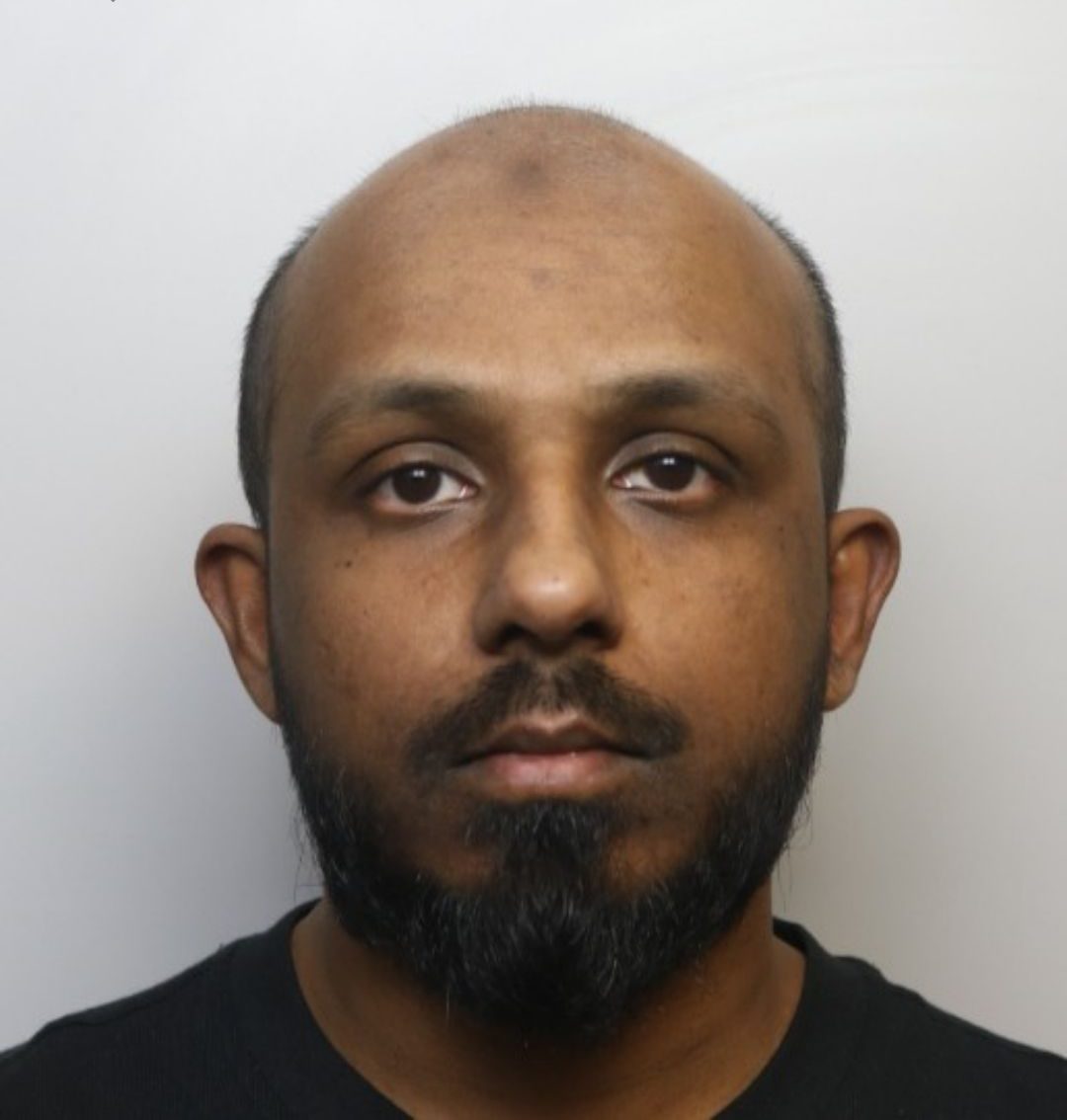
A former supply teacher has been jailed for child sex offences in schools across Greater Manchester / Credit: GMP
Detective Constable Lisa McGaffin, from GMP’s Bolton Child Protection Team, described Rahman’s crimes as ‘absolutely abhorrent’.
“My thoughts throughout this process have always been with the young girls who have been subject to such indignity,” DC McGaffin said following the sentencing this week. “Their welfare and support will always be a priority for us.
“While working as a teacher – someone who young children should trust and be safe with – Rahman repeatedly took secret photos for his own sick gratification, before posting images online which showed his total disregard for the girls’ respect and dignity.

 The Manc -
29th September 2020
The Manc -
29th September 2020