The temperature is dropping, the festive season is fast approaching, and although Christmas is set to be very different amid the coronavirus (COVID-19) pandemic, there’s still one question on everybody’s lips.
Will it be a white Christmas this year?
For many of us, snow is synonymous with Christmas time and the phenomenon of a white Christmas is something that has been obsessed over for decades. We all know Bing Crosby famously dreamt of it, and it’s not uncommon to see movie/TV scenes, advent calendars and greetings cards all decorated with snow-filled landscapes of a white Christmas.
For most parts of the UK though, Christmas is only at the beginning of the period when it’s likely to snow.
Snow or sleet falls an average 3.9 days in December, compared to 5.3 days in January, 5.6 days in February, and 4.2 days in March.
ADVERTISEMENT
According to the Met Office, White Christmases were actually more frequent back in the in the 18th and 19th centuries before before the change of calendar in 1752, and with taking climate change into consideration nowadays, we are actually more likely to see snow between January and March than in December.
But when can we expect the first flakes to fall here in the UK this year? And what exactly are the odds of snow arriving on Christmas day?
ADVERTISEMENT
Here’s everything we know so far.
___
What is a white Christmas?
When most of us think of a white Christmas, we picture blankets of snow covering landscapes for miles around, right? Well according to the Met Office though, a Christmas can in fact be white if at least one solitary snowflake falls in a specific location during the 24 hours of Christmas day.
ADVERTISEMENT
That’s it.
Traditionally, the Met Office would use its building in London to decide whether it had been a white Christmas.
However as the concept and popularity of betting has increased over the years, several other locations were added to the list, and these include:
Buckingham Palace
Belfast (Aldergrove Airport)
Aberdeen (Pittodrie Stadium, Aberdeen FC)
Edinburgh (Castle)
Coronation Street in Manchester
The Millennium Stadium in Cardiff.
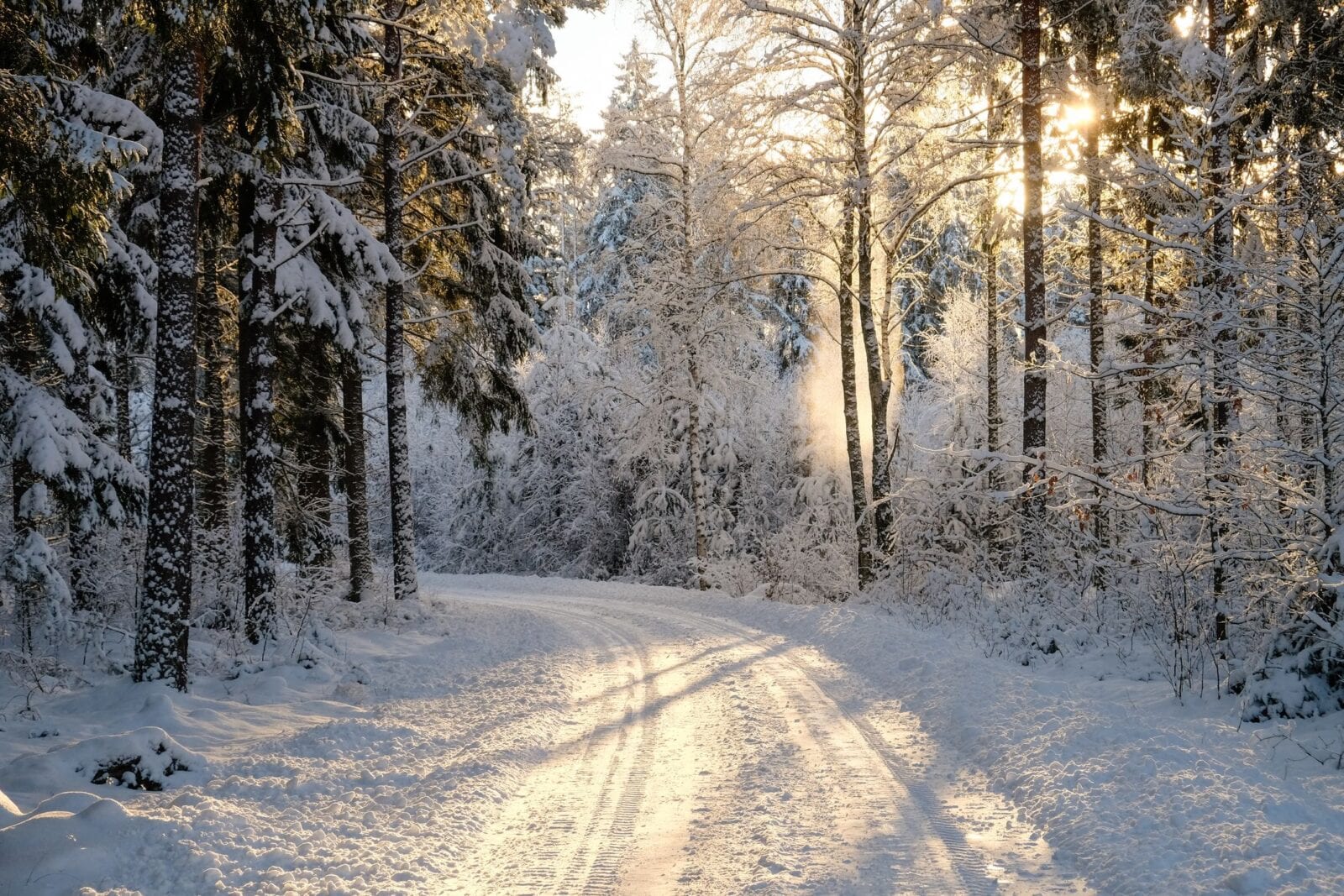
Unsplash
When was the last white Christmas in the UK?
According to Met Office figures, the last widespread white Christmas in the UK was in 2010, when 83% of weather stations recorded snow on the ground, and there was also a significant snowfall in 2009 when 13% of stations recorded snow or sleet falling, and 57% reported snow lying on the ground.
Although technically, the last white Christmas was on Christmas Day in 2015.
ADVERTISEMENT
A total of 10% of weather stations recorded snowfall, but none of it actually settled on the ground to create the classic snowy scene we’ve all come to know, and this was also the case in 2016, when 6% of stations recorded falling snow, and in 2015, when 10% of stations saw snow.
Perthshire in Scotland currently holds the record for the deepest snow figure, seeing 47cm of snow on 25th December 1981.
How likely is a white Christmas?
Although it’s actually quite hard to predict at this point, the Met Office say a snowflake has fallen somewhere in the UK on Christmas Day on 38 occasions in the last 54 years.
This means a Christmas is likely to be white at least every other year, on average.
Widespread snow is much rarer though, as there has only been a widespread covering of snow on the ground recorded at 40% of weather stations in the UK four times in the last 51 years, and forecasters won’t be able to predict an accurate forecast for Christmas Day until around five days beforehand.
ADVERTISEMENT
So the jury’s still out for snow in Manchester this year.
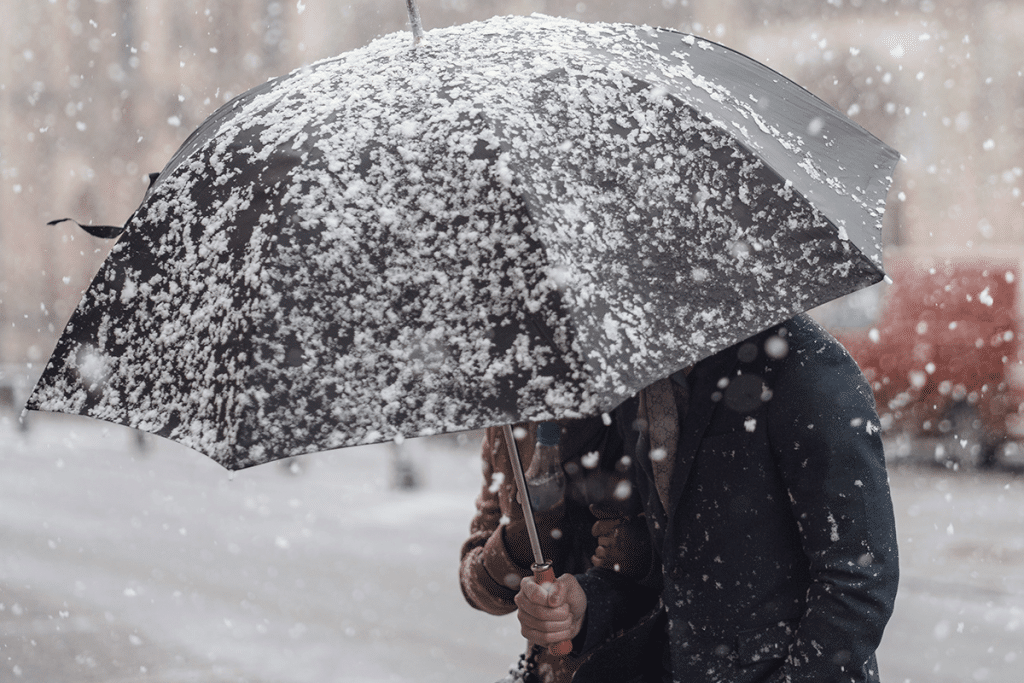
Unsplash
What are the latest odds?
Regardless of the difficulty of early predictions, that hasn’t stopped the bookies from chiming in.
Those with their eyes on the prize may have seen that Ladbrokes’ has just shortened its odds for snow to fall anywhere in the UK on December 25 to 5/4 – down from 6/4 earlier this month, with Alex Apati – spokesperson for Ladbrokes – saying: “Punters dreaming of a white Christmas look destined to get their wish later this year as we strap ourselves in for a record-breaking cold winter ahead.”
Paddy Power seems to agree too, with its spokesperson Amy Jones admitting: “In the words of Game of Thrones, winter is coming and it seems we may be adding to the craziness of 2020 with snow at Christmas.”
And Coral have claimed that Edinburgh and Newcastle are the cities with the best odds and are most likely to see snow at Christmas with odds of 3-1, and spokesperson Harry Aitkenhead revealing: “Autumn’s been mild but winter looks wild. We have enjoyed a mild autumn but winter is going to arrive with some freezing temperatures.
ADVERTISEMENT
“We have slashed the odds to just evens [and] that it is our coldest on record.”
You can find more information via the Met Office website here.
Trending
Manchester band Westside Cowboy release ‘thrilling’ debut album that critics are calling one of the year’s best
Emily Sergeant
One of the UK’s best rising bands have released their debut album today to glowing reviews from critics and fans alike.
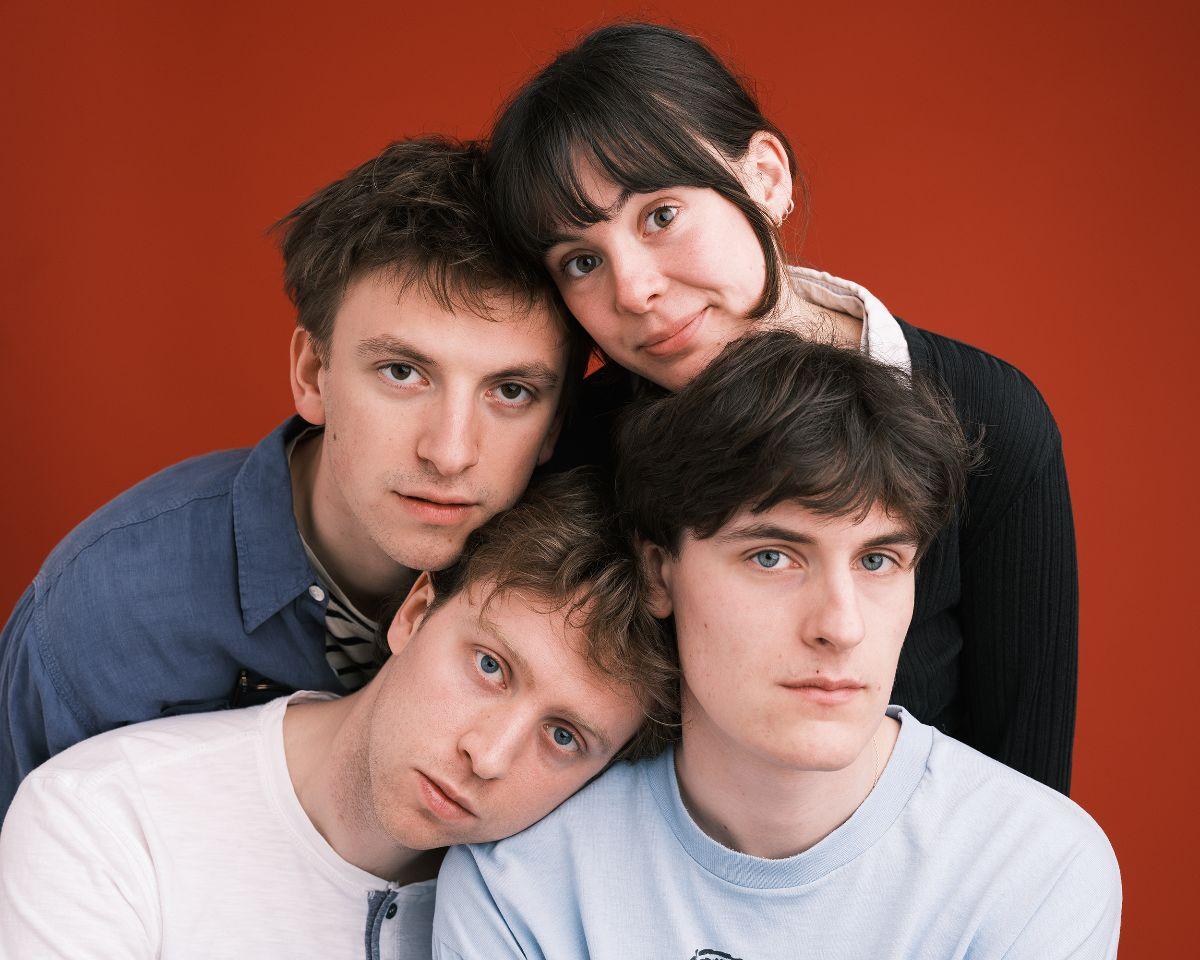
Jimmy Bradbury, Reuben Haycocks, Aoife Anson O’Connell, and Paddy Murphy – better known together as Westside Cowboy – formed back in 2023 when they were students at the Royal Northern College of Music, so while they may not all be from Manchester, they definitely have the spirit of our city at the heart of everything they do.
After playing in different bands across the city throughout their student years, the four-piece joined forces to create Westside Cowboy – an indie rock collective credited with self-coining the genre of ‘Britainicana’.
Put simply, Britainicana is a cultural concept that mixes the hazy, mythic feel of American country and folk, with the sound of raw British punk, indie rock, and small-town life.
Westside Cowboy have released their debut album, It Goes On / Credit: Clementine Schniedermann (Press Shots – Supplied)
If that sounds like your cup of tea, then you’ll be pleased to know that Westside Cowboy have released their debut album, It Goes On, to the world today (21 August).
And the reception from critics, arguably, couldn’t be better.
Prior to the release of their debut album, the band had released two EPs, including So Much Country ‘Till We Get There in January earlier this year, and had started to make a name for themselves with their popular debut single ‘I’ve Never Met Anyone I Thought I Could Really Love (Until I Met You)’ in 2024.
They went onto make even further waves when they supported equally-rising American rock band Geese on their UK and Irish tour back in March – with many fans calling it one of the best support and main act combinations in some time.
Three singles from their debut album were shared with the world ahead of its release – ‘Kick Stones (The Boys)’ came first, followed by ‘Pin Up Boys’ and ‘Dobro’.
So, it’s fair to say the anticipation for album was high… and if the reviews are anything to go by (which we think they are), it looks like the band has very much delivered what they set out to achieve.
Westside Cowboy’s debut album It Goes On is now available to stream, or you can purchase a physical copy in a range of formats from their website here.
Take a listen👇
Featured Image – Press Shot (Supplied)
Trending
BBC Introducing LIVE is back with events across the North for grassroots music artists
Emily Sergeant
BBC Introducing’s flagship live event will return with a huge lineup of activities for aspiring musicians and music creators this autumn.
To celebrate and champion undiscovered talent across the country, BBC Introducing LIVE will include an array of live performances, immersive workshops, educational panels, and networking opportunities for grassroots artists, DJs, and music creators, all at the start of their careers.
Introducing LIVE will head across the UK, including hosting four special gigs in Leeds and a songwriting camp in Manchester.
The BBC Introducing Songwriting Camp is an invite-only event offering an ‘unparalleled’ experience for artists and creatives to develop skills and collaborate with industry professionals in a real music studio.
Then, on Saturday 28 November, BBC Introducing will host four showcases across Leeds, celebrating some of the best new music from across the UK – with independent music venues The Wardrobe, Belgrave Music Hall, and Oporto all taking part.
While up in Sunderland, following the success of BBC Radio 1’s Big Weekend there earlier this year, a special takeover event will take place at The Fire Station – with a day of panels, workshops, open mics, and an industry feedback centre planned, all designed to support and inspire the next generation of musicians and music industry professionals.
Other northern cities hosting events during this year’s programme are Gateshead, and major music city Liverpool.
Many successful artists, including the North’s very-own Sam Fender, as well as big names like Ed Sheeran, Raye, Olivia Dean, and Loyle Carner, all began their careers with support from BBC Introducing.
“Championing and nurturing artists and creatives is at heart of everything BBC Introducing does, and so I’m excited that Introducing LIVE will be returning in November for our biggest year yet,” commented Kelly Betts, who is the Editor of BBC Introducing.
“BBC Introducing will be at events, panels, and gigs across the UK giving emerging talent the opportunity to learn from industry experts, make music and connect with fellow artists.
“Music has the power to unite, inspire, and shape our culture and BBC Introducing’s flagship event will help some of the UK’s rising stars on their journey to achieve this.”

 Emily Sergeant -
25th November 2020
Emily Sergeant -
25th November 2020