Australia sets the example for return of sports fans
Australia is setting the example for British sports stadiums when it comes to getting significant crowds back watching the action. But Manchester, and Britain as a whole, could well have a long wait to enjoy exactly what Aussies are experiencing Down Under.
Australia is setting the example for British sports stadiums when it comes to getting significant crowds back watching the action. But Manchester, and Britain as a whole, could well have a long wait to enjoy exactly what Aussies are experiencing Down Under.
While small numbers of crowds have been permitted to head back into Premier League grounds at clubs not in Tier 3 areas in England, as well as horse racing tracks, the numbers are still minute when you consider Old Trafford and the Etihad Stadium pull in more than 50,000 when full.
It seems likely to be a long time off before stadiums are packed to the rafters again. But Australia, parts at least, are already there. Australian horse racing tracks like Randwick and Rosehill Racecourses in Sydney and Flemington and Caulfield Racecourses in Melbourne are being run with the type of crowds that the likes of Cheltenham and Aintree would love.
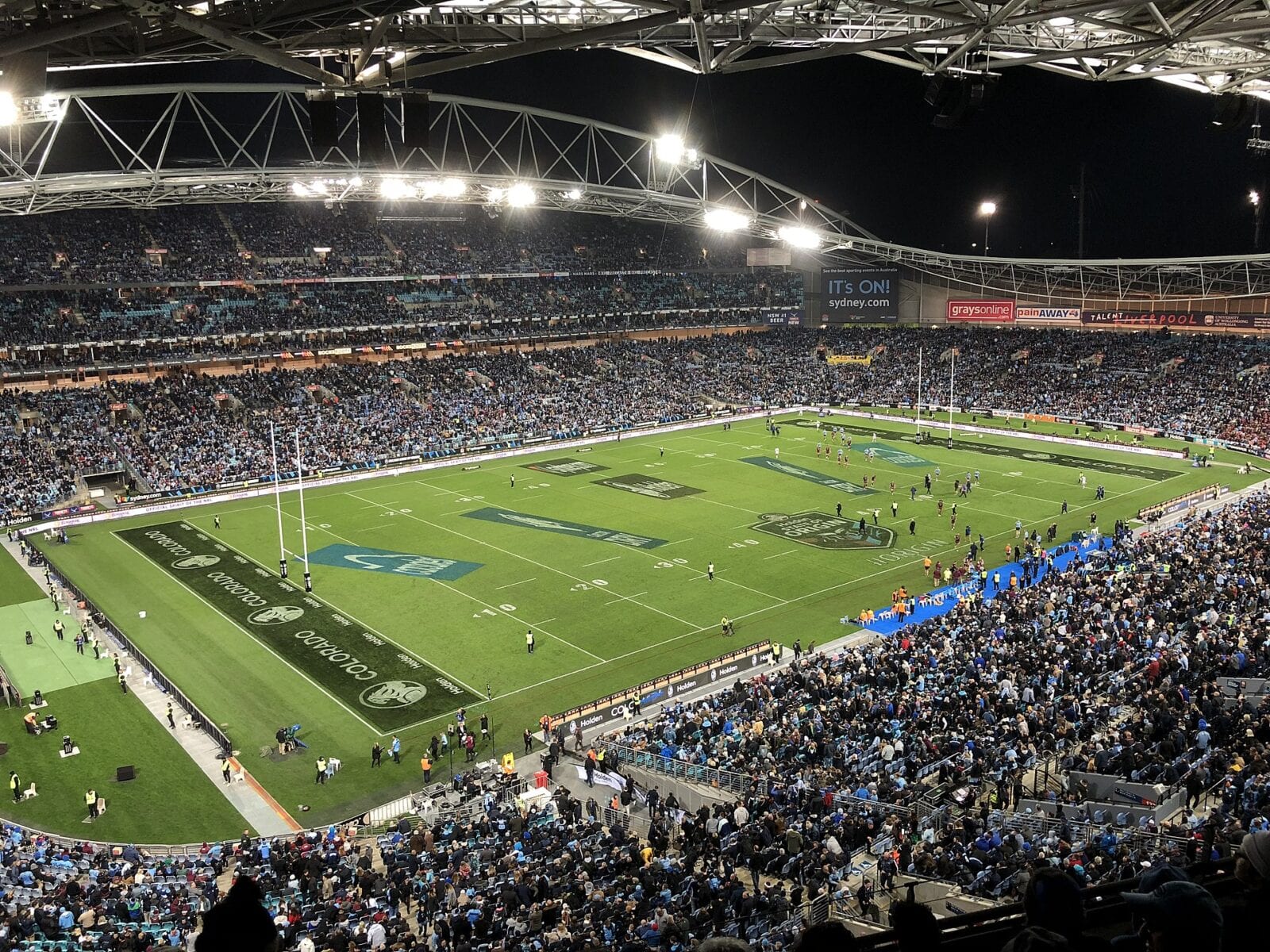
And sporting venues have had even bigger crowds. A total of 30,000 got to view the AFL Grand Final in Brisbane in October, while 37,303 packed into ANZ Stadium in Sydney the following day for the NRL Grand Final.
Unsplash
The Bledisloe Cup rugby union clash between New Zealand and Australia at Eden Park in Auckland attracted 46,049 spectators in October as the flow of fans back into stadia also extended to across the Tasman Sea too.
ADVERTISEMENT
In November, it was a massive crowd of 52,500 that lined Suncorp Stadium in Brisbane for the State of Origin decider between hosts Queensland and rivals New South Wales. Significantly, the partisan home crowd helped their state to victory.
Then in early December, 48,000 packed into the Sydney Cricket Ground for the third and final T20 international between Australia and India.
ADVERTISEMENT
New South Wales premier Gladys Berejiklian and her government permitted 50 per cent capacity, followed by 100 per cent – the 48,000 crowd – with the promise that “life will be very different in New South Wales”. It’s something we can still only dream about.
A further 27,000 a day will be inside the Adelaide Oval for the first test between the two nations too – with the South Australian government still opting for 50 per cent capacity. It will see 25,000 a day inside the MCG in Melbourne for the Boxing Day test with the Victorian government opting not to throw caution to the wind after months of lockdown.
How did Australia get to the point of having full, or near full, stadiums once again? The answer – just as is the case here in the UK – is based on the coronavirus cases. With each of the states reacting incredibly early with lockdowns and severe restrictions on the back of just a handful of outbreaks, they managed to get on top of the outbreak and stay on top of it.
ADVERTISEMENT
Michael Lee / Unsplash
So what can football clubs, race tracks and the like expect here in Britain to be able to do to follow the Australian example? The simple answer is not a lot until we, as a country, get on top of the outbreak numbers.
Strict quarantine rules on international arrivals and travellers between states in Australia has meant a zero new case count on all fronts. The 0 led to 50,000+ sitting inside of stadium for the first time since pre-March.
While the rules in the UK have been relaxed to let small crowds back, other than those in Tier 3 areas, capacity crowds still look some way off. Perhaps even next year, given just how different the positive case numbers differ between Australia and the entire British Isles.
Premier League fixtures, the Cheltenham Festival, Grand National, even the delayed Euro 2020 look highly likely of taking place with half-empty stadia at best. Until the rest of the world matches Australia’s success in suppressing coronavirus, the roar of a full stadium still looks an awful long way off.
Sport
Details released of Andy Burnham’s meetings with Manchester City owners while Mayor
Emily Sergeant
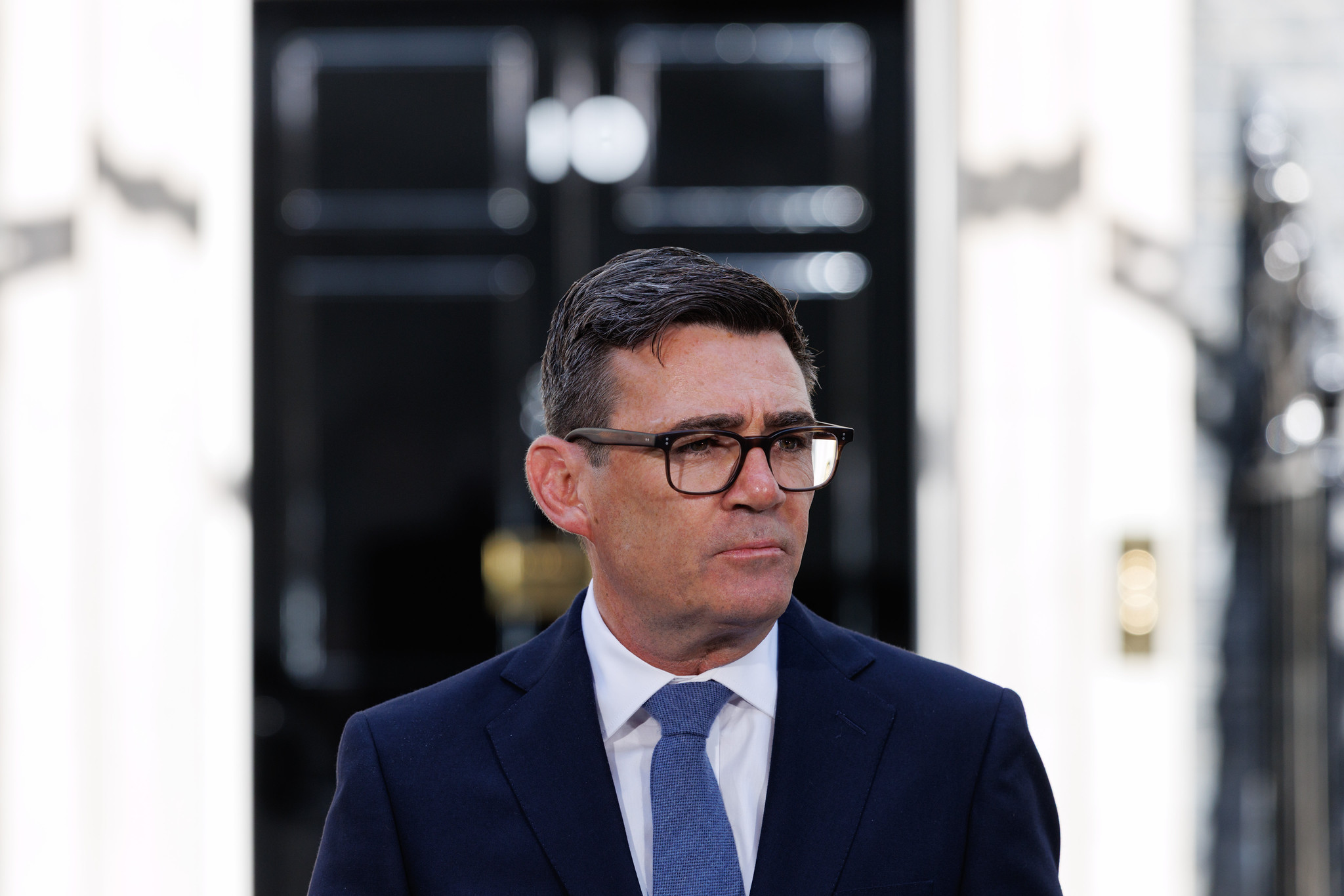
Details of Andy Burnham’s meetings with Manchester City owners during his tenure as Mayor of Greater Manchester have been released.
In case you need bringing up to speed on the situation a little first, Manchester City was found guilty back in September all of its charges related to the Premier League’s financial rules over a nine-season period, and on top of that, was also found guilty of the majority of charges in relation to its failure to co-operate with the League’s investigation.
According to the Premier League, the independent Commission found that Manchester City had arranged so-called ‘sham’ commercial deals with a number of its sponsors.
These were part of a disguised funding scheme – with those sponsors only required to pay a portion of the relevant sponsorship fees.
The remainder was then funded by Abu Dhabi United Group Investment & Development Ltd (ADUG), which owned the club.
The Commission also concluded, as quoted by the Premier League, that the club had ‘made concerted efforts to stop and frustrate the Premier League investigation’.
Within the past week or so, it has since come to light that now-Prime Minister Andy Burnham had dealings with Manchester City during his tenure as Greater Manchester Mayor, and Greater Manchester Combined Authority (GMCA) has now issued a public statement, giving details on the matter and what these ‘dealings’ entailed.
A spokesperson for GMCA confirmed that Burnham had a ‘formal meeting’ with Man City Chairman, Khaldoon Al Mubarak, back in October 2021.
The statement reads in full: “In October 2021, Andy Burnham, in his role as Mayor of Greater Manchester, had a formal meeting with Khaldoon Al Mubarak at the UK Government’s Global Investment Summit arranged by the Department for International Trade.
“In his capacity as Mayor, he was a guest of Manchester City FC at home matches on a small number of occasions, including attending Vincent Kompany’s testimonial match in September 2019, where he met the Chairman informally in the stands. These have been declared in the usual way.
“Also during his time as Mayor, representatives of Greater Manchester sporting clubs would routinely join business delegations as part of Mayoral international visits.
“This included representatives from Manchester United travelling to Austin and Dublin, Lancashire Cricket Club joining a delegation to India, and Manchester City FC staff supporting visits to China and Japan.”
Featured Image – Lauren Hurley / Number 10 Downing Street (Press Image via Flickr)
Sport
Multiple arrests made for ‘tragedy chanting’ and police officer assault as Man City defeated Liverpool
Emily Sergeant
Multiple people were arrested over the weekend as Manchester City defeated Liverpool in a Premier League clash.
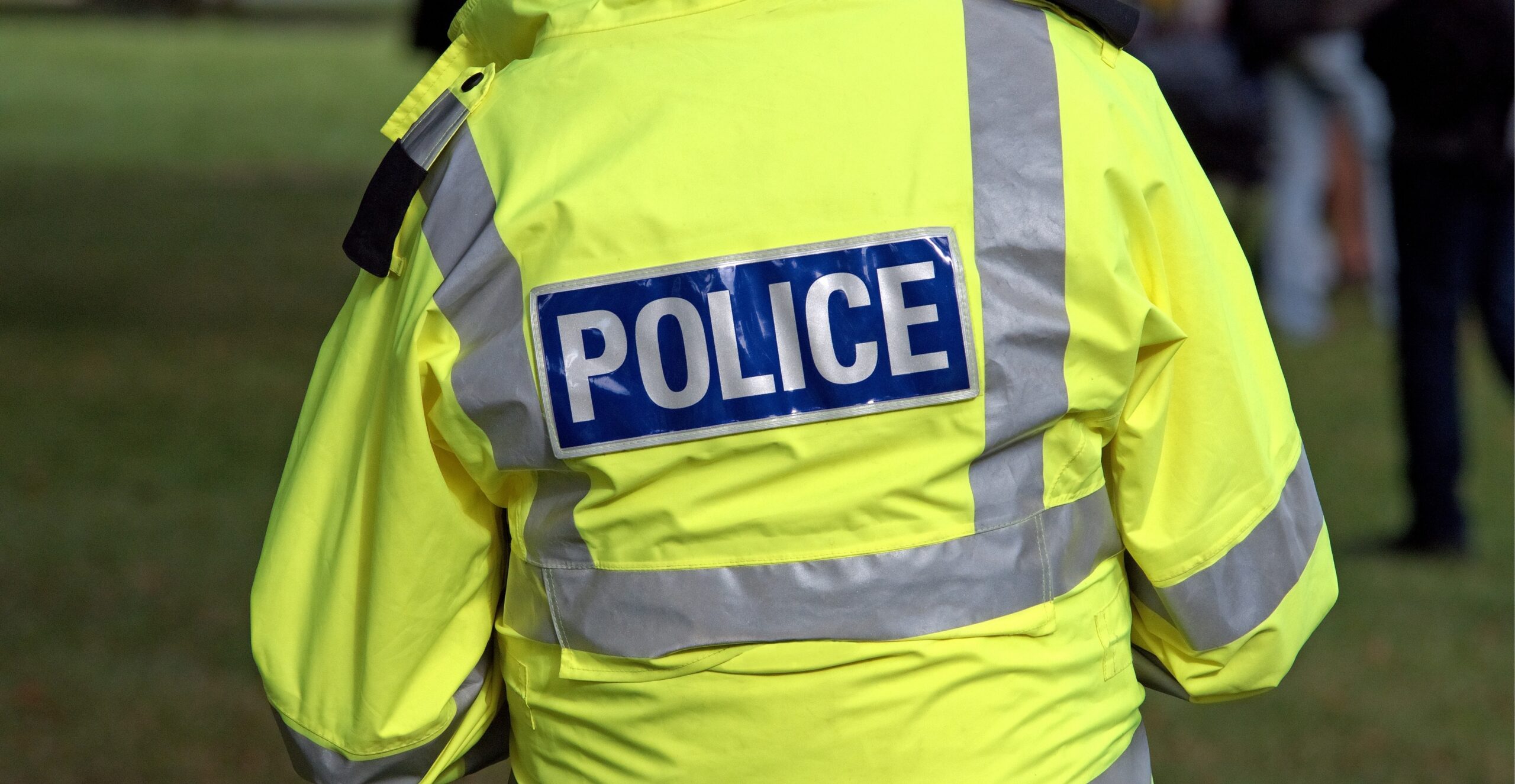
Merseyside Police have confirmed that a total of 10 people were arrested during the policing operation at Liverpool’s home ground of Anfield as they hosted Manchester City on Sunday 11 October.
One man was arrested on suspicion of assaulting a police constable, five were on suspicion of tragedy chanting, one on suspicion of being drunk and disorderly, two for affray, and one on suspicion of throwing items onto the pitch.
Police are now appealing to the public, and are particularly looking to speak to witnesses of the assault of the officer.
At around 6:35pm, as fans left the stadium, a police officer sustained a ‘serious facial injury’ during the arrest of a man on Anfield Road, and was subsequently taken to hospital for treatment but is now recovering at home.
Investigating officers are now conducting enquiries, speaking to witnesses, and analysing CCTV and camera phone footage.
Chief Inspector Leanne Hobin said it’s ‘extremely disappointing’ that an officer has sustained a serious injury while carrying out their duty.
“I hope the arrests send a clear message and act as a deterrent to others,” Chief Inspector Hobin continued. “Anyone who engages in this abhorrent behaviour risks ending up in custody and getting a criminal record.
“Despite the actions of a few, the overwhelming majority of the 60,000 fans in attendance behaved well and I want to thank them for their co-operation.”
Manchester City ended up defeated Liverpool 3-0 during the Premier League clash at Anfield.

 The Manc -
21st December 2020
The Manc -
21st December 2020