The BBC has today revealed “ambitious plans” for its biggest transformation in decades – and it’s seeing “more power and decision-making” move to the north.
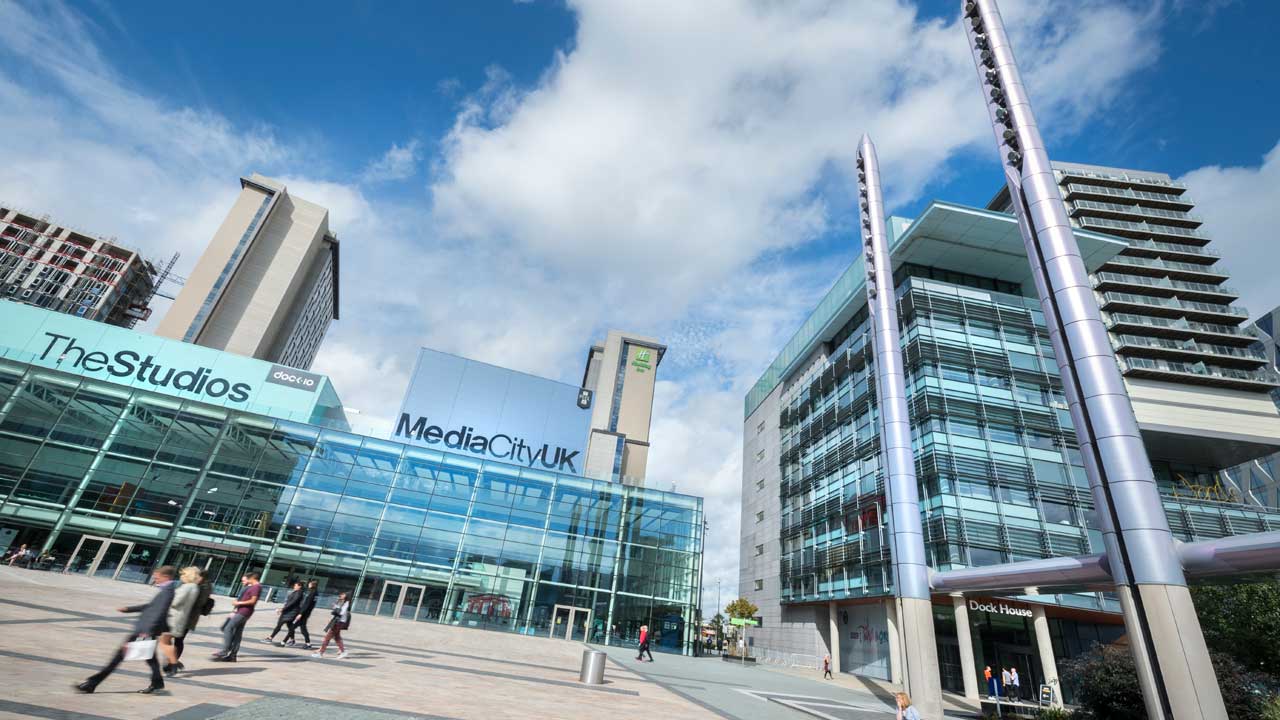
At present, half the BBC’s operations are based outside of London – with departments including BBC Sport, 5 Live and Children’s having relocated to MediaCityUK in Salford in 2011 – but over the next six years, the BBC will increase this activity across the north to further cement a commitment to “reflect, represent and serve” all parts of the country, and deliver “great value for all audiences”.
Not only that, but the BBC Across the UK plan will also give even more prominence to stories from communities across the region.
This has been called the “biggest creative and journalistic reshaping” of the BBC in its history.
ADVERTISEMENT
We have set out the BBC’s blueprint for the future, our biggest transformation in decades, and it will affect you.
Want to know how? Here are 7 reasons to get excited about the BBC in the North ⬇️
The BBC’s base in MediaCityUK is set to grow even more, with Salford becoming the hub for the broadcaster’s digital and technology teams. BBC Radio 3 and BBC Radio 6 Music will also become rooted in the north, with more than 50% of their broadcast hours coming from Salford.
Hit BBC One daytime show Morning Live will also be broadcast from Salford all year-round.
ADVERTISEMENT
And, a new long-running drama series produced in the north of England will also be launched and broadcast across the country.
Speaking on the unveiling of today’s plans, Tim Davie – Director-General of the BBC – said: “Our mission must be to deliver for the whole country and ensure every household gets value from us [and] these plans show how we want to be closer to audiences, create jobs and investment and develop and nurture talent.
“Over the last year, the BBC has helped inform, educate and entertain all four nations, as we have collectively faced some of our toughest moments in recent history.
ADVERTISEMENT
“Now, as we look to the future, we must play our part in supporting the UK’s social and economic recovery by rebuilding the creative sector and telling the stories that need to be heard from all corners of the country”.
What can Salford expect from the BBC then?
The BBC’s base in MediaCityUK to become the hub for the BBC’s Audio Business News service, with the Today programme business updates also coming from Salford.
BBC One daytime hit Morning Live will relocate to Salford and broadcast to the UK every weekday.
BBC Radio 3 and BBC Radio 6 Music will be rooted in the North, with more than 50% of their broadcast hours coming from Salford.
The recruiting of a new network of community digital reporters to help bring journalism closer to communities.
The Writersroom – the BBC’s home for new writing talent – will be expanded in Salford, with a new Head of New Writing based at BBC North, tasked with discovering and developing new writers in the north and across the whole UK.
A new assistant comedy commissioner will be based in Salford working with talent in the North on new and existing titles.
There will be a new commercial operation for BBC Children’s working out of Salford.
Newsnight will be presented from different bases throughout the year, including from Salford.
BBC / MediaCityUK
On top of that, according to the BBC, all the above changes mean that from 2022, the entire live output of BBC One, from 6am to 10am, will broadcast from Salford – which it says makes it the only channel in the UK to do so.
The broadcaster says that the general aim for the plan is to “move power, investment and resources right across the UK”.
It is also keen to increase “economic, cultural, and social impact” in every corner of the country.
You can read more about the BBC Across the UK plan here.
News
Major pop star crowns humble rice and three cafe as ‘Jewel of Manchester’ ahead of sold-out gig
Thomas Melia
A beloved city centre takeaway has been given the title of ‘Jewel of Manchester’ by chart-topping UK singer Sam Smith.
Known for hits like ‘Stay With Me’, ‘I’m Not The Only One’ and more recently ‘Unholy’, UK pop-ballad act Sam Smith also likes to drop a food review every once in a while.
Currently on the road with a run of shows in Manchester and London for their ‘To Be Free’ live shows, Sam Smith is stopping off at some of our city’s much-loved spots.
On their food-reviewing account titled ‘Sam Served’, where they adopt the aptly-fitting nickname ‘Ham Smith’, Sam has visited restaurants across the globe – and most recently turned their attention to Manchester’s own This & That.
Smith decided to pop in and grab a cheeky rice and three from long-standing backstreet food business This & That, and it certainly went down a treat.
After sampling their amazing selection of meat, vegetable and vegan curries, the musician crowned this family-run Indian takeaway a ‘Jewel of Manchester’.
The hitmaker described this Northern Quarter Indian eatery as ‘Everything food should be’ and definitely enjoyed all the curries on offer ‘leaving belly and heart full’.
This & That prides itself on affordable and comforting food with its ‘Rice and Three Curries’ starting from just £6 – not bad for a city centre foodie spot.
Sam has racked up an impressive 490k followers via their ‘Sam Served’ profile, with famous faces like Lily Allen, Denise Welch and CMAT all wanting to know the superstar’s foodie thoughts.
After enjoying a curry or three, Sam Smith also made sure to feed their soul to by venturing down to Afflecks and getting lost in the music at Mars Tapes.
Recognised as one of the UK’s only cassette and tape shops, Mars Tapes lets you flick through their crates of physical media and even preview tracks before you buy with its dedicated listening areas.
It’s safe to say that Smith has ‘Latched’ onto Manchester’s independent business scene and we’re here for it.
The London-born artist has just released their latest album Hazel Eyes and is currently amid a UK residency tour with two dates in Manchester’s Albert Hall and eight shows set for London Coliseum.
24-hour bus services are now running across all Greater Manchester boroughs
Emily Sergeant
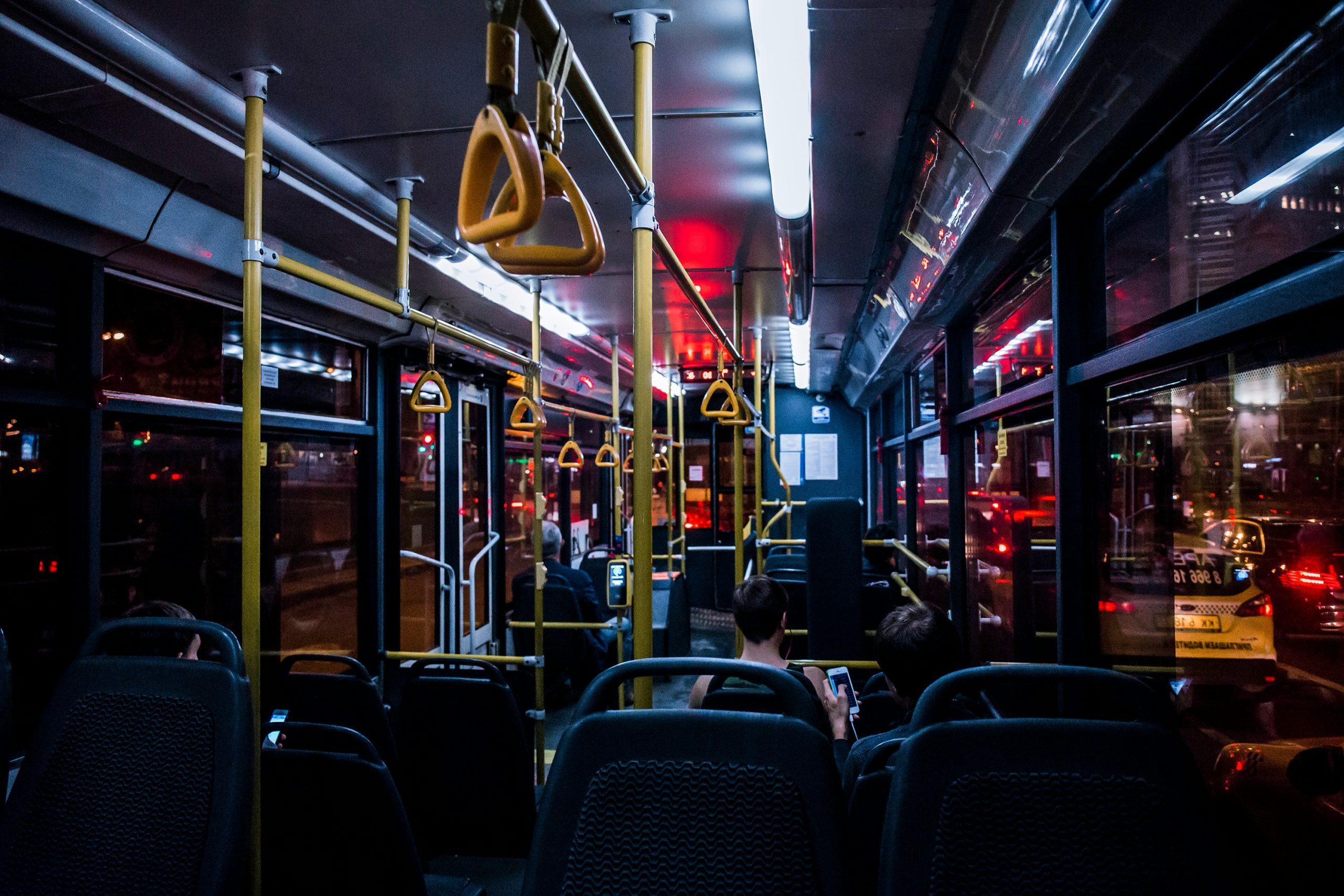
24-hour bus services are now running across all boroughs in Greater Manchester.
You may remember that back in March, it was announced that every borough of Greater Manchester was set to get a night bus service in what is hoped to be a ‘boost’ to the night-time economy… and now it’s official, Transport for Greater Manchester (TfGM) has launched those 24-hour buses this month, along with a series of other measures.
Oldham, Stockport, Tameside, and Trafford now join the rest of Greater Manchester in having 24-hour bus services, meaning every part of the region will have a night bus operating Thursday through to Sunday.
It’s expected that these new services will help around 625,400 people working in the night-time economy across Greater Manchester, as well as those out enjoying the region’s nightlife, TfGM has said.
The routes which will run around the clock from Thursday until Sunday are:
50 (Salford – Manchester)
216 (Tameside – Manchester)
263 (Trafford – Manchester)
192 (Stockport – Manchester)
83 (Oldham – Manchester)
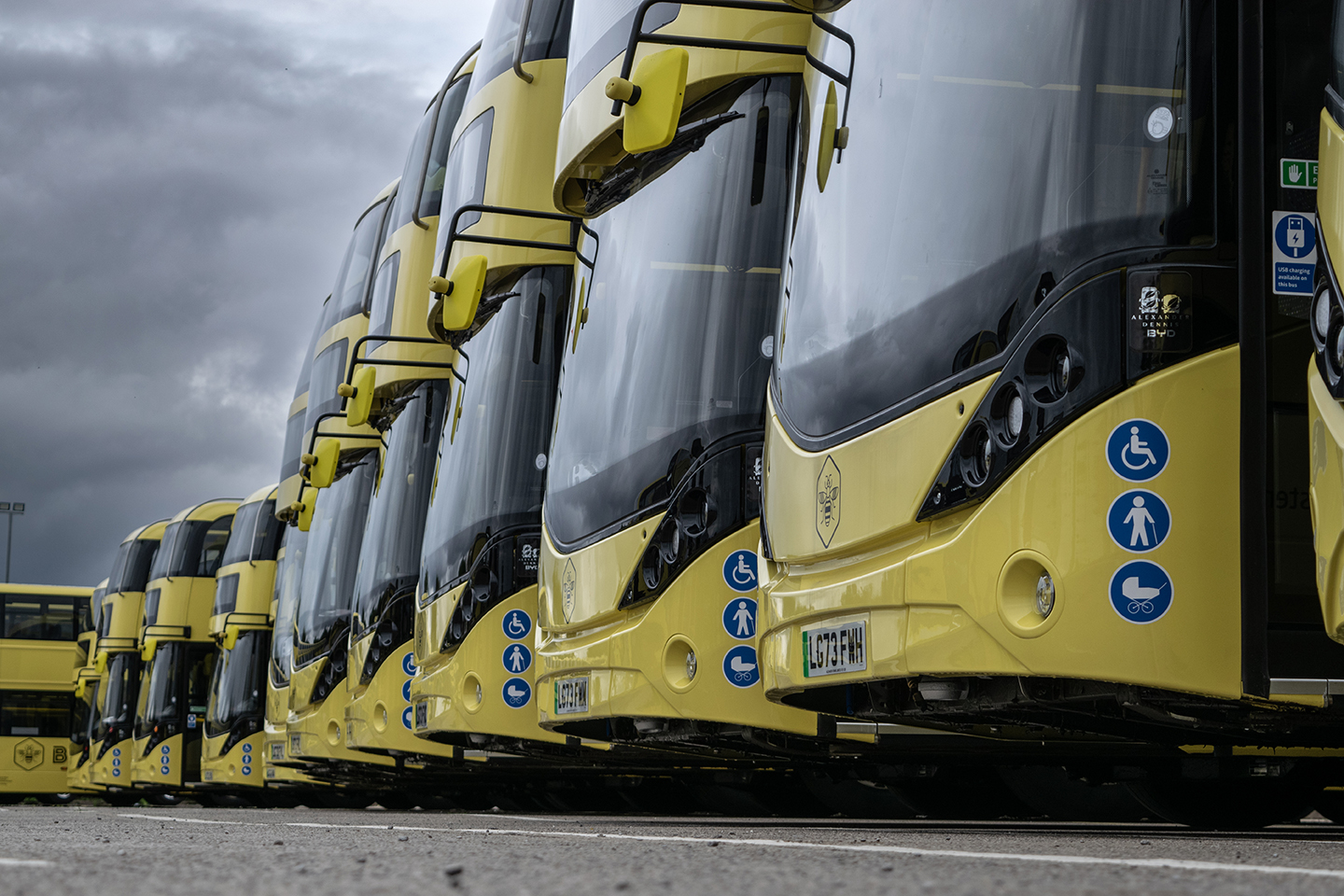
All Greater Manchester boroughs now have 24-hour bus services / Credit: TfGM
They launch alongside the most significant service changes to the Bee Network since the completion of bus franchising last year – including other new bus routes, and more frequent services across Greater Manchester.
“We want everyone to be able to enjoy everything Greater Manchester offers, without the worry of how to get there and get home,” commented Greater Manchester Mayor, Bev Craig.
“By growing the Bee Network, we’re making it easier than ever for people to use the bus, day and night.
“Our night buses are already providing a lifeline to some of the hundreds of thousands of people who are growing our night-time economy and working in essential public services.”
“Whether people are heading home from a night at the theatre or starting the early shift at a hospital, they can now get on board the night bus as a safe and affordable way to travel.”
Further improvements will delivered from January 2027, and a full breakdown by borough can be found on the Bee Network website here.

 The Manc -
18th March 2021
The Manc -
18th March 2021