Young people who have previously had COVID-19 are to be deliberately exposed to the virus for a second time.
It’s all part of a new study that aims to monitor how their immune systems react.
The University of Oxford’s “human challenge” trial – which is being widely reported on this morning – also hopes to discover what dose of coronavirus (COVID-19) is needed to cause a reinfection, and what this may mean for developing protective immunity against the disease.
The decision to carry out the study comes after recent research has suggested that prior infection may not fully protect young people from COVID-19 in the future, with an observational study performed in the US indicating that 10% of participants ended up getting reinfected.
So, what does the study entail then?
ADVERTISEMENT
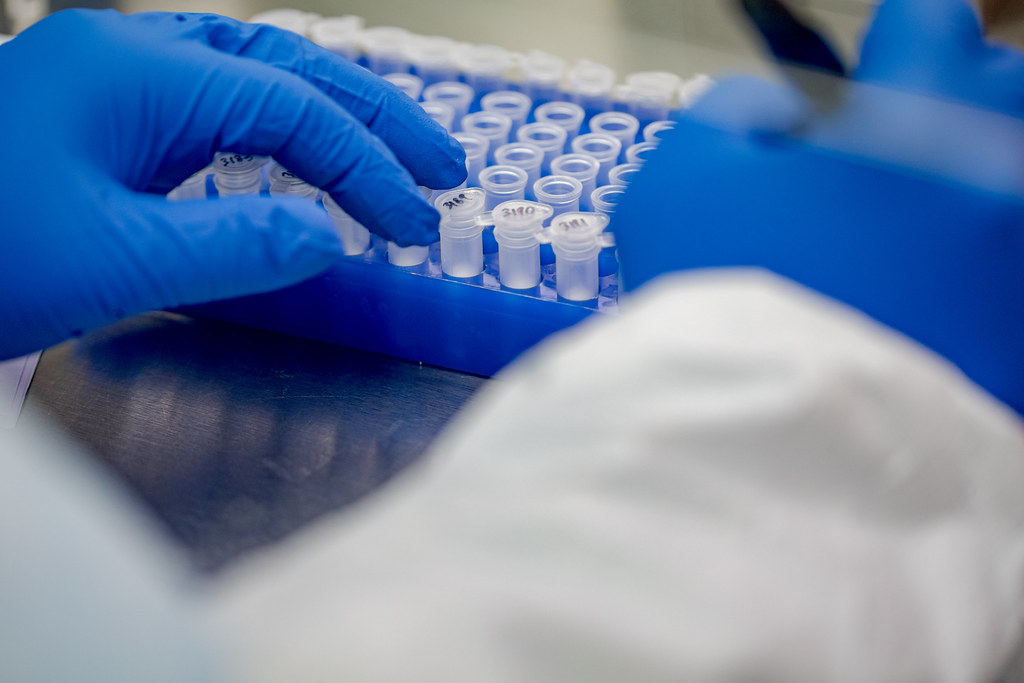
As part of the trial, young people – between the ages of 18 to 30 – who have previously already been naturally infected with COVID-19, will be recruited and then re-exposed to the virus in a safe, controlled environment, all while being quarantined for 17 days and cared for by researchers at a hospital until they are no longer at risk of infecting others.
Once the trail is complete, participants will then receive just under £5,000 as payment.
ADVERTISEMENT
The study will take phase in two phases.
Flickr
The first phase – which will involve 64 healthy volunteers – aims to establish the lowest dose of virus which can take hold and start replicating, and once the dosing amount is established, it will be used to infect participants in the second phase of the study.
Regular check-ups in the year after reinfection will also help to establish the immune response generated by the virus, as well as contributing to the creation of better vaccines and a greater understanding of how long immunity lasts.
ADVERTISEMENT
Professor Helen McShane, the chief investigator, said: “Challenge studies tell us things that other studies cannot because, unlike natural infection, they are tightly controlled.
“When we reinfect these participants, we will know exactly how their immune system has reacted to the first COVID infection, exactly when the second infection occurs, and exactly how much virus they got.
“As well as enhancing our basic understanding, this may help us to design tests that can accurately predict whether people are protected”.
The trial is expected to start in the summer.
Featured Image – Wikimedia Commons
News
Man arrested in relation to series of ‘aggravated’ burglaries in Oldham following urgent police appeal
Emily Sergeant
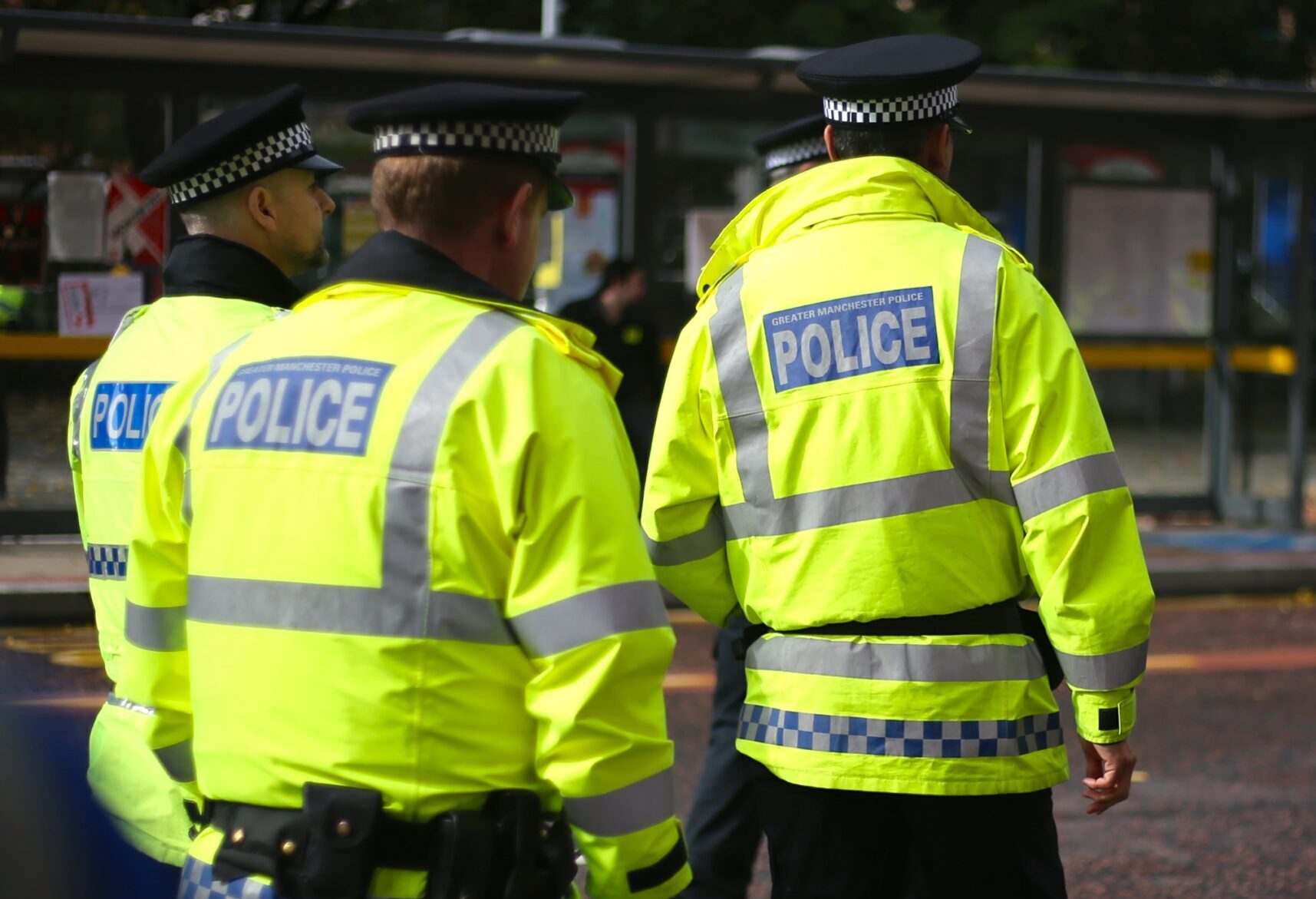
A man has been arrested in relation to a series of ‘aggravated’ burglaries in Oldham following an urgent police appeal last week.
Greater Manchester Police (GMP) confirmed that, between January and March of this year, there had been four linked incidents, as well as a further incident in October, where victims had been targeted in a similar way – with the suspect attempting to or gaining entry to their property, before demanding they hand over bank cards and pin codes.
And now, following a police appeal last week, the suspect – a man in his 30s – has been arrested on suspicion of aggravated burglary, and he remains in custody for questioning.
Following the arrest of the man, who has not been named, police identified a potential further victim.
The incident involving this victim is believed to have occurred between Wednesday 4 November and Saturday 7 November at an address on Whitstable Close in the Chadderton area of Oldham, and during a search of the property, officers sadly found a deceased man in his 70s.
His death is currently being treated as ‘suspicious’, and the same man in his 30s arrested on suspicion of aggravated burglary has been further arrested on suspicion of murder.
The victim’s next-of-kin have been informed, and they are being supported by police.
Following the arrests, Detective Superintendent Amber Waywell commented: “First and foremost, our thoughts are with the gentleman who has sadly died and with his family and loved ones at what will be an incredibly difficult and distressing time.
“This remains a complex and developing investigation, and we are working hard to establish the full circumstances surrounding his death.
“I would like to thank the outstanding work of our detectives, who have shown real determination and persistence throughout this investigation.
“We are also extremely grateful to everyone who came forward following our media appeals.”
Featured Image – Wikipedia Commons
News
Exciting new CGIs released of £500m Therme Manchester wellness resort as construction continues
Emily Sergeant
As construction continues on Manchester’s massive wellness resort, some new CGIs have now been released.
In case you need bringing up to speed, construction of the £500 million Therme Manchester wellness resort officially began last September after several years of planning, and now developers have released some exciting new CGIs – with an update on how construction is going, as a new milestone has been reached this week.
Set to open to the public in 2029, Therme Manchester will become one of the largest urban wellbeing resorts in the world.
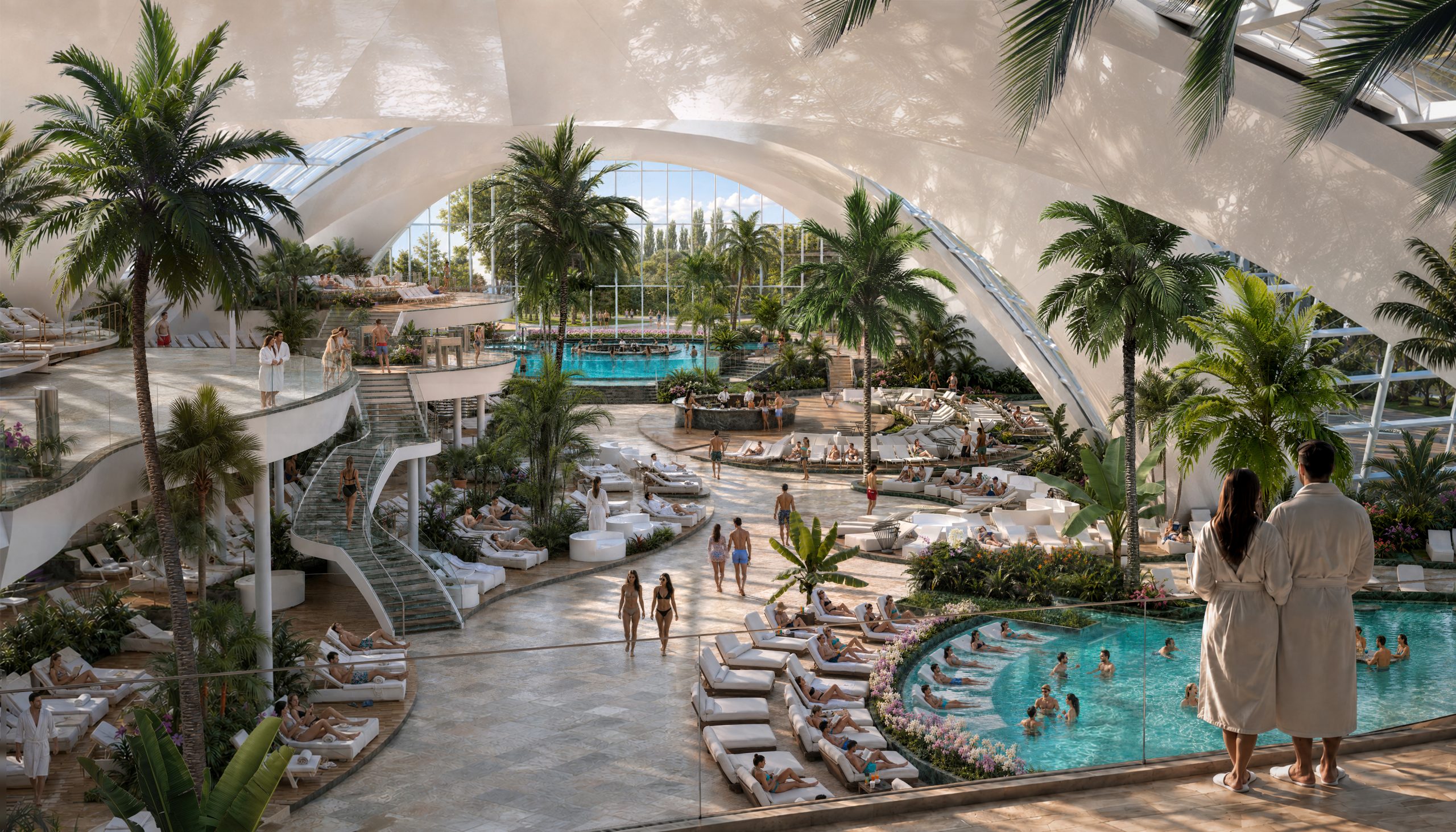
Visitors can expect to make the most of a 10 pools – both lagoon and wave pools included – thermal bathing, multi-sensory sauna rituals, steam rooms, 18 water slides, affordably-priced luxury spa therapies, and health and fitness experiences.
Exciting new CGIs released of Therme Manchester have been released / Credit: Supplied
At the heart of Therme Manchester will be three distinct zones, each offering a different way to spend time at the resort.
Play will bring together water-based fun and attractions for families and visitors of all ages, and Restore will focus on thermal bathing and restorative experiences designed to help visitors unwind, while Relax will offer spaces for relaxation and wellbeing.
The latest CGIs showcase the design as it develops – including the resort’s extensive indoor and outdoor spaces, and its 53,000sq ft wellbeing garden.
Construction is still underway on the £500m wellness resort / Credit: Supplied
The plans also feature a new public plaza designed to strengthen connections between the resort and the Bridgewater Canal.
Professor David Russell, CEO of Therme UK, said: “We have taken the opportunity to refine the design, improve how traffic and parking are managed and create a more welcoming environment for everyone arriving at the resort.
“We are creating an even better experience for visitors while supporting more efficient and sustainable operations.”

 The Manc -
19th April 2021