Two popular Greater Manchester postcodes have been named on the list of ‘crash for cash’ hotspots across the UK.
A new analysis by the Insurance Fraud Bureau (IFB) – which helps insurers and police forces fight fraud – has this week revealed that Manchester (M8) and Oldham (OL8) are among the top 30 postcodes in the country where ‘crash for cash’ have been reported to take place, appearing at number 14 and 16 respectively.
The new research has been carried out to help disrupt organised fraud networks.
The term ‘crash for cash’ is an insurance scam where fraudsters deliberately cause dangerous road collisions and often target innocent people in a bid to claim compensation and the Insurance Fraud Bureau (IFB).
Of 2.7 million motor insurance claims made across the UK in between the start of October 2019 and the end of 2020, the IFB has identified more than 170,000 claims which could be linked to suspected crash for cash networks.
Birmingham and Bradford remain the most prevalent areas in the UK for the dangerous scam, accounting for seven of the 30 postcodes.
The IFB said it hoped that, by pinpointing crash for cash hotspots, people would be encouraged to be vigilant as more drivers start to take to the roads.
ADVERTISEMENT
IFB investigations have found that single gangs could potentially be behind thousands of orchestrated collisions in some areas, with the combined value of their fraudulent claims running into the millions.
In 2019, it was estimated that crash for cash was costing insurers £340 million annually.
The 30 Postcodes With The Most ‘Crash For Cash’ Incidents
B25 Birmingham
B34 Birmingham
B8 Birmingham
BD7 Bradford
BD3 Bradford
WS1 Walsall
BB9 Blackburn
BD8 Bradford
B27 Birmingham
RM18 Romford
B33 Birmingham
WF13 Wakefield
BD15 Bradford
OL8 Oldham
HX1 Halifax
M8 Manchester
LS8 Leeds
N9 North London
WF16 Wakefield
LU3 Luton
WS2 Walsall
BD2 Bradford
BD5 Bradford
B11 Birmingham
HP12 High Wycombe
B28 Birmingham
RM8 Romford
LU4 Luton
IG3 Ilford
BD9 Bradford
Speaking on the revealing of the top 30 list, Ben Fletcher – Director at the IFB – said: “Crash for cash fraudsters bring devastation to countless victims and increase motor insurance costs for us all.
ADVERTISEMENT
“The IFB’s hotspots analysis is a stark reminder that although great strides have been taken in tackling the problem, these car crash scams are all too common.
“As traffic levels return to normal following the national lockdown, crash for cash fraudsters may look to make up for lost time. It is hoped that by shining a spotlight on the issue we will encourage road users to be alert and report any suspicious activity to the IFB’s Cheatline on 0800 422 0421”.
Each year, countless innocent people fall victim to reckless #CrashforCash scams – enough is enough! Tomorrow, we’ll be releasing new figures highlighting the UK’s 30 worst-affected postal districts for 'Crash for Cash' scams to raise awareness and help communities fight fraud. pic.twitter.com/U3xvmqyePR
The IFB says ‘crash for cash’ car collisions are often caused by fraudsters in a vehicle in front of the victim, meaning the scam artist will slam their brakes on at busy junctions and roundabouts in the hope that the unsuspecting driver behind won’t stop in time.
Some fraudsters also do this with an accomplice that drives erratically in front of them, so they can divert the victim’s suspicions by blaming the driver in front.
On top of that, there have been rising reports of innocent drivers being crashed into by fraudsters after being encouraged to pull out of side roads, or when creeping forward for a better view.
ADVERTISEMENT
Experts say the best way for motorists to protect themselves is to be armed with a dashcam – which cost from as little as £50 and up to £500 for the most advanced devices, and were launched to help drivers prove their innocence in road traffic collisions – and also keep a good distance to the vehicle they are following, to allow them to stop in time in all scenarios.
You can find more tips about preventing ‘crash for cash’ scams via the IFB website.
Featured Image – SAGA
Trending
Mancs wanted to take part in a new series of the ‘hardest quiz show on TV’
Emily Sergeant
Call yourself a clever clogs? The BBC is currently looking for contestants to take part in what is widely considered the hardest quiz show on TV.
That’s right – Only Connect is back for another series on BBC Two.
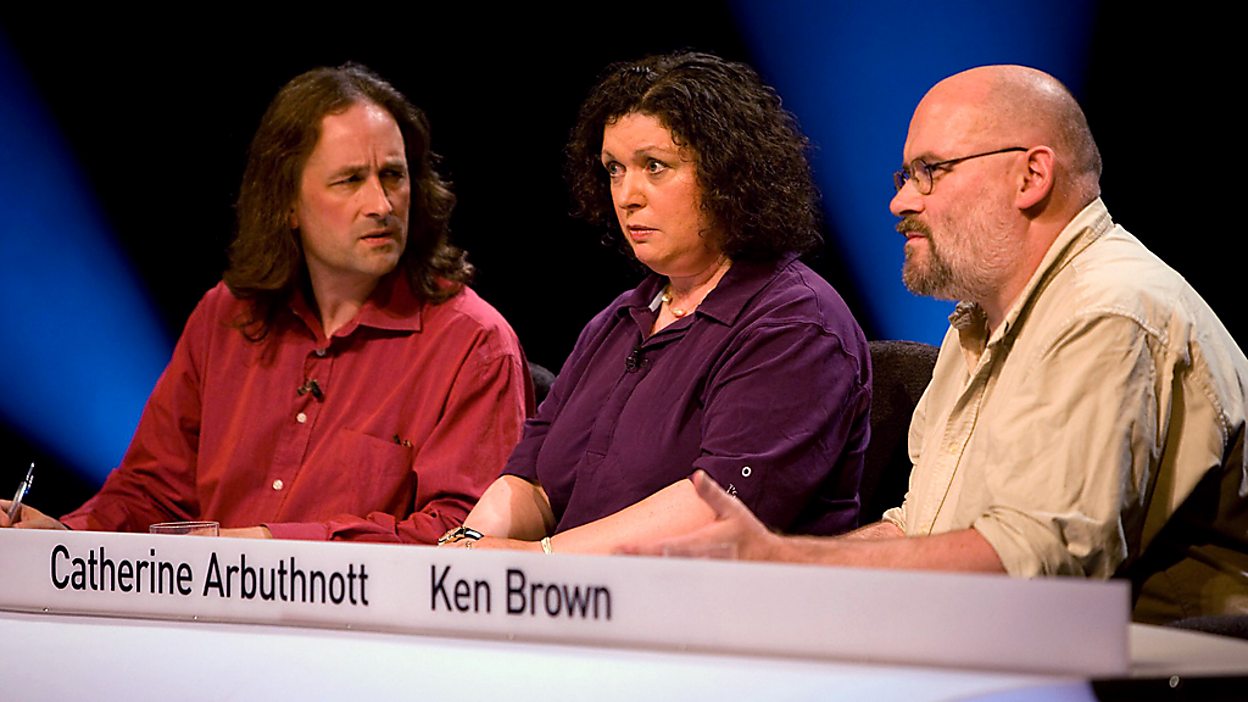
Presented by Victoria Coren Mitchell and first broadcast all the way back in 2008, Only Connect takes TV quizzing to the next level, as it sees two teams compete against each other by finding connections between seemingly unrelated clues.
In this quiz show – which viewers have dubbed one of the most challenging there is – knowledge only takes you so far, as the ability to think laterally is also deemed ‘vitally important’.
A casting call for the upcoming 2027 series has been shared on the BBC website, with people from Greater Manchester encouraged to apply.
Mancs wanted to take part in a new series of the ‘hardest quiz show on TV’ / Credit: BBC
The casting call reads: “The popular BBC Two quiz show presented by Victoria Coren Mitchell returns for a new series in 2027.
“Only Connect is seeking teams of three players OR single applicants or teams of two looking for like-minded teammates to pool their combined wits to solve fiendish conundrums and vexing puzzles.
“This is the quiz series where, as in life itself, knowledge will only take you so far: patience and lateral thinking are also vital. It’s all about making connections between things which may appear, at first glance, not to be connected at all.”
Reckon you’ve got what it takes then? Applications are now open, and all applicants must be aged 18 or over and a resident in the UK or Channel Islands.
Massive student night returns to Trafford Centre next month with up to 50% off on big brands
Emily Sergeant
Students can get themselves up to 50% off on food, activities, and loads of big-name brands at the Trafford Centre next month.
With thousands of new and returning students starting to arrive for the new academic year at Greater Manchester‘s universities, one of the region’s biggest student nights will be making a long-awaited comeback for one night only next month – and there’ll be loads of exclusive offers and free entertainment to make the most of across the evening.
Taking over the Trafford Centre in early October, the popular one-off student night is happening in partnership with Student Beans, and gives cash-strapped students the chance to shop a variety of incredible discounts all under one roof.
Just some of the big brands offering big discounts include 25% off at Levi’s and Boux Avenue, 20% off at Gymshark, Hollister and Abercrombie & Fitch, and 15% off at KIKO, Rituals, and Sephora.
It’s not just retail brands you’ll be able to save some pennies on either, as many of the Trafford Centre’s restaurants and cafes will also be offering discounts and freebies on the night too.
Alongside the offers, students can expect plenty of live entertainment and in-store experiences throughout the evening, including a DJ set and drinks at Calvin Klein, in-store fitness challenges and at Gymshark, an exclusive piercing event at Lovisa, and a Beauty Hub takeover at Sephora.
There’ll also be ‘spin-to-win’ opportunities at places like schuh, River Island, and YO! Sushi.
Massive student night returns to Trafford Centre next month with up to 50% off on big brands / Credit: Supplied
“Student Night is one of the highlights of our autumn calendar, and we’re excited to welcome students for an evening of brilliant offers and feel-good experiences,” explained Simon Layton, who is the Centre Director at the Trafford Centre.
“Whether they are updating their wardrobe, stocking up on beauty favourites, grabbing a bite to eat or enjoying the atmosphere with friends, there is plenty to discover across the centre.
“With simple transport links from Manchester city centre and across the region, Trafford Centre is the perfect place for a student night out.”
The Trafford Centre’s Student Night is happening on Thursday 1 October from 6-10pm, and students can now reserve themselves a spot by registering online HERE.

 Emily Sergeant -
11th May 2021
Emily Sergeant -
11th May 2021