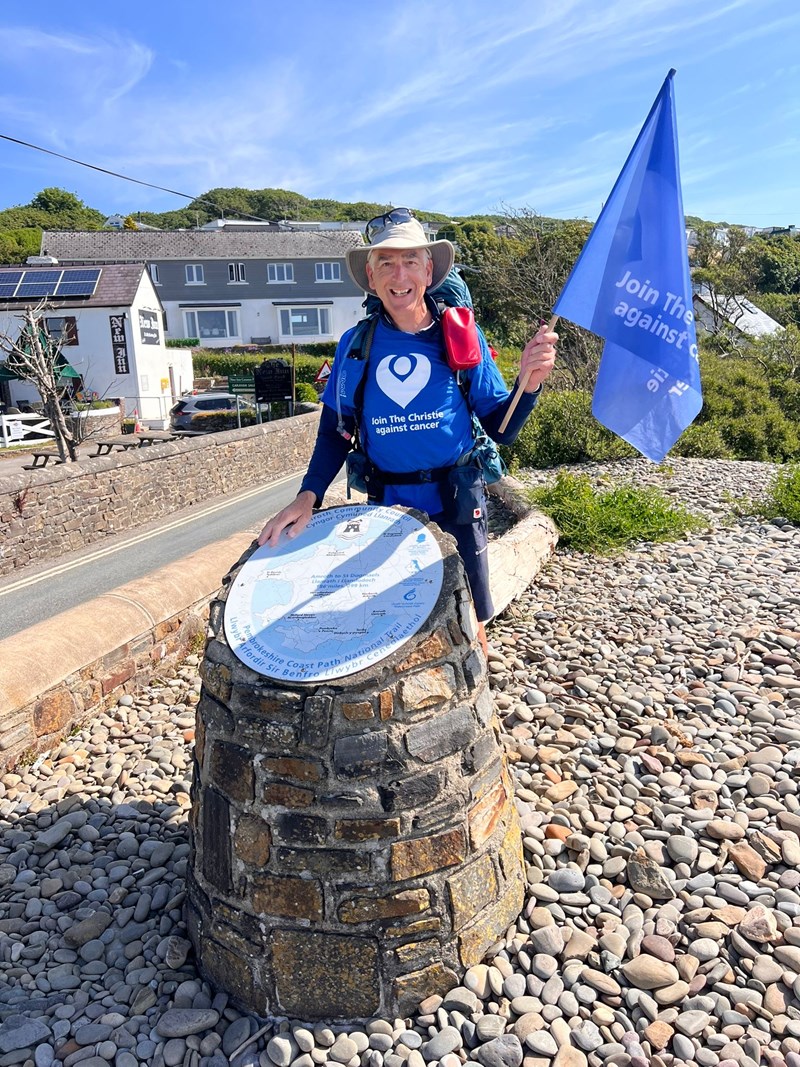
In a wholesome bit of news that has left us both moved and inspired, a 68-year-old Brit has raised nearly £14,000 for The Christie Hospital in Manchester by completing a truly epic coastal journey.
Peter Walker, originally from Birmingham, was set to embark on the famous Land’s End to John O’Groats challenge last year with his friend Nick Slevin, but sadly his walking partner’s wife Carrie was diagnosed with pancreatic cancer and admitted to The Christie last year.
As a result, the journey had to be postponed but Walker still wanted to do his bit to try and raise some money in the meantime and so decided to take on a different challenge: the well-trodden but mammoth Pembrokeshire Coastal Path.
For context, this designated National Trail runs for a whopping 186 meals and Pete managed to finish the whole thing alongside some special company earlier this month.
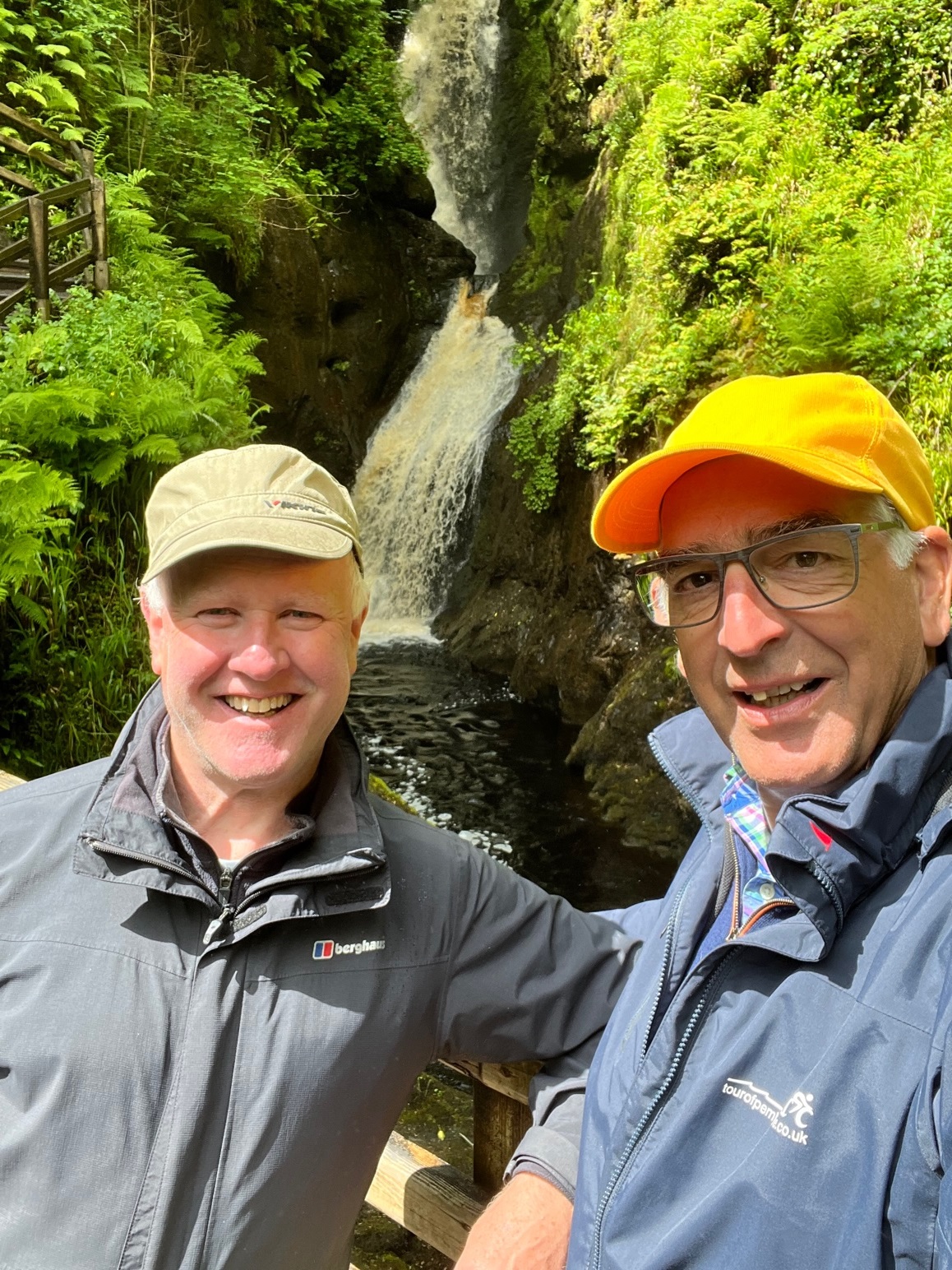
Peter starting at Amroth in the north.The Witches’ Cauldron near Ceibwr BayCredit: Peter Walker/GoFundMe
As if the distance wasn’t enough – we’re talking nearly 300km – the challenge was even more gruelling as the Pembrokeshire local had to train pretty intensely to be fit enough for the voyage and carry a 20kg backpack every step of the way, losing over a stone in weight during his preparation.
ADVERTISEMENT
Climbing more than 10,000 metres in total (that’s more than Everest by the way) ‘r Pete lost lover 3kg during the walk itself, which started at Amroth towards the north of the routeon 3 June.
So, why take this on? Well, his mate Nick, who recently retired from The Christie after 30 years of service, was a Professor of Oncology specialising in head and neck cancer and is still the Chair of The Christie Charity.
ADVERTISEMENT
The pair met way back in 1973 whilst Nick was at medical school and have been firm friends ever since. They both sadly lost their fathers to cancer more than four decades ago and his partner Carrie is a well-known teacher in the Didsbury area and similarly experienced fell-walker.
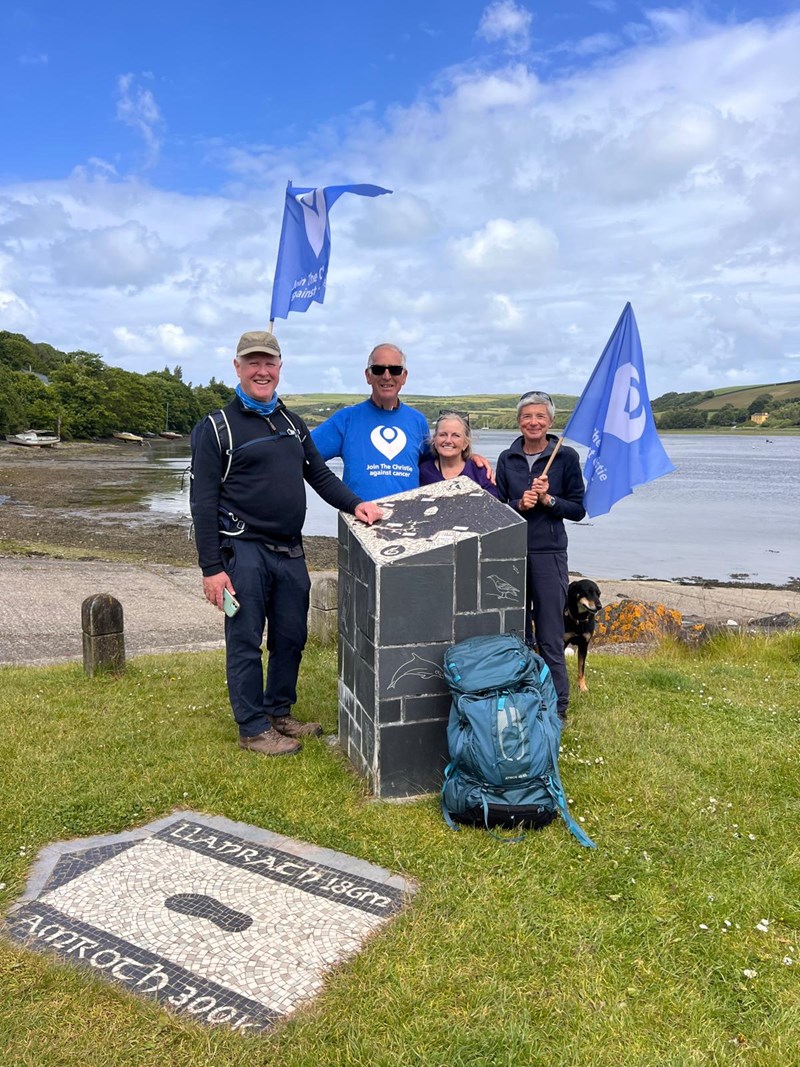
To make things even more heartwarming, Pete, his wife Helen, Nick and Carrie were all able to reunite for the last leg and the finish line at St Dogmaels just under a fortnight later.
Peter followed the Cicerone guide and camped at designated campsites or stayed with friends along the route, even noting how he “met a current Christie patient who was extremely complimentary of the care and expert treatment she’s received” on the very first day of the incredibly charitable undertaking.
ADVERTISEMENT
Speaking on the achievement, he said: “It was a challenging but wonderful experience taking on the Pembrokeshire Coast Path, and I learned a lot about backpacking after years of running and cycling… I’m extremely pleased to have been able to support The Christie, especially as they’re looking after Carrie.”
For many years Pete also organised and took part in the Tour of Pembrokeshire cycling event, so he’s no slouch but to still be doing these kinds of challenges at 68 and all for a good cause right here in Greater Manchester, he has our utmost admiration.
If you can still donate to his fundraising page HERE if you want to help do your bit for a medical institution that does so much for our area.
Travel warning issued as tens of thousands to descend for Manchester Half Marathon
Daisy Jackson
A travel warning has been issued ahead of the Manchester Half Marathon this weekend, with tens of thousands of runners and spectators expected to arrive in the city.
People are being urged to plan their journeys ahead of time, with significant road closures in place from the city centre as far out as Sale.
Road closures – and subsequent bus diversions – will also affect parts of Stretford, Chorlton, Trafford, and surrounding areas.
Around 32,000 people are expected to take part in the Manchester Half Marathon this Sunday, with thousands more coming out to cheer the runners on.
Transport for Greater Manchester is advising people that the Bee Network trams will be the best way to get around over the weekend.
Extra trams will be operating to provide as much capacity as possible.
Road closures and bus diversions will start on Saturday 3 October and continue until the actual race day on Sunday 4 October, lifting fully by 8.30pm.
Tens of thousands of runners and spectators will descend on Manchester for the half marathon
Earlier this year, the Manchester Marathon led to a record-breaking day for Metrolink trams, with the highest number of passengers ever recorded on a single day in the network’s history.
Whether running or cheering, people are advised to use the Bee Network app to plan their journeys and are strongly encouraged not to drive within the affected areas.
Steve Gilholme, Head of Events at Transport for Greater Manchester, said: “The Manchester Half Marathon is another one of those special occasions where the people of Greater Manchester and beyond come together, with thousands of people taking on the challenge and raising money for good causes, while many more will line the route to cheer them on.
“This does mean the city centre and especially trams will be incredibly busy so please plan ahead and give yourself extra time to make journeys.
“The Bee Network app and website will be the best places to get the latest travel information and tap and go contactless payments are the quickest and easiest way to pay.”
You can see all the road closures for the Manchester Half Marathon HERE.
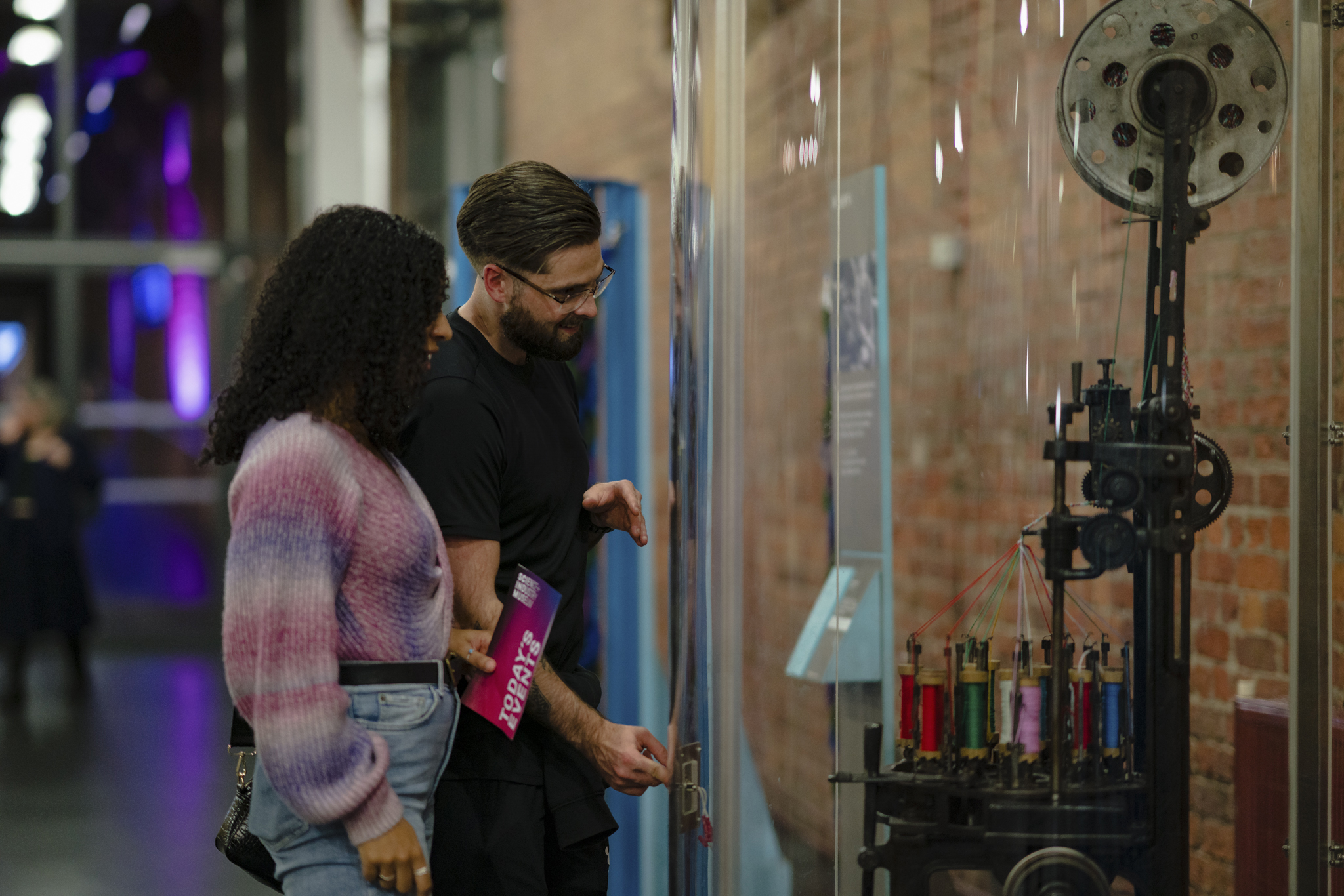
Funded by the Department for Culture, Media and Sport (DCMS), the 14 national museums of the UK are all located in England – including the Imperial War Museum North, and the Science and Industry Museum in our region – and free entry to was first introduced all the way back in 2001, with millions of visitors having benefitted since.
National museums are said to add more than £1 billion a year to the economy, and bring in visitors from all over the world.
In fact, seven of the UK’s 10 most visited museums are national museums, and 7.1 million people visited the Natural History Museum and 6.4 million visited the British Museum in 2025 alone.
The Government has announced that all national museums in the UK will remain free for everyone to visit / Credit: Science Museum Group | Wikimedia Commons
Earlier this year though, the Government committed to working with local leaders and the museum and tourism sectors to explore whether charging overseas visitors could help museums’ finances.
But following this, it’s now believed that charging could deter visitors, and that the impacts and benefits would ‘not be felt equally’ across the sector.
Instead, the free entry will be funded by the £1.5 billion Arts Everywhere Fund – which is providing £760 million for museums – while £600 million of infrastructure funding is supporting national museums and DCMS-sponsored cultural organisations.
The latter funding will be used to address critical maintenance and works to estates, and enable institutions to deliver on their commitments to share collections with visitors from around the world.

 Danny Jones -
25th June 2024
Danny Jones -
25th June 2024