Audio
Muse frontman spotted celebrating huge Manchester gigs… in the library
Daisy Jackson
While most rock stars might spend their downtime between gigs enjoying a swanky dinner, sipping cocktails or exploring Manchester’s nightlife, Muse frontman Matt Bellamy clearly had other things on his mind.
He decided that the perfect way to spend some time between the band’s Co-op Live shows was to immerse himself in rare books, musical history and, naturally, a spot of astronomy.
Bellamy shared his between-show antics on his personal Instagram account with his 780k followers, visiting several major cultural attractions after hours in the North West.
First stop was the magnificent John Rylands Library, where Matt was pictured browsing the shelves and settling down for a spot of reading. Opened in 1900, the stunning neo-Gothic building looks more like a Harry Potter film set than somewhere to borrow a book, with its soaring ceilings, ornate stonework and atmospheric reading rooms.
He then headed to Chetham’s Library, which has been welcoming readers since 1653 and is the oldest surviving public library in Britain. Its medieval surroundings have plenty of stories to tell, having once hosted the likes of Karl Marx and Friedrich Engels.
But Matt wasn’t just there to admire the architecture. He made an exciting musical discovery, too, finding Gillian Gilbert’s handwritten sequencer programming charts for New Order’s iconic Blue Monday. Now that’s what you call a library find.
Sharing pictures from the two visits, he wrote: “Some quiet time between Manchester shows, after hours at @thejohnrylands and @chethamslibrary.”
Having successfully squeezed in some bookish culture, it was time to look a little further afield – and considerably further upwards.
Matt’s next stop was Jodrell Bank Observatory in Cheshire, where he enjoyed what he described as a ‘dream-come-true morning’.
Not content with simply admiring the famous Lovell Telescope from the ground, he got the chance to reposition it and actually climb inside, as well as meet the scientists and students working at the observatory.
The enormous 76-metre radio telescope has been a landmark of British science since 1957, helping astronomers explore everything from distant galaxies to the mysteries of black holes. It’s also part of the UNESCO-listed Jodrell Bank World Heritage Site.
For a musician whose work with Muse has often ventured into space, science fiction and the mysteries of the universe, it’s easy to see why this particular excursion was right up his street.
Matt was clearly fascinated by what he discovered, sharing his enthusiasm for the team’s work on supermassive black holes, SETI (the search for extraterrestrial intelligence) and space debris tracking.
He also used the opportunity to highlight concerns about the planned end of funding for the e-MERLIN/VLBI National Radio Astronomy Facility in 2028, warning that this could put the future of its telescopes and research at risk.
He wrote: “Sad to hear that funding for the e-MERLIN/VLBI National Radio Astronomy Facility is set to end in 2028, putting the future of its telescopes and research at risk. Incredibly important to continue this research as we expand our understanding of the universe and perhaps expand the search for extraterrestrial intelligence through further exploration of technosignatures from advanced civilisations.
“Thanks to Simon, Ant, Emmanuel, Louisa, Phoebe, Christian, Atal, Chris, Anthony and the rest of the team for showing us around.”
So there you have it. Forget the rock-star cliché of late nights and champagne: Matt Bellamy’s ideal Manchester break involves rare manuscripts, New Order memorabilia and climbing inside one of the world’s most famous radio telescopes.
Read more
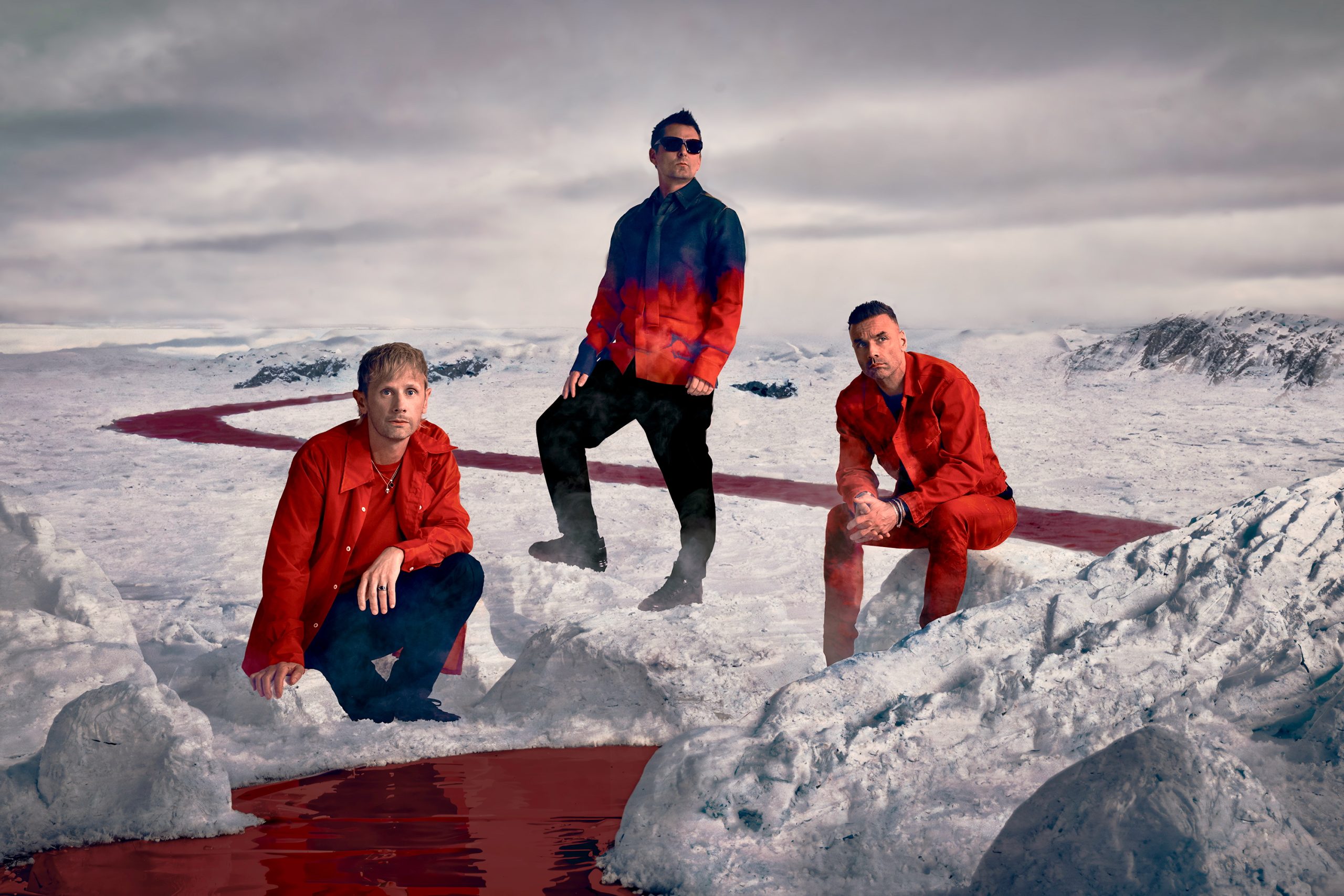
Featured image: Publicity picture