Manchester, April 1990. The ‘Madchester’ movement is in full bloom.
Throbbing speakers pump high decibels through thick plumes of cannabis smoke. Crowds dressed in baggy t-shirts congregate to sip cans of lager.
Gangs of men strip off their clothes and throw shapes in their birthday suits to the tune of uproarious laughter.
And this was just at Strangeways Prison.
Madchester – the cultural scene that had put Mancunia on the world map – had consumed the city at the turn of the nineties. But it had also found a way inside the region’s maximum security facility.
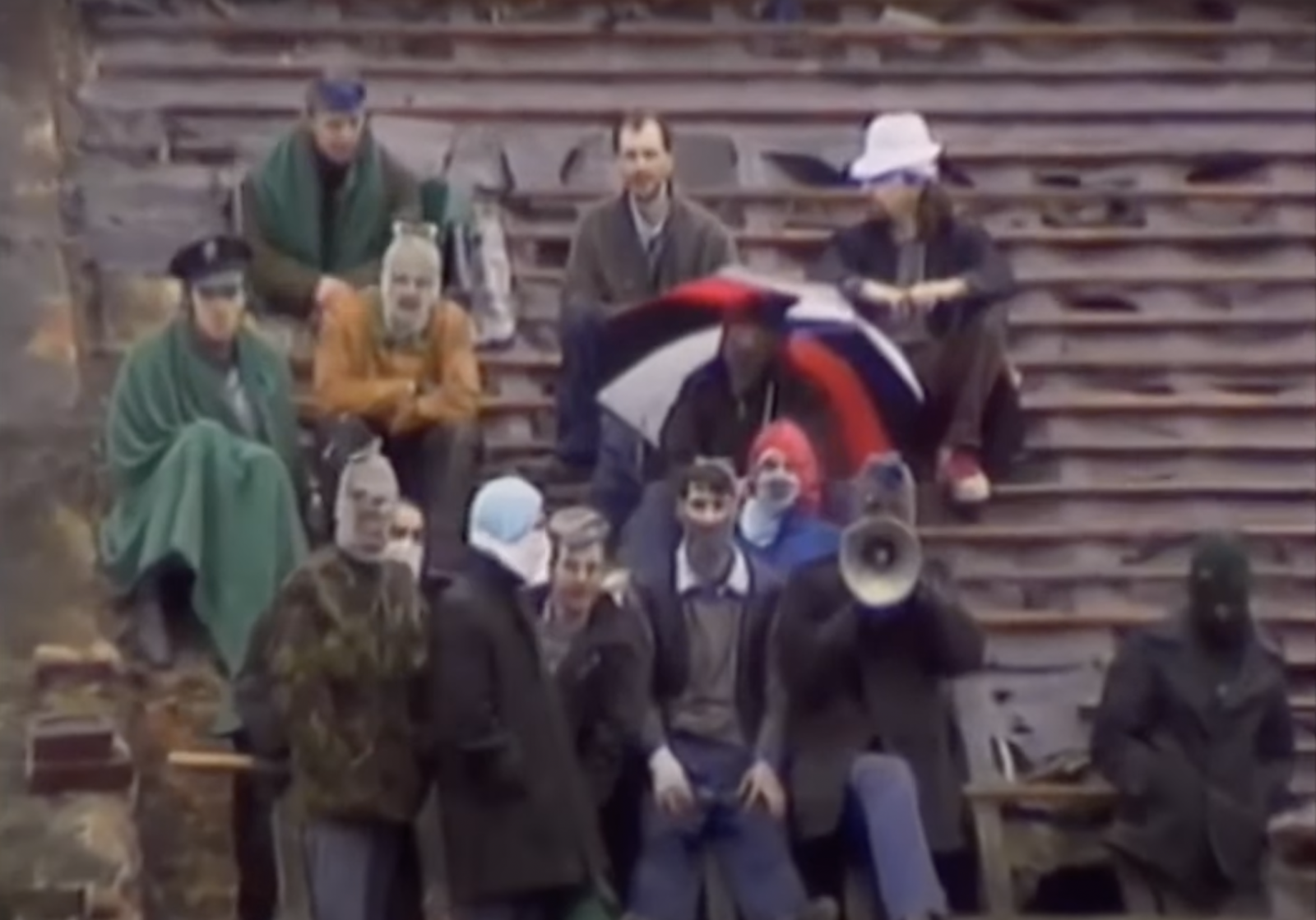
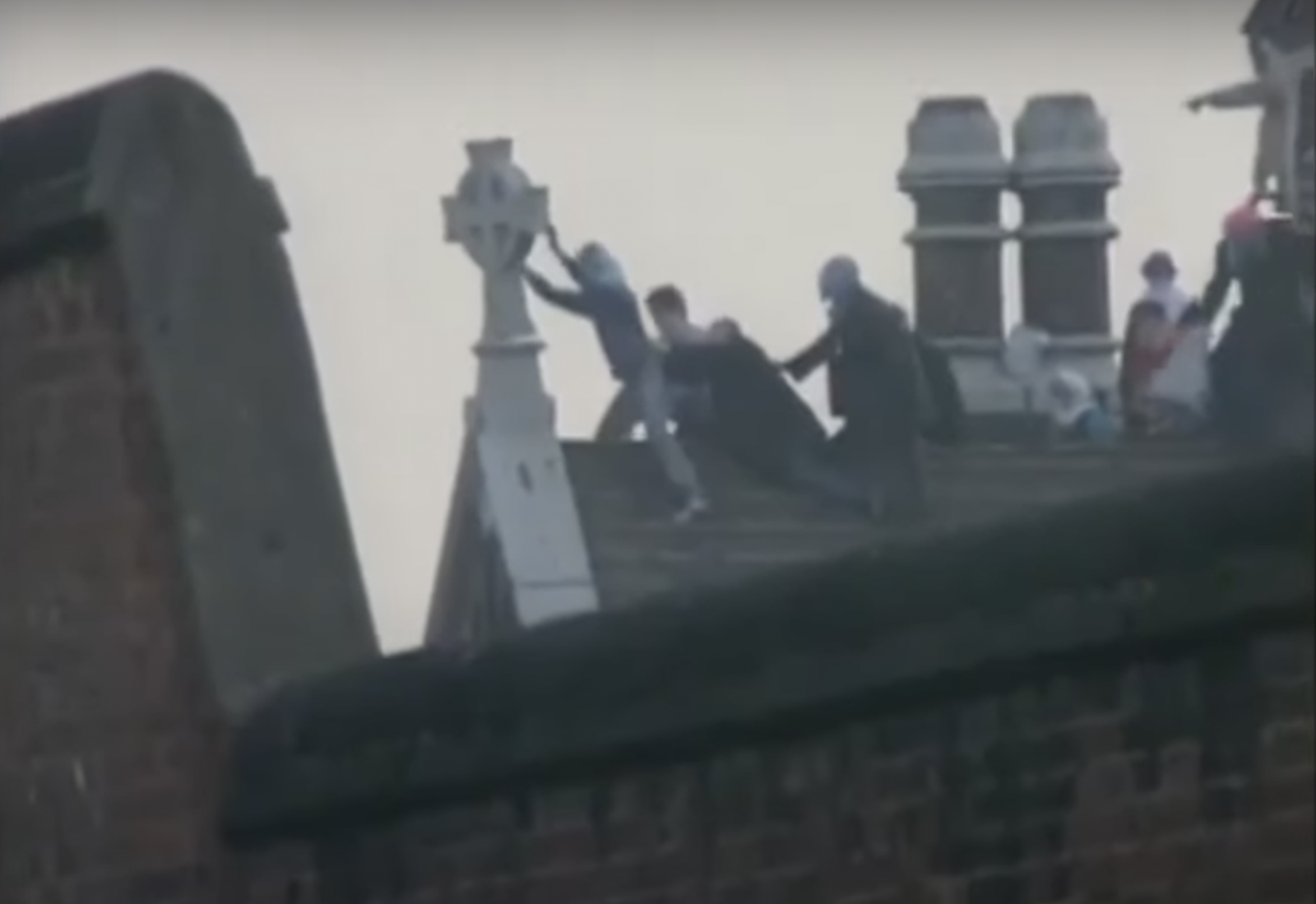
When the spring of 1990 rolled around, inmates had grown sick of the Victorian conditions at Strangeways. On 1 April they launched a revolt; fighting off the guards and climbing onto the roof to stage a protest.
ADVERTISEMENT
Not for the first (or last) time, every eye in Britain was on Manchester.
And one man watching the city vibe permeating prison walls was David Nolan – a young journalist covering the story for Piccadilly Radio.
“Madchester was the perfect backdrop for the riots; if you were to get the footage of the guys on the roof, you could cut it to a Happy Mondays song,” David tells The Manc.
ADVERTISEMENT
“The whole thing had this psychedelic, surreal weirdness. It was quite rock and roll – and very much of its time.”
“It was weird how quickly you got used to the surrealness of it all; this carnival atmosphere.
“There were people selling weed, beer, even Strangeways t-shirts. Helicopters used to fly over and cast shining lights. Fire engines would be hosing down the rooftops.
“When the prisoners would shout messages they wanted to get to the outside world, the home office would try and stop them by playing music at a deafening level, and their favourite song of choice – this is the British government – was Mr Blue Sky by ELO.
“The prisoners were forever taking their clothes off and getting naked on the roof, too – you never saw on that on the tele, of course.
ADVERTISEMENT
“Can you imagine that as a mix: The drugs, the beer, the water jets, the light and the music?”
Image: Youtube
Image: Youtube
David was stationed at Strangeways morning, afternoon and night, but he and his fellow journalists were never alone.
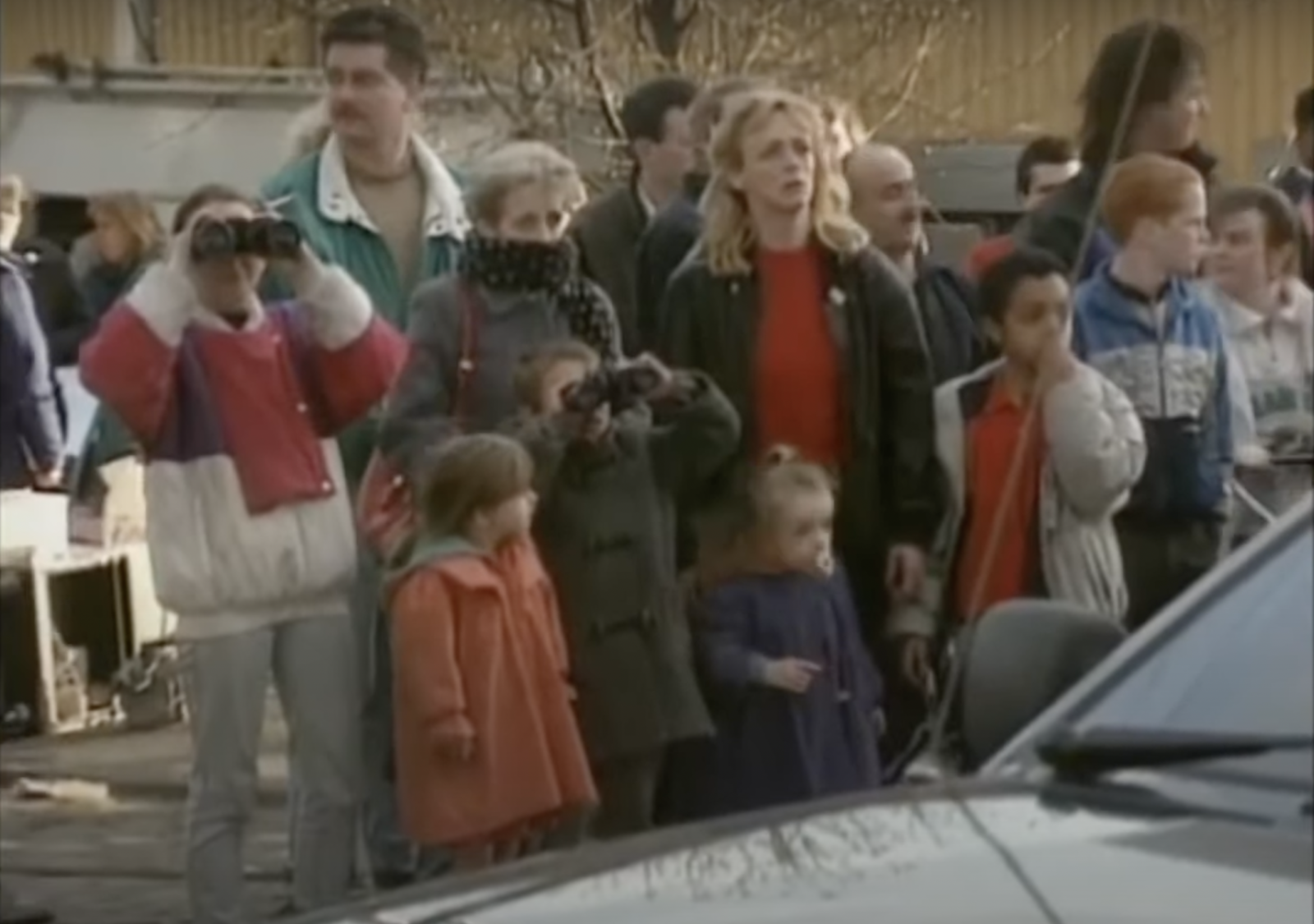
This was the biggest show in town – and every man, woman and child seized each opportunity to come and take a peek.
“You’d have waves of people just coming down to watch,” David explains.
“Some would come before work, then bring their sandwiches and watch the rioters at lunchtime. At half past three kids would visit after school, then you’d have people visiting when the pubs kicked out at eleven o’clock.”
ADVERTISEMENT
Whilst the public came and went, journalists were compelled to stay put as long as the prisoners roamed freely on the rooftops – scrambling to make notes whenever movement occurred above.
“It was a bit like lockdown in a weird way,” David recalls.
“Occasionally we’d go to a press conference, but for the most part journalists were stuck there.
“We saw a lot. Some it quite funny. There were so many bizarre things happening in and out of that jail.
ADVERTISEMENT
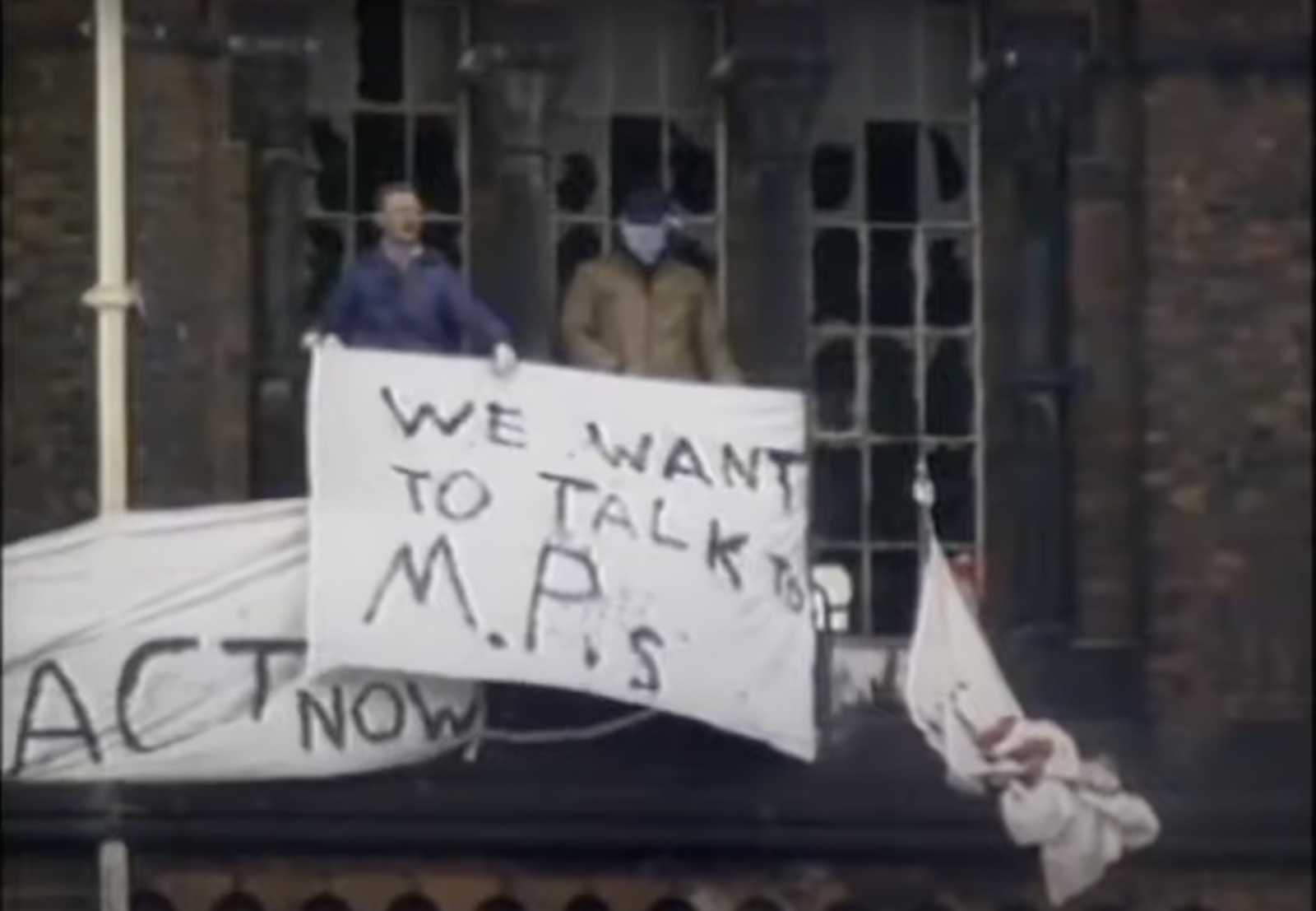
“Sometimes they’d unfurl these daft banners – like one that said ‘Ken Dodd is innocent’.”
Image: Youtube
Image: Youtube
Dozens of prisoners set up camp atop of Strangeways throughout the month – but two quickly became the faces of the riot.
“Out of all the men on the roof, there were a couple that were most visually distinctive and easy to spot,” David tells us.
“Paul Taylor was seen as the ‘ringleader’, although he didn’t like that term. He was an extraordinary guy in some ways; very articulate with this flowery way of communicating.
“I remember him shouting from the roof: ‘This is my decision and I am steadfast in my decision.’ What a peculiar way of putting it.
ADVERTISEMENT
“He would scrawl out all these long messages and some were quite lyrical. He was almost Shakespearean sometimes.
“When I interviewed him years later he told me the riot happened because he’d ‘decided it was going to happen’. So this must have been in his mind for some time.”
Taylor has since repeated this claim when interviewed by the BBC, but admitted he was “regretful” the protest had turned into a full-scale riot.
“As well as Taylor, there was also Alan Lord,” David explains.
ADVERTISEMENT
“He was this big, muscular, good-looking guy who was serving a long sentence at the time.”
Lord was often caught on the cameras due to his sheer physique, and became well-known among the press after taking responsibility for carrying messages between the inmates and the Home Office.
The protest ran out of steam when Lord was captured en route to a negotiation on 23 April.
Two days later, the remaining protestors called it quits and descended the roof via cherry picker – bringing the curtain down on the 25-day “carnival.”
But of course, it wasn’t just three weeks of fun and games. The prisoners hadn’t battled their way to the summit of Strangeways just to put on a party for those below.
ADVERTISEMENT
“We use the word ‘rioters’, but we could reframe it and change it to ‘protestors’,” says David.
“Conditions were bad in there. The jail was horrifically overcrowded and they were still ‘slopping out’ (defecating in a bucket).”
There were several explosions of violence during the riots that resulted in almost 200 injuries and even one death. But despite the prospect of larger sentences the longer they protested, many inmates couldn’t face returning to the squalor that waited for them down below.
The prisoners were up on that roof because they had something to say – although the authorities were reluctant to let them articulate it to the press; proceeding to crank the music up to eleven whenever Taylor began to reel off one of his infamous speeches.
At times, David said the scene was extremely sinister.
ADVERTISEMENT
“One evening it was very loud. All these horrible noises were erupting in the middle of the night and as it started snowing I got quite upset.
“I was thinking: ‘‘What on earth is going on inside that jail?’ It doesn’t even bear thinking about.
“At times it was incredibly frightening.”
“Maybe it was coming. Twenty-four hours before Strangeways were the poll tax riots in London – which saw wooden polls being shoved through police car windows.
“Did that possibly tip it over the edge? I just think it’s a really interesting coincidence that it happened the day before.”
ADVERTISEMENT
Whilst David has retold his experience of Strangeways on multiple occasions during a long writing career, he also used the setting as inspiration for the backdrop of his Manc Noir novel ‘Black Moss’.
“I cannot remember doing any other story of any description during Strangeways. Everyone was looking at that one place,” he tell us.
“That was partly behind the idea for my book. A child murder happens during a riot, and with the media, police, public all over in one spot, something horrible happens elsewhere.
“I also heard a story about a murder taking place during 9/11. Someone saw an opportunity to do something when everyone was looking the other way.
“It’s about distraction. But all the Strangeways stuff in the book is all absolutely accurate.”
ADVERTISEMENT
On April 25, the Strangeways Riots ended. In the months and years that followed, Madchester, as a movement, fell into decline. Factory Records went bankrupt, and the scene gradually blurred into the ‘baggy’ vibe of the nineties, before the emergence of Britpop at the backend of the decade.
Manchester is a strikingly different place today, and whilst Strangeways has been home to more rooftop protests since, the sight of a lone figure scaling the prison wall in jogging bottoms in 2017 did not conjure up the same kind of circus atmosphere.
As David attests, the madness of the 1990 riots can be attributed to how it represented an uncanny little time capsule of a chaotic era in history.
“If the riot had happened in Gloucester or something, I just don’t think it would have had the same vibe or attention,” he says.
ADVERTISEMENT
That infamous pandemonium at Strangeways was Madchester in the sky.
Featured image – Youtube
Feature
The most magical Christmas displays have now landed at one of the North West’s best garden centres
Emily Sergeant
Christmas has officially arrived at one of the best garden centres in the North West, and it’s just as magical as you’d hope it would be.
Just outside of Greater Manchester in the village of Glazebury in Warrington, you’ll find Bents Garden and Home – a multi award-winning destination garden centre that’s often voted one of the region’s best. It’s great place to visit all year round, but as anyone who has ever made the trip there will tell you, this place really comes alive during the festive season.
Bents first started out life all the way back in 1937, when Alfred and Margaret Bent began growing and selling roses in the front garden of their terraced house in Glazebury.
Ever since then, the business has gone from strength to strength – opening its first dedicated garden centre building in the early 1950s, and then undergoing several expansions in the 60 years that followed to create the place we know and love today.
A place that’s home to everything you need to kit out your home and garden, several cafes and restaurants, a food hall, a cook shop, a children’s boutique, and plenty more.
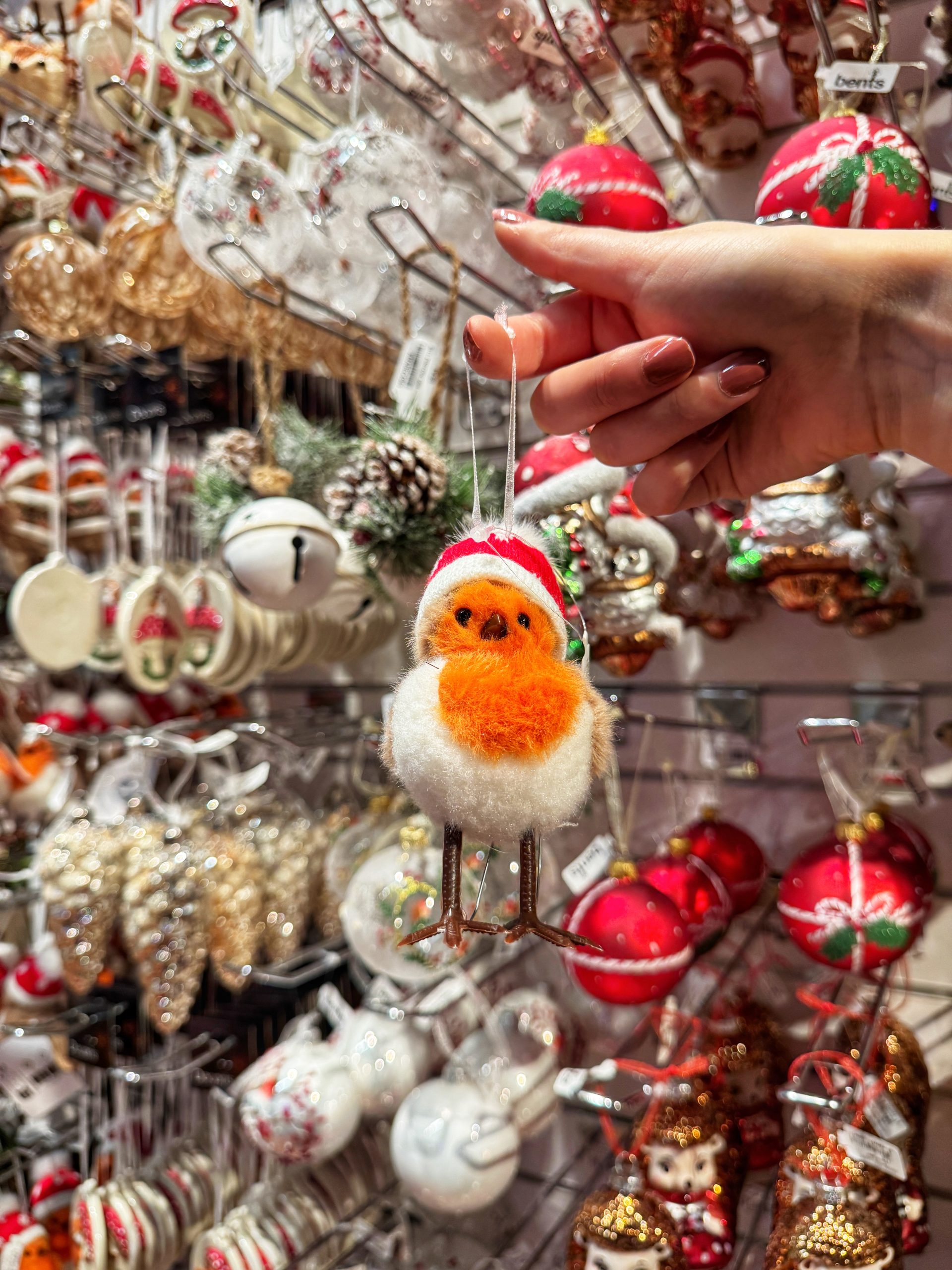
Christmas has arrived at Bents Garden and Home for 2026 / Credit: The Manc Group
And then at Christmas time, you can also get to wander around all the magical festive displays and stop for a bite to eat at the winter food markets.
Christmas at Bents originally began in the 1970s, establishing what would become one of the garden centre’s most successful – and favourite – times of the year, with people travelling in their thousands from all across the North West to visit, making it an annual tradition in the festive events calendar for many families.
With a jaw-dropping display to suit everyone’s festive decor tastes, Christmas at Bents really does need to be seen to be believed.
Expertly decorated trees form the centrepiece of each display, with all the baubles and decorations adorning them for sale by the side for you to recreate yourself at home.
Walking around the centre, you’ll also find every type of artificial tree (both normal and pre-lit), an array of fairy lights, wreaths, and garlands, before you arrive at what is sure to be one of the best Christmas Lemax Model Village set-ups you’ve probably ever seen.
A trip to Bents is an annual festive tradition for thousands across the North West / Credit: The Manc Group
Then, once you’ve filled your basket up with all the decs you need, you have to stop off at the Winter Food Markets before you head home.
There’s a wide array of different street food options to choose from like bratwursts, giant filled Yorkshire puddings, loaded fries, nachos, mac and cheese, crepes, churros, and build-your-own crumble, before taking a pew in one of the little wooden huts and washing it all down with festive-themed hot chocolates and mulled wine.
Don’t forget to stop off at the food hall, farm shop, and deli counters to stock up on plenty of goodies there before you leave too.
Basically, if you’ve never been to Bents before, we honestly cannot recommend it enough – even more so during Christmas time.
Don’t forget to stop off at the Winter Food Markets before heading home / Credit: The Manc Group
But it is really important to note that it does get very busy here, especially on weekends and at peak times like the run up to Christmas.
So you may have to be prepared to patiently wait for parking spaces and cooperate with your fellow shoppers, as well as join queues at the cafes and restaurants, all while respecting the hard-working staff at all times.
Let’s be as respectful as possible, and make this a place where everyone can enjoy a magical festive experience in 2026.
Meet Larishka – the DJ making her mark on Manchester’s Garage scene
Emily Johnson
It’s time to meet Larishka – Audio North’s Artist of the Month for October.
For Larishka, music has always been around her in some form. Growing up surrounded by classical and rock music, she never expected her route into electronic music to begin with a Parklife set from Carl Cox, before eventually becoming a DJ, promoter, and co-owner of Manchester’s Ghosts of Garage.
Today, she runs events, DJs across House, Garage and Bass, and is helping build a community around one of Manchester’s most exciting electronic music brands.
From promoter to DJ
Larishka actually started out as a promoter while doing an apprenticeship at a music booking agency. She always knew she wanted to work on the events side rather than bookings, but felt like she wasn’t going to make many connections within the industry while living in Oldham.
Her plan was to go to university to study music, with the hope of learning to produce while also moving into Manchester and making connections within the city’s music scene.
Quite quickly into her studies, she joined Ghosts of Garage. After about a year, she had something of a lightbulb moment.
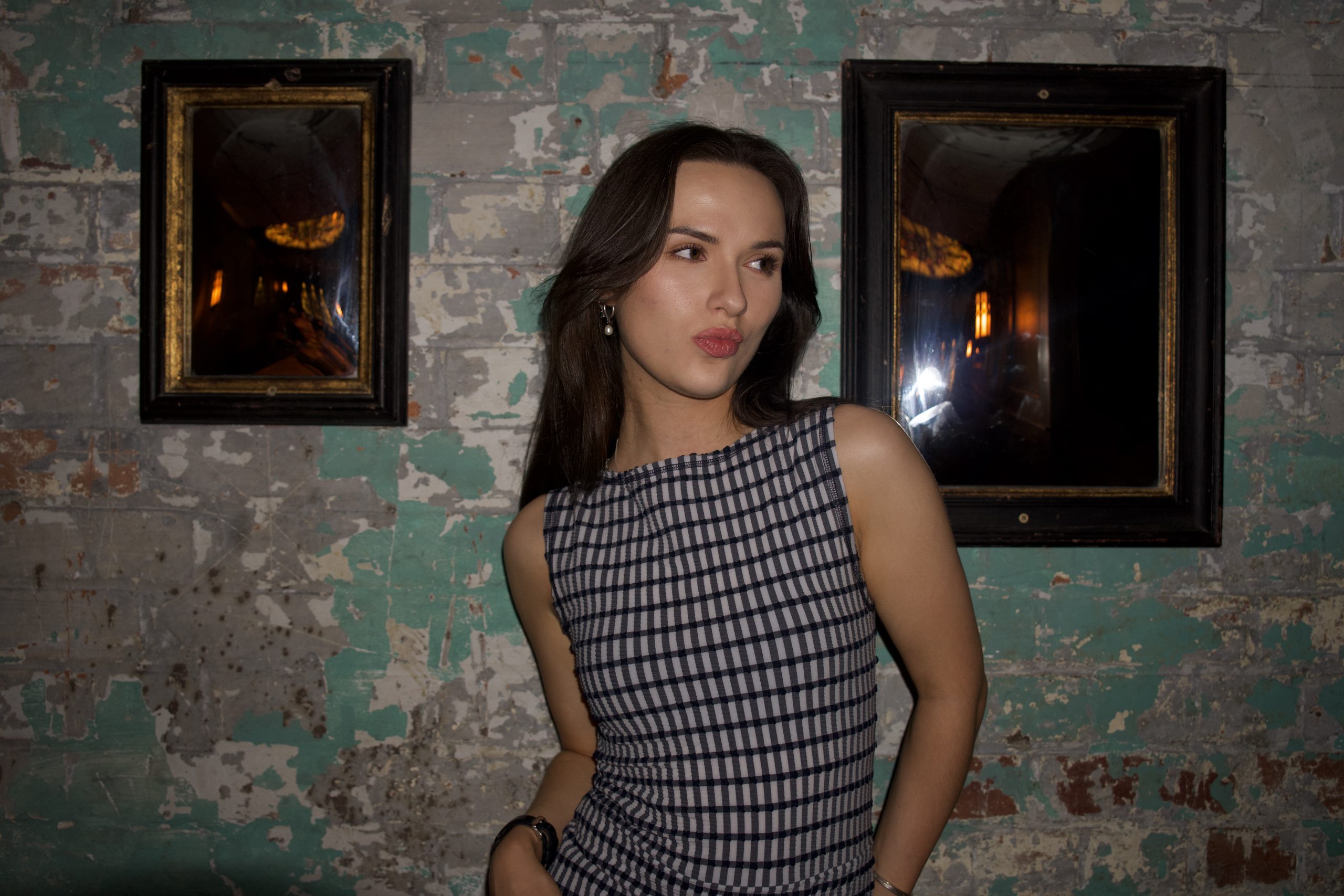
Meet Larishka, the DJ making her mark on Manchester’s Garage scene / Credit: Supplied
“I was studying music, I run my own nights, and I was always on the aux at house parties, so why have I not learned to DJ yet?” she explained.
That realisation came while she was sitting on MATTIK’s living room sofa, where she asked if he would teach her. Before long, she was calling him every day asking if they could go to the studio and practise mixing.
“I owe it to him really, he was a brilliant teacher.”
“I get it” – the Parklife moment that changed everything
Larishka’s introduction to electronic music wasn’t exactly the traditional one.
“I grew up on classical and rock music – my dad was a sound engineer in the 70s so that was his thing really, and my mum played the piano every single day so that’s what I was constantly around.”
She first heard house music when she was around 15 or 16, after a friend sent her a track they had found on SoundCloud.
“I listened to it out of my phone and didn’t really get it, it was too repetitive.”
A few years later, everything changed. After hearing Parklife from her window every year growing up, Larishka eventually went to the festival for the first time and watched Carl Cox close The Valley. He played ‘Finder’ by Ninetoes, and it was the first time she had experienced electronic music on a huge sound system.
“I remember being in absolute awe and turning to my friend and saying ‘I get it’ and from then, I was just absolutely hooked.”
It became a genuine turning point.
“I had my A Level exams that following week and when I was revising all I was listening to was house music and I remember my Dad coming in and saying ‘Is this you forever now?’ and I said ‘Yeah I think it is'”.
Larishka is Audio North’s Artist of the Month for October / Credit: Supplied
Why Manchester means so much
“I mean it’s home, and always has been.”
Having become part of the city’s music scene, she says she feels incredibly lucky to have found a community around her.
“There’s a certain camaraderie that exists here that I don’t know that you’d find anywhere else.”
For her, that sense of community is what makes Manchester’s music scene so special.
“Seeing people you know everywhere you go, you kinda feel like you’re never alone and that you’re actually part of something.”
That spirit extends beyond electronic music, too.
“And it’s not just in electronic music either, that spirit exists across all genres – Manchester music history is so rooted across such a broad spectrum of genres, and to see that still prevailing today is something we should all be proud of.”
Building Ghosts of Garage
It’s impossible to talk about Larishka’s journey without talking about Ghosts of Garage.
She’s a co-owner of the brand, having joined in 2021, and works across its marketing, bookings and creative direction alongside Rich Reason. For her, one of the biggest things that makes a Ghosts of Garage night stand out is its commitment to the music.
“The music and lineups truly never miss, which is a credit to Rich. The guy knows how to program a lineup.”
The team makes a conscious effort to champion new talent, often including at least one Manchester or UK debut on a lineup.
“A big part of each event is making them unique while keeping the brand consistent – each event has to have its own USP or else the nights get boring and people think they can just skip this one and go to the next and it’ll be the same.”
For Larishka, music has always been around her in some form / Credit: Supplied
Community is a huge part of the brand.
“We’re also big advocates of community and want to create the gap between audience and DJ as little as possible, so try to get the crowd involved as much as possible through things like our WhatsApp community.”
The aim is to make people feel like buying a ticket means becoming part of something bigger.
“We want people to feel like if you buy a ticket for our event, then you’ve unlocked a key to be part of something.”
Larishka’s advice for getting into Manchester’s music scene
For anyone hoping to break into Manchester’s music scene, Larishka’s advice is simple – go out.
“I’m way more likely to book you if we’ve met and we’ve had a good chat because it means I can put a face to a name and I know what you’re like.”
For her, being part of the community is about more than simply sending messages and asking for opportunities.
“Being an active member of the community means you’re already part of the night, so booking you to DJ just makes you even more part of it than you already are, rather than someone I’ve never met before who’s in my DMs.”
Ultimately, it comes back to the same thing that has shaped so much of Larishka’s own journey – showing up, meeting people, and becoming part of something.

 Gareth Lloyd -
26th April 2020
Gareth Lloyd -
26th April 2020