Feature
Pet shops, pubs and p*rnography: the wild history of Tib Street
One of Northern Quarter's most intriguing and peculiar streets, Tib Street was once home to pet shops and markets that attracted thousands.
 The Manc -
29th December 2021
The Manc -
29th December 2021 Tib Street is a built-up blend of bakeries, bars, florists, cafes, newsagents and sex shops nowadays. It’s an intriguing and peculiar old part of town that seems to have a bit of everything.
But it wasn’t always this way.
For many years, this slender stretch of Northern Quarter had a single definitive trade that used to attract Mancunians in their thousands: animals.
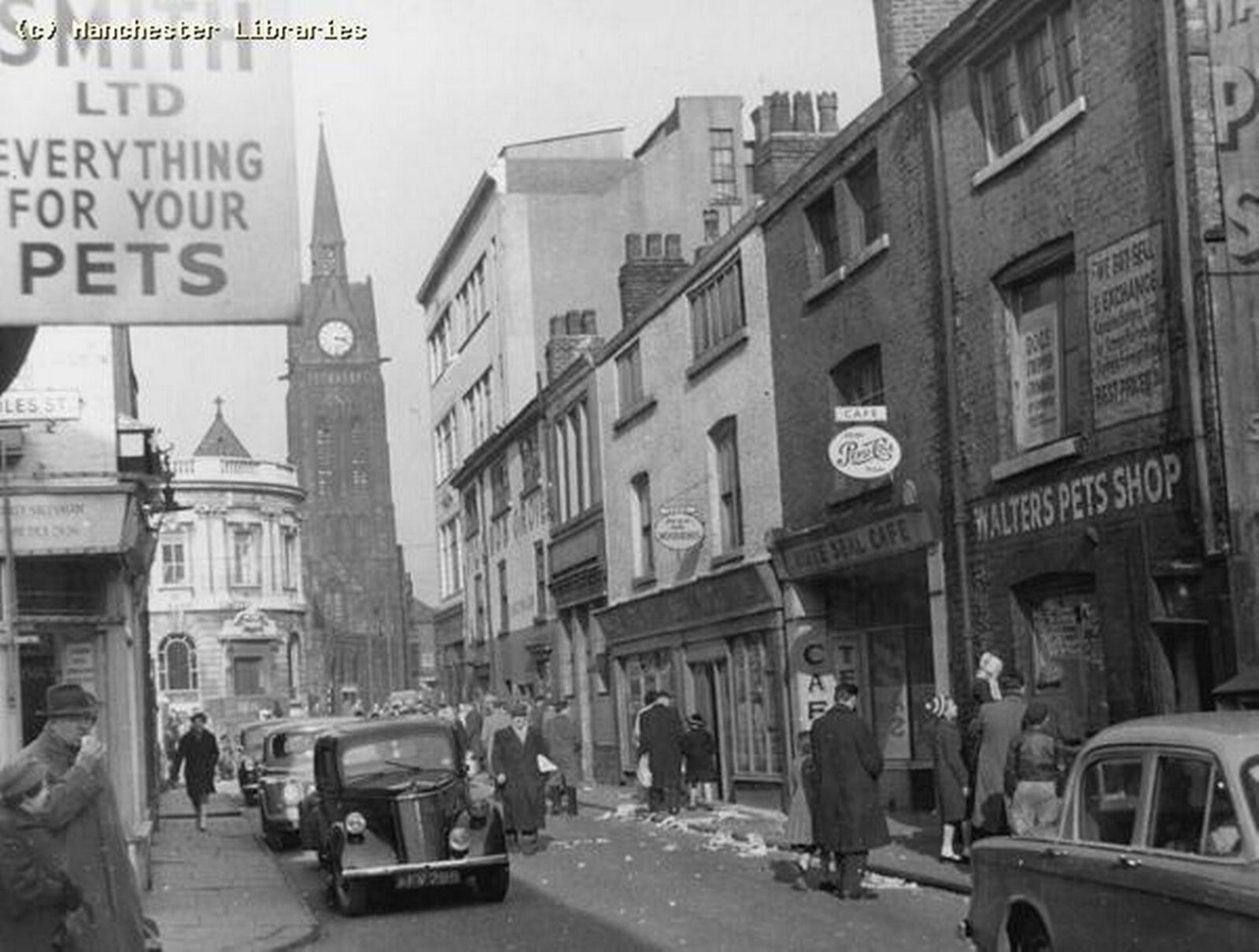
Established as an agricultural space in the 1800s, Tib Street gradually morphed into a pet shop paradise during the early 20th century; a cavalcade of creatures peeking out from behind the windows that lined the street.
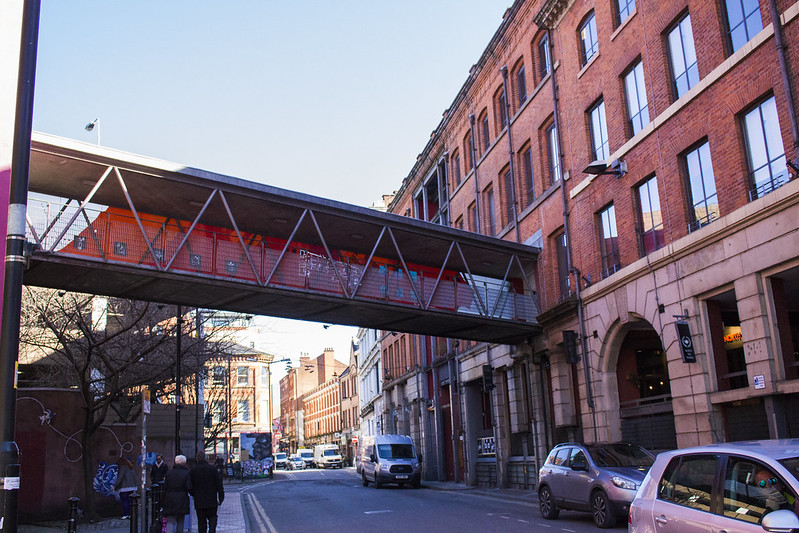
Hayley Flynn, the founder of Skyliner and a walking encyclopaedia of Manchester history, has previously dived into the history of the area on her walking tours, having discovered that Tib Street was a truly ‘wild’ part of the city.
“There’s always been animals on Tib Street since it was established around the 1800s,” Hayley explains.
“But it became less about agriculture and pigs, and more about pets when the area became more developed in the early 1900s.
“There’s still one pet shop there today but it was the arrival of the Arndale in the mid to late 1970s that saw most of the area close down and businesses move out.
“The area then became what we have today partly through the natural process of gentrification, partly down to arts-led regeneration.”
One of the most prominent traders in Tib Street’s heyday was a man name Walter Smith – who owned one of the longest-running pet shops in the area.
He eventually sold it to another family, the Browns, but they kept the original name – and the original founder’s legacy survives in a painting titled “Mr Smith’s Dream” created by artist Liz Scrine.
“The Dream piece is based on Under Milk Wood by Dylan Thomas and the plan was the create the dreams of the animals in the pet shops in further lightboxes along the same wall, but the project was never completed,” Hayley informs us.
“So, we have this one piece that seems quite abstract as a standalone installation.”
Tib Street’s markets became bigger and more diverse throughout the 1900s.
As the areas began to attract five-figure attendances on Friday evenings, the pubs opened earlier to accommodate growing numbers of traders.
“Around Tib Street could draw crowds of up to 10,000 on a Friday night, much of this was market footfall around Smithfield, especially the Shudehill side (the wholesale fish markets on High Street),” Hayley tells us.
“Then to serve the workers of the markets the pubs opened very early in the morning – so it was something of a 24 hour city in that respect.
“Teenagers relied on the markets for entertainment and a social space, and it was popular with sex workers too, so it was a bit of a wild place at times.”
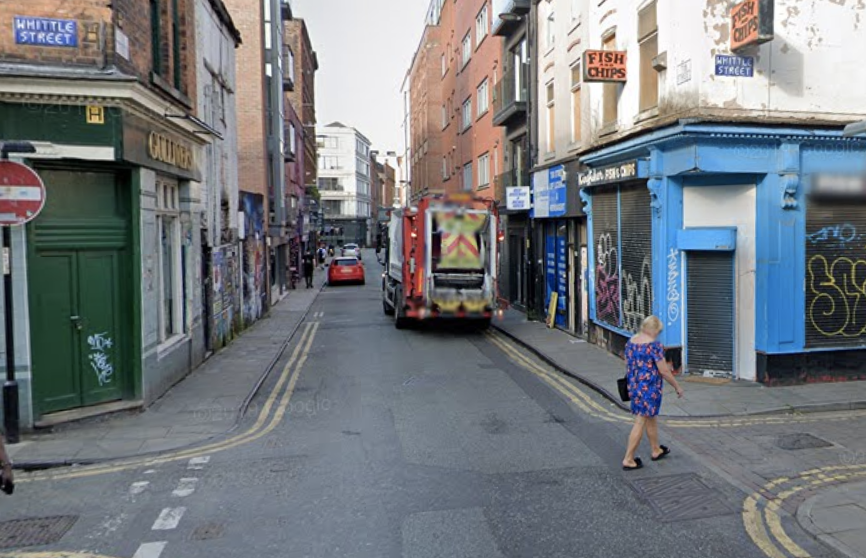
Much of the animal trade and pet shops shut down on Tib Street in the seventies, but the concealed structure of the street rendered it ideal for explicit stores to pitch up for patrons; away from city residents’ prying eyes.
“The pet shops and other independents along Tib Street were a very popular day out right up until the 70s,” says Hayley.
“Even later on, strange independent traders who managed to survive in the area for a while longer drew in crowds, there was a latex mask shop that was popular with the younger crowd.”
Modern Tib Street is no longer a round-the-clock fiesta of beasts and booze, but if you crane your neck upwards, the relics of its past are in plain view.
Perched gently on the buildings, you’ll see a pandemonium of painted parrots.
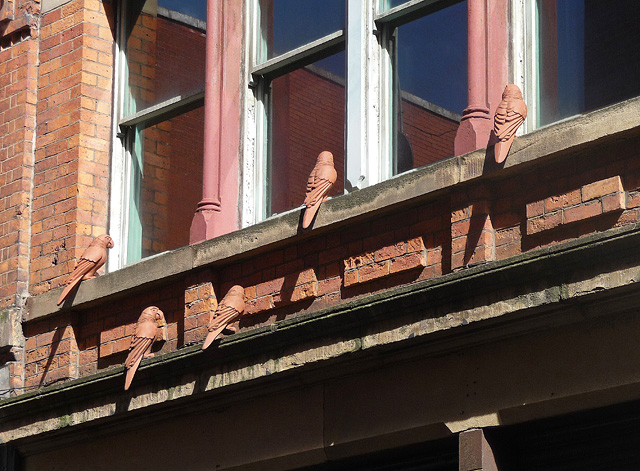
“The birds form part of the same art trail as Mr Smith’s dream, they’re looking back into the building wondering where to go now that the pet shops are closed,” Hayley explains.
“They’re the Sulking Parrots of Tib Street, and have found themselves homeless. There are other birds like this hidden around the Northern Quarter to look out for, from doves to toucans.
“They’ve been handing around since the late 90s but have been surprisingly overlooked, suppose that’s just testament to the fact we should always look up.”
To discover more about the amazing history of Manchester, you can take a walking tour with Skyliner – led by Hayley herself.
Tours are resuming later this month following lockdown; currently limited to five people due to group restrictions.
Visit the Skyliner website for more information.
You can also check out the incredible Skyliner Instagram page here.
Featured image: Gerald England / Geograph