Survivors of the Manchester Arena attack have reflected on how they’ve rebuilt their lives in a powerful new series for BBC Radio Manchester.
The four-part podcast titled ‘Manchester Arena Bomb – Stories of Hope’ sees presenter Katie Thistleton revisit the scene of the blast which left 22 dead and hundreds injured after an Ariana Grande gig in May 2017.
Now, four years on from the attack, people who made it out alive reveal how they’ve found the strength to persevere and forge new lives for themselves.
Over the course of the series, BBC speak to a steward who was working his last shift when the bomb exploded; a family who return to the Arena to read letters describing their mental and emotional journey; a university student who suffered shrapnel wounds in the attack; and a woman whose family were seriously injured on the night.
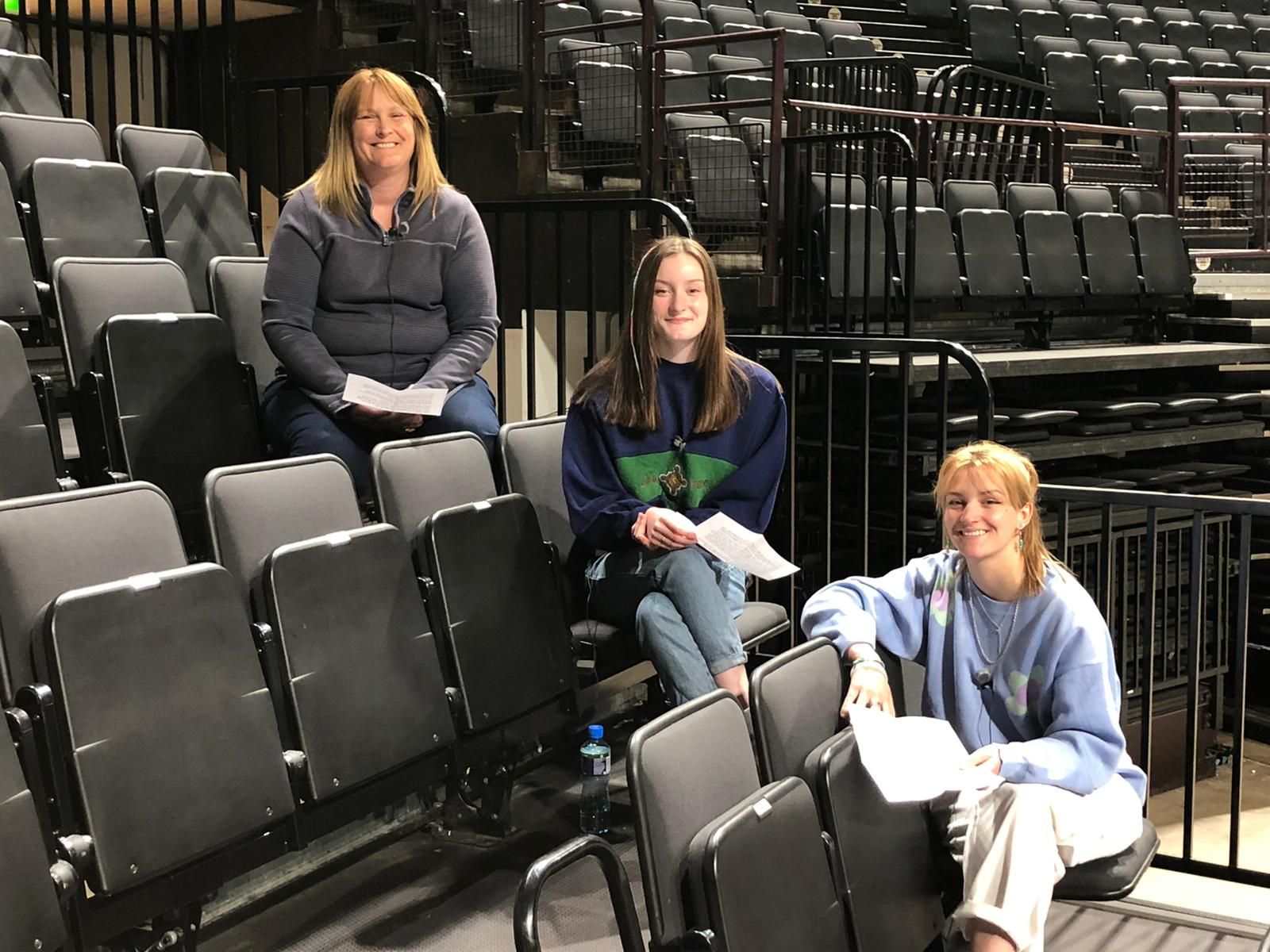
Annette McNeil and her daughters Erin and Caitlin make an emotional return to the Arena during the podcast / Image: BBC
Episode One sees steward Usman Ahmed tell his story of saving lives, the ongoing impact on his mental health and the importance of his faith – with the former Arena steward striking up a new friendship with Martin Hibbert (who suffered 22 shrapnel wounds which left him paralysed from the waist down).
ADVERTISEMENT
Since the attack, Martin has set up a survivors unit and is climbing Mount Kilimanjaro later this year with hopes of raising £1m for the Spinal Injuries Association.
Episode Two sees Annette McNeil and her daughters Erin and Caitlin make an emotional return to the Arena and watch a special performance by 17-year-old Alexis Wade who has her singing lessons paid for by Liv’s Trust (a fund set up by the family of 15-year-old Olivia Campbell Hardy who died in the attack).
ADVERTISEMENT
The third instalment of the series sees student Millie Tomlinson (who suffered injuries in the bombing) meet the sister of Martyn Hett – who was killed in the blast. Together, the pair talk about grief and what’s involved in moving forward.
Episode Four sees Jenny Howarth is visited at her family-owned Wonkey Donkey Sanctuary in Yorkshire by Rob Grew – a man who remembers helping Jenny’s two aunties on the night of the bombing.
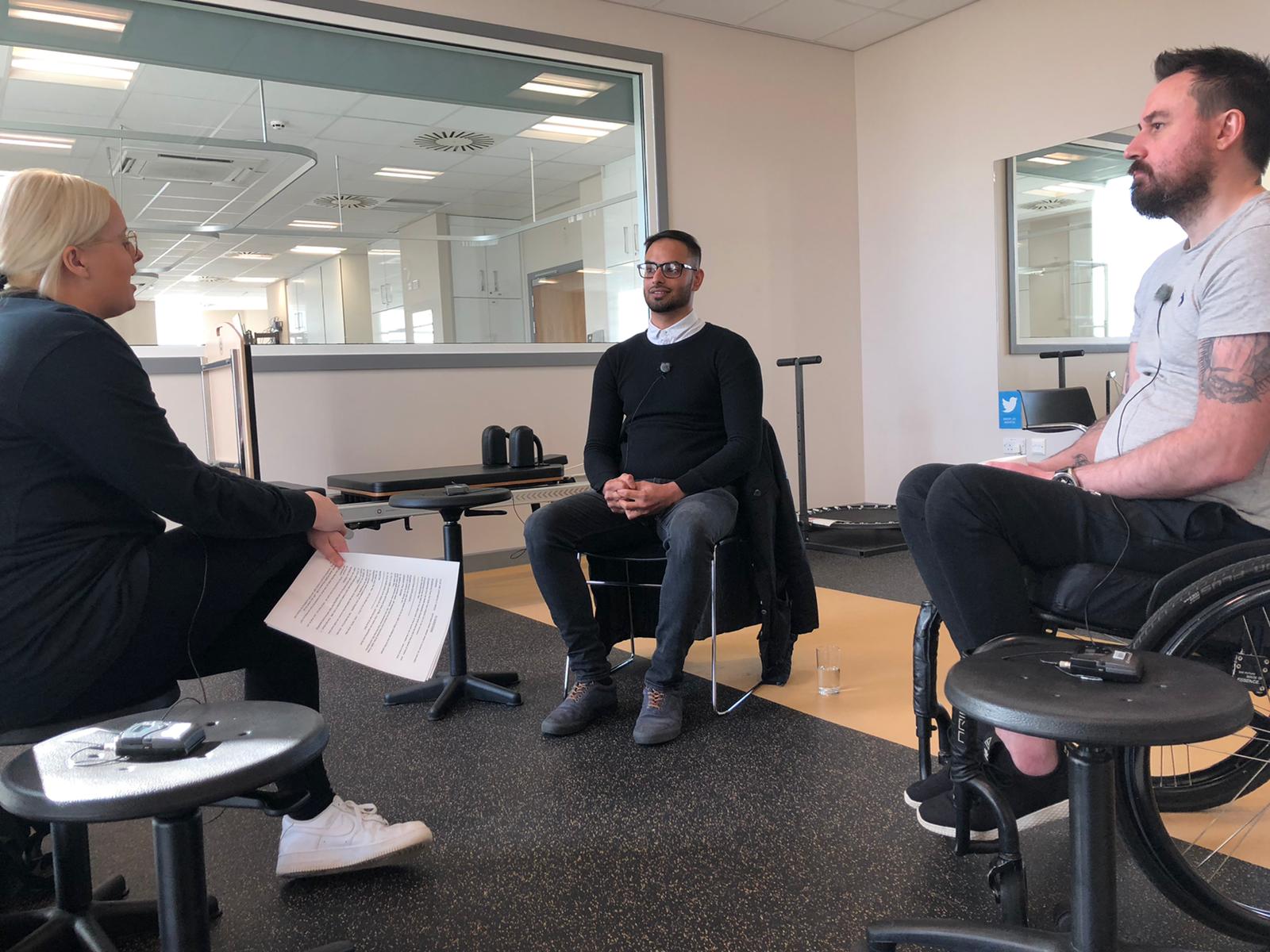
Survivors Usman Ahmed and Martin Hibbert meet during the podcast / Image: BBC
Kate Squire, editor of BBC Radio Manchester, says: “This series is about bringing people together by sharing life-changing conversations that are powerful, honest and raw.
ADVERTISEMENT
“Four years on, we tell the amazing stories of recovery, hope, and the remarkable determination of those who were there that night striving to not only survive, but to live on – changing their own lives, and the world, for the better.”
Presenter Katie Thistleton says: “This podcast is one of the best things I’ve ever done, but also one of the hardest. It was difficult to hear about the victims’ experiences, but also incredibly inspiring to see the strength and resilience of these wonderful people.
“There are some amazing stories amongst these four episodes and some powerful moments. These stories and the messages they bring with them have changed my outlook on life and will stay with me.”
You can listen to Manchester Arena Bomb – Stories of Hope on BBC Sounds.
Manchester
Legendary city centre boozer named one of the best beer gardens in the UK
Daisy Jackson
No phones, cheap pints, and bags of sunshine – that’s the USP of Sinclair’s Oyster Bar, and now it’s earned itself the title of being one of the UK’s best beer gardens.
This legendary local pub has placed in an impressive eighth place on a new list of the nation’s top outdoor watering holes, beating beachside boozers and countryside pubs.
Sinclair’s Oyster Bar is the only Greater Manchester pub to make the new list published by Big 7 Travel.
They celebrated it for its ‘old-school pub characteristics’, which is a pretty fair summary of this local legend.
As well as a strict no-phones policy, encouraging its inhabitants to keep devices in their pockets and have a chin wag over a Taddy Lager instead, the pub is also serving pints at some of town’s most old-school prices.
This is one of the few places in town where you can still get a pint for less than a fiver, with its humble selection of beers and stouts priced from £3.50.
It’s also cash-only, and housed in a fascinating building that dates back to the 18th century – though it didn’t always stand in its current location on Exchange Square.
The pub has actually been rebuilt twice – once in the 1970s, being raised up by five feet to match new street levels during the construction of the Arndale Centre; then again in 1996 after the IRA bomb.
The 3000-pound bomb that changed the face of Manchester left the little pub with only minimal damage, but left it (and its neighbour, the Old Wellington) in need of a new home.
Sinclair’s in Manchester has been named as having one of the best beer gardens in the UK
So these centuries-old buildings were popped up on stilts and moved 300m down the road, meticulously reassembled over 11 months like a giant LEGO set to form the new square beside Manchester Cathedral.
You can read more about Sinclair’s Oyster Bar’s fascinating history HERE.
As for the present day, the pub’s suntrap outside terrace is forever heaving on match days, when football fans from across the globe pack around its picnic tables.
Big 7 Travel wrote: “Known for its old-school pub characteristics, including being cash-only and a no-phones policy, this historic pub – whose origins date back to the early 18th-century – is well known for serving cheap and easy-drinking Sam Smith’s beer, making it the perfect spot to socialise with friends in the city.
“The beer garden is also a complete suntrap, so when the sun’s shining in Manchester, there are few better places to spend an afternoon than Sinclair’s.”
It has placed in the top 10 of the guide’s list of 30 beer gardens in the UK, which has also named a couple of spots in the Lake District and Peak District.
Demolition and regeneration plans for former Manchester shopping centre to begin next month
Emily Sergeant
Plans to demolish and regenerate a former shopping centre in a Manchester suburb are set to kick off from next month.
Following planning approval at the end of 2025, major plans to transform the former Chorlton Cross Shopping Centre into a ‘thriving’ new destination to live and shop are set to commence with demolition in the next couple of weeks.
If you’re unfamiliar with the plans for the new Chorlton neighbourhood, they include 262 one, two, and three-bedroom apartments, all with access to outdoor space through balconies and gardens, 53 affordable homes – with 49 of them being available for social rent – and around 3,500 sq metres of public open space with fully walkable routes and outdoor seating areas.
A mix of flexible retail spaces, including a new ‘Makers Yard’ suitable for smaller start-up businesses will also be included, alongside new tree planting.
Phase one of the project will involve the dismantling the former shopping centre and neighbouring Graeme House buildings.
According to developers, the first step will be to close the precinct car park at the end of this month, before new hoardings are installed around the site to close the area off to pedestrians and vehicles for safety reasons.
The demolition work is expected to begin in mid-June, and be completed by August.
Where possible, materials from the existing buildings will be reused during construction of the new neighbourhood in a bid to help reduce the number of vehicles needed to remove materials from the site.
“Demolition marks another major milestone for the project, which will completely transform the former shopping centre,” commented Georgina Lynch, who is the managing director at Manchester-based developers, PJ Livesey.
“Our demolition contractor will carefully manage any issues throughout the work, and we will continue to stay in regular contact with local residents and businesses as the demolition progresses.”