A house in Didsbury that birthed one of the most famous faces of modern television has gone up for sale in Manchester.
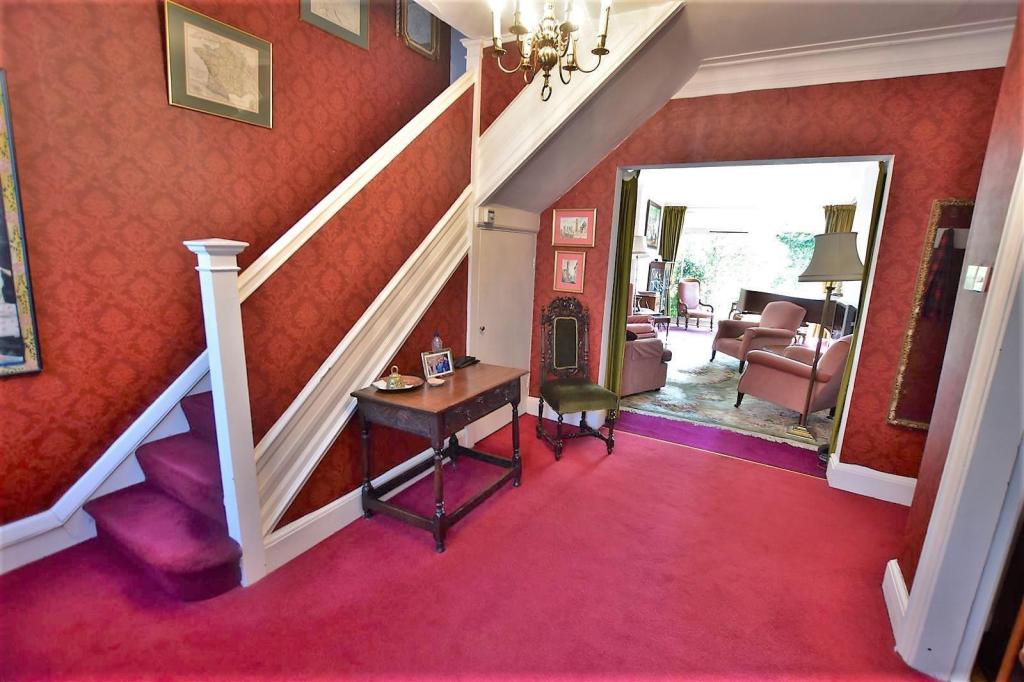
The unassuming semi-detached 5-bedroom house may look ordinary and suburban from the outside, but it has a fascinating place in 20th-century television and modern British art.
Home to the renowned contemporary sculptor Mitzi Cunliffe from 1951 to 1964, this is the place where she created some of her most famous works – as is shown outside on a blue plaque installed in 2018, following petitions by the Modernist Society and the 20th Century Society.
That includes the iconic gold theatrical mask BAFTA statue, which is still given to winners at the TV awards to this day.
This immediately recognisable sculpture was in fact created in the garage of the home after Mitzi converted it into an artists studio for herself.
ADVERTISEMENT
However, the New York-born artist also worked with a range of materials include textiles, ceramics, and jewellery.
She also developed her own technique to mass-produce abstract designs in concrete in relief as architectural decoration, applying it to some pieces that can still be seen around Manchester today.
ADVERTISEMENT
Image: Gascoigne Halman/RightMove
Of her surviving sculptures in the city, only a handful remain – including a stone frieze at the Heaton Park reservoir pumping station and a fiberglass relief at the base of Owens Park Student Tower.
Mitzi initially moved into the house with her husband, history professor Marcus Cunliffe, and lived many happy years there before she died in 1970 aged 88.
The couple also had another house in France.
ADVERTISEMENT
Image: Gascoigne Halman/RightMove
Writing about Mitzi in 2012, Modernist Society founder Maureen Ward paid tribute to her life and work, saying:
“Mitzi might have been born in New York but her soul belongs firmly in the North West of England and her Didsbury garage.”
“If we were the sort to award blue plaques or lobby for a Hollywood-style Wall of Fame scheme in our own city, Mitzi would top the bill.
Image: Gascoigne Halman/RightMove
“She epitomises the spirit of an exuberant, utopian partnership between planners, architects, artists and sculptors dedicated to rejuvenating the public realm after the chaos of the blitz; functional yet accessible, experimental yet egalitarian, international yet rooted in everyday surroundings.
The 1920s 5-bedroom house is now on the market for £675,000 with estate agents Gascoigne Halman, who write:
ADVERTISEMENT
“The property comes with an interesting history having been the residence where famous sculptor Mitzi Cunliffe designed the BAFTA award that is used today.
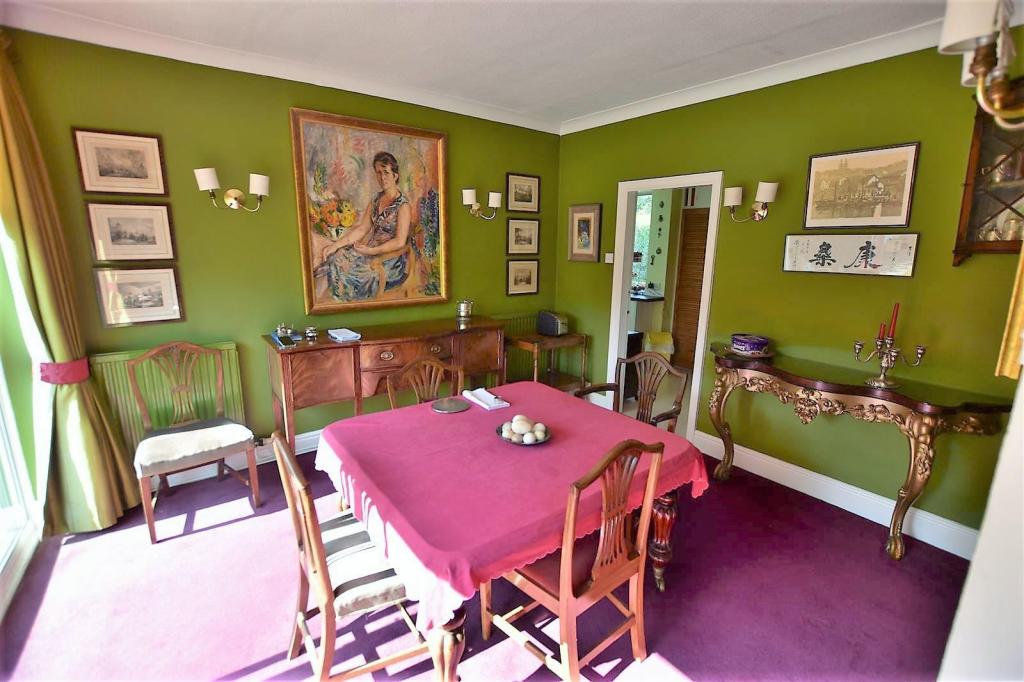
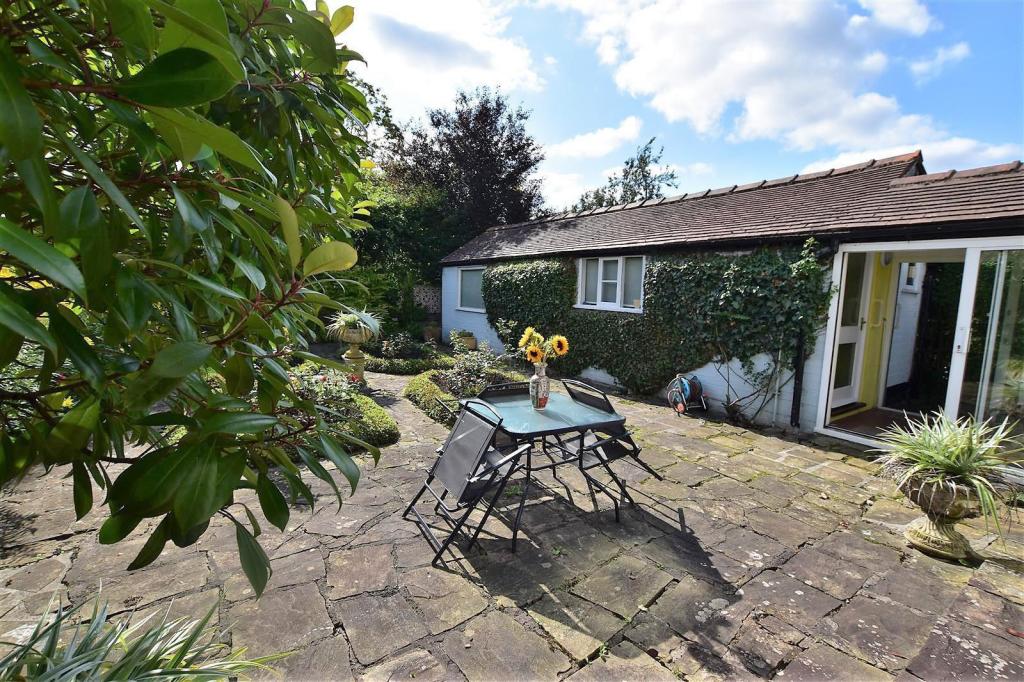
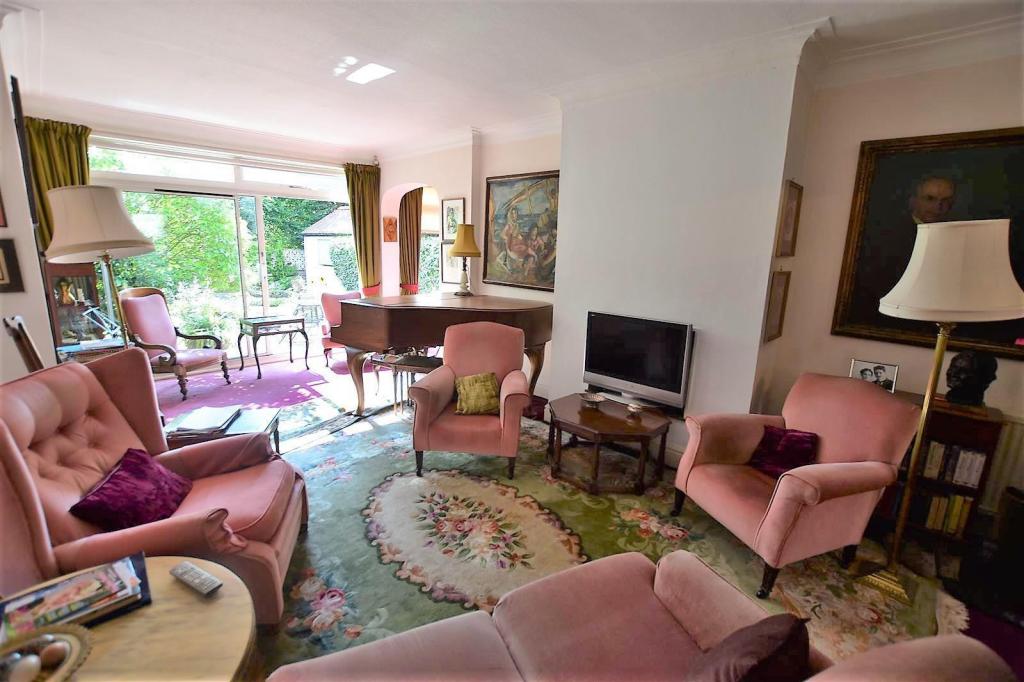
“The property offers a grand entrance hallway, three reception rooms, four bedrooms, two bathrooms and an additional one bedroom annexe to the rear. Whilst in need of some modernisation the property boasts superb potential to enhance further.”
Millions of UK workers to get pay rises from today as National Living and Minimum Wage increases
Emily Sergeant
Millions of workers across the UK are set to begin receiving substantial pay rises from today.
After the Government announced back in November that it would take the recommendations made by the Low Pay Commission, and increase both the National Minimum Wage and National Living Wage, those changes have now come into force in a bid to ensure people on lower incomes are ‘properly rewarded’ for their work.
If you’re unfamiliar with the Low Pay Commission, it’s an independent body made up of employers, trade unions, and experts whose role is to advise the Government on the minimum wage.
As mentioned, the rate recommendations introduced today were agreed unanimously by the Commission.
This means that the living wage, for eligible workers who are aged 21 and over, has now risen by 4.1% from today to £12.71 an hour.
For a full-time worker, that means a pay increase of £900 a year.
Millions of workers in the UK are getting pay rises from today / Credit: John Kakuk (via Unsplash) | Pexels
The National Minimum Wage rate for workers aged 18 to 20-year-olds has also increased today by 8.5% to £10.85 an hour, and then for 16 to 17-year-olds, and those on apprenticeships, the rate has increased by 6% to £8 an hour.
“The recommendations we made last autumn sought to balance the need to protect the economy and labour market, whilst providing a real-terms increase for the lowest-paid members of society,” commented Baroness Philippa Stroud, who is Chair of the Low Pay Commission.
“A lot has changed since we gave our advice to the Government last autumn, and we are now beginning to gather evidence for recommendations later this year.
“The current economic uncertainty makes it essential that the Commission hears from those affected by the minimum wage and builds consensus for evidence-based recommendations.
Workers aged 21 and over are now legally entitled to the National Living Wage after the age threshold for the highest rate was lowered from 23 in 2024.
National Minimum Wage rates are available to workers aged 16 upwards.
Featured Image – Israel Andrade (via Unsplash)
News
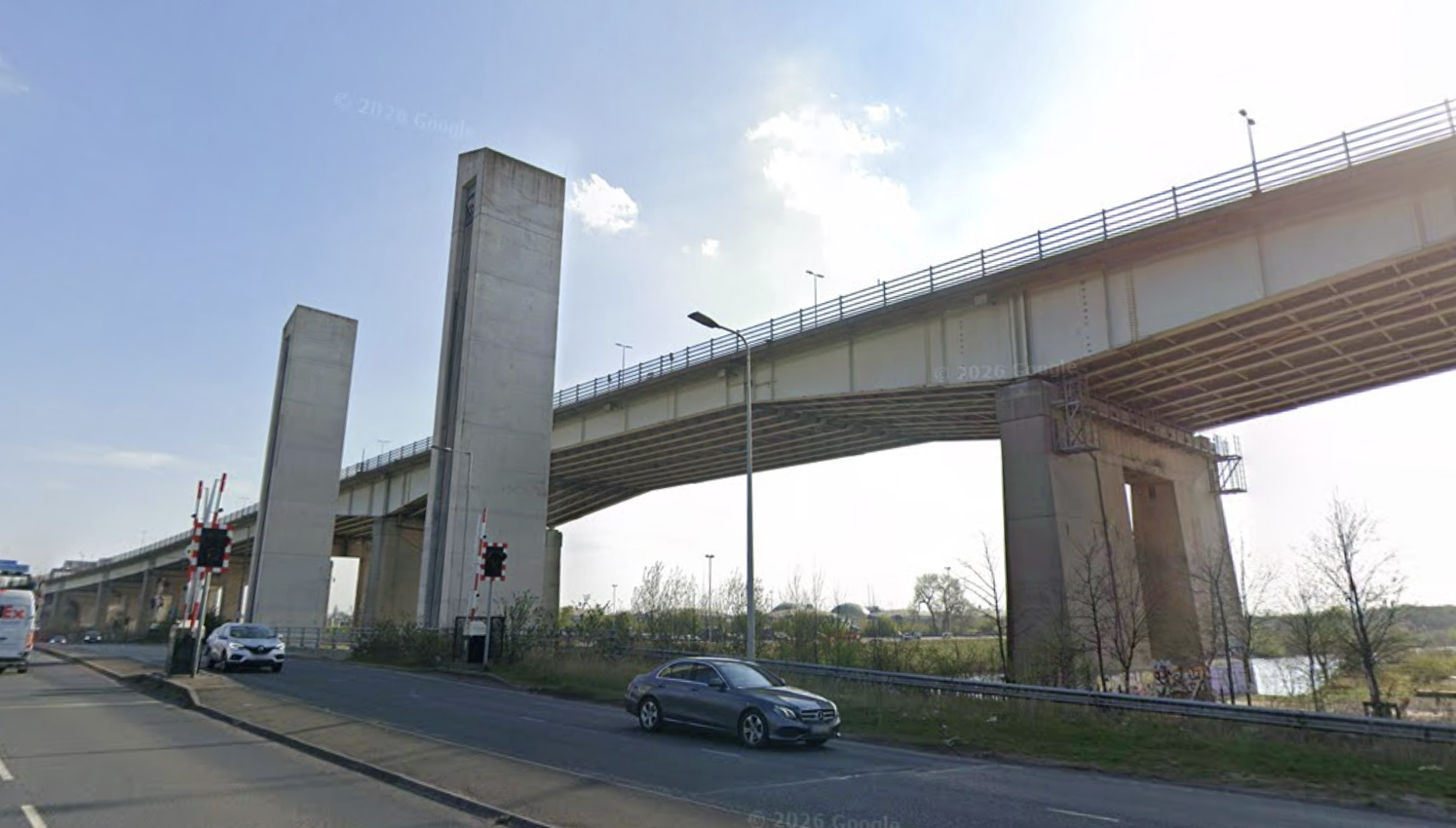
Delays on M60 continue after man dies falling from bridge near Trafford Centre
Daisy Jackson
A man has tragically died after falling from a bridge on the M60, near the Trafford Centre.
Police closed the motorway in both directions at around 10am this morning as they responded to the concern for welfare.
The man was on Barton Bridge on the M60, but tragically fell and passed away at the scene.
The motorway was shut anti-clockwise between junction 12 for the M602 and junction 10, and on the clockwise carriageway between junction 9 and 11, with a huge diversion in place.
Although the motorway has reopened as the afternoon has worn on, disruption is ‘likely’ to continue for several hours yet.
National Highways is reporting up to two miles of congestion on the M60 around Barton Bridge.
In a statement released earlier today, a GMP spokesperson said: “Officers are currently responding to a concern for welfare on Barton Bridge on the M60, reported at around 9:40am today (Tuesday 31 March).
“The M60 remains closed in both directions while emergency services are in attendance. Significant delays are expected and drivers are advised to avoid the area where possible.”
GMP later added: “Earlier today, officers responded to a concern for welfare on Barton Bridge on the M60. The man sadly fell from the bridge and passed away at the scene.
“The road remains closed while enquiries continue. Please avoid the area and plan alternative routes where possible as disruption is likely to continue for the rest of the day.”

 Georgina Pellant -
1st October 2021
Georgina Pellant -
1st October 2021