Andy Burnham has joined fellow political leaders in the north of England in promising to welcome refugees from Afghanistan.
But he has urged that they be distributed fairly across the country.
In an interview with Radio 4’s Today programme on Wednesday, the Mayor of Greater Manchester said: “We of course – as always – stand ready to help and to welcome people here who need our help, but it does need to be fair to places like Greater Manchester.”
Mr Burnham also called for a more “co-ordinated approach” from government leaders.
This sentiment was echoed by his fellow mayors Steve Rotheram in Liverpool City Region, Tracy Brabin in West Yorkshire, and Dan Jarvis in South Yorkshire.
ADVERTISEMENT
Emphasising his call to action on BBC Radio Manchester yesterday, Mr Burnham added: “Yes we will [welcome refugees] but others need to join us in doing that because sometimes Greater Manchester’s the only one that steps forward, or one of the only few, and actually, if we’re to do this properly, I believe we need to see areas across the country coming forward to provide the places that are needed.”
He also admitted that he believes the government’s promise to take 5,000 refugees in the first year won’t be “anywhere near enough”.
The Mayor of Greater Manchester has spoken out after a recent analysis by The Guardian found that almost one in four of the UK’s asylum seekers supported by the Home Office are housed in just 10 local authorities – nine of which are among the most deprived in the UK.
They include Middlesbrough, Cardiff, Glasgow, and the Greater Manchester borough Rochdale.
The analysis shows that northern England – including the North West, North East, and Yorkshire and Humber – had taken in nearly half (42%) of all the 44,825 asylum seekers in the UK, whereas only 6.5% have been placed in areas in the south of England, excluding London.
ADVERTISEMENT
Mayors in the north of England said the whole country needed to support those in need as ministers draw up plans to take in 20,000 men, women and children from Afghanistan over the next five years.
Reports suggest many are expected to initially be housed at two airport hotels in Manchester.
Speaking on Tuesday, Sir Richard Leese -Leader of Manchester City Council – said: “We’re expecting planes to be landing at any moment and we’re certainly not going to turn our back on those people.
“But what we’re going to continue to do is make the case that, if we really are a caring country, we need to put the proper resources and systems in to be able to spot these people quickly, get them out of hotels and get them into homes.”
🗣️”We’re definitely not going to be refusing to take people, but we'll continue to make that case for proper support.”
@SirRichardLeese discusses the arrival of asylum seekers from Afghanistan in Greater Manchester and the need for support
MPs have called repeatedly for an overhaul of the “deeply unfair” dispersal system of refugees, which often results in those fleeing persecution being housed in areas of severe deprivation.
ADVERTISEMENT
Key considerations for dispersing asylum seekers are said to include the availability of private sector housing for rent, school places, local health services, and lack of resources to support asylum seekers who often have complex needs in more remote and rural areas.
The first evacuation flight carrying British nationals and Afghans arrived in the UK on Sunday, with the second touching down late on Tuesday night.
Another landed early on Wednesday morning, with more expected.
Featured Image – Sky News
News
Premier League Darts is returning to Manchester’s AO Arena in 2027
Lydia Mastrolonardo
Premier League Darts is confirmed to be returning to Manchester next year.
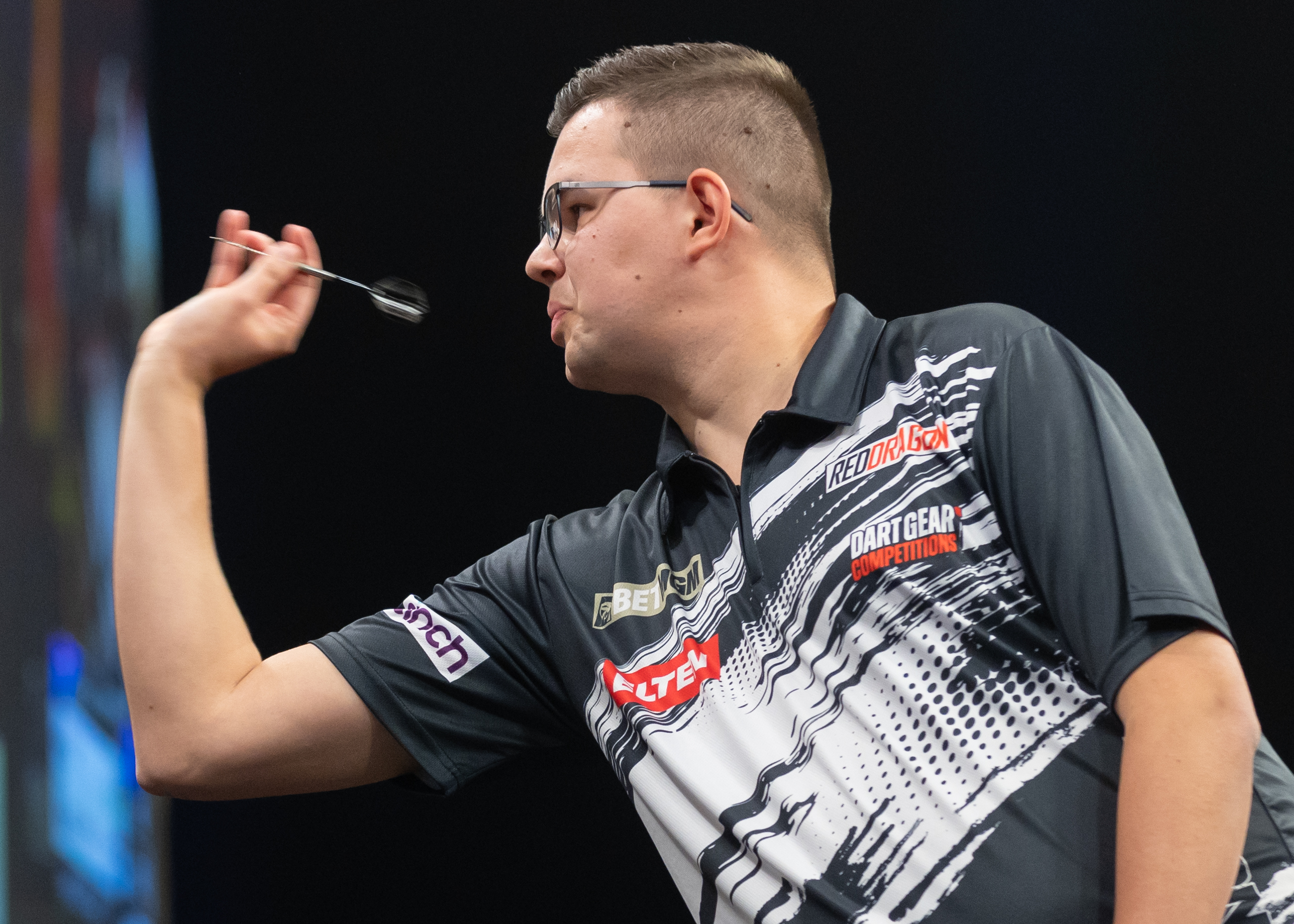
Now’s your chance to see the youngest world champion in darts history, AKA Warrington’s very-own Luke ‘The Nuke’ Littler, show us how it’s done, as next year’s BetMGM Premier League Darts lineup has just been announced this week – with various dates confirmed across 17 different cities in the UK and Europe.
And Manchester is one of those cities, as the AO Arena has shared that they are set to host an evening next April, and we couldn’t be more excited about it.
This means that we will be lucky enough to witness the biggest names in world darts all under one roof, including headliners Gian van Veen and Luke Humphries, as well as Littler.
Manchester is the only northern city to get the pleasure of hosting the event next year, as Liverpool is also on the lineup, as is Leeds, Sheffield, and Newcastle, while elsewhere in the UK, the stars will travel to Glasgow, Birmingham, London, and several other major locations.
BetMGM Premier League Darts is to be held on Thursday 8 April at the AO Arena in Manchester, and to avoid being disappointed, fans are advised to register for presale ticket access.
Following a successful season of events in 2026, tickets are expected to be like gold-dust, so don’t say you haven’t been warned.
To access the first wave of tickets, fans must become an active PDCTV Annual Member before 23:59pm on Friday 9 October. Alternatively, general sale is on Thursday 22 October 2026, but make sure not to hang about.
Featured Image – Sandro Halank (via Wikimedia Commons)
News
Andy Burnham wants to scrap the ‘unfair’ ban on drinking alcohol in football stands
Emily Sergeant
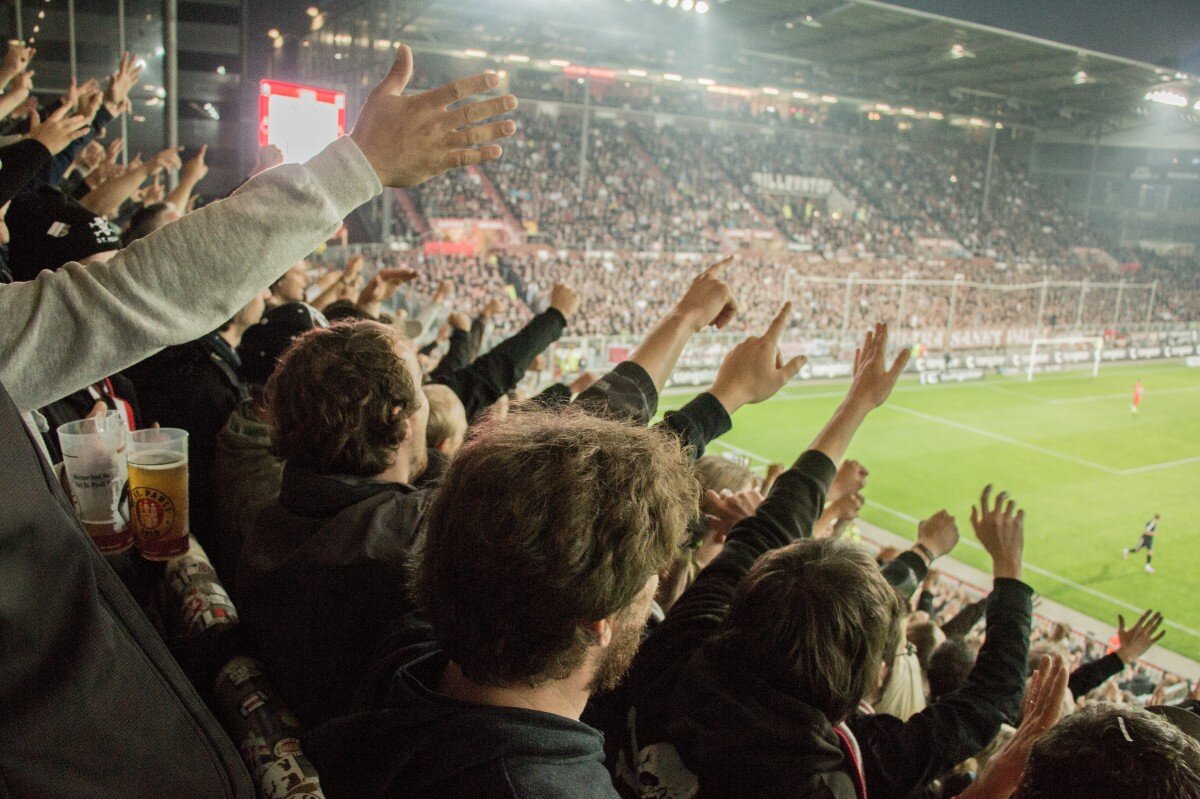
Andy Burnham has claimed he wants to scrap the ‘unfair’ ban on fans getting to drink alcohol in football stands.
It’s a ban that’s been in place in the top five tiers of men’s football since 1985, when fears over violence and hooliganism were at their height, but now the Prime Minister has raised the question of whether drinking in football stands – or ‘drinking in sight / view of the pitch’, as it’s known formally – is actually unjust, due to the fact that same rules don’t apply to fans of other sports.
“I don’t think it’s fair for football fans to be singled out in that way,” Andy Burnham has declared this week, grabbing headlines in the process.
He continued: “I think that legislation dates to an era where football was very different, and I do believe there is a case to remove that discrimination.
“I’m not going to back away from what’s been a long-held view of mine. I don’t see how it can be fair that some supporters of one sport can be treated differently.”
The Prime Minister’s comments have been met with mixed response.
Andy Burnham wants to scrap the ‘unfair’ ban on drinking alcohol in football stands / Credit: James Kirkup | Julia Nastogadka (via Unsplash)
The Football Supporters’ Association (FSA), for example, has very much welcomed the idea, saying that it ‘totally agrees’ the legislation is ‘outdated’ and ‘deserves to be reviewed’.
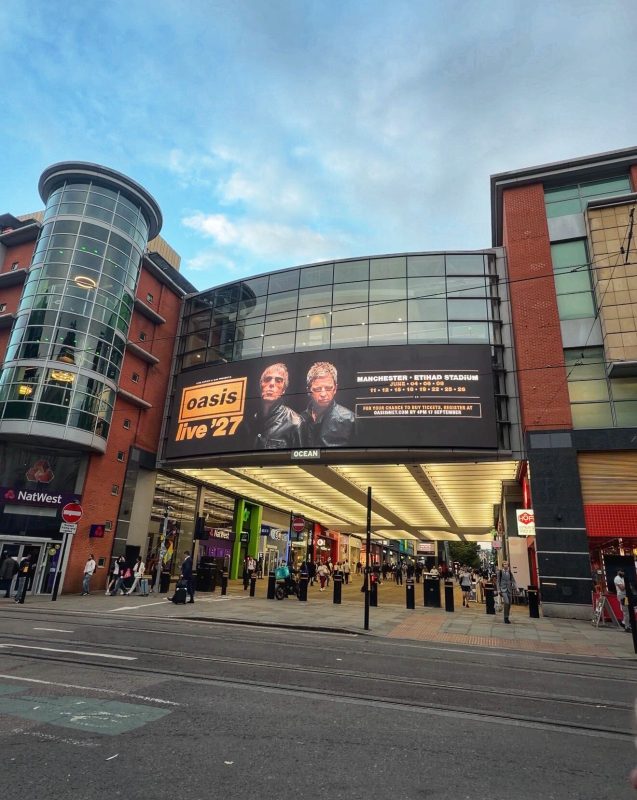
Tom Greatrex, chair of the FSA, said in a statement: “The FSA has always argued that it’s unfair to criminalise football fans for having a pint while watching the match – especially since you can sit in the same seat drinking alcohol whilst watching an Oasis gig or rugby league.”
However, on the flip side, the UK Football Policing Unit said it would be ‘incredibly rash’ to change the rules without proper consultation.
“Other sports simply don’t see the violence and criminal behaviour from their supporters that football does, albeit a minority, with alcohol often playing a significant part in violent and disorderly behaviour,” it said in a statement on the matter.
The Prime Minister did state in his initial proposition though that ‘there are different ways it could be done’, hinting that it could be done ‘on a trial basis’ perhaps.
The English Football League (EFL) added that it would be ‘receptive to discussions around reviewing current legislation and permitting alcoholic drinks within view of the pitch’.
No formal details on a review have been confirmed as of yet, so fans are encouraged to stay tuned for updates in due course.

 The Manc -
19th August 2021
The Manc -
19th August 2021