Liverpool’s award-winning coffee shop Bold Street Coffee has opened a site in Manchester on Cross Street, bringing its delicious donuts, breakfast buoys and chicken katsu curry butties with it.
Taking over a former Cafe Nero site on Cross street, the independent coffee shop and cafe is serving up top-quality brews alongside all-day breakfast, lunch and brunch dishes – ranging from full on fry ups to butties, an ‘on toast’ section, wholesome bowls and more.
Make no mistake, though, the special dish here has to be the buoys – a Bold Street Coffee signature comprised of scrambled egg with melted cheese inside a lightly toasted brioche bun.
Image: BSCImage: BSC
Essentially a breakfast burger, they’re priced from £5.95 for the most basice edition. You can then add in sausage patties, hash browns, bacon, avocado, mushroom, scrambled tofu, aubergine patties and more from a list of different variations, depending on what sort of mood you’re in.
There are vegan buoys, veggie buoys, and even a bad bouy (brioche bun, sausage patty, fried egg, cheese, avocado and hollondaise) if you’re feeling naughty.
ADVERTISEMENT
Elsewhere, you’ll find porridge, ‘super’ porridge, ‘Gaz’s granola’, vegan and veggie-friendly sandwiches, an ‘egg box’ section stufffed with the likes of granary toast, scrambled egg, melted cheese, avocado, tomato, bacon and sausages.
Whilst the food menu does sound spectacular, let’s not forget that Bold Street is known for its coffee – serving regularly-changing guest espressos and a house blend that they switch up every quarter.
ADVERTISEMENT
Hand-picked by baristas and roasted specifically for BSC, alongside a selection of sixteen different coffees on the menu you can also purchase everything you need to make your perfect brew at home – from aeropress, Chemex and V60s, to filters and pour-over kettles.
The only thing they don’t seem to sell (from the looks of things anyway) is a grinder and scale – however, you can ask one of the team to grind your beans to your own specifications when you pick up a bag (priced from £8).
Image: BSC
If you’re not a coffee fan, don’t worry, there’s still lots to drink. Think seven different types of tea, plus iced tea, kombucha (fermented tea), Lemon-Aid, Fritz sodas and Pago juices.
ADVERTISEMENT
There are even puppucinos and babbacinos available for your dogs and babies, so no one needs to feel left out at Bold Street Coffee.
Open from Monday to Saturday 8am – 6pm, and Sunday from 9am – 5pm, find Bold Street Coffee at 53 Cross Street.
Premier League Darts is returning to Manchester’s AO Arena in 2027
Lydia Mastrolonardo
Premier League Darts is confirmed to be returning to Manchester next year.
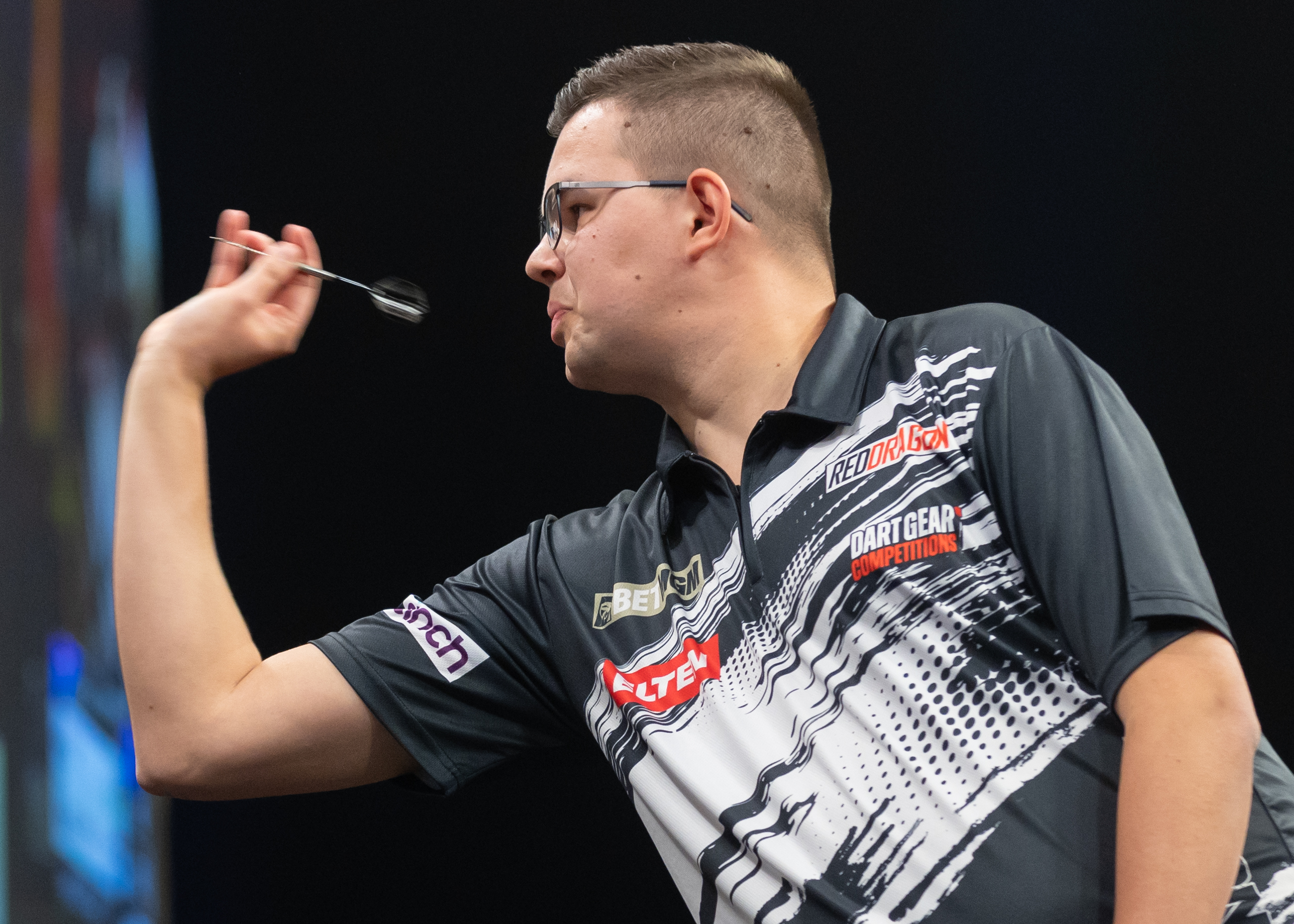
Now’s your chance to see the youngest world champion in darts history, AKA Warrington’s very-own Luke ‘The Nuke’ Littler, show us how it’s done, as next year’s BetMGM Premier League Darts lineup has just been announced this week – with various dates confirmed across 17 different cities in the UK and Europe.
And Manchester is one of those cities, as the AO Arena has shared that they are set to host an evening next April, and we couldn’t be more excited about it.
This means that we will be lucky enough to witness the biggest names in world darts all under one roof, including headliners Gian van Veen and Luke Humphries, as well as Littler.
Manchester is the only northern city to get the pleasure of hosting the event next year, as Liverpool is also on the lineup, as is Leeds, Sheffield, and Newcastle, while elsewhere in the UK, the stars will travel to Glasgow, Birmingham, London, and several other major locations.
BetMGM Premier League Darts is to be held on Thursday 8 April at the AO Arena in Manchester, and to avoid being disappointed, fans are advised to register for presale ticket access.
Following a successful season of events in 2026, tickets are expected to be like gold-dust, so don’t say you haven’t been warned.
To access the first wave of tickets, fans must become an active PDCTV Annual Member before 23:59pm on Friday 9 October. Alternatively, general sale is on Thursday 22 October 2026, but make sure not to hang about.
Featured Image – Sandro Halank (via Wikimedia Commons)
News
Andy Burnham wants to scrap the ‘unfair’ ban on drinking alcohol in football stands
Emily Sergeant
Andy Burnham has claimed he wants to scrap the ‘unfair’ ban on fans getting to drink alcohol in football stands.
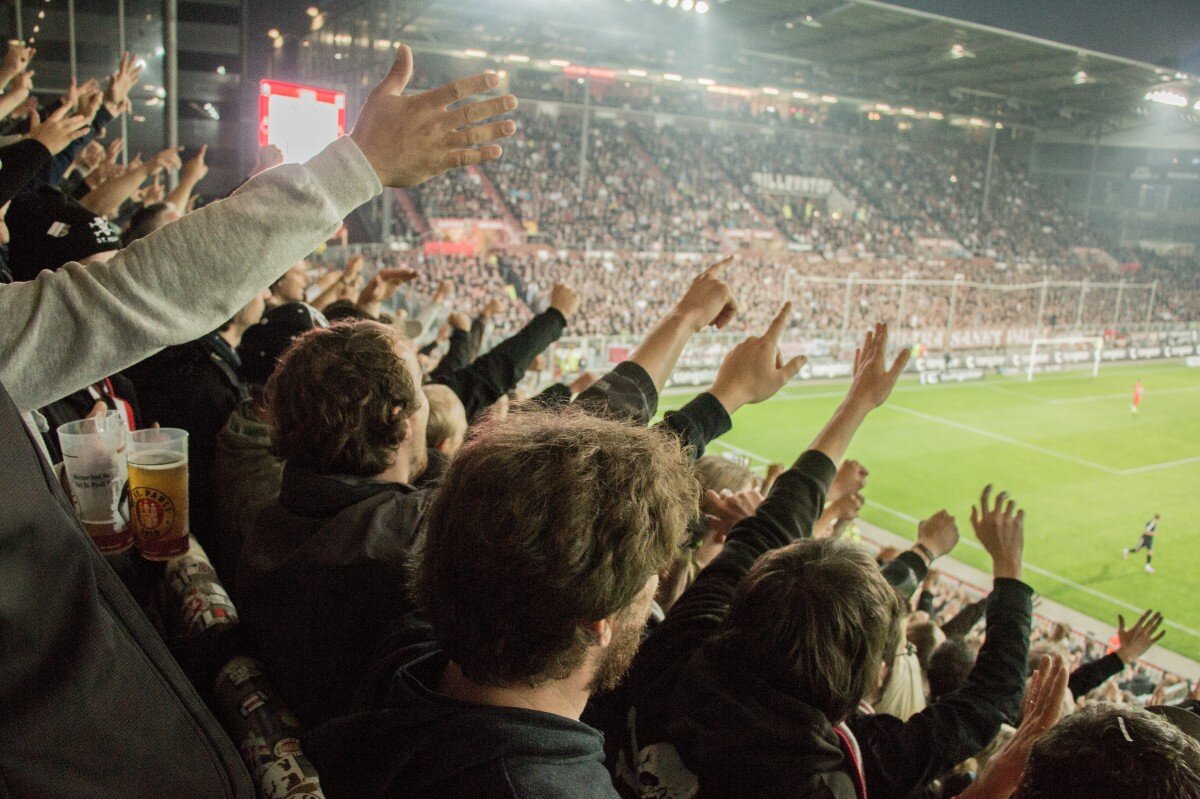
It’s a ban that’s been in place in the top five tiers of men’s football since 1985, when fears over violence and hooliganism were at their height, but now the Prime Minister has raised the question of whether drinking in football stands – or ‘drinking in sight / view of the pitch’, as it’s known formally – is actually unjust, due to the fact that same rules don’t apply to fans of other sports.
“I don’t think it’s fair for football fans to be singled out in that way,” Andy Burnham has declared this week, grabbing headlines in the process.
He continued: “I think that legislation dates to an era where football was very different, and I do believe there is a case to remove that discrimination.
“I’m not going to back away from what’s been a long-held view of mine. I don’t see how it can be fair that some supporters of one sport can be treated differently.”
The Prime Minister’s comments have been met with mixed response.
Andy Burnham wants to scrap the ‘unfair’ ban on drinking alcohol in football stands / Credit: James Kirkup | Julia Nastogadka (via Unsplash)
The Football Supporters’ Association (FSA), for example, has very much welcomed the idea, saying that it ‘totally agrees’ the legislation is ‘outdated’ and ‘deserves to be reviewed’.
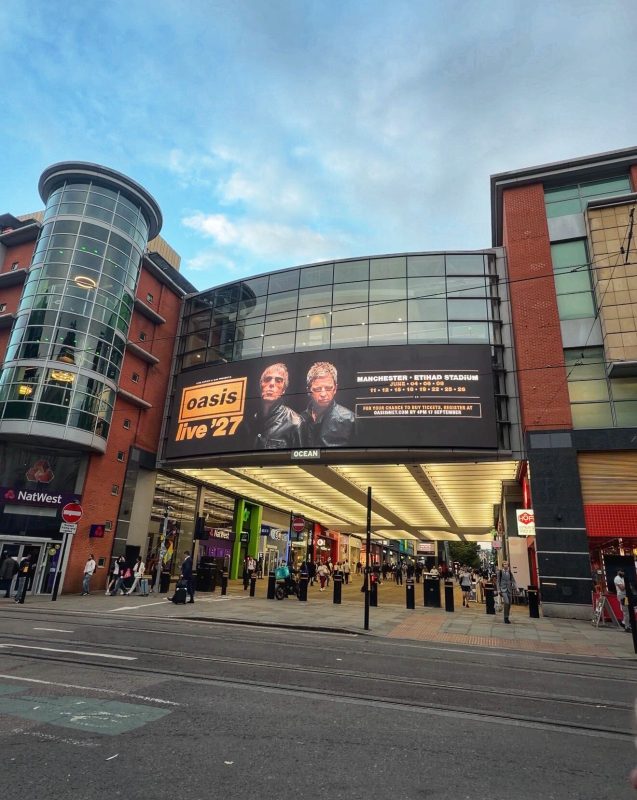
Tom Greatrex, chair of the FSA, said in a statement: “The FSA has always argued that it’s unfair to criminalise football fans for having a pint while watching the match – especially since you can sit in the same seat drinking alcohol whilst watching an Oasis gig or rugby league.”
However, on the flip side, the UK Football Policing Unit said it would be ‘incredibly rash’ to change the rules without proper consultation.
“Other sports simply don’t see the violence and criminal behaviour from their supporters that football does, albeit a minority, with alcohol often playing a significant part in violent and disorderly behaviour,” it said in a statement on the matter.
The Prime Minister did state in his initial proposition though that ‘there are different ways it could be done’, hinting that it could be done ‘on a trial basis’ perhaps.
The English Football League (EFL) added that it would be ‘receptive to discussions around reviewing current legislation and permitting alcoholic drinks within view of the pitch’.
No formal details on a review have been confirmed as of yet, so fans are encouraged to stay tuned for updates in due course.

 Georgina Pellant -
8th December 2021
Georgina Pellant -
8th December 2021