Blackburn is at risk of becoming the new coronavirus hotspot in Britain, new data reveals.
According to Public Health England, the number of positive cases in the town have doubled during the past week, with 79.2 COVID-19 infections recorded per 100,000 people overall.
These figures suggest that Blackburn may have the highest infection rate in the country.
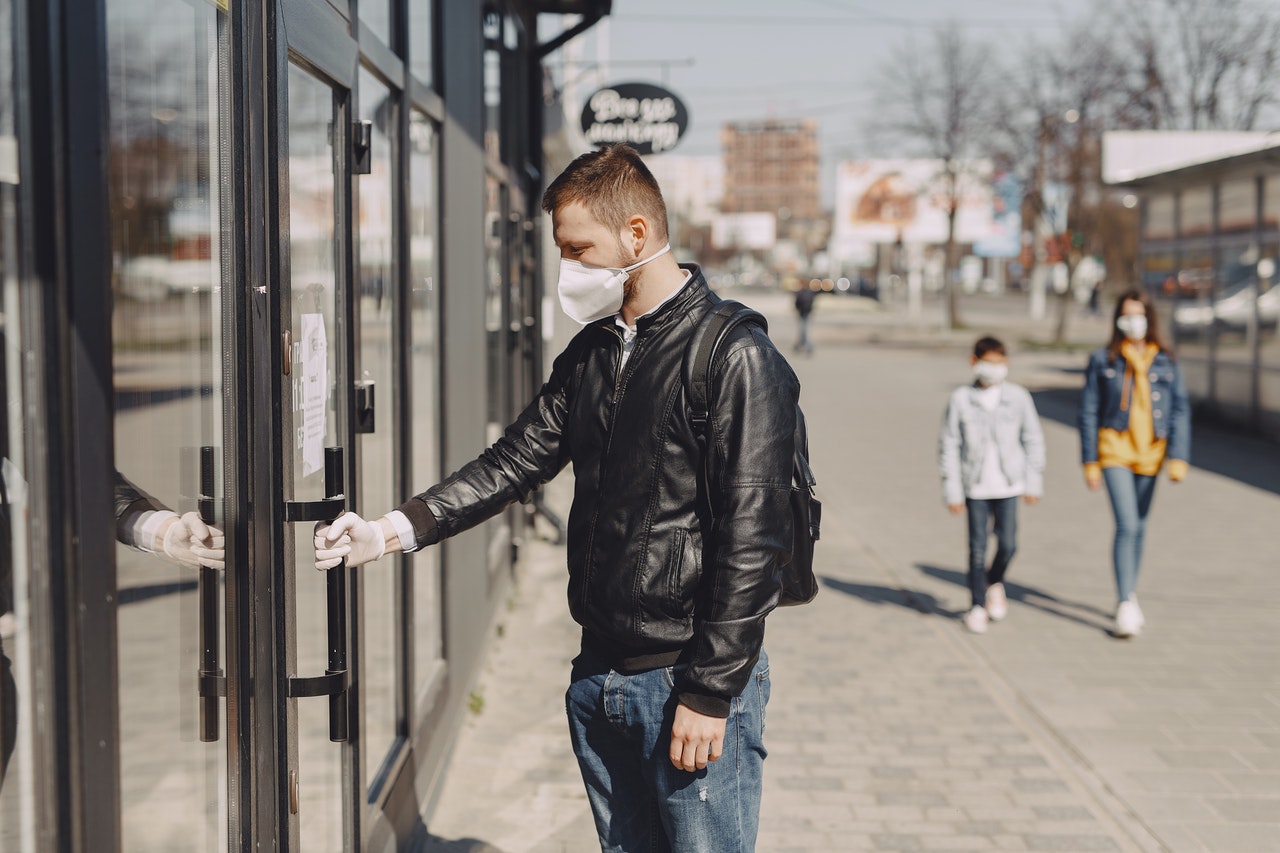
Mass testing has already been introduced in the region, with residents required to wear face coverings in all enclosed public places.
People are also being urged to avoid handshakes and have been advised to reduce contact with other households.
ADVERTISEMENT
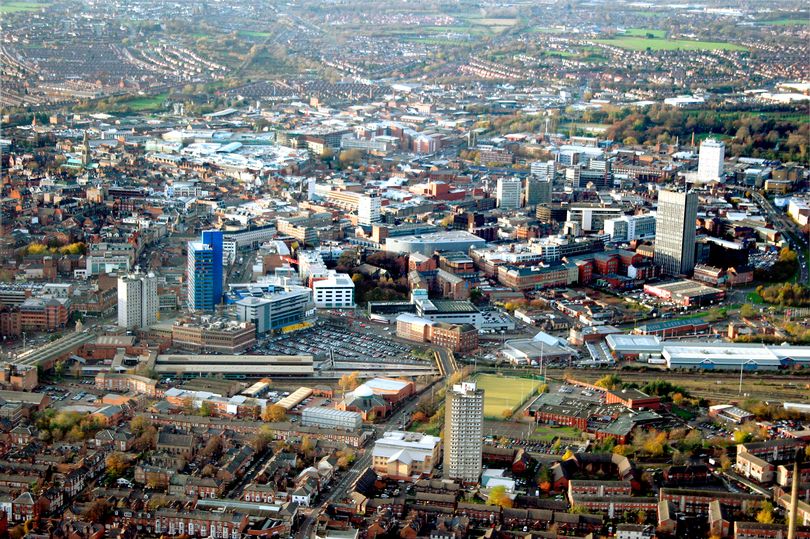
Leicester / Wikipedia
The new measures were brought in last week in an attempt to prevent Blackburn being forced to enter a local lockdown.
Currently, only the city of Leicester has unable to open up in the same way as the rest of England, with all non-essential premises forced to remain closed.
ADVERTISEMENT
This includes pubs, restaurants, hairdressers, outdoor gyms, playgrounds, cinemas, museums, galleries, theme parks, arcades, libraries, social clubs, places of worship and community centres.
Recent statistics have shown that the local lockdown in the East Midlands region is proving effective, with cases falling to a rate of 77.7 per 100,000 people.
New cases have also dropped from 429 to 276 in the space of a week.
However, Prof Dominic Harrison, Public Health Director of Blackburn with Darwen Council, has commented that they would only execute these measures as a “very, very last resort” and would be “very reluctant” to do so.
He also said these recent results were “expected” and that cases were likely to rise further in the coming days.
The UK recorded 726 new cases on July 19, with 27 new deaths.
More than 290,000 people in the country have tested positive since the outbreak began.
News
Beloved Manchester artist Stanley Chow slams Conservative Party for using his artwork
Daisy Jackson
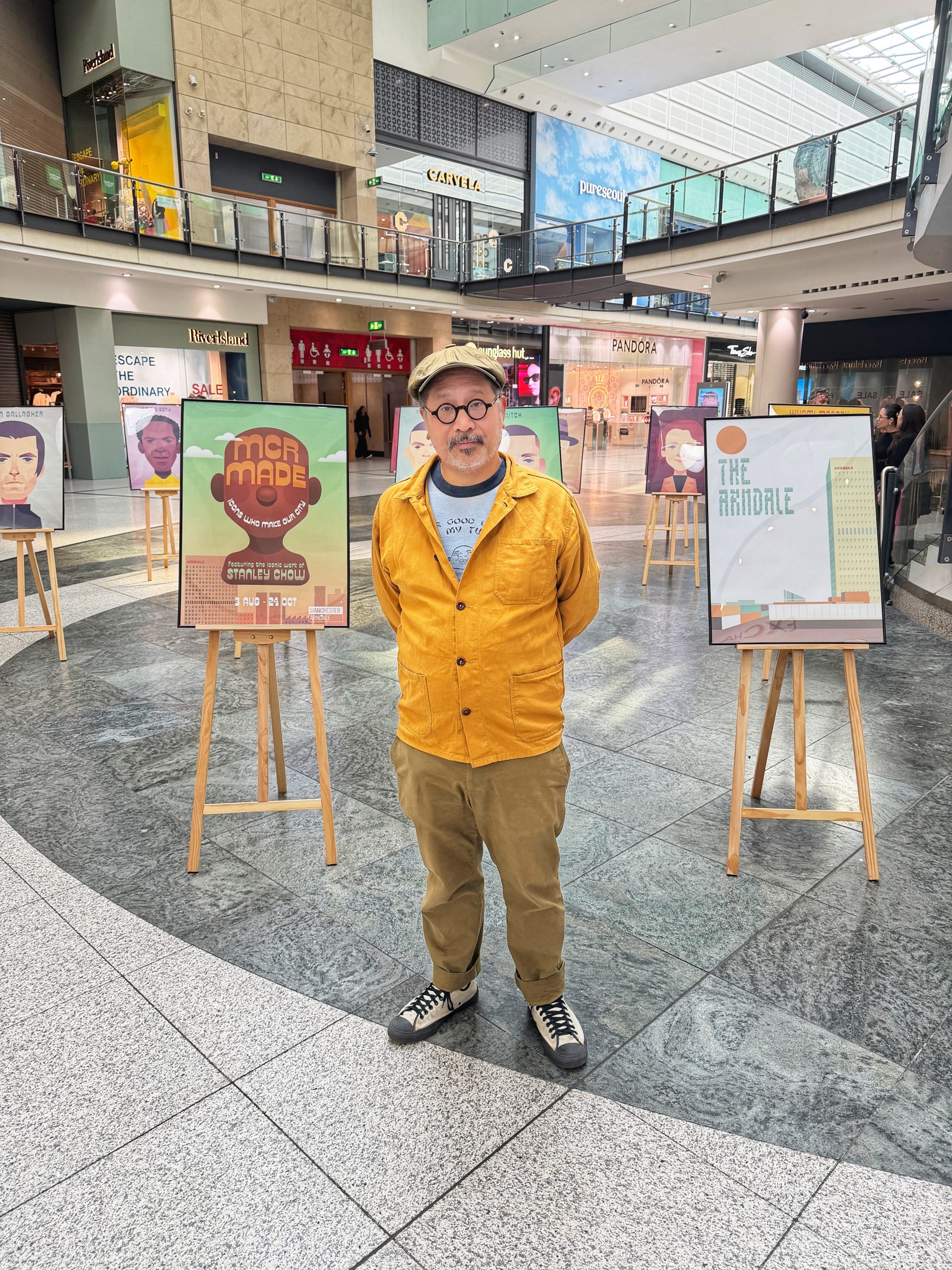
Celebrated local artist Stanley Chow has lashed out at the Conservative Party.
The illustrator, who is famed for his cartoon portraits of famous faces, has discovered that the political party have been using his Andy Burnham illustration at their party conference.
Publicly addressing the usage, Stanley said he would be ‘seeking legal advice’.
He shared a photo of his Andy Burnham portrait that has been placed onto a water bottle with the slogan ‘Bottler Burnham’.
The label also says: “0% strength. Bottled under pressure from Badenoch.”
In another photo, Stanley Chow revealed that the Tory party conference has used his Andy Burnham portrait on pots of sweets, too.
This time, they say: “Andy Panders’ people pleaser pick n mix. Free sweets for everyone, it will only cost you higher taxes.”
Stanley wrote: “It seems like @conservatives have been using my artwork without my permission at their conference party…
“Regardless of whatever your political allegiances are, it’s still copyright infringement… I’ll be seeking legal advice.”
Backing him up in the comments are a number of other local artists, including Mancsy, who said: “As well as the copyright infringement, I expect more of political parties than making gags at the expense of the opposition. It’s alarming on multiple levels.”
Someone else wrote: “Imagine calling a prime minister a people pleaser like it’s an insult… when it’s their job.”
Another person said: “How does that even happen?! Layers of people signing off who go, ‘Sure, let’s not worry about copyright’ (people who’ve presumably never step foot in MCR and seen your artwork, like EVERYWHERE). Drag em, babe. Copyright and reputation, surely.”
Manchester man jailed after sexually assaulting and masturbating in front of woman on train
Emily Sergeant
A man has been jailed after sexually assaulting and masturbating in front of a woman on board a train to Manchester.
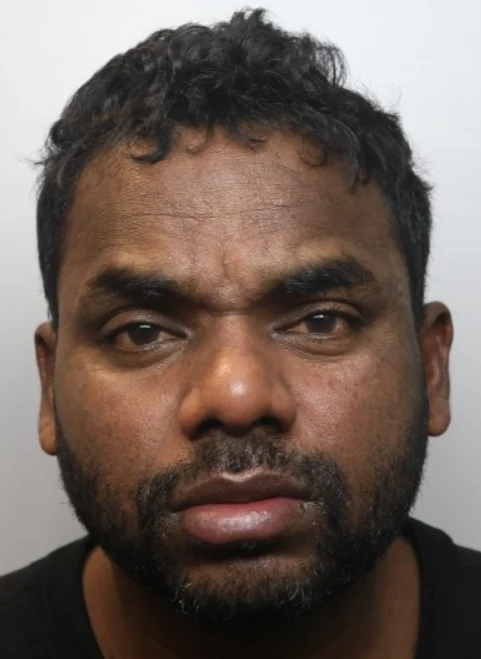
Following an extensive British Transport Police (BTP) investigation, Nisan Fernando Kurukulasuriya, of Troutbeck Road in Altrincham, was sentenced at Manchester Crown Court last month.
At the trail last month, the court heard how, on Monday 20 April 2026, 39-year-old Kurukulasuriya was on a train from Stoke to Manchester and sat next to a woman he didn’t know, who was on the phone.
He then sexually assaulted her repeatedly, doing so again even after being pushed away by the woman.
The woman then noticed that Kurukulasuriya had exposed himself and was masturbating in front of her. She shouted at him, and in response, he stood up and ran away to leave the train – but the woman immediately got up to report the incident to staff.
When the train arrived at Manchester Piccadilly, the woman alerted a member of staff while Kurukulasuriya was stood only a few meters away, and BTP were subsequently called straight away.
Police quickly attended and arrested Kurukulasuriya.
When police interviewed him, Kurukulasuriya showed no remorse for his actions and refused to answer any questions put to him.
After pleading guilty to Sexual Assault and Outraging Public Decency at a previous court hearing, Kurukulasuriya was sentenced to eight months’ imprisonment, and was also handed a 10-year Sexual Harm Prevention Order (SHPO) which will bar him from sitting next to any woman he doesn’t know on public transport, as well as being put on thensex offenders register for 10 years.
BTP Detective Sergeant, Mark Haviland, called Kurukulasuriya a ‘despicable man’ who targeted a woman travelling alone ‘for his own sick sexual gratification’.

 The Manc -
20th July 2020
The Manc -
20th July 2020