Downing Street and government ministers are speaking out to defend a controversial photo that emerged over the weekend that appears to show the Prime Minister at a lockdown gathering.
Since the emergence of the photo in question – which was first published in The Guardian yesterday – Prime Minister Boris Johnson has been coming under significant pressure to answer questions over the series of alleged gatherings that were believed to have been held at Number 10 during various lockdown restrictions last year.
The photo published yesterday shows the Prime Minister, his wife Carrie, and several colleagues enjoying cheese and wine in the Downing Street garden on 15 May 2020 – which was during the first national lockdown.
The newspaper reported that 19 people were present at the gathering, and that there were “spirits and pizza inside and outside the building”.
Restrictions in place during the first national lockdown meant that the alleged gathering happened at a time when the British public were still being asked to remain two metres apart from each other, both indoors and outdoors, and were being urged to “stay at home as much as is possible”, while schools did not reopen for another fortnight, and many pubs and restaurants were ordered to remain closed until early July.
ADVERTISEMENT
EXCLUSIVE: Boris Johnson and staff pictured with wine in Downing Street garden in May 2020 https://t.co/HDyvi70Nqd
NEW: Downing Street staff and Boris Johnson pictured drinking wine in the No 10 garden last May when the rest of the country was limited to meeting just one other person socially outdoors.
The emergence of the photo comes not long after the government was accused of hosting two other mid-lockdown gatherings, during November and December 2020 – which, despite strong criticism from opposition, has continued to deny.
The emergence of the photo over has resulted in national public outcry online over the weekend.
As well as outrage by members of the public on social media, the photo has of course prompted heavy criticism from opposition politicians and parties, with Labour demanding “the truth” about the situation be revealed and Shadow Health and Social Care Secretary Wes Streeting insisting that it’s “no laughing matter” how the Prime Minister lies with “ease”.
Deputy Labour leader Angela Rayner also took to Twitter to say: “I guess staff meetings look a bit different if you went to Eton?
ADVERTISEMENT
“Enough is enough.
“Tell us the truth about what was going on in Downing Street from the very beginning immediately.”
Former Labour politician and onceSecretary of State for Children, Schools and Families also chimed in with some specifics to add that he was “pretty sure this is the view from the 11 Downing Street first floor balcony.”
Boris Johnson’s No. 10 lies so often, and with such ease. This is no laughing matter. https://t.co/eRLlLKNr0q
Shadow Chief Secretary to the Treasury – also said this morning that photo adds to a “culture of impunity” reflected in a number of stories over the last few weeks, adding that the Prime Minister has “made a lifetime of thinking rules don’t apply to him”, and that the country is now in a situation where the public health message is being “undermined”.
Yet despite all of this criticism and demand for the truth to be told, Downing Street has insisted that the photo shows a “staff meeting”.
ADVERTISEMENT
A government spokesperson explained in a statement: “As we said last week, work meetings often take place in the Downing Street garden in the summer months [and] on this occasion, there were staff meetings following a Number 10 press conference.
“Downing Street is the prime minister’s home as well as his workplace [and] he prime minister’s wife lives in Number 10 and therefore also legitimately uses the garden.”
This statement by the spokesperson has also been echoed and enforced this morning by Justice Secretary Dominic Raab, who told host Kay Burley during an appearance on Sky News this morning that Downing Street is a “place of work”.
"It's consistent with the guidance at the time"
Deputy Prime Minister Dominic Raab defends a photo of Boris Johnson and his staff allegedly enjoying wine and cheese in the garden of No 10 during lockdown restrictions last year.#KayBurleyhttps://t.co/2UFO8kJyqRpic.twitter.com/0hVsMvim2P
He then said that the meeting was “consistent” with the COVID-19 guidance issued by the government at the time.
“Number 10 is a place of work and also the prime minister’s home and they use the garden for work meetings and that’s what you can see,” he concluded.
ADVERTISEMENT
Human rights barrister Adam Wagner – who examines coronavirus regulations and interprets them for the public – said in on Twitter over the weekend that he was “doubtful” the gathering “was against the law”, but that it may have been against guidance.
He added that there was “no way of knowing that they weren’t working”.
Featured Image – 10 Downing Street
News
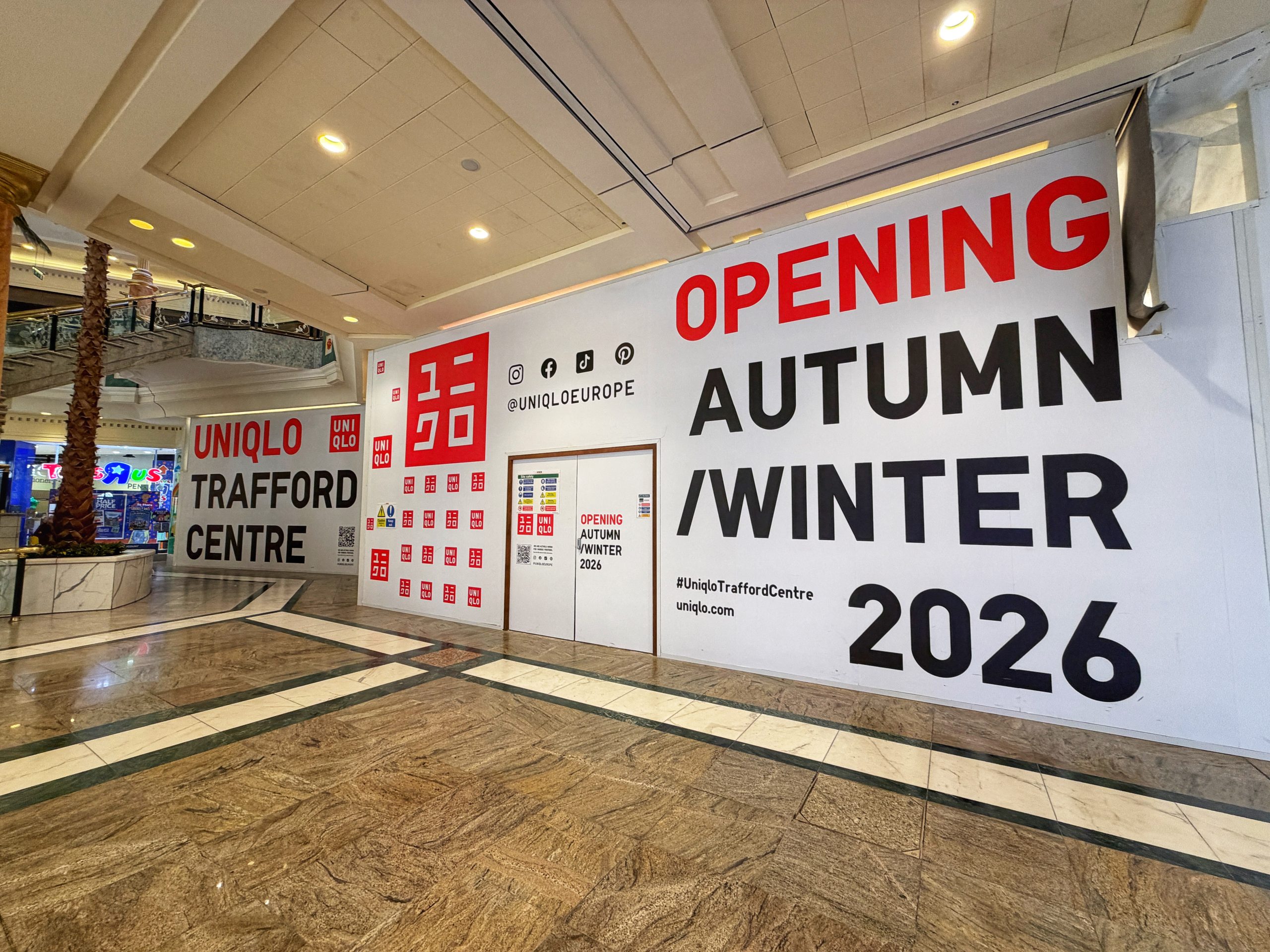
Opening date finally confirmed for new Uniqlo store at the Trafford Centre
Emily Sergeant
Uniqlo is preparing to open its second store in Greater Manchester, and the official launch date has finally been confirmed.
The popular Japanese high street fashion retailer currently operates 24 stores in the UK, with its first British store having opened its doors all the way back in 2001, and its first European flagship store opening on Oxford Street in London in 2007 – but it was revealed earlier this year in April that Manchester was set to get a second helping.
Uniqlo announced that it would be opening its second Greater Manchester inside the Trafford Centre this autumn, following the huge success of its city centre store opening on Market Street in 2019.
The Trafford Centre store is set to make Manchester the first location outside of London to have two Uniqlo stores.
When news broke that the hoardings had officially gone up inside the shopping centre, elated shoppers raced to the comments to say things like: “No way! I’ve been waiting years for this.”
Uniqlo is preparing to open second its Manchester store inside the Trafford Centre next month / Credit: | The Manc Group
“Uniqlo in Trafford Centre would be a dream come true,” another person said on Instagram, while a third added: “I will never have to step foot on Market Street again,” and plenty others chimed in with comments like ‘finally’ and ‘can’t wait’.
And now, we officially have an opening date to share with you.
Uniqlo will open in the Trafford Centre for the first time on Thursday 15 October, with plenty of events happening across its extended opening weekend.
Traditional Japanese Taiko drumming performances will be happening throughout the day on Thursday 15 and Saturday 17 October, while the first 300 customers to spend over £69.90 in store on the Thursday (15 October) will get a special Uniqlo Manchester goody bag.
Uniqlo’s arrival at the Trafford Centre follows the opening of several other high-profile stores in recent months, like Urban Outfitters, White Company, Stradivarius, and many more.
Featured Image – The Manc Group
News
‘Do not let Britain’s independent businesses disappear on your watch’ – Manchester bakery makes heartbreaking plea to Andy Burnham
Clementine Hall
A beloved Manchester bakery has issued an open letter to Andy Burnham ahead of the Budget begging him for help.
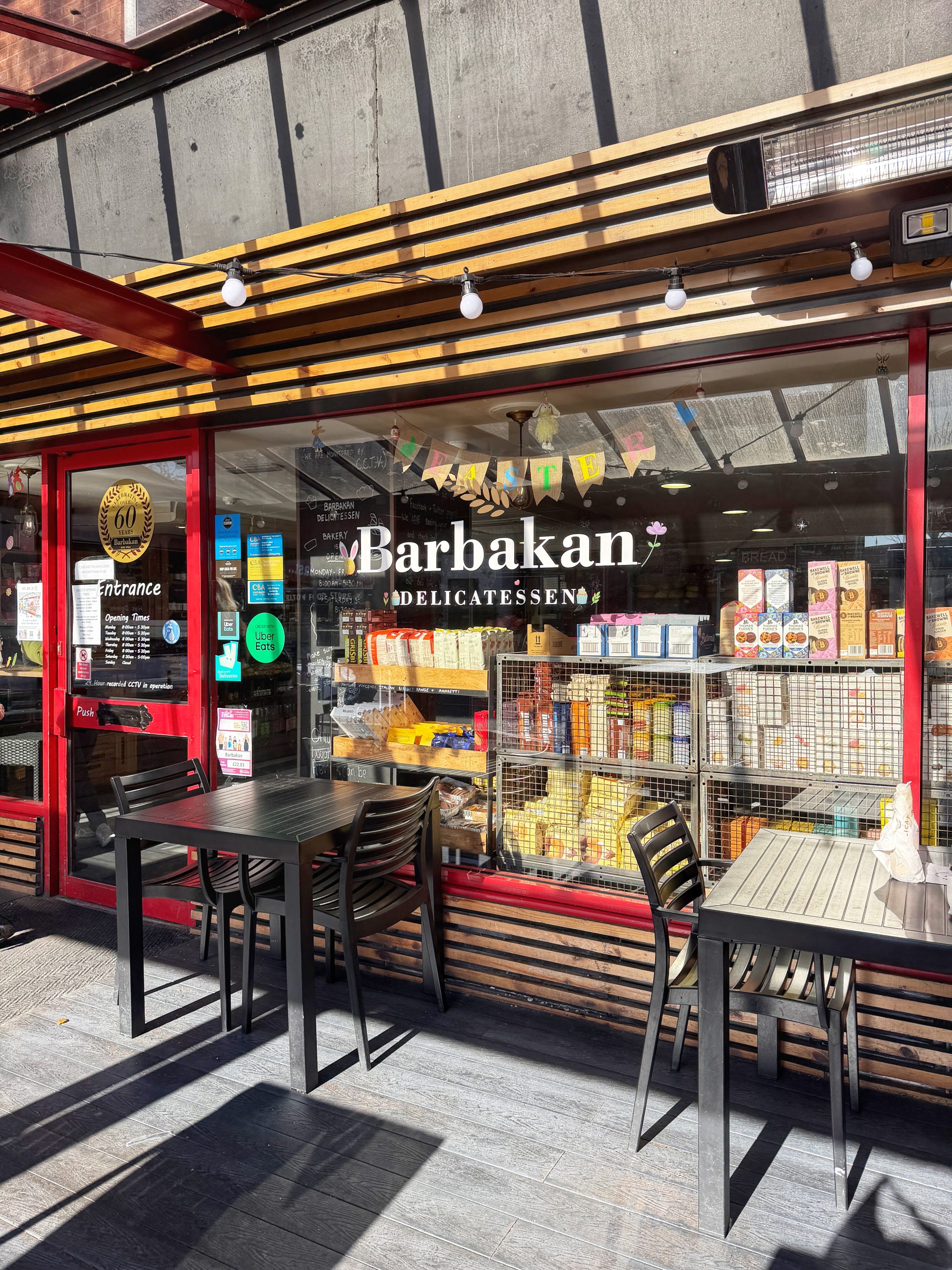
Barbakan Deli in Chorlton is basically an institution at this point.
The legendary bakery and delicatessen has been serving the community for 62 years, famed for its freshly-baked loaves of bread, its handmade sandwiches, and its pastries and cakes inspired by bakes from across Europe.
Posting on Instagram last night on Thursday 18 September, Frankie Dyer the director of Barbakan, issued an open letter addressed to Prime Minister Andy Burnham.
Images: The Manc Group
It read: “Dear Mr Burnham, As an independent business owner in the hospitality sector, I am begging you to please read this.
“Really read it. And seriously consider what businesses like mine are telling you before the upcoming Budget.”
It continued: “In just the last two years, we have self-funded new bakery machinery, new catering kitchens, essential repairs and renovations and opened a second retail site, creating another six local jobs. We have won more than ten national awards for the quality of what we do.
“We have invested. We have grown. We have employed more people. We have worked harder than ever. In short, Prime Minister, we are doing everything you keep asking British businesses to do.
“And our bank balance is finished. That is the reality.”
The letter finished by Dyer inviting Andy Burnham to come visit the bakery and pleading for a ‘fighting chance’ to save the business: “We need action. We need meaningful reductions in the tax burden placed on employers.
“We need Employer National Insurance looked at urgently. We need a business-rates system which allows independent high-street businesses to survive. We need VAT reform for hospitality. We need Corporation Tax to reward businesses which reinvest, employ and grow.
“And we need proper grants and incentives that help established independent businesses invest and expand — not schemes with endless criteria which most ordinary businesses can never access. We need you to do something.
“And we need more than one token gesture in the Budget. A band-aid for a bullet wound. So I am asking you, Prime Minister, to come back to Manchester and see it for yourself. Pop an apron on and stand behind our counter.
Images: The Manc Group
“Come into our bakery in the middle of the night and meet the people making Manchester’s bread while most of the city is asleep. Look at our payroll, our energy bills, our rates, our supplier increases.
“Look at what leaves our bank account every single week simply for the privilege of keeping 50 people employed and our doors open. You said you wanted a government that understood the regions. You now have an opportunity to prove it.
“Independent businesses across this country are not asking for a handout. We are asking for a fighting chance. I sincerely hope your next Budget gives us one”.

 The Manc -
20th December 2021
The Manc -
20th December 2021