One of the most unique charity fundraisers in Manchester has sold out due to huge interest, and now a second date has been added.
This means that more daredevil Mancunians can abseil off a 26-storey city centre skyscraper.
In case you hadn’t heard, a total of 80 brave individuals are gearing up to abseil off the 26-storey One Regent Tower in Castlefield on Saturday 16 July, all with the goal of raising as much money as possible for one of the city’s most iconic charities, We Love MCR Charity, as part of its 2022 ‘Challenge Event Series’.
The abseil is just one of a set of mind-over-matter challenges that will raise funds for the charity’s work supporting Manchester’s communities and young people.
Considering that abseils are normally done by mountaineers, and not in the heart of city centres off multi-storey skyscrapers, it’s no wonder that demand has been high and places ran out so quickly.
ADVERTISEMENT
But it’s this generous reaction from the thrill-seeking Manchester public has led the charity to putting on an extra date of Sunday 17 July, which will make a whole weekend of the dizzying event and take the number of abseilers well into triple figures.
Over 80 brave individuals are gearing up to abseil off the 26-storey One Regent Tower in Castlefield next month / Credit: We Love MCR Charity
Some of the brave fundraisers who have already stuck their name down include the Lord Mayor of Manchester Donna Ludford, and the new Leader of Manchester City Council – and you could join them as there are now just 40 places left to take part in this unique event.
ADVERTISEMENT
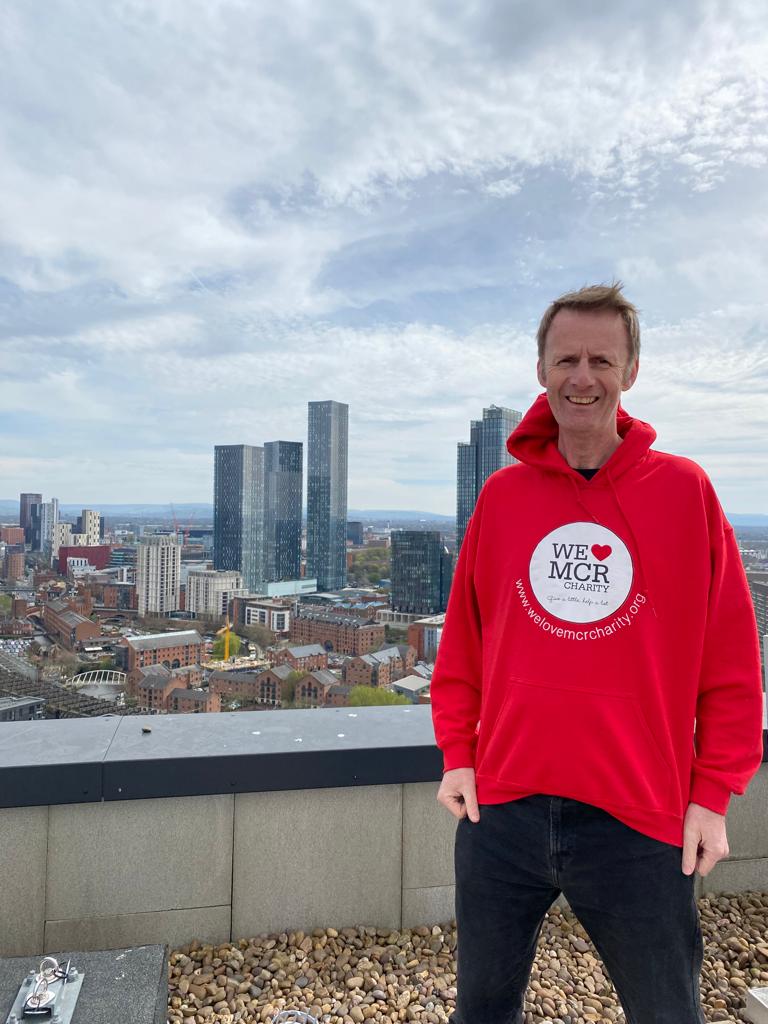
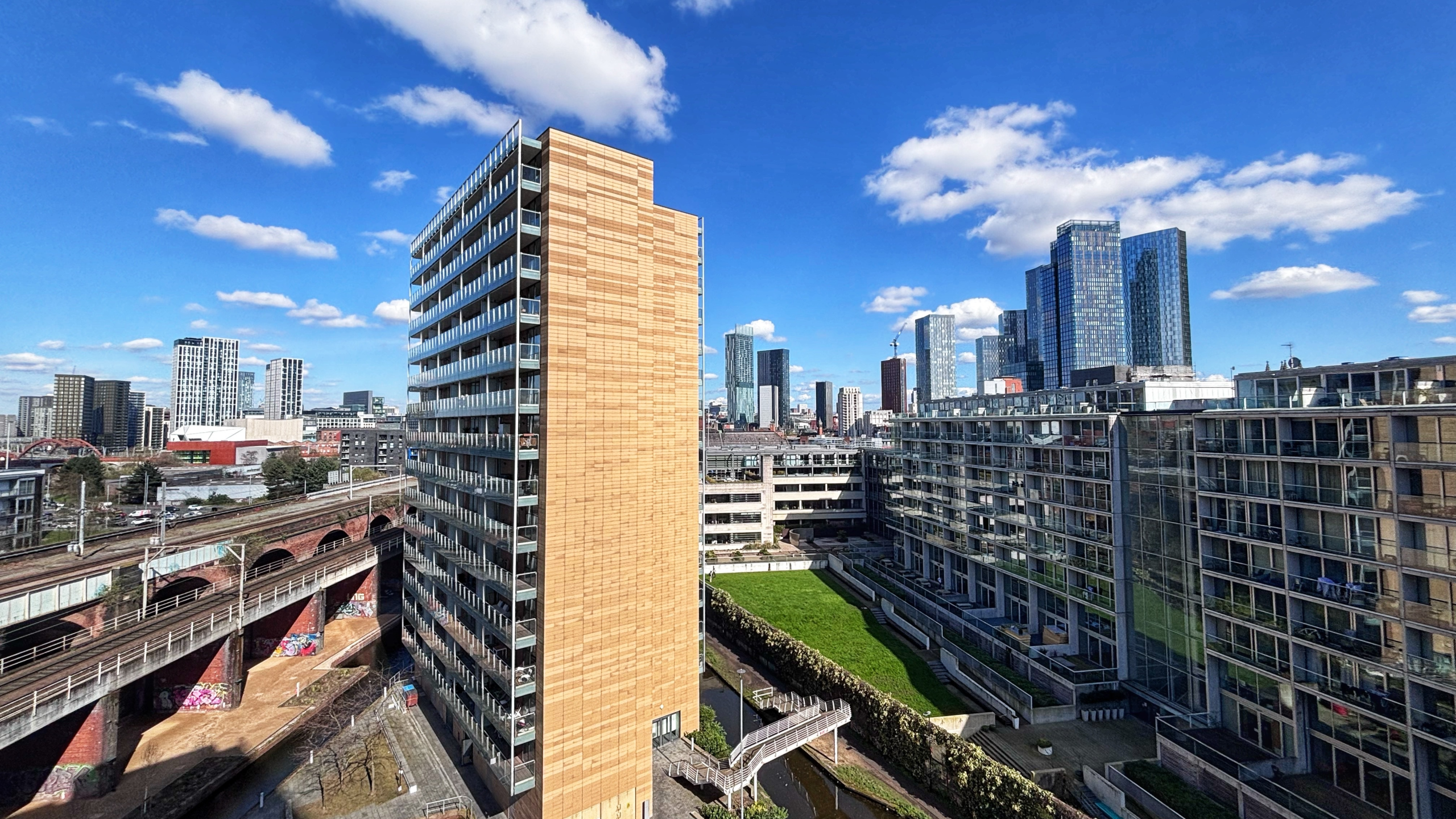
The views of Manchester’s incredible skyline from the One Regent roof are breathtaking, and not something seen often.
“We give heart and hope to Manchester, by awarding vital funds to help disadvantaged young Mancunians reach their potential, and to support ambitious community projects,” said Ged Carter, head of We Love MCR Charity.
ADVERTISEMENT
“If you want to show your love for Manchester, and take on the ultimate challenge, join us ‘on the rope’ while there are spaces left.
“We dare you.”
We're well excited to confirm the location and open registration for our We Love MCR Abseil Challenge! 🪢
How does taking in views of Manchester while 270ft high up on a rope sound? Fundraise for us, and YOU can do just that this July 🏙️
If you fancy testing your mettle, then the only requirements to signing up are a £30 entry fee, and a minimum fundraising commitment of £200 for the We Love MCR Charity.
You can sign up on the We Love MCR Charity website here.
Featured Image – We Love MCR Charity
News
Manchester rent is now ‘41% more expensive than five years ago, according to a recent study
Danny Jones
Yes, that’s right, as per some of the latest data on leased housing in central Manchester, it’s now approximately 41% more expensive to rent here than it was half a decade ago.
If you’ve lived in and around the city centre for long enough, chances are that you’ve already been feeling that difference, especially of late.
The ongoing cost-of-living crisis roughly began in 2021, following the economy and the world essentially opening back up after multiple lockdowns, so it’s little surprise that new research has shown affordability when it comes to renting has been on a slump ever since, too.
As well as the price of seemingly most things in everyday life going up post-pandemic, the average rental rate for even just a one-bedroom flat/apartment has jumped up significantly between 2020 and 2025.
Even some ‘available’ housing in town is being hampered by claddin (Credit: Valienne via WikiCommons)
That’s according to the numbers crunched by credit card experts, Zable, anyway.
Not only did their recent report cite the rent prices going up even before the cost of living crisis – essentially following the outset of the Covid-19 outbreak – but if their figures, the rate of inflation and the unwaveringly high demand for housing are anything to go by, this trajectory is likely to continue in 2026.
As of February this year, around one in three UK households is now a single-person occupancy, which already comes with its challenges (the Manchester City Council tax discount being a thin lifeline for countless), not to mention energy bills and the cost of groceries continuing on an upwards trend.
Put in the simplest and most reductive terms, it’s now almost £300 dearer for most people to live on their own than it was back in 2020, and besides Liverpool clocking in as second on the list of increasingly expensive cities to live (a 42.12% increase), Manchester came in third.
You can see the full table down below:
Rank
City
% increase – 2020-2025
Difference from 2020 to 2025 in £
Average rental cost for a 1 bed 2025
1
Newport
47.39%
£2,611
£8,121
2
Liverpool
42.12%
£2,290
£7,727
3
Manchester
41.00%
£3,364
£11,569
4
Edinburgh
40.28%
£4,620
£16,090
5
Leicester
39.93%
£2,391
£8,379
6
Wolverhampton
39.22%
£2,049
£7,273
7
Nottingham
39.07%
£2,400
£8,543
8
Glasgow
38.02%
£2,679
£9,725
9
Colchester
37.63%
£2,617
£9,572
10
Cardiff
37.06%
£2,828
Average rental cost for a 1-bed 2025
Another fear is that with lots of people finding it hard to manage living in other major cities like London, even those moving to Manchester are also having an impact on how available affordable housing is here.
That’s why schemes such as the new ‘social rent’ development over in Wythenshawe are so important to the current generations of renters, with the possibility of owning your own property in the future becoming increasingly difficult for so many.
It’s also worth noting that Manchester ranked fourth among the British locations where the cost of living is said to have increased the most over the past five years, with the average difference in annual spend growing by an estimated 22.84%.
1,500 miles of roadworks lifted to help ease congestion for drivers this bank holiday weekend
Emily Sergeant
1,500 miles of roadworks have now been lifted across the UK.
With half term well underway already, and now millions of drivers set to hit the road over the next five days as Easter bank holiday weekend arrives, giving Brits two extra days off, National Highways has now confirmed that, as of today (Thursday 2 April), around 1,500 miles of roadworks have been lifted nationwide.
Roads are expected to be ‘especially’ busy tomorrow in particular (Good Friday), National Highways predicts, as this is the day people are most likely to head on a spring getaway.
So, in a bid to help ease congestion for drivers up and down the motorways, roadworks have been removed up until Bank Holiday Monday (6 April).
“By keeping 98% of routes clear, we’re supporting the wider economy where it matters most to tourism, freight, and local businesses,” National Highways said in a statement.
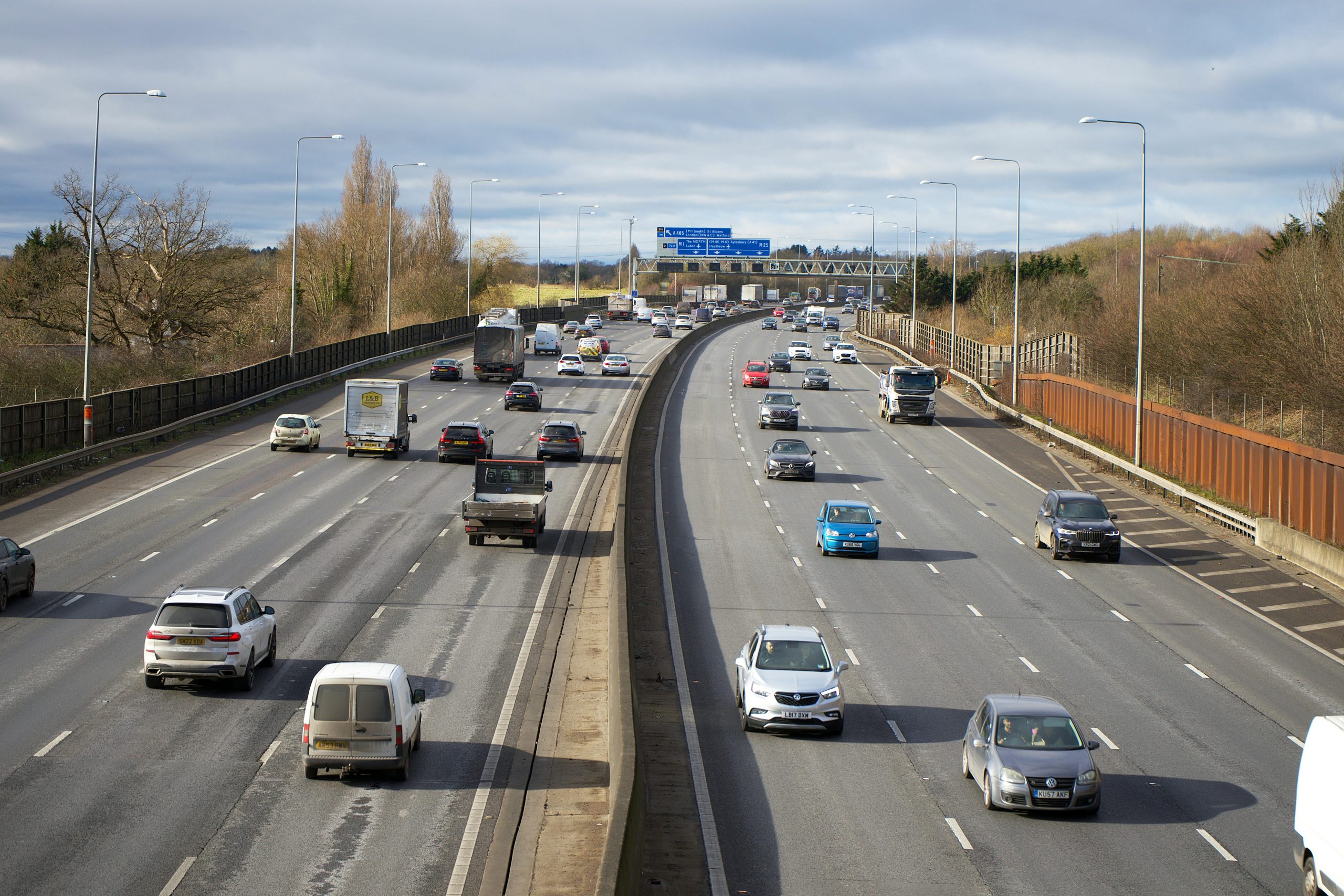
1,500 miles of roadworks have been lifted to help ease congestion for drivers this bank holiday weekend / Credit: pxfuel
The decision to lift the roadworks comes as a new national survey revealed a total of 71,254 breakdowns were recorded in spring (March–May) last year, compared with 56,702 in 2022.
It also showed that more than one in two (53%) UK drivers have broken down on a motorway or major A-road in their lifetime, highlighting how common the experience is for both drivers and passengers, and why it’s important to take relevant safety precautions from all sides.
29% of drivers think their breakdown could have been prevented with simple vehicle safety checks, but 17% admit to rarely or never conducting these.
National Highways echoes the statement that most of these incidents could be avoided through ‘quick and basic’ checks, and is urging drivers heading away this bank holiday weekend to familiarise themselves with how to do these before hitting the roads, so they can reach their destinations safely, saving costs and reducing delays for all road users in the process.
“Millions of people will be hitting the roads over Easter, and we want everyone to have a safe and smooth journey,” commented Colin Stevenson, who is the Road Safety Information Lead at National Highways.
“A few simple checks can help to prevent many of the breakdowns we see each year and help drivers avoid unexpected delays, cost and stress.

 Emily Sergeant -
23rd June 2022
Emily Sergeant -
23rd June 2022