A landlord threatened with deportation after putting his life savings into a community pub to keep its doors open has been told he can stay in the UK.
Russell Young, who is originally from Melbourne in Australia, moved to Failsworth four years ago to be with his partner, and took up residence in the 200-year-old local pub The Sun Inn on Oldham Road.
The pair ploughed their savings into the local pub to prevent it from being purchased by developers, but after months of enforced closure during the pandemic, Mr Young had been stopped from hitting the necessary earnings threshold for a living visa in the UK.
The Home Office then told him he must leave the country after rejecting his appeal.
Mr Young was left with just 14 days to try to overturn the result, before having to leave his wife Tracie and family behind in the UK.
ADVERTISEMENT
His partner, Tracie Young – who first worked in the pub as a barmaid in 1986, before returning as bar manager in 2015 – said it left the duo “in an impossible situation”, adding: “Despite the difficulty of running a pub in the pandemic, we finished our first year in business with a profit.
“Throughout this year, so many people have been separated from their loved ones – and now, through no fault of our own, our life together is at risk.”
ADVERTISEMENT
The Sun Inn in Failsworth / Credit: Facebook
Outraged locals set up a petition urging the Home Office to reconsider their decision that received over 20,000 signatures, and a GoFundMe page went on to raise over £2,000 – with Tracie describing the support as “mind-blowing”.
And now, after two months of stress and an entirely new application, Mr Young has been given a five-year visa to stay in Britain.
The pair were waiting in line at the local post office when Ms Young received a call from Greater Manchester’s Night Time Economy Adviser Sacha Lord – who has been a large backer of the pair’s fight, recruiting a legal team at Manchester-based JMW Solicitors to help secure Mr Young’s future – telling them the good news.
ADVERTISEMENT
Taking to Twitter to express his relief, Lord said: “Phoning Russell to let him know we’d made the Home Office do a U Turn was a nice call to make [and] he can now carry one with his life and serving the community, with his local pub.
“Common sense prevails.”
Good news story:
Phoning Russell, to let him know we'd made the Home Office do a U Turn, was a nice call to make.
He can now carry one with his life and serving the community, with his local pub.
A spokesperson for the Home Office also said: “All applications are carefully considered at the time on their individual merits, on the basis of the evidence provided and in accordance with the immigration rules.
“It is up to applicants to demonstrate they meet the requirements of the route they apply under.”
Featured Image – Tracie Young
News
Travel warning issued as tens of thousands to descend for Manchester Half Marathon
Daisy Jackson
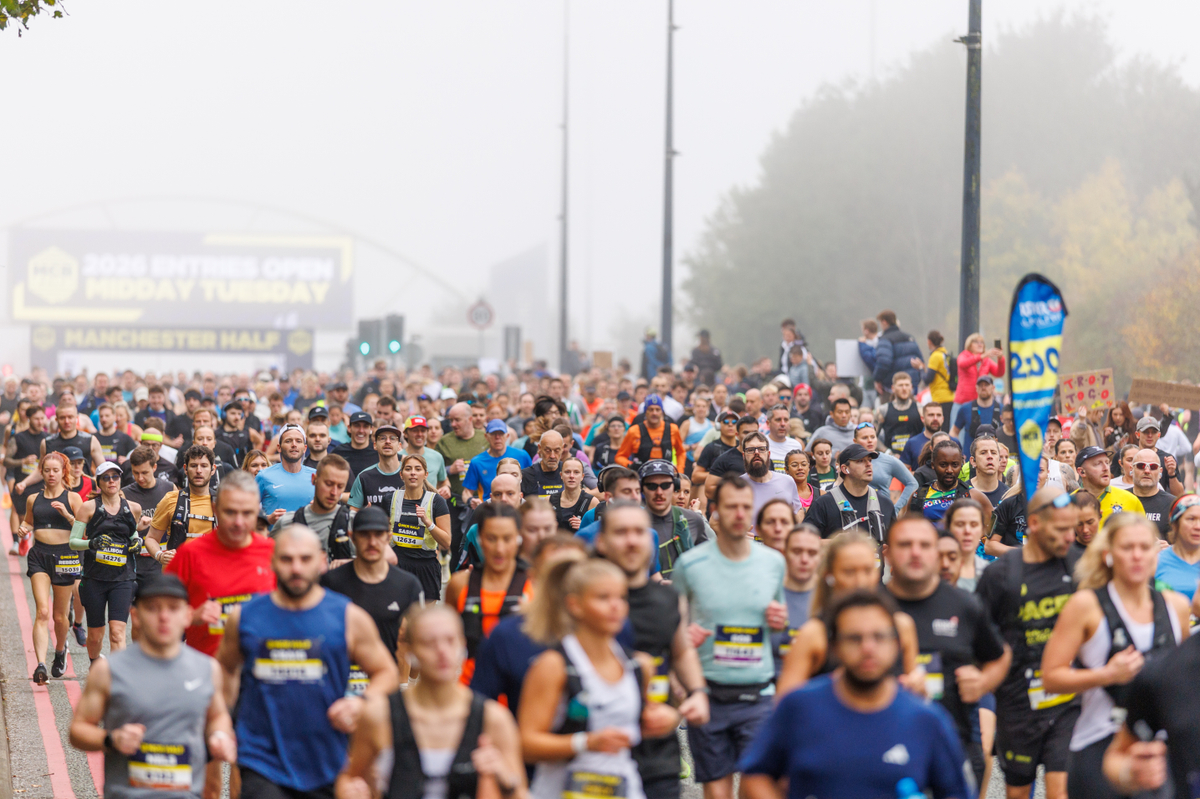
A travel warning has been issued ahead of the Manchester Half Marathon this weekend, with tens of thousands of runners and spectators expected to arrive in the city.
People are being urged to plan their journeys ahead of time, with significant road closures in place from the city centre as far out as Sale.
Road closures – and subsequent bus diversions – will also affect parts of Stretford, Chorlton, Trafford, and surrounding areas.
Around 32,000 people are expected to take part in the Manchester Half Marathon this Sunday, with thousands more coming out to cheer the runners on.
Transport for Greater Manchester is advising people that the Bee Network trams will be the best way to get around over the weekend.
Extra trams will be operating to provide as much capacity as possible.
Road closures and bus diversions will start on Saturday 3 October and continue until the actual race day on Sunday 4 October, lifting fully by 8.30pm.
Tens of thousands of runners and spectators will descend on Manchester for the half marathon
Earlier this year, the Manchester Marathon led to a record-breaking day for Metrolink trams, with the highest number of passengers ever recorded on a single day in the network’s history.
Whether running or cheering, people are advised to use the Bee Network app to plan their journeys and are strongly encouraged not to drive within the affected areas.
Steve Gilholme, Head of Events at Transport for Greater Manchester, said: “The Manchester Half Marathon is another one of those special occasions where the people of Greater Manchester and beyond come together, with thousands of people taking on the challenge and raising money for good causes, while many more will line the route to cheer them on.
“This does mean the city centre and especially trams will be incredibly busy so please plan ahead and give yourself extra time to make journeys.
“The Bee Network app and website will be the best places to get the latest travel information and tap and go contactless payments are the quickest and easiest way to pay.”
You can see all the road closures for the Manchester Half Marathon HERE.
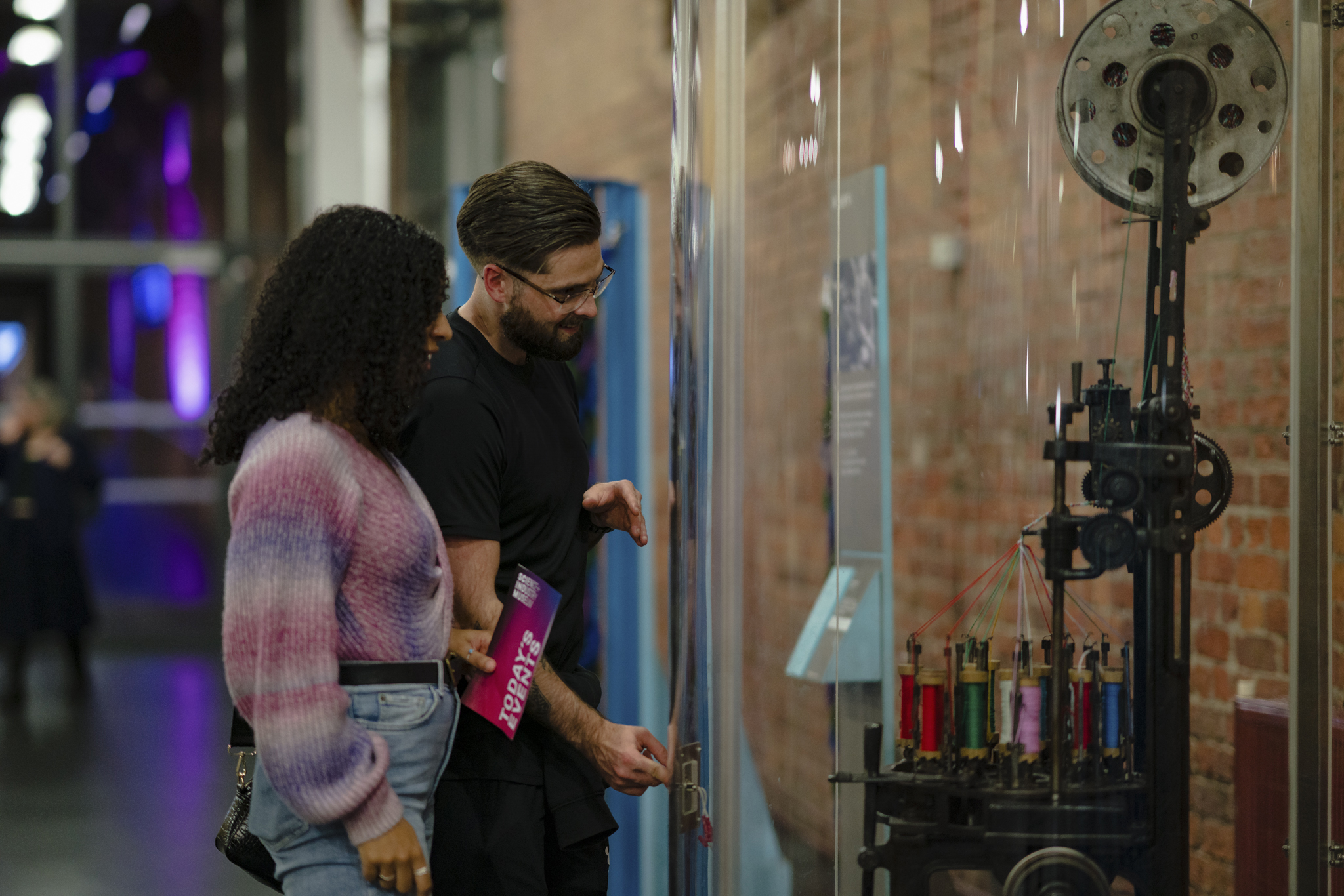
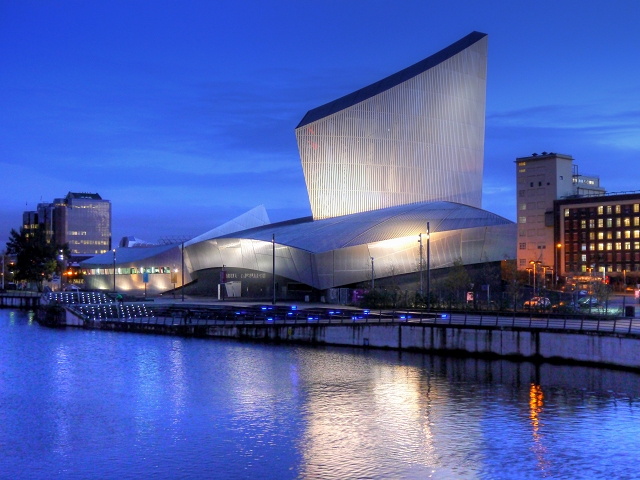
Funded by the Department for Culture, Media and Sport (DCMS), the 14 national museums of the UK are all located in England – including the Imperial War Museum North, and the Science and Industry Museum in our region – and free entry to was first introduced all the way back in 2001, with millions of visitors having benefitted since.
National museums are said to add more than £1 billion a year to the economy, and bring in visitors from all over the world.
In fact, seven of the UK’s 10 most visited museums are national museums, and 7.1 million people visited the Natural History Museum and 6.4 million visited the British Museum in 2025 alone.
The Government has announced that all national museums in the UK will remain free for everyone to visit / Credit: Science Museum Group | Wikimedia Commons
Earlier this year though, the Government committed to working with local leaders and the museum and tourism sectors to explore whether charging overseas visitors could help museums’ finances.
But following this, it’s now believed that charging could deter visitors, and that the impacts and benefits would ‘not be felt equally’ across the sector.
Instead, the free entry will be funded by the £1.5 billion Arts Everywhere Fund – which is providing £760 million for museums – while £600 million of infrastructure funding is supporting national museums and DCMS-sponsored cultural organisations.
The latter funding will be used to address critical maintenance and works to estates, and enable institutions to deliver on their commitments to share collections with visitors from around the world.

 Emily Sergeant -
3rd August 2021
Emily Sergeant -
3rd August 2021