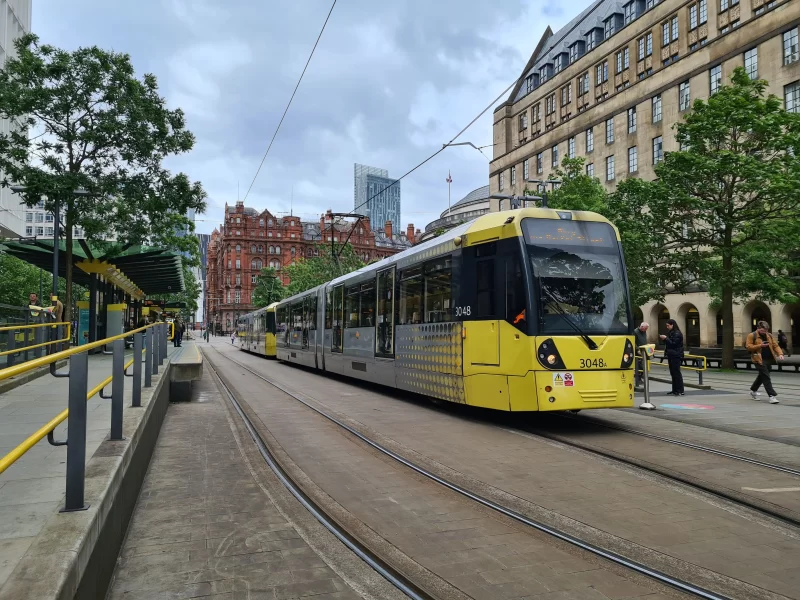
Further disruption is expected as even more bus strikes have been announced across Greater Manchester this autumn.
It comes after the strikes set to place this month from 19 to 22 September were announced a couple of weeks back, and now a second round will take place towards the end of this month and going into early October.
In case this is the first you’re hearing of the upcoming industrial action, 2,000 workers who are employed by Stagecoach, Metroline Manchester, and First Bus Rochdale – all of which are firms among those that make up the bus part of the Bee Network – are due to walk out in a co-ordinated strike amid an ongoing pay dispute.
Unite the Union says all the firms are ‘highly profitable’ and it’s therefore ‘disappointing’ that workers are being denied a fair wage.
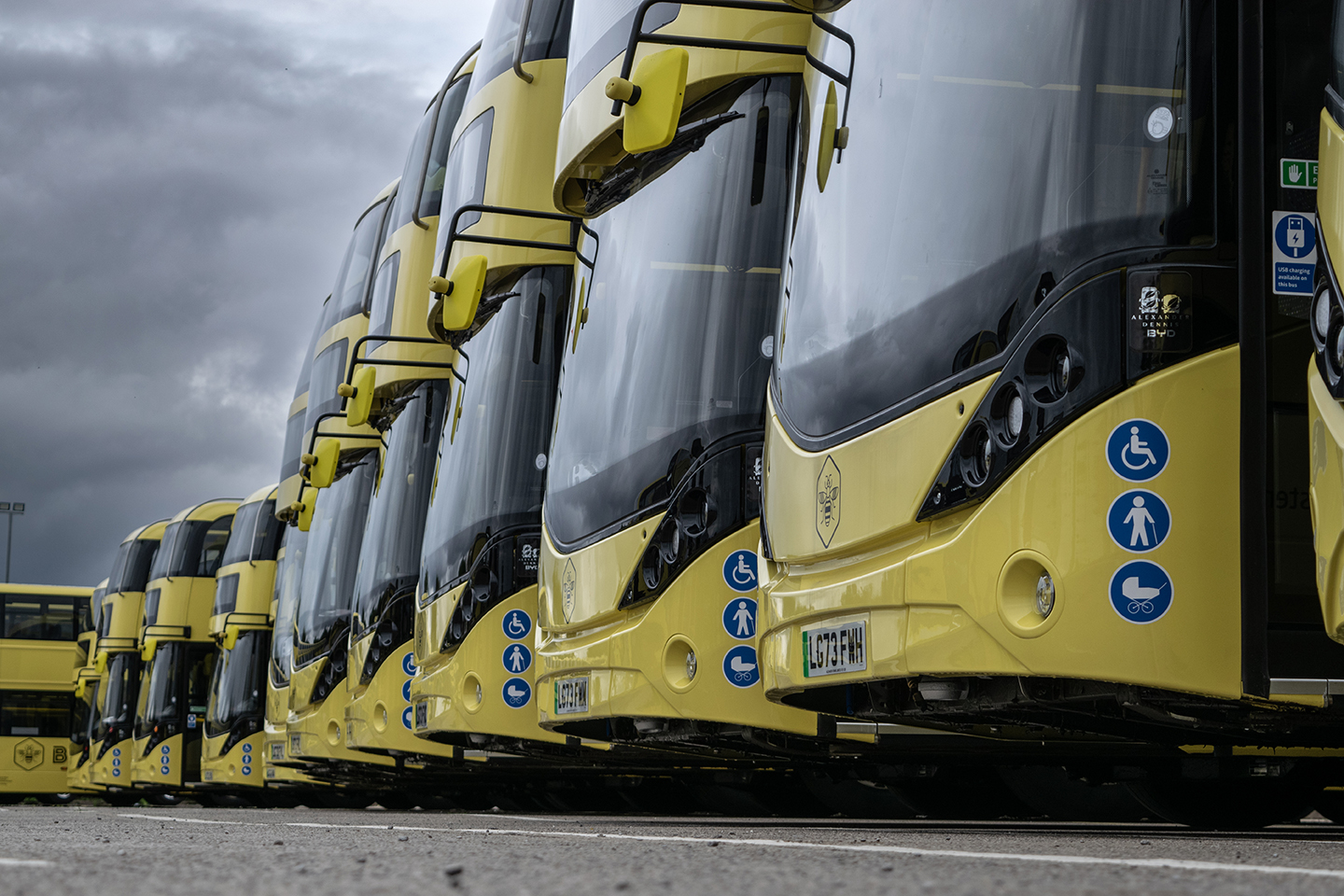
More strikes have been announced on the Bee Network this month / Credit: TfGM
At Stagecoach, around 1,000 drivers based across the Oldham, Stockport, and Middleton depots have rejected a pay offer of 3.5%, and 1,000 Metroline Manchester members will also do the same after turning down an ‘unsatisfactory’ below-inflation pay offer.
ADVERTISEMENT
Workers at both Metroline and Stagecoach believe the offer doesn’t address years of low pay they’ve recieved, especially given the ongoing cost of living crisis.
Then, over at First Bus Rochdale, 110 members have rejected this year’s pay offer of 6%, as they feel this does not go far enough to address the fact they’ve had years of being paid less than their counterparts at other companies, and are still the lowest paid in the region.
ADVERTISEMENT
Stagecoach, Metroline, and First Bus Rochdale, part of First Group PLC, are all firms which have seen a rise in profits in recent years.
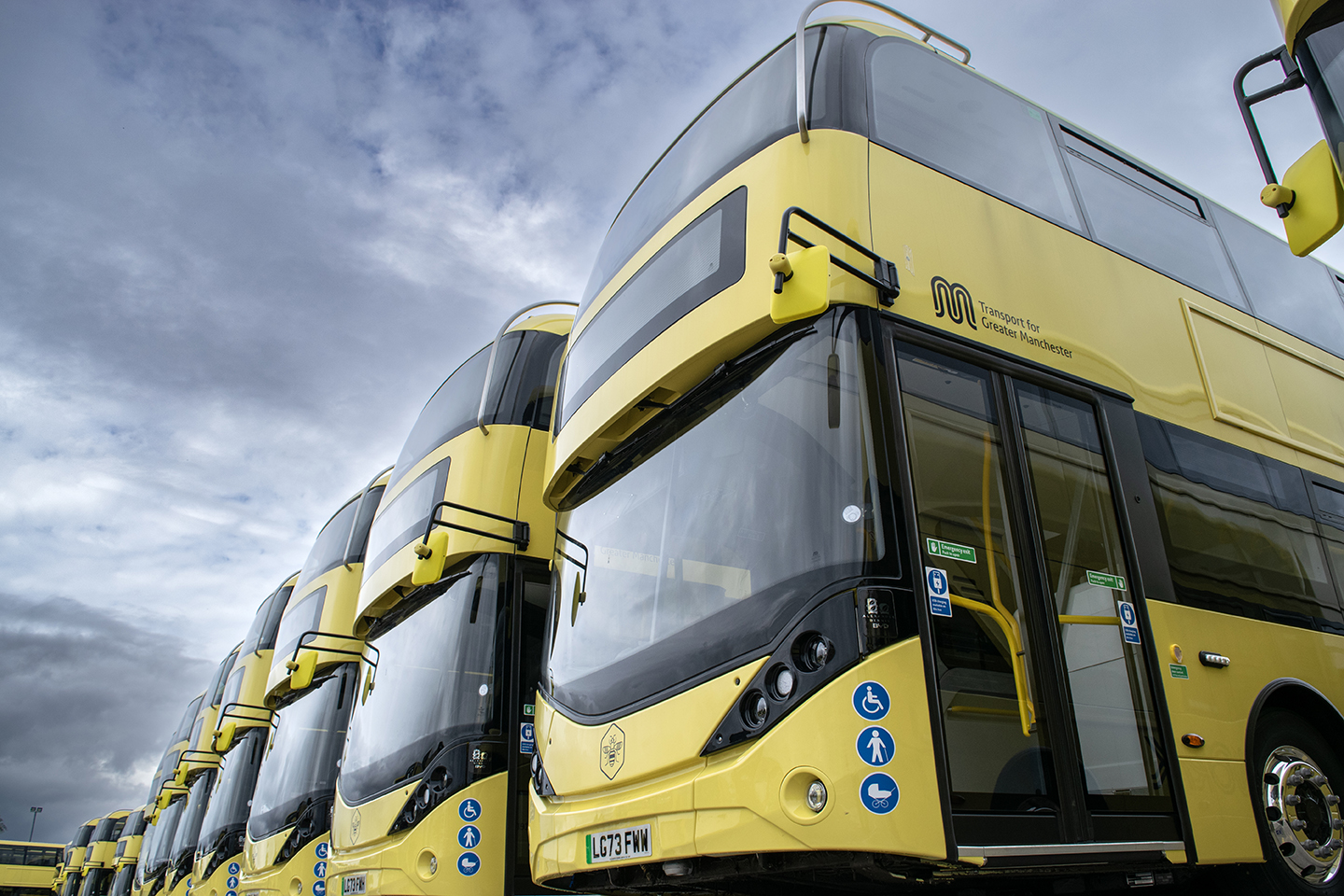
2,000 drivers are set to stage strike action over two different periods / Credit: TfGM
The second round of strikes will now take place from from 30 September to 2 October.
Speaking ahead of both sets of upcoming strikes, Unite General Secretary, Sharon Graham, said: “These companies are very profitable but are putting greed over their hardworking members of staff.
ADVERTISEMENT
“Further strike action will be extremely disruptive, however this is a dispute entirely of the bus companies’ making and they could solve it easily by coming back with a better deal.
“Our members involved in the dispute have Unite’s complete support.”
Unite Regional Officer, Colin Hayden, added: “The strikes this week as well as the further action we have called will cause travel chaos in Greater Manchester. However, it is entirely the fault of the employers involved, who have failed to address the issue of low pay and reward their staff accordingly.
“Unite is not afraid to escalate to more strikes, which will only intensify going forward.
“It is time for the employers to make an offer that is acceptable to our members to resolve this disruption.”
Featured Image – TfGM
News
Delays on M60 continue after man dies falling from bridge near Trafford Centre
Daisy Jackson
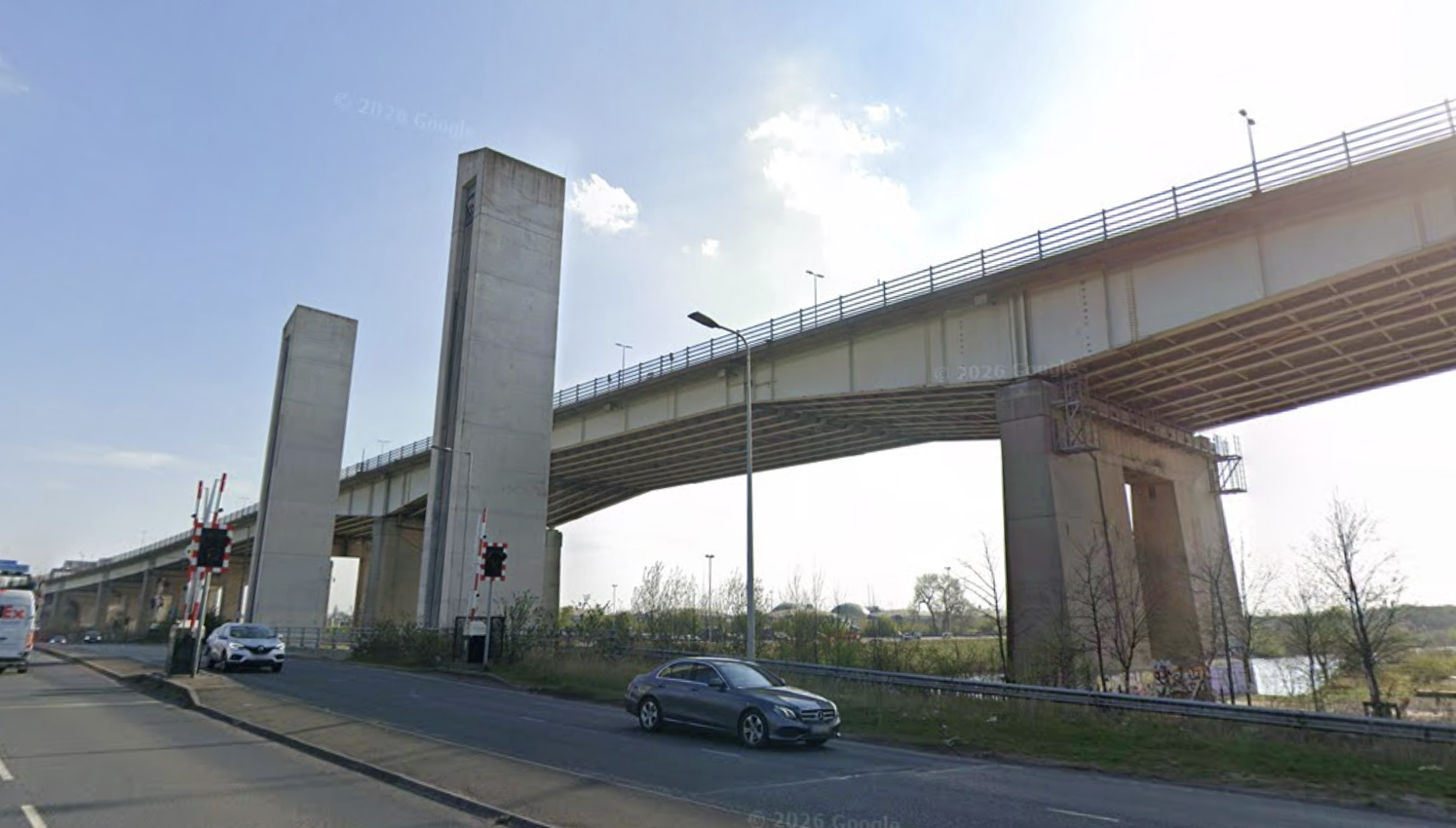
A man has tragically died after falling from a bridge on the M60, near the Trafford Centre.
Police closed the motorway in both directions at around 10am this morning as they responded to the concern for welfare.
The man was on Barton Bridge on the M60, but tragically fell and passed away at the scene.
The motorway was shut anti-clockwise between junction 12 for the M602 and junction 10, and on the clockwise carriageway between junction 9 and 11, with a huge diversion in place.
Although the motorway has reopened as the afternoon has worn on, disruption is ‘likely’ to continue for several hours yet.
National Highways is reporting up to two miles of congestion on the M60 around Barton Bridge.
In a statement released earlier today, a GMP spokesperson said: “Officers are currently responding to a concern for welfare on Barton Bridge on the M60, reported at around 9:40am today (Tuesday 31 March).
“The M60 remains closed in both directions while emergency services are in attendance. Significant delays are expected and drivers are advised to avoid the area where possible.”
GMP later added: “Earlier today, officers responded to a concern for welfare on Barton Bridge on the M60. The man sadly fell from the bridge and passed away at the scene.
“The road remains closed while enquiries continue. Please avoid the area and plan alternative routes where possible as disruption is likely to continue for the rest of the day.”
Molly-Mae Hague and adidas drop new collection inspired by matcha and iced lattes
Daisy Jackson
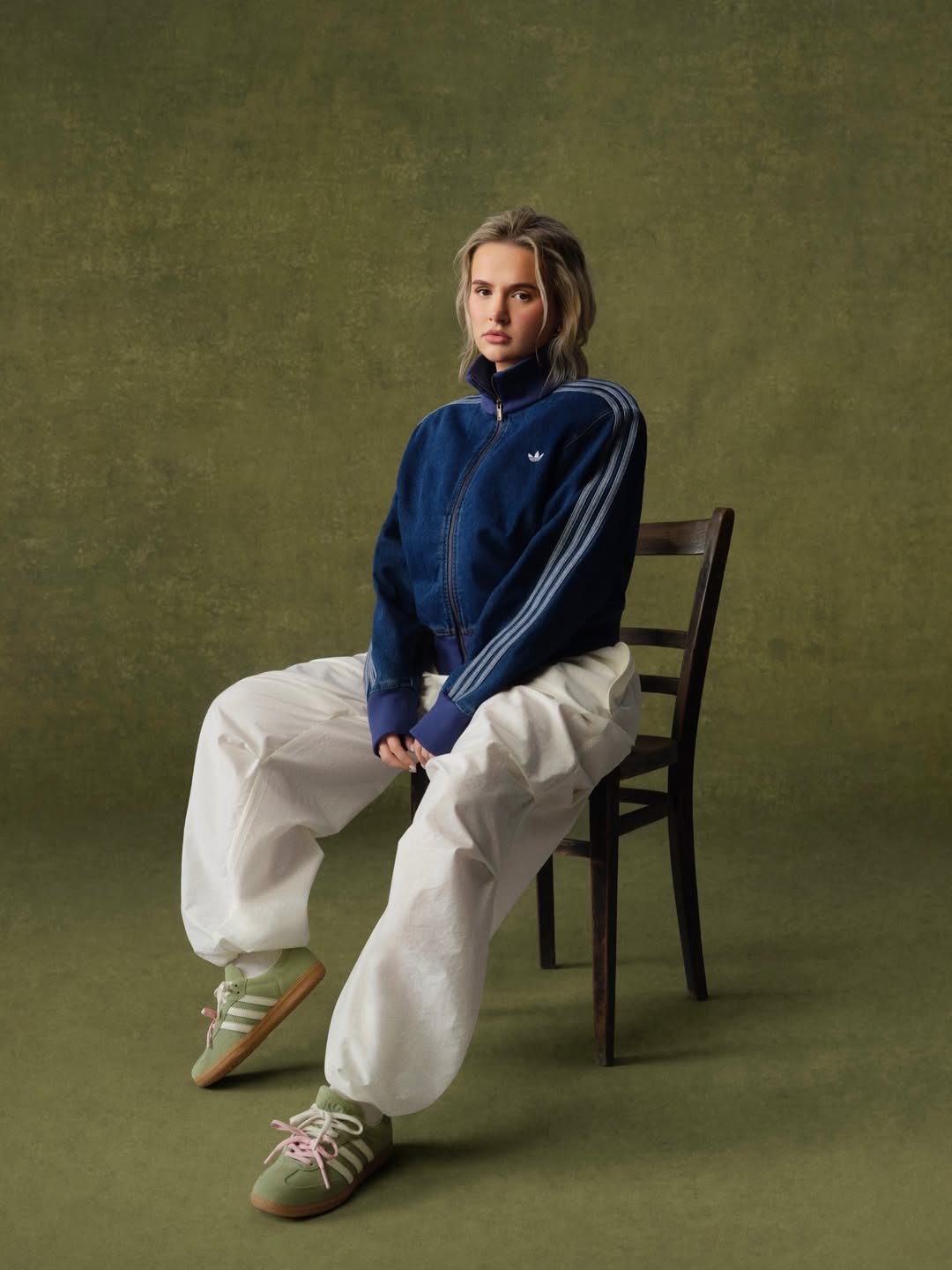
Today, adidas has finally released its hotly-anticipated parnership with Manchester-based influencer Molly-Mae Hague.
The social media superstar has collaborated with the sportswear giant for a limited-edition footwear collection inspired by matchas and iced lattes.
Molly-Mae and adidas Originals have just given fans a look at the shoes for the first time.
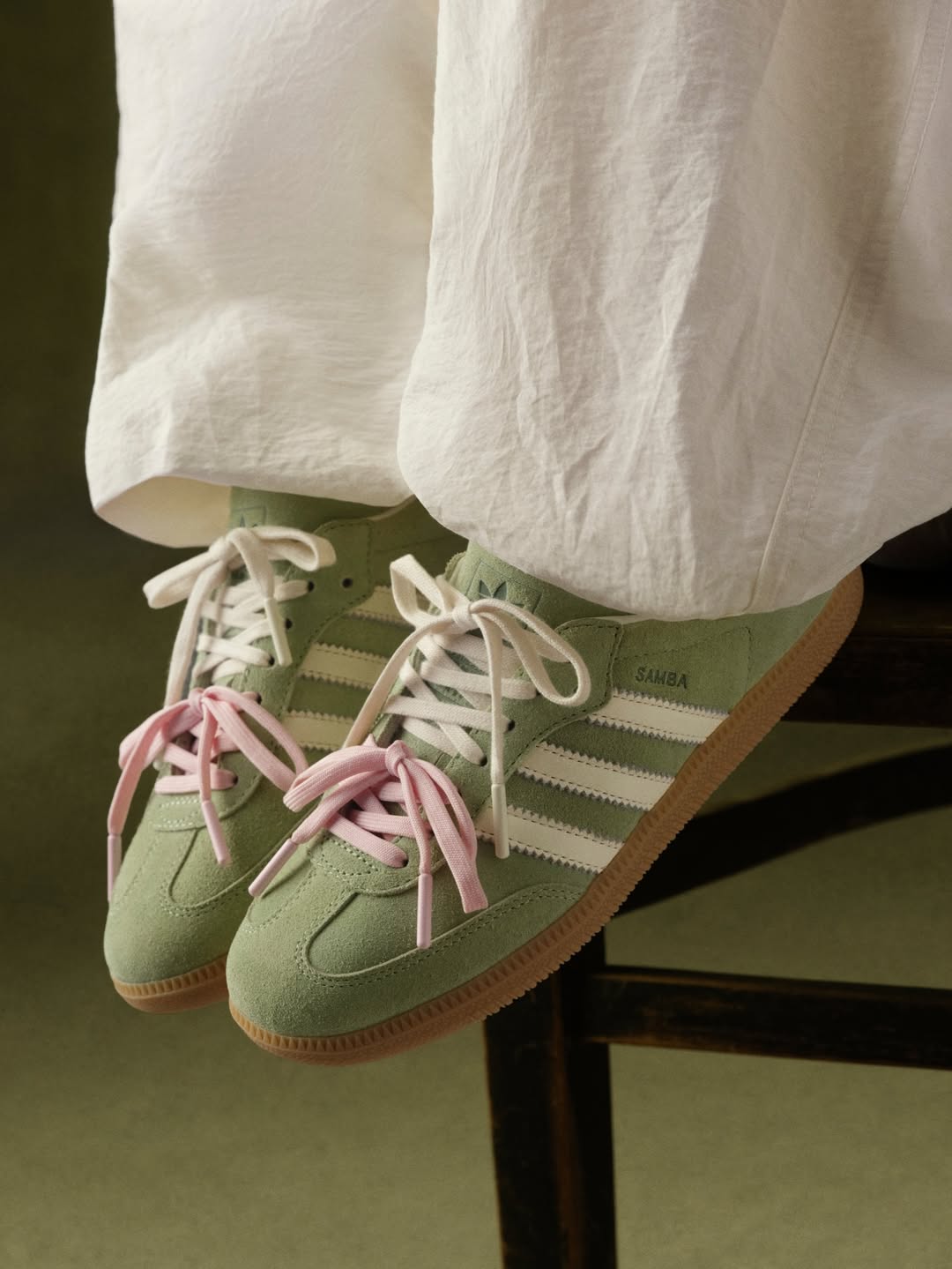
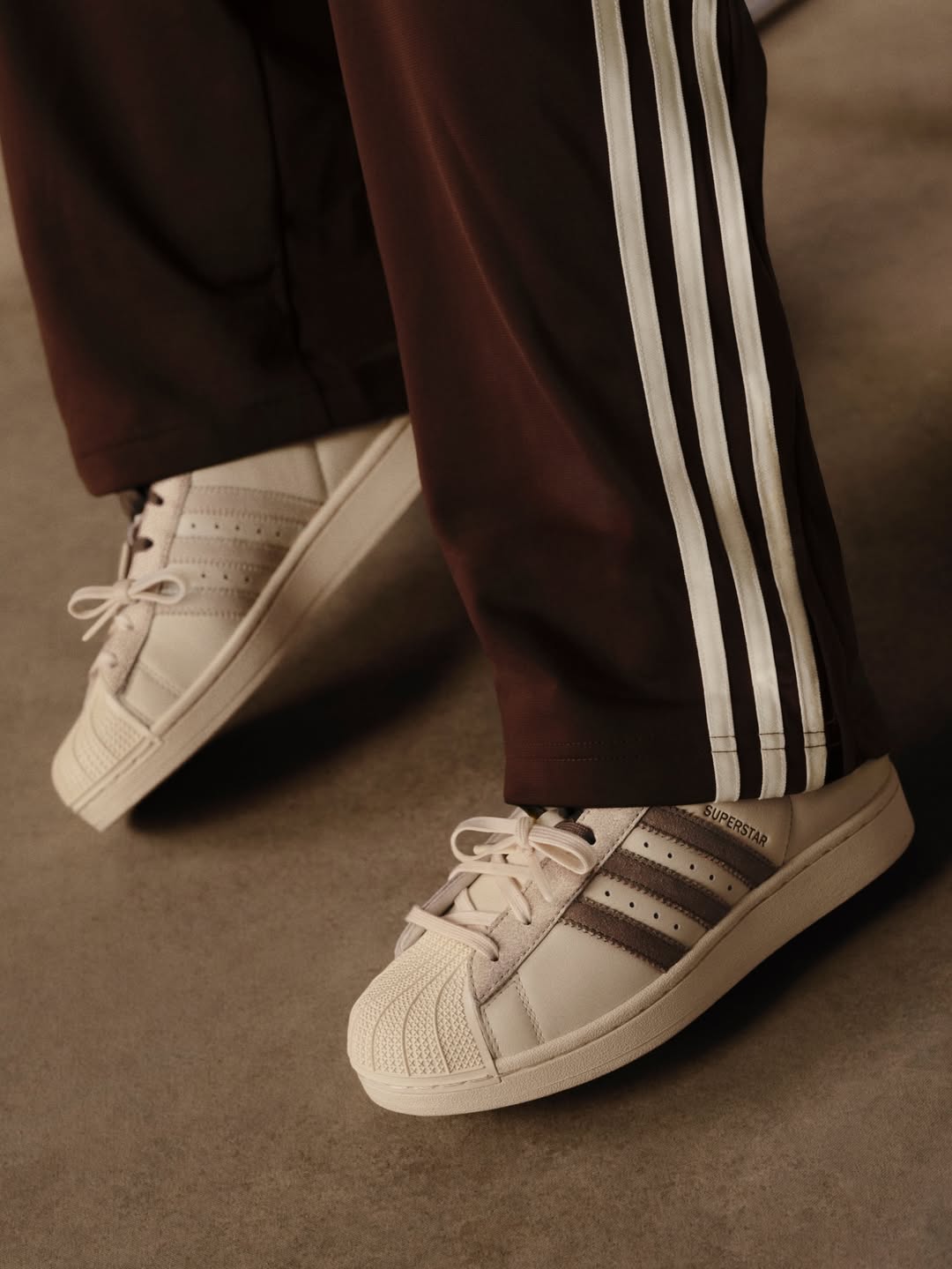
The star has curated a limited-edition collection of iconic Originals silhouettes – a Samba and a Superstar.
The first is the Samba Matcha shoes, a premium leather and suede shoe in a soft green colour, with double pink and white laces.
The other is a Superstar II Latte, which again features double laces in coffee-coloured hues, but in the iconic leather Superstar silhouette.
In behind-the-scenes footage of the design process on Molly-Mae’s Amazon Prime documentary series, Behind It All, she described them as ‘matcha cool girl in London’ shoes – and the vision has definitely come to life.
Molly-Mae said: “Seeing my creative vision come to life on two iconic adidas Originals silhouettes that have long been staples in my wardrobe is a true dream.
“Being so closely involved in the design process and creating products that feel fun, timeless, and an authentic extension of my own personal style has been the best experience.
“I am so excited to see how others style them in their own way.”
Steve Marks, VP Brand adidas UK commented: “At adidas, we partner with individuals who define style through authenticity and a deep-rooted connection to our brand.
“Molly-Mae’s relationship with adidas Originals has developed organically over time as a key advocate of the brand and this partnership represents a natural evolution – bringing her signature aesthetic to two of our most iconic silhouettes.”
The limited-edition adidas Originals x Molly-Mae collection drops in stores and online on 9 April, priced at £100 per pair.

 Emily Sergeant -
18th September 2025
Emily Sergeant -
18th September 2025