The secret to going viral is a bit of good fortune. At least, that’s what many believe.
But when you look at Shrine, a company that continues to return to the trending section again and again, you start to think there might be a knack to going viral after all.
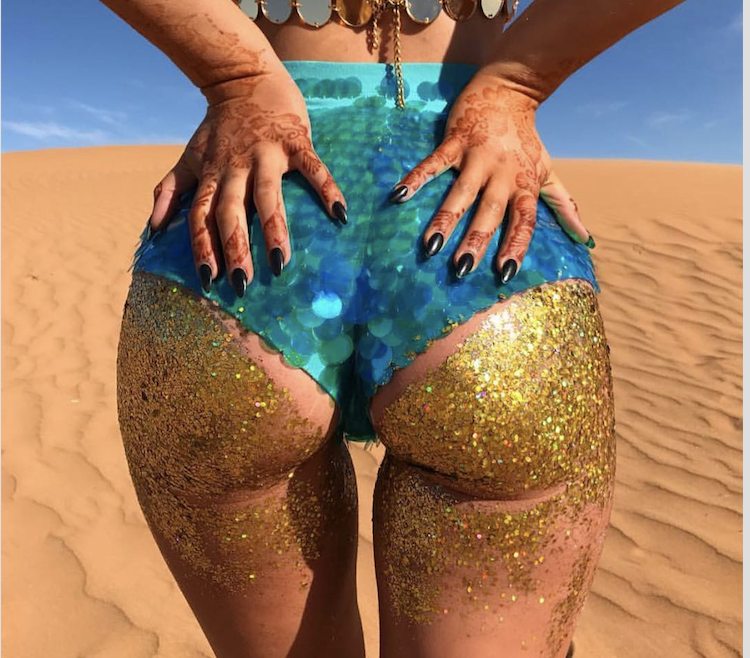
This Manchester cosmetic business blew up right at the beginning for launching the now-famous glitter boob and bum trend; went viral again when they shared their success story; and even managed to make headlines when the world went into lockdown for at-home hair dying products.
“We’ve always tried to be trendsetters,” Shrine’s Niamh Gillan tells The Manc.
“For us, it’s about being disruptive. We try to be original – and we communicate that across social media.
ADVERTISEMENT
“It’s what makes us different.”
Shrine is like the anti-corporation. Almost everything they do goes against the traditional business bible; and it’s worked a dream.
ADVERTISEMENT
Set up just a few miles outside of Manchester city centre near the Etihad, the Shrine team is 11-strong – all female, and all below the age of 28.
Each member of staff essentially runs their own little department, with key messages and updates communicated not via letters or emails – but through Instagram Live and TikTok.
Today, more than half a million loyal followers are sharing Shrine style ideas, ordering products and signing up for masterclasses.
ADVERTISEMENT
Even in this complicated climate, the company is generating millions.
“Everyone really gets along, it’s like a family here,” Niamh beams.
“We love working here, we love the products and the people we work with.
“We want people to know that.”
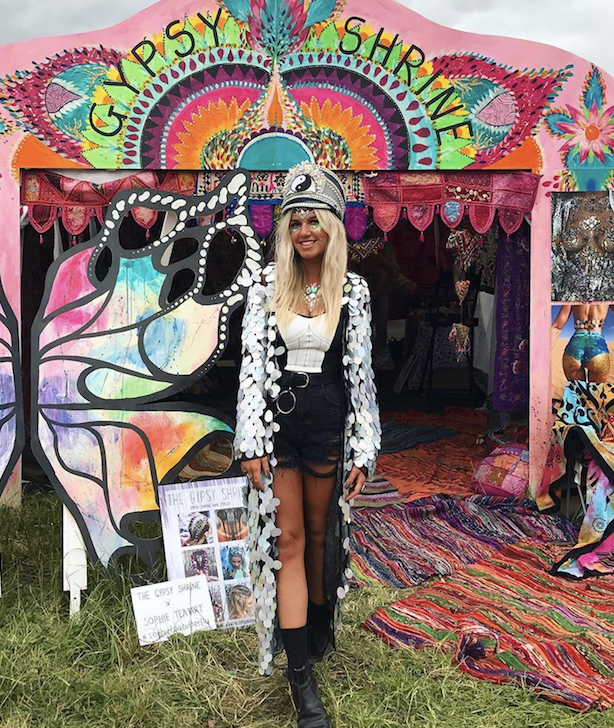
Back in 2016, MMU student Jenna Meek decided to invest her life savings on a business idea – setting up what was then known as ‘The Gypsy Shrine’ from her bedroom.
ADVERTISEMENT
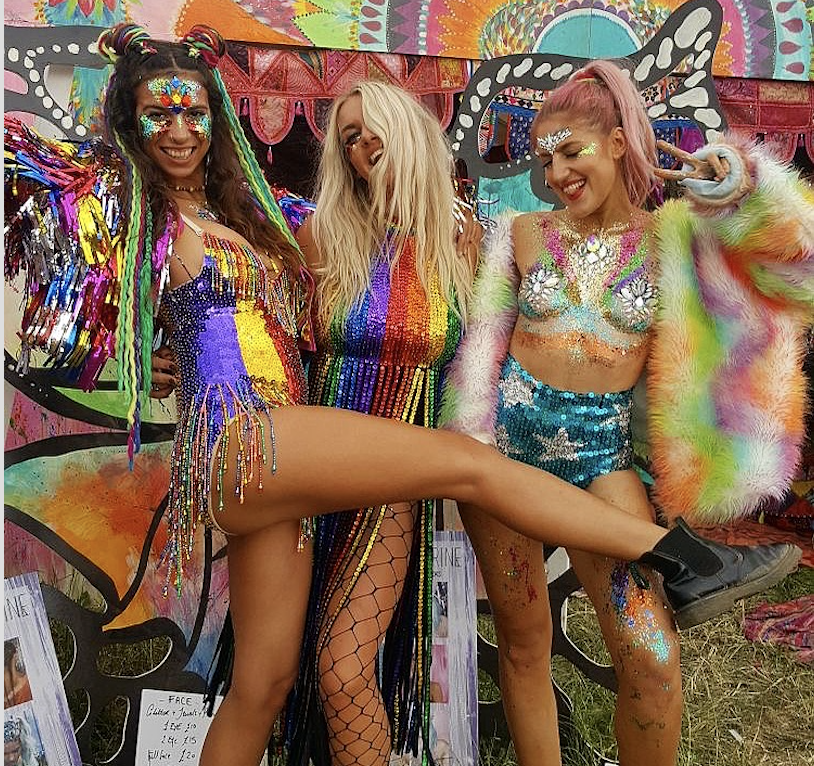
She chose glitter and stick-on jewels as fashion statements, and these images struck a chord with students before being picked up by The Daily Mail and The Sun.
That summer, you couldn’t go to any live music event without seeing someone sporting the glitter boob trend. It was suddenly a fixture of festival fashion; like sunglasses, hats or hair dye.
Pre-festival popup stores in the likes of London and Los Angeles attracted enormous crowds – and within a matter of months the brand was collaborating with film studios and music giants.
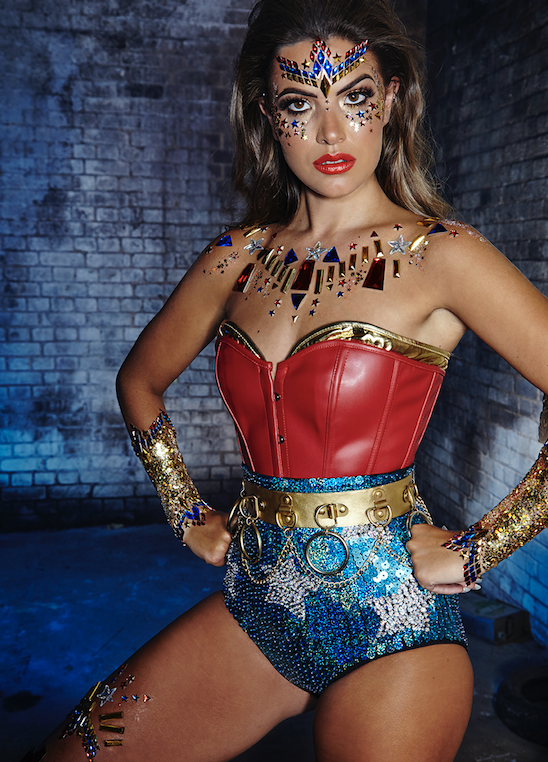
World-renowned studio Warner Brothers selected The Gypsy Shrine to host a stand in support of their Wonderwoman film; recognising the brand’s focus on female empowerment.
Another collaboration for a Halloween and social collection followed, before the brand teamed up with festival Coachella to throw a Palm Springs party in 2018.
ADVERTISEMENT
Within two years of setting up, The Gyspy Shrine was synonymous with festival dress.
But the brand had ideas that went beyond fashion for wild weekends.
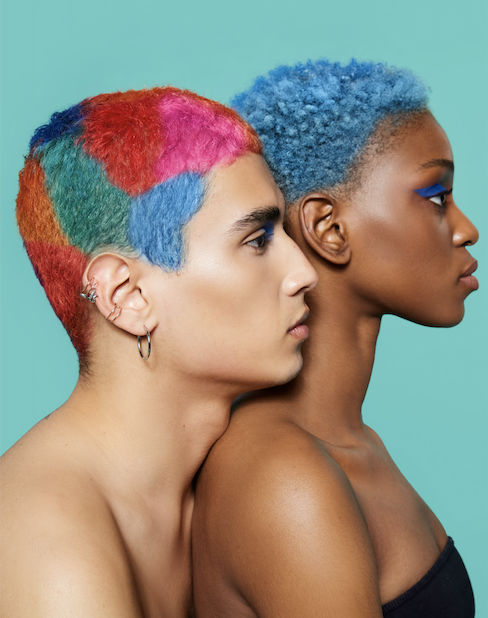
Dropping a couple of words from their moniker, Shrine began to broaden its offering to focus on more areas of lifestyle – moving into creative cosmetics and hair care.
It was good timing. The festival scene has temporarily collapsed due to COVID-19, but even when quarantine began, Shrine was as in-demand as ever.
“Over the past few months, there’s been lots of people ordering our at-home hair dye,” Niamh explains.
ADVERTISEMENT
“We launched it in February and it took off as we went into lockdown.
“From there, demand went up as people couldn’t go to hairdressers.
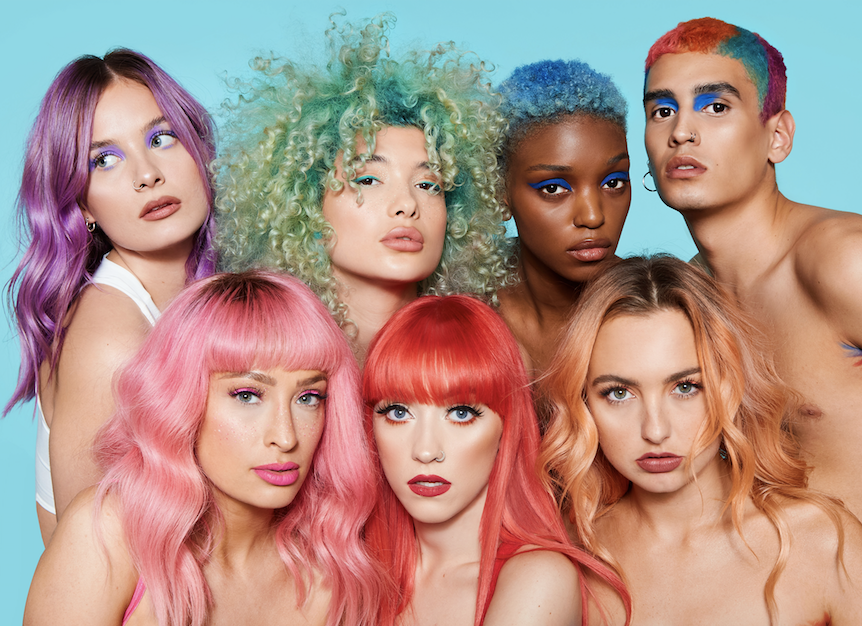
“We’re getting lots of inquiries about our hair dye dropping – it’s where you can drop the pigment into conditioner and use that to cover your hair.
“It’s semi-permanent and you can create your own shape.”
Founder Jenna still features heavily on Shrine’s social channels – hosting Q&As about particular products and even taking part in Instagram Live sessions with hair salons.
ADVERTISEMENT
The brand audience is bigger than ever before. And there’s plans in the pipeline to reach this ever-growing base of fans.
Shrine has dipped its toe in international waters before, but now it’s preparing to take the plunge and dive head first into the American market.
“We’re looking to launch in the US – that’s all in the works right now,” Niamh explains.
“We’re hoping to grow into being a key brand over there. That’s the plan for the next year – but the big aim is worldwide.
“Hopefully, we can keep this going and start to trade with retailers all over the globe.”
ADVERTISEMENT
Thousands of brands out there are still attempting to go viral. For many, it’ll be a case of good fortune.
But with Shrine, it just feels like a matter of time before that name starts trending again.
“We know our audience and they know us,” Niamh says.
Building this kind of special relationship is a rare thing. But Shrine has done it. And it sounds like there’s much more to come.
See what Shrine is offering right now by visiting the official website.
GMP officer sentenced after hitting pedestrian during police chase in Rochdale
Emily Sergeant
A police officer has been sentenced this week after he struck and ‘seriously injured’ a pedestrian following a pursuit of a suspected drink driver in Rochdale.
35-year-old Greater Manchester Police (GMP) officer PC Sam Lockley pleaded guilty back in January 2026 following an Independent Office for Police Conduct (IOPC) investigation.
The IOPC investigation established that, in the early hours of the morning on 19 November 2023, PC Lockley was driving a marked police vehicle with the lights and sirens activated, and attempted to stop a suspected drunk driver on Drake Street in Rochdale.
A short pursuit that commenced but stopped merely a minute later after the police vehicle collided with a pedestrian on the footpath of Rochdale Road at approximately 3:30am.
The evidence gathered indicated that PC Lockley failed to slow down as he approached and drove through the red traffic lights at the Kingsway junction, and was travelling at a speed of 96mph in a 30mph zone.
The pedestrian suffered ‘serious injuries’ as a result of the collision, and received extensive medical treatment following.
At a hearing back in February of this year, PC Lockley received a two-year suspended sentence and was ordered to carry out 15 days community service, while also receiving two-year driving disqualification.
Also following the investigation, the IOPC decided that Lockley should face a gross misconduct hearing to face allegations that his manner of driving breached the police standards of professional behaviour.
“We continue to liaise with the force about disciplinary proceedings,” the IOPC concluded.
IOPC Director Amanda Rowe added: “My sympathies remain with the man, who sustained serious injuries, and all those affected by the incident.
“This was a complex investigation which relied on extensive amounts of data and expert analysis and the evidence showed PC Lockley drove at excessive speeds at night-time and although he was responding to a report of a suspected drink driver, it does not excuse his manner of driving.
“PC Lockley admitted he drove in a dangerous manner when he didn’t address hazards or warnings during the pursuit and ultimately by the time he saw the pedestrian, he was travelling too fast to avoid a collision.
“His actions that day have had long-lasting consequences and he has now been held accountable.”
Featured Image – Rawpixel
News
Manchester Town Hall is FINALLY taking wedding and events bookings for the first time since 2018
Emily Sergeant
A new era is on the horizon, as Manchester Town Hall has announced that it’ll be finally taking bookings for weddings and events once again.
That’s right… for the first time since it closed its doors to the public for what is the UK’s biggest restoration project to date back in 2018, one of Manchester’s most iconic landmarks is soon set to welcome its first weddings and events in a decade – with bookings for the city’s most romantic address now open once again.
Manchester Town Hall has stood at the centre of civic life in the city since 1877, and for generations, couples have exchanged their vows within its walls.
Now, as it enters the home stretch of its restoration, the Grade I-listed building is gearing up to kickstart weddings and corporate events from January 2028.
Set reopen to the public next year, first up will be a series of celebratory reopening events – which are yet to be announced – before a phased approach will then allow the building and teams to be fully prepared to host commercial events again from 2028.
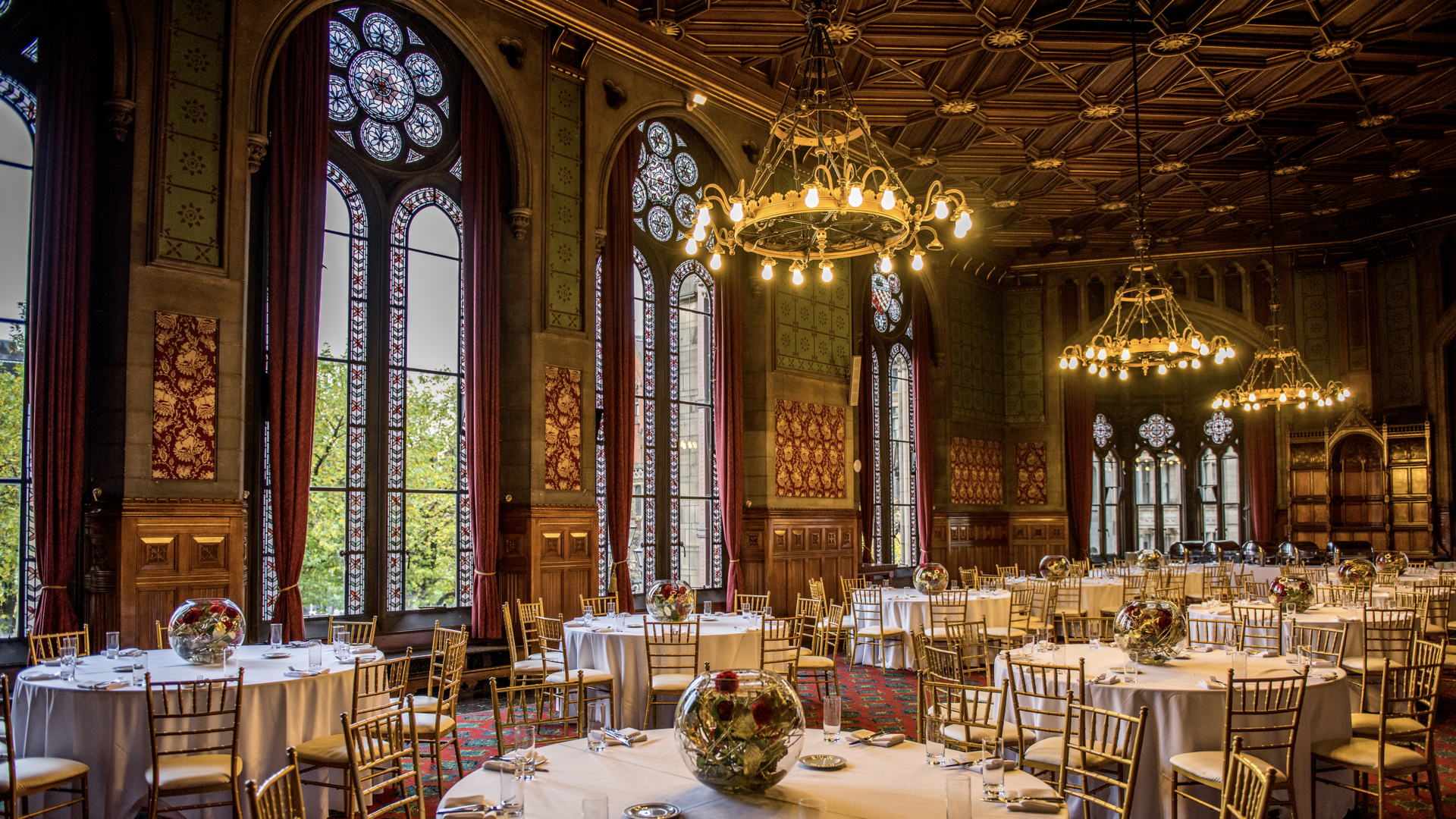
Manchester Town Hall has announced that it’s finally taking wedding and events bookings for the first time since 2018 / Credit: Supplied
From its grand architecture and soaring stained glass windows, to sweeping staircases that offer the perfect ‘just married’ photo opportunities, this one-of-a-kind venue gives couples the opportunity to combine the romance and grandeur of a historic setting with the energy of a city centre celebration.
Inside the restored building, you’ll find The Great Hall, which is a magnificent setting with striking architectural character, as well as The Conference Hall, The Banqueting Hall, and The Reception Room, all of which offer equally characterful spaces that are perfect for private dinners, ceremonies, or corporate events.
The Lord Mayor’s Parlour is one of many settings overlooking the newly reopened Albert Square, while various elegant reception areas provide the perfect location for drinks and arrival moments.
“Our Town Hall is a real Victorian masterpiece and we’re looking forward to sharing it with the public once again,” explained Cllr Garry Bridges, who is Leader of Manchester City Council, as bookings finally open up this week.
“It’s a special building which belongs to the people and it’s great that they will be able to celebrate important landmarks in their lives, such as marriage, in its spectacular setting.
“The Town Hall is full of history. Here’s to many more stories being written within its walls.”
Want to be one of the first people who gets married or hosts an event at Manchester Town Hall once it reopens in 2028? You can enquire about booking here.

 The Manc -
13th August 2020
The Manc -
13th August 2020