Government grants local councils power to make pavement parking illegal in their region

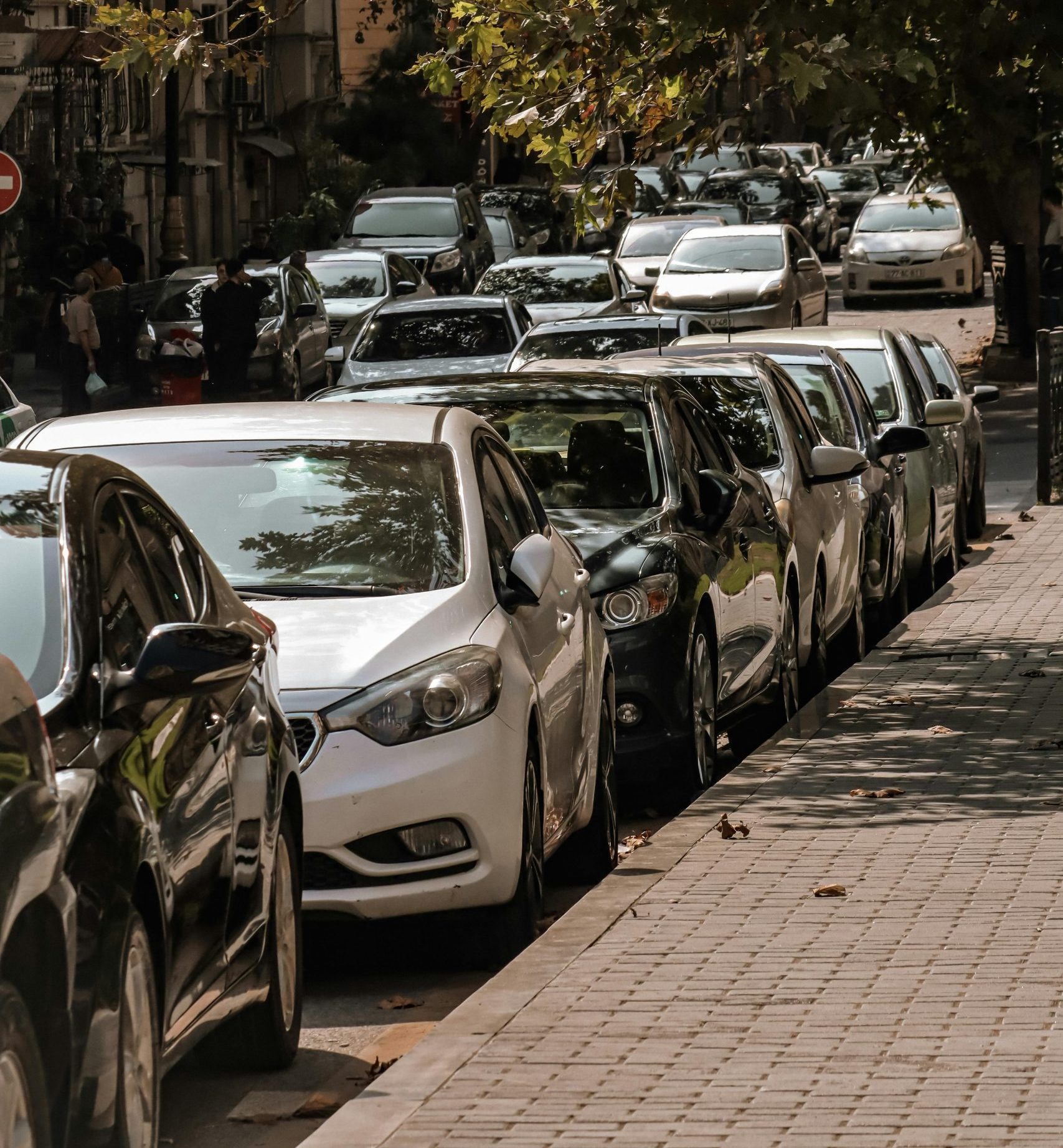
Cars parallel parked / Credit: Sado Lavren (via Pexels)
New powers are being made available to local leaders across England to introduce pavement parking restrictions in their area.
Blocked pavements can create serious barriers for parents with pushchairs, wheelchair users, blind and partially sighted people, and older people, and campaigners say this limits individuals’ independence and makes everyday journeys harder and less safe for them.
So, in a bid to help keep pavements clear and accessible for everyone who uses them, the Government has introduced new local powers.
Following a public consultation – which first took place all the way back in 2020 – the Department for Transport (DfT) has confirmed that local leaders will be given ‘new and improved’ legal powers to make it easier to restrict pavement parking across wider areas, rather than relying on the previous approach where action was often limited to individual streets.


The Government says local leaders ‘know their streets best’ and are therefore best placed to respond to local needs.
Under this new approach, local leaders will be able to decide to take action on pavement parking in their area, while still getting to retain flexibility where they deem pavement parking may still be acceptable.
“Clear pavements are essential for people to move around safely and independently, whether that’s a parent with a pushchair, someone using a wheelchair, or a blind or partially sighted person,” commented Local Transport Minister, Lilian Greenwood.
Blocked pavements can make it harder for parents with pushchairs, wheelchair users and blind or partially sighted people to get around.
— Lilian Greenwood (@LilianGreenwood) January 8, 2026
That’s why we’re giving local authorities stronger powers to tackle pavement parking and keep pavements accessible. https://t.co/PIqkIw1LF2
“That’s why we’re giving local authorities the power to crack down on problem pavement parking, allowing more people to travel easily and safely and get to where they need to go.”
By putting decision-making closer to communities, the Government says this approach supports safer and more inclusive streets that ‘work better for everyone’.
Read more:
- Government opens public consultation into the banning of pavement parking in England
- New ‘B Plates’ introduced so drivers can identify themselves as being bad at parking
- 100 new ‘ultra’ speed cameras have been installed across Greater Manchester
The DfT will set out guidance to help local authorities use these powers in a ‘proportionate’ and ‘locally appropriate’ way later in 2026.
Featured Image – Sado Lavren (via Unsplash)