Government sets out multi-million-pound plan to move UK away from animal testing in science

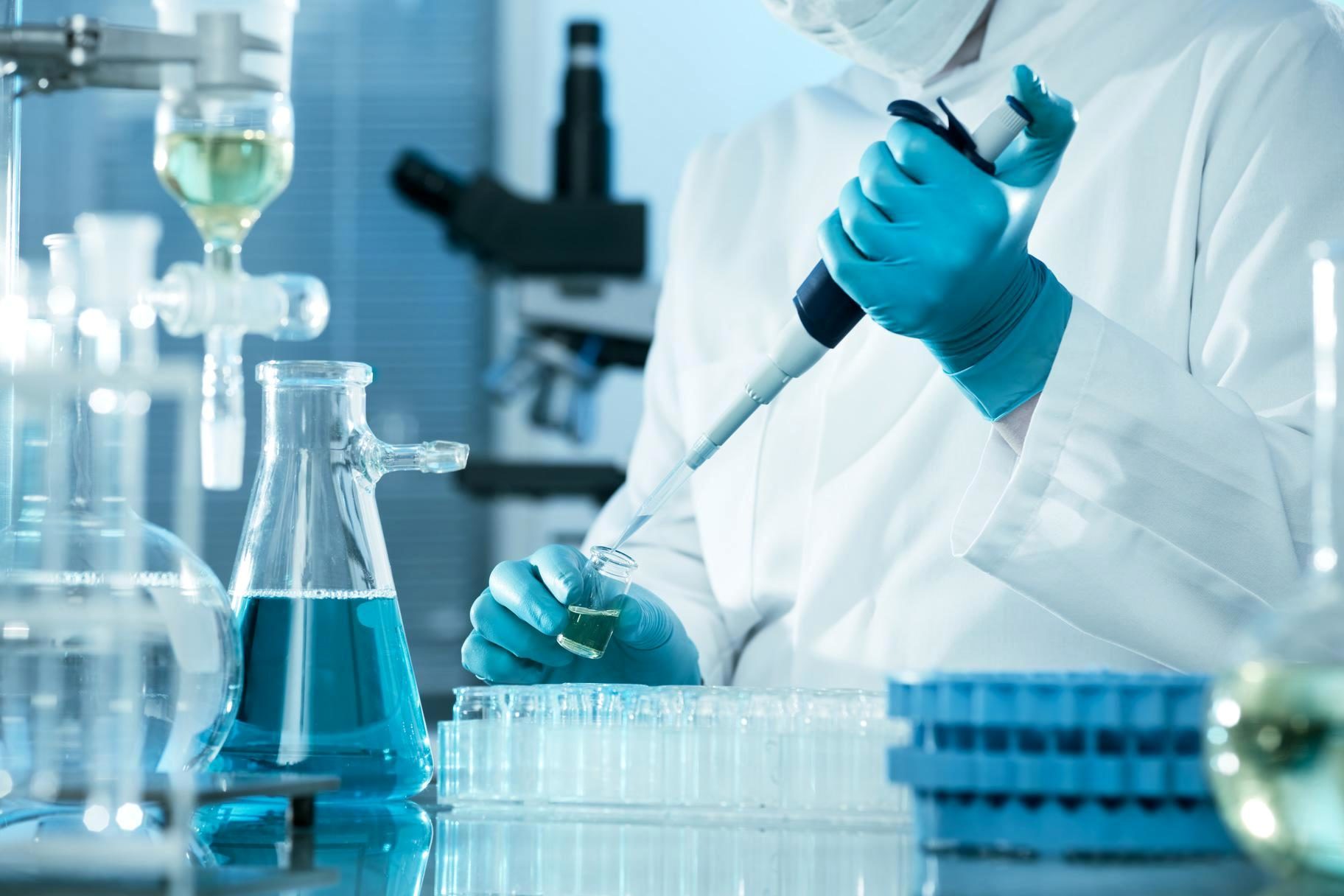
doctor, lab, laboratory, medical, medicine, chemistry, test tube, dna, deney
A £22m push to ramp up the UK’s move away from animal testing in science is set to bring together cutting-edge tech and research.
The latest figures show there were 2.54 million animal testing procedures in Great Britain in 2025, which is down 3.8% on 2024, but with a further update due to be released later this year, the Government is now moving to ‘capitalise’ on that momentum with funding to shift the nation onto alternative testing options.
A dedicated national research hub and nine new high-tech projects are planned to develop ‘better ways’ to test medicines on human biology rather than animals.
According to the Government, this means treatments for conditions like cancer and inflammatory bowel disease (IBD) could be developed ‘faster’ and ‘more precisely’ to not only help patients but crucially also move science away from traditional animal testing.
At the heart of the plans is a new Pre-clinical Translational Models Hub – based in Cambridge and backed by £20 million in Government funding, which will work to build and share models of human tissue, grown from NHS patients, to test new treatments.
The new hub will accelerate the development of testing on ‘organoids’ – tiny, simplified versions of a human gut, tumour or brain, using cells donated by patients.
From beating heart cells in a dish to AI that can predict how drugs move through the body, exciting alternatives to animal testing are transforming medical research.
— Dept. for Business, Innovation, Science and Trade (@biztradegovuk) August 12, 2026
We're investing £22m to help scientists develop the next generation of life-saving treatments. pic.twitter.com/1EWRQvwySa
Because these ‘organoids’ retain crucial features of a patient’s own biology, they will help researchers learn how a real person may respond to a drug and provide additional insights that can complement information that is currently obtained from animals.
Scientists will then be able to use these cutting-edge techniques in their own labs to work out which medicines are worth pursuing.
Overall, it’s hoped that the move will slash the time it takes to get ‘potentially life-changing’ treatments to market.
Alongside the funding for the new Hub, nine cutting-edge projects aimed at identifying new methods of animal-free scientific testing – from beating heart cells in a dish, to lab-grown human ear models, and AI that predicts how medicines move through the body – are being funded.
Sadly, many of these still rely on testing on dogs and monkeys, as it stands.
Read more:
- NHS urgently needs 500,000 men to take part in ‘major’ cancer research programme
- Five-minute ‘super jab’ to treat 15 different types of cancer rolled-out on NHS
- New AI and robot cancer detection pilot launches offering ‘glimpse into future’
“This marks another significant step forward in the UK’s move away from animal testing in science and research,” commented Science Minister Chris McDonald.
“This is all about backing our world-leading researchers and innovators to improve lives, giving them the tools they need to deliver more effective treatments for horrendous diseases like cancer, while also preventing the need for animal testing wherever possible.
“It’s also a boost for our life sciences sector, fuelling opportunities for new investment and new jobs, and ensuring Britain is better off.”
Featured Image – Pixnio