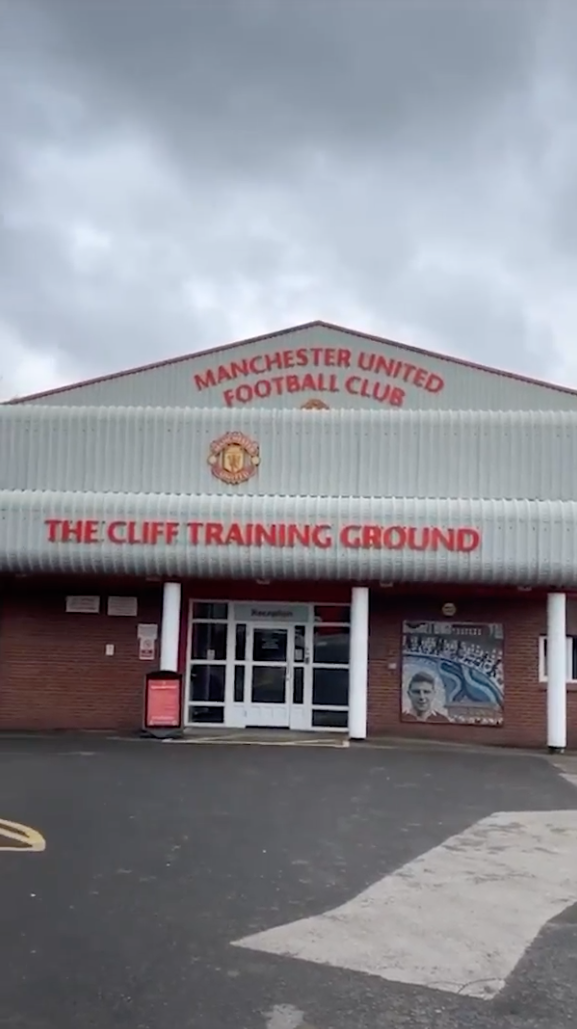
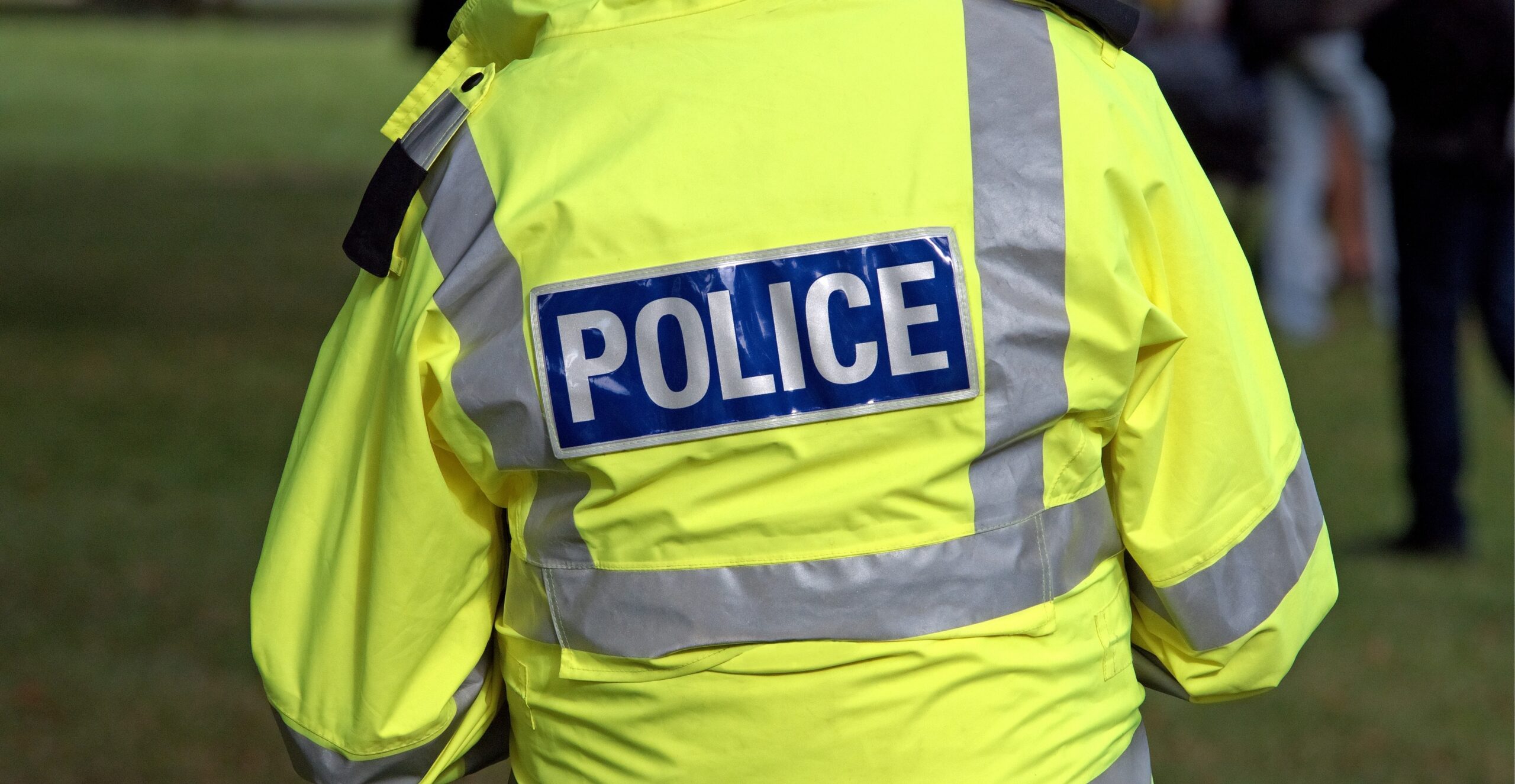
A woodland area in Salford has been closed off after human remains were reportedly found right near Manchester United’s old training ground, The Cliff.
Discovered in the Kersal Wetlands, just yards away from Man United‘s former first team facility where club academy operations and some matches still take place, Greater Manchester Police and forensics officers are now investigating what are said to be human remains left wrapped in plastic.
According to The Telegraph, who first reported the story on Friday, 5 April, the evidence was found around 5:30pm on Thursday afternoon and a murder investigation is now underway after a pathologist confirmed the remains to be that of a human.
Although details are still scarce, having first been reported as an ‘unknown item’ by passers-by, it is now thought that they had been left in the area for anywhere between 24 to 36 hours.
#WATCH | We’re investigating the discovery of human remains found at Kersal Wetlands in #Salford yesterday.
Our priority is establishing who this person is & ensuring that we carry out a diligent and respectful investigation with this person and their family at the heart of it. pic.twitter.com/EZ7IMvoyzQ
— Greater Manchester Police (@gmpolice) April 5, 2024
Local police address the media after human remains are found near The Cliff Training Ground in Salford.
No clear identifying marks were found on the remains and specifics like gender, age and ethnicity of the person have not yet been revealed.
ADVERTISEMENT
A post-mortem is due to be carried out but as no full body has been discovered, authorities will likely be unable to determine a cause of death, however, the nature of what was found means “it would not be possible for the victim to have survived”.
For now, a large police cordon has been put in place around the predominantly wooded surround which covers around 32 hectares just north of Manchester city centre.
ADVERTISEMENT
Detective Superintendent Lewis Hughes from GMP’s Serious Crime Division said in a statement that the area will remain sealed off to the public “for some time, whilst we work to unravel what exactly has happened here.”
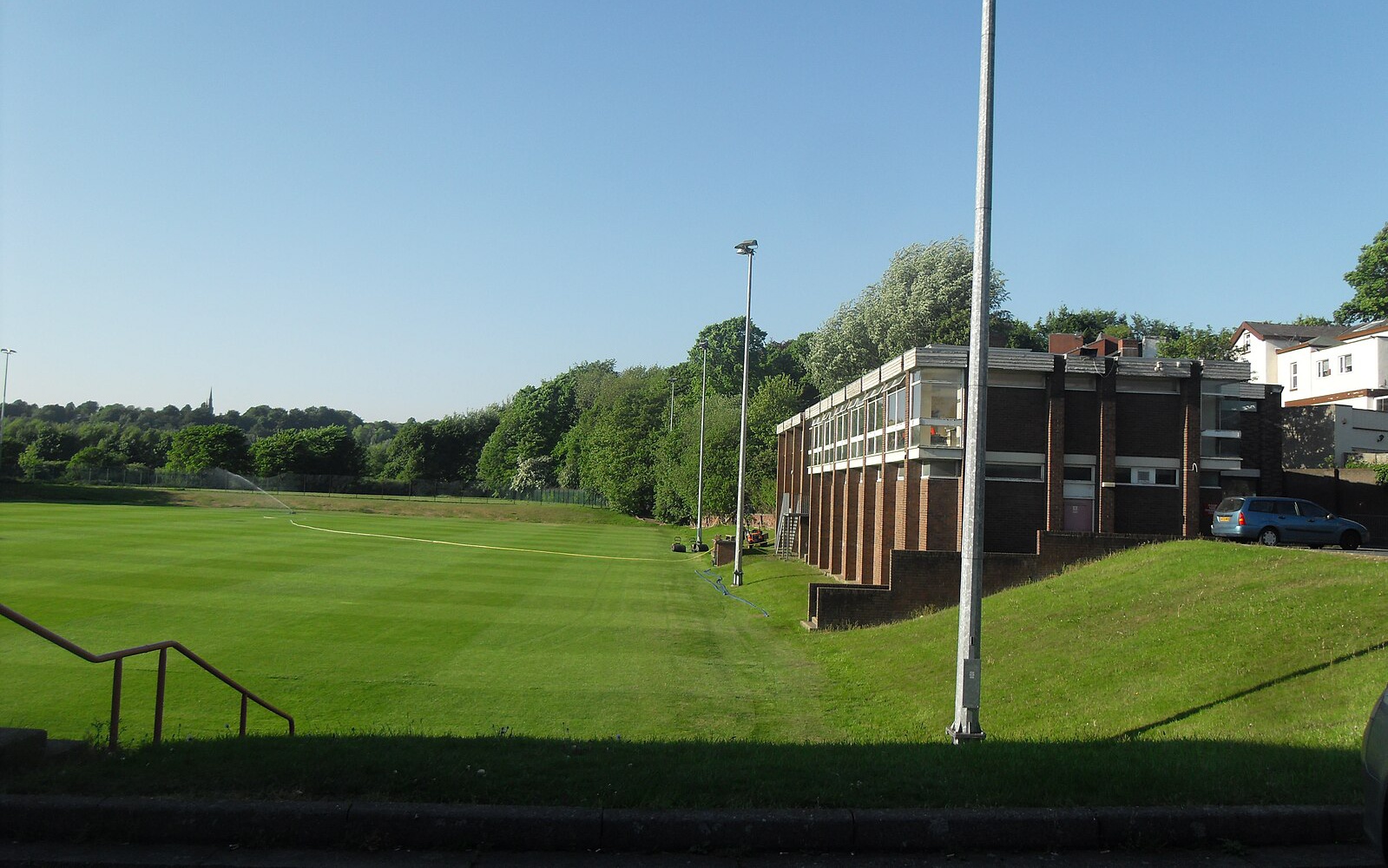
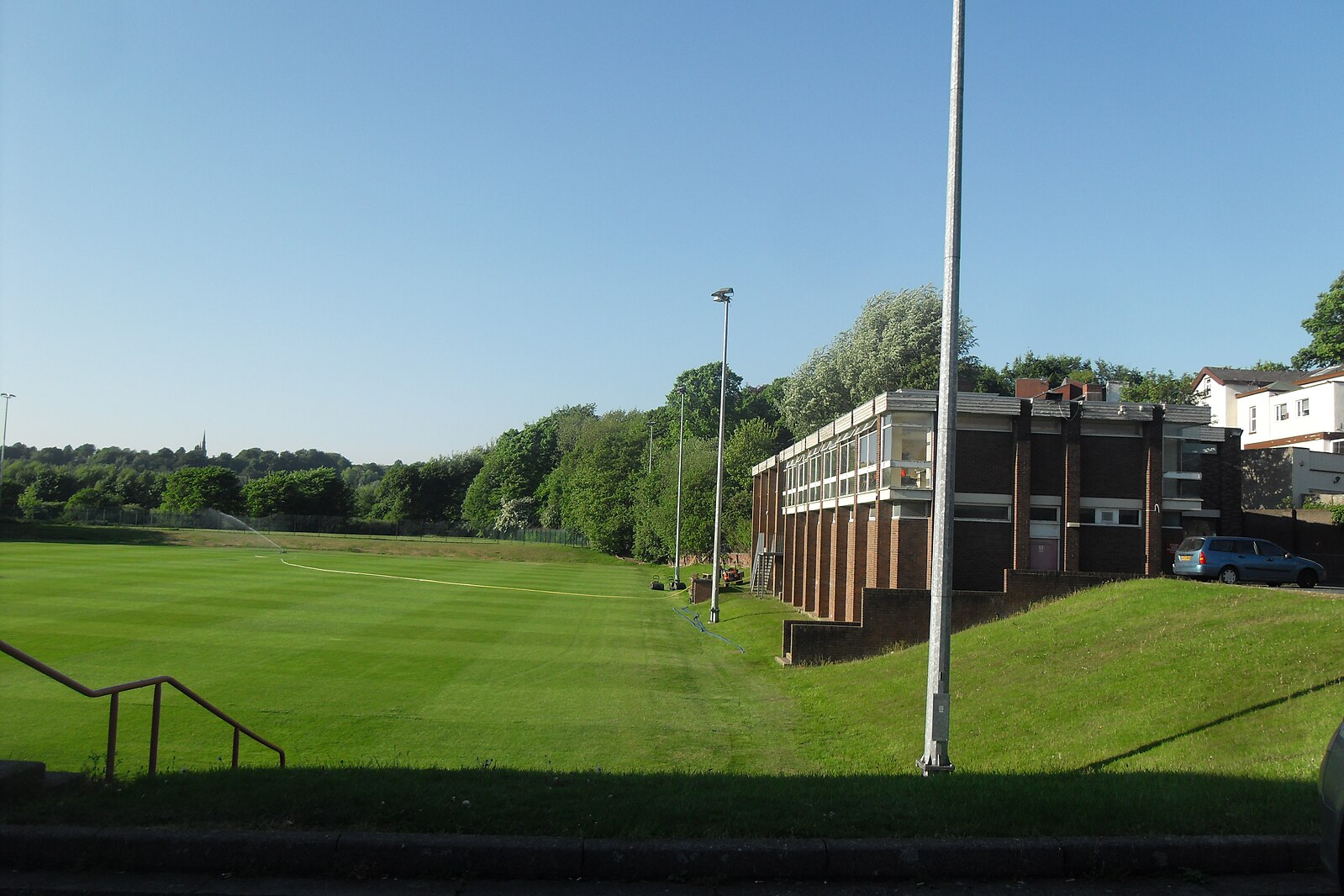
The human remains are said to have been found just yards from The Cliff facility. (Credit: The Manc Group/Anthony Parkes via Geograph)
DS Hughes went on to add: “I want to assure the local community that although this is a disturbing and unsettling find, we have a large visible presence in the area to complete enquiries, provide reassurance and to listen to any concerns.
“I encourage anyone who may have relevant information to speak to these officers. The victim has not yet been identified, but we know that behind this discovery there will be a family who have lost a loved one, and we want to make sure they are supported as quickly as possible.
ADVERTISEMENT
“Anyone who thinks they may have witnessed something suspicious in the Kersal Dale area over the last few days could be key to unlocking what happened. I would ask that anyone who has any information that may be relevant to our enquiries, no matter how big or small, comes forward by calling 101 and quoting log number 2695 of 4 April 2024.”
As always, any details you may have and feel could be useful can also be passed on anonymously through the independent charity Crimestoppers online or by calling 0800 555 111.
Featured Images — The Manc Group/GMP/Anthony Parkes (via Geograph)
News
Manchester man jailed after sexually assaulting and masturbating in front of woman on train
Emily Sergeant
A man has been jailed after sexually assaulting and masturbating in front of a woman on board a train to Manchester.
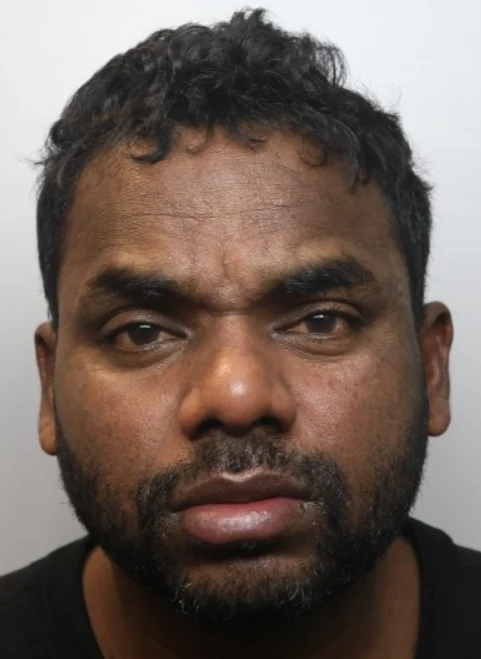
Following an extensive British Transport Police (BTP) investigation, Nisan Fernando Kurukulasuriya, of Troutbeck Road in Altrincham, was sentenced at Manchester Crown Court last month.
At the trail last month, the court heard how, on Monday 20 April 2026, 39-year-old Kurukulasuriya was on a train from Stoke to Manchester and sat next to a woman he didn’t know, who was on the phone.
He then sexually assaulted her repeatedly, doing so again even after being pushed away by the woman.
The woman then noticed that Kurukulasuriya had exposed himself and was masturbating in front of her. She shouted at him, and in response, he stood up and ran away to leave the train – but the woman immediately got up to report the incident to staff.
When the train arrived at Manchester Piccadilly, the woman alerted a member of staff while Kurukulasuriya was stood only a few meters away, and BTP were subsequently called straight away.
Police quickly attended and arrested Kurukulasuriya.
When police interviewed him, Kurukulasuriya showed no remorse for his actions and refused to answer any questions put to him.
After pleading guilty to Sexual Assault and Outraging Public Decency at a previous court hearing, Kurukulasuriya was sentenced to eight months’ imprisonment, and was also handed a 10-year Sexual Harm Prevention Order (SHPO) which will bar him from sitting next to any woman he doesn’t know on public transport, as well as being put on thensex offenders register for 10 years.
BTP Detective Sergeant, Mark Haviland, called Kurukulasuriya a ‘despicable man’ who targeted a woman travelling alone ‘for his own sick sexual gratification’.
Featured Image – BTP
News
GMP officer sentenced after hitting pedestrian during police chase in Rochdale
Emily Sergeant
A police officer has been sentenced this week after he struck and ‘seriously injured’ a pedestrian following a pursuit of a suspected drink driver in Rochdale.
35-year-old Greater Manchester Police (GMP) officer PC Sam Lockley pleaded guilty back in January 2026 following an Independent Office for Police Conduct (IOPC) investigation.
The IOPC investigation established that, in the early hours of the morning on 19 November 2023, PC Lockley was driving a marked police vehicle with the lights and sirens activated, and attempted to stop a suspected drunk driver on Drake Street in Rochdale.
A short pursuit that commenced but stopped merely a minute later after the police vehicle collided with a pedestrian on the footpath of Rochdale Road at approximately 3:30am.
The evidence gathered indicated that PC Lockley failed to slow down as he approached and drove through the red traffic lights at the Kingsway junction, and was travelling at a speed of 96mph in a 30mph zone.
The pedestrian suffered ‘serious injuries’ as a result of the collision, and received extensive medical treatment following.
At a hearing back in February of this year, PC Lockley received a two-year suspended sentence and was ordered to carry out 15 days community service, while also receiving two-year driving disqualification.
Also following the investigation, the IOPC decided that Lockley should face a gross misconduct hearing to face allegations that his manner of driving breached the police standards of professional behaviour.
“We continue to liaise with the force about disciplinary proceedings,” the IOPC concluded.
IOPC Director Amanda Rowe added: “My sympathies remain with the man, who sustained serious injuries, and all those affected by the incident.
“This was a complex investigation which relied on extensive amounts of data and expert analysis and the evidence showed PC Lockley drove at excessive speeds at night-time and although he was responding to a report of a suspected drink driver, it does not excuse his manner of driving.
“PC Lockley admitted he drove in a dangerous manner when he didn’t address hazards or warnings during the pursuit and ultimately by the time he saw the pedestrian, he was travelling too fast to avoid a collision.
“His actions that day have had long-lasting consequences and he has now been held accountable.”

 Danny Jones -
5th April 2024
Danny Jones -
5th April 2024