Labour says 100,000 North West jobs are on the ‘scrap heap’ due to Winter Plan
New analysis by the Labour Party, using Office of National Statistics employment data shows that more than a million workers are in these sectors simply dismissed as "unviable" by the government.
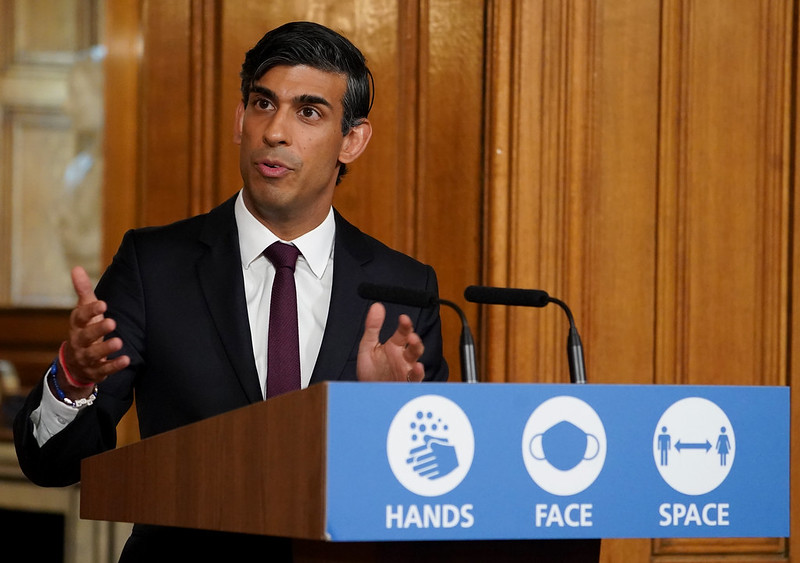
Labour has accused Rishi Sunak of throwing one hundred thousand North West jobs on the ‘scrap heap’ in his Winter Economy Plan.
The Chancellor confirmed the conclusion of the furlough scheme last week.
Whilst admitting he could “not save every job”, Sunak said he would be introducing a new six-month plan that would see the government top up wages of “viable” roles in winter.
But Labour has retorted that the support package is “fundamentally flawed” – with industries such as weddings, events, nigthlife, music, arts and sports remaining largely closed and therefore unable to access funding (employers must offer staff at least a third of their usual hours under the new regime).
Labour also argued that the new plan actually makes it cheaper to bring back one employee full-time and fire the other, offering little incentive to keep two part-time staff on board.
ADVERTISEMENT
Lucy Powell MP, Shadow Minister for Business and Consumers, said: “The Chancellor is consigning whole sectors of our economy to the scrap heap, damaging lives and livelihoods, and threatening the recovery. The failure of Ministers to ensure an effective Test, Track and Trace system means that many businesses are still fully or partially shut down. The decision to shut these firms out of the Job Support Scheme adds insult to injury.
“Labour has called for the government to come forward with an effective plan to recover jobs, retrain workers and rebuild businesses. This isn’t it. Even for those who can access it, the Job Support Scheme is badly designed and could lead to a wave of job losses, because the Chancellor’s sums do not add up for businesses. He must think again, before the jobs crisis reaches tipping point.”
ADVERTISEMENT
Despite generate billions in tax revenue and employ millions of workers, Labour is predicting the sectors hit hardest will be:
Nightlife – including 6,000 people employed in nightclubs, 42,000 people employed in pubs and bars.
Events – including 15,000 event caterers, 950 people organising and running exhibitions and conferences.
Arts – including theatres and cinemas still shut-down or operating at reduced capacity employing 4,000 people.
Weddings – The number of wedding guests allowed has been halved from 30 to 15, which will hit at least 70,000 weddings. This could cost an estimated £4.8bn, with 127,000 nuptials postponed to 2021.
Sports – employing 48,000 people.
Labour has also said that in the North West specifically, nearly 900 nightclubs, 80 cinemas, 4,540 pubs/bars and 1,750 arts venues will not be able to get the support they need from the Winter Plan.
Whilst some have praised the Chancellor’s latest efforts to protect jobs and prevent mass unemployment in Britain, others feel the measures do not go far enough.
ADVERTISEMENT
People in the hospitality sector – which must now shut at 10pm – have accused the government of unfairly targeting their industry during the pandemic.
The Treasury argued, however, that keeping industries afloat is highest on their agenda.
“Supporting jobs is our absolute priority, which is why we set out a range of new measures on Thursday including the job support scheme to protect millions of jobs, extending the self-employment income support scheme and 15% VAT cut for the hospitality and tourism sectors, and help for businesses in repaying government-backed loans,” they said in a statement.
Shadow Culture Secretary Jo Stevens said that industries were bracing themselves for a winter of further job losses.
“The UK’s cultural sector is a critical part of our national identity – not to mention a valuable part of the economy,” the MP stated.
ADVERTISEMENT
“These are skilled, specialist jobs in an industry that had been growing until the covid crisis hit.
“So far the government has promised money to prop up our theatres and concert halls but it’s the people who work in them who are suffering and who are excluded from government help.”
News
Popular pumpkin patch attraction describes ‘catastrophic’ impact of Storm Boelo
Daisy Jackson
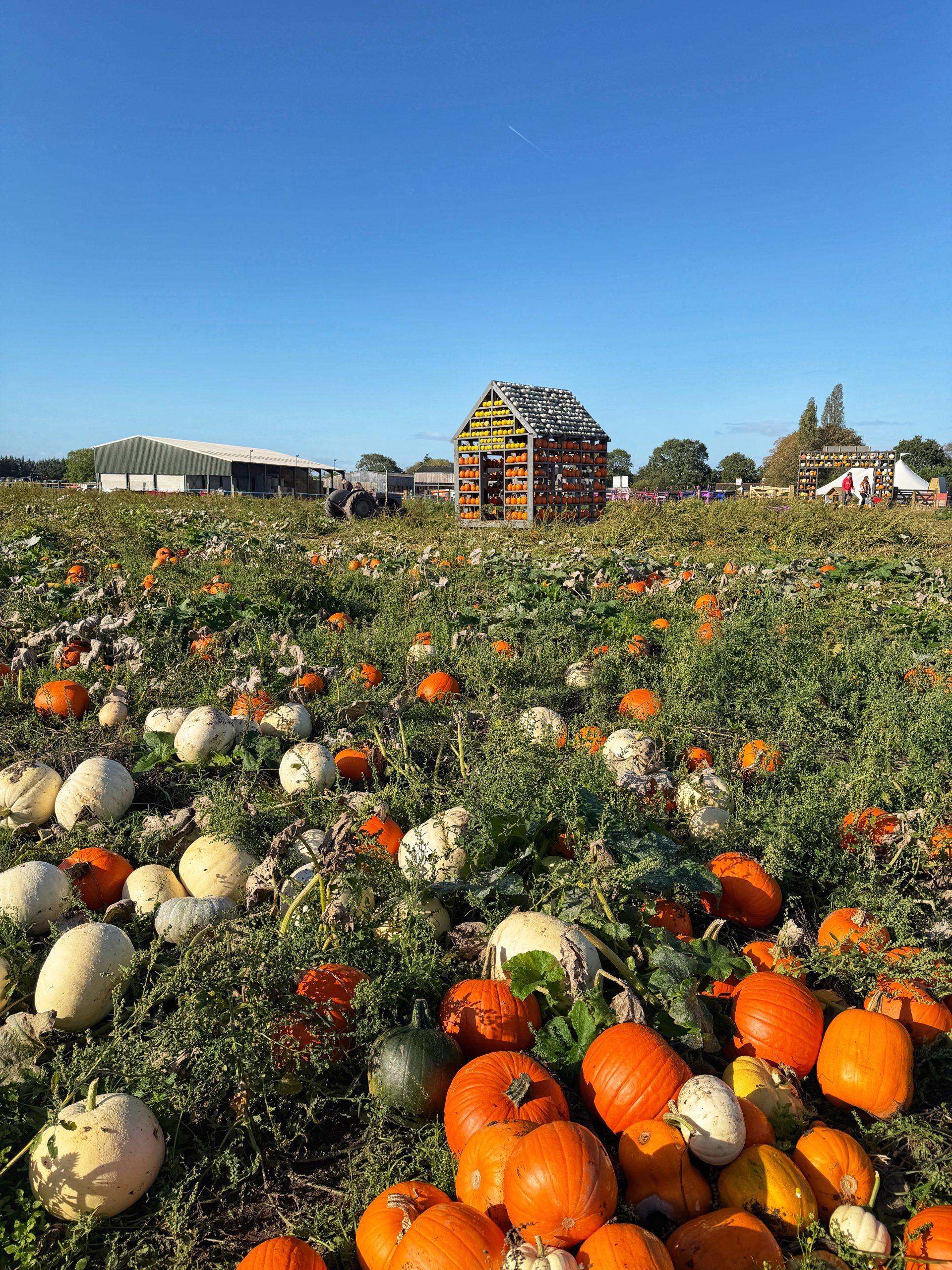
Bates Farm, one of the most popular pumpkin patch attractions in the North West, has shared its heartbreak after Storm Boelo forced its closure on the busiest day of the season.
The Warrington-based family farm said the financial impact has been ‘honestly catastrophic’, after they had to cancel all tickets for Sunday.
Sisters Ali and Fiona Wilshaw, who run the farm, said it was simply not safe to allow members of the public onto the farm in the storm, with ‘crazy’ gusts of wind.
They later shared a video that showed their marquee was badly damaged and many footpaths turned to deep mud.
The sisters said they were ‘heartbroken’ to have to close at such a busy time, but stressed to followers that ‘your safety and our integrity will always come first’.
On Saturday, as Storm Austen and Storm Boelo chased each other across the UK, several people shared videos of themselves getting battered by the weather at Bates Farm.
And it’s pretty clear from that why Ali and Fi decided to cancel all tickets and close for the day on Sunday.
They wrote: “We have put in so much love, energy and investment putting on this event at this scale. The cost to cancel and refund everyone today on our busiest day of the season is honestly catastrophic, but business aside, your safety and our integrity will always come first.
“To think last night we were running round Tesco trying to stock up on milk and now we are in the depths of recovering the site to go again tomorrow. All emails and enquiries are being responded to as quickly as possible and we are doing our best to open up more available slots next week.
“We are being tested like never before, but pulling together in true force. Huge shout out to the whole team and Farmer Fi the absolute queen in any crisis.
“Thank you all for your patience and especially thank you to those who have sent such kind words and support, we are so grateful to have customers like you.
“We will be back tomorrow to enjoy the remaining of this tough season, we are putting in so many provisions with wood chip paths, undercover seating and an indoor barn to make your visit as enjoyable as possible. Ali & Fi.”
Anyone who had tickets to visit Bates Farm on Sunday will be refunded, and can book in for another date.
Bates Farm has safely reopened its autumnal experience and pumpkin patch today.
‘Violent’ Salford man jailed after raping two women he met on dating apps
Emily Sergeant
A man from Salford who police describe as ‘violent’ has been jailed after raping two women he met on dating apps.
Kenny Cox appeared at Manchester Crown Court for his sentencing last week (23 October) in relation to the rape of two women – one in November 2021 and one in September 2024.
The 46-year-old was arrested on 8 September 2024, charged and then remanded, before standing trial for both rapes in March 2025.
The trial, however, resulted in a hung jury, so a new trial commenced in August 2026, and Cox was then subsequently found guilty of two counts of rape and one of attempted rape.
It comes after, on 7 November 2021, one of the victims met up with Cox after connecting through a dating app. They went to a property in Salford, and after drinking alcohol together, the victim began to feel hazy and described herself as ‘feeling paralysed’ and ‘unable to move’.
It was during this time she was raped by the suspect.
After she was able to move, she left the property in a taxi and subsequently reported the incident to the police.
Cox was arrested on 14 November 2021 and bailed with stringent bail conditions not to contact the victim. But then, on 4 September 2024, he met up with a second victim, again after connecting through a dating app, and they went to a property in Salford where he raped her before she was able to leave and inform police.
Following the trial, Cox has been sentenced to 14 years in prison, with four years on licence.
He was also given an indefinite restraining order against the victims, and is subject to an indefinite Sexual Harm Prevention Order.
“I would firstly like to commend the strength of the victims in this case,” commented Detective Sergeant James Walsh, of GMP’s Salford Criminal Investigation Department. “They have gone through this trial process twice now and each time have has shown incredible courage to ensure Cox was put behind bars.
“He preyed on these women and is an violent, sexual offender.
“I hope this sentence and the subsequent sexual harm prevention order imposed gives the victims a sense of justice to help them try to move forward from this and put Kenny Cox firmly in their past where he belongs.”

 The Manc -
28th September 2020
The Manc -
28th September 2020